
The required age for dog rabies vaccine is generally 12 weeks (3 months) of age, although this can vary slightly based on local laws and specific product labels. The first rabies shot for dog administration typically occurs around this time, but puppies must be healthy to receive it.
This guide helps dog owners know exactly when to vaccinate their pets against rabies. Rabies is a serious disease. Protecting your dog early is vital for their health and the safety of your family and community. We will look closely at the puppy rabies vaccination age, legal needs, and how vets approach this important step.
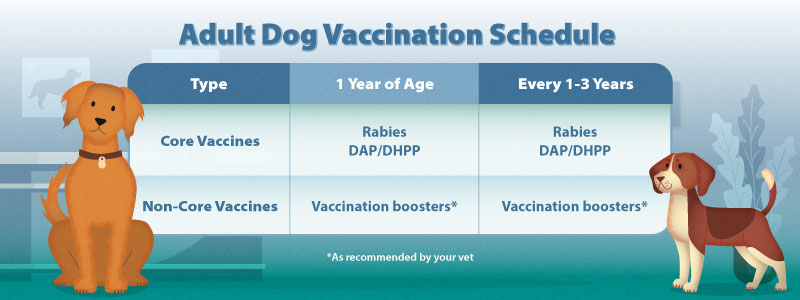
Image Source: www.carecredit.com
Determining the Right Time for the Initial Rabies Vaccine
Knowing the dog age for initial rabies vaccine is the first step in responsible pet ownership. Vaccination timing is critical for the best protection.
Puppy Rabies Vaccination Age Details
Puppies get protection from their mother’s milk (colostrum) for several weeks. This passive immunity can sometimes block the vaccine from working well if given too early. This is why vets wait a bit.
- Minimum Age: Most vaccines are labeled for use starting at 12 weeks. This is the general puppy rabies vaccination age.
- State Variations: Some areas might allow earlier vaccination, perhaps 16 weeks, depending on the specific vaccine used and local laws. Always follow your vet’s advice.
- Healthy Puppy Rule: Your puppy must be healthy. If the puppy has any signs of illness (like diarrhea or coughing), the vet might delay the shot until the puppy is well.
The Puppy Vaccination Schedule Context
The rabies shot does not happen alone. It fits into a larger plan called the puppy vaccination schedule.
The initial series focuses on protecting against common, dangerous diseases like Parvovirus and Distemper. The rabies shot is often given toward the end of this initial series.
| Age (Weeks) | Core Vaccine (e.g., DHPP) | Rabies Vaccine | Other Considerations |
|---|---|---|---|
| 6-8 | First round | None | Start deworming |
| 10-12 | Second round | First rabies shot for dog (often given here) | Discuss parasite control |
| 14-16 | Third round | Sometimes given if 12-week shot was delayed | Assess local laws |
This schedule ensures the puppy builds strong immunity after the mother’s protection wears off.
Legal Obligations: Dog Rabies Shot Requirements
Rabies vaccination is not just good advice; it is often the law. These rules exist for public safety.
State and Local Dog Rabies Shot Requirements
The dog rabies shot requirements are set by state and county laws. These laws dictate not only when the shot must be given but also how often boosters are needed.
- Mandatory Vaccination: Almost everywhere requires dogs to be vaccinated against rabies.
- Proof of Vaccination: You must keep a current rabies certificate. This proves your dog is protected. You need this certificate if your dog bites someone or if you travel with your dog.
- Leash Laws Connection: Rabies vaccination is often tied directly to local licensing and leash laws. If your dog isn’t current, you might face fines.
Determining the Required Age for Dog Rabies Vaccine Legally
While vets aim for 12 weeks, the law sets the final timeline.
Some jurisdictions state that a dog cannot be licensed or considered legally vaccinated until it reaches a certain age, sometimes 4 or 5 months, even if the shot was given earlier.
It is crucial to ask your veterinarian about local ordinances. They are experts on the canine rabies vaccination guidelines in your area.
Booster Shots: Maintaining Protection After the First Shot
Giving the first rabies shot for dog is just the start. Protection fades over time, so boosters are necessary.
When Do Dogs Need Rabies Vaccine Boosters?
The timeline for boosters depends on the initial shot.
- The First Booster: The initial rabies vaccine (given at 12 weeks or older) usually lasts for one year.
- Subsequent Boosters: After the first annual booster, many vaccines are good for three years.
- The One-Year vs. Three-Year Vaccine: Veterinarians use different types of rabies vaccines. Some are licensed for one year only. Others are licensed for three years. The choice often depends on your local regulations and the dog’s history.
- Staying Current: If you miss the booster date, your dog may lose its legal status as “current.” In some places, if a dog is overdue, the next shot reverts them to a one-year vaccine status, even if they had a three-year vaccine previously. This is a key part of veterinary guidelines dog rabies protocol.
Importance of Early Dog Rabies Shot and Consistency
The importance of early dog rabies shot lies in minimizing the window of vulnerability. Puppies explore the world, meeting new people and other animals. Getting them protected early shields them during this high-risk time.
Consistency in boosting ensures the immune system stays ready to fight the virus if exposure occurs. A lapse in vaccination is dangerous because the dog must be treated as unvaccinated, potentially requiring strict quarantine if an exposure happens.
Exceptions to the Standard Schedule
Not every dog fits the typical mold. There are situations where the standard puppy vaccination schedule needs adjustment.
Puppies Starting Vaccination Late
What if you adopt a puppy that is already 6 or 7 months old, and it has never had any shots?
- Catch-Up Protocol: The vet will likely administer the first rabies vaccine immediately.
- Legal Requirements: Even though they are older, this shot is treated as the “first shot.” They will need a booster one year later to establish the multi-year protection cycle, depending on the label instructions and local law.
The Role of Titers in Rabies Immunity
Some dog owners ask about blood tests, called titers, instead of routine shots.
- Titer Tests: A titer measures the level of protective antibodies in the blood.
- Rabies Titer Limitations: While titers are accepted for some diseases (like Distemper/Parvo) in some countries or by some boarding facilities, rabies vaccination is almost universally required by law, regardless of titer results. This is due to the severity of the disease and the lack of a universally accepted titer standard for rabies that satisfies all legal bodies.
Medical Exemptions
In rare cases, a dog may have a medical reason not to receive a vaccine, often due to a severe allergic reaction to a previous vaccine.
- Veterinary Assessment: A veterinarian must document this exemption.
- Legal Implications: Even with an exemption, the owner must take extreme precautions, as the dog will legally be considered unvaccinated and vulnerable. This often means strict confinement and limited interaction with unvaccinated pets or wildlife.
Fathoming Rabies: Why the Strict Rules?
Rabies is a fatal disease. This severity dictates the strict canine rabies vaccination guidelines.
Rabies Transmission and Risk
Rabies is transmitted through the saliva of an infected animal, usually via a bite. Once clinical signs appear, the disease is 100% fatal.
- Wildlife Reservoir: Raccoons, bats, skunks, and foxes are common carriers in many regions. A bite from any of these animals requires immediate action, even if your dog is vaccinated.
- Human Risk: Rabies can pass from infected animals to humans. This is why public health officials enforce vaccination laws so strictly.
How Vaccines Create Immunity
Vaccines teach the dog’s immune system to recognize the rabies virus protein without causing the actual disease.
- Antibody Production: The body creates specialized proteins called antibodies.
- Memory Cells: The system remembers the virus. If the real virus enters the body later, these memory cells create a fast, massive antibody response, stopping the infection before it reaches the brain. This mechanism is why the first rabies shot for dog is so important for establishing this memory.
Working with Your Veterinarian on the Vaccination Plan
Your veterinarian is your best partner in managing your dog’s health timeline. They help decode local laws and product labels.
Discussing the Puppy Vaccination Schedule
When you bring your new puppy in, discuss the entire puppy vaccination schedule.
- Ask specifically: “When is the puppy rabies vaccination age according to your practice and local law?”
- Bring records: If you adopted the puppy, bring any previous health records so the vet knows what shots are already done.
Interpreting Veterinary Guidelines Dog Rabies Labels
Vaccine manufacturers provide precise instructions on their labels. Vets follow these closely.
- Initial Dose Age: The minimum age listed on the vial dictates the earliest acceptable use.
- Duration of Immunity (DOI): This tells the vet how long the vaccine is proven effective (1 year or 3 years).
| Vaccine Type | Initial Dose Age | Booster Frequency | Legal Status |
|---|---|---|---|
| Primary Vaccine (First Ever) | 12 weeks minimum | 1 year later | Establishes initial legal protection |
| Subsequent Doses (3-Year Label) | N/A (after first booster) | Every 3 years | Maintains legal protection |
Travel and Boarding: Proof of Vaccination Matters
If you plan to travel or use daycare or boarding services, proof of vaccination is required.
Boarding Kennel Requirements
Boarding facilities cannot risk accepting an unvaccinated dog due to liability.
- They strictly follow dog rabies shot requirements. If your dog is even one day late on a booster, they might refuse service until the booster is given and the mandatory waiting period (usually 24–48 hours) passes.
Crossing State or International Borders
Travel often requires more scrutiny.
- Interstate Travel: Most US states require current rabies vaccination for entry.
- International Travel: Many countries require specific paperwork, often including a titer test along with a current rabies certificate, depending on where you are going. They adhere strictly to the required age for dog rabies vaccine for the initial certification.
Addressing Common Concerns About Rabies Shots
Owners often have worries when it comes to vaccinating young puppies.
Are Rabies Shots Safe for Puppies?
Yes, rabies vaccines are overwhelmingly safe. Side effects are rare and usually mild.
- Mild Reactions: The most common reactions include soreness or mild swelling at the injection site, lethargy (tiredness), or a temporary lack of appetite. These usually resolve in 24 to 48 hours.
- Severe Reactions: Severe allergic reactions (anaphylaxis) are extremely rare. Your vet will ask you to wait 15–30 minutes after the shot at the clinic just in case a severe reaction occurs, allowing them to treat it immediately.
Can I Give the Rabies Shot Too Early?
Giving the shot too early (e.g., before 12 weeks) might mean the vaccine doesn’t work well. The maternal antibodies might neutralize the vaccine before the puppy can mount its own defense. This lowers the importance of early dog rabies shot if done too soon. It is better to wait a week or two than to vaccinate too early and have no protection.
What if My Dog Has Never Had a Rabies Shot?
If your adult dog skips the vaccine, they are legally unvaccinated. They should receive the shot immediately. The vet will treat this as the first dose, and a booster will be due one year later.
Frequently Asked Questions (FAQ)
What is the minimum age for the rabies vaccine in dogs?
The minimum age for the first rabies shot for dog is generally 12 weeks (3 months), as recommended by most vaccine manufacturers and the CDC, though local laws might set this age slightly higher.
Do I need a rabies certificate for my dog?
Yes. You must keep proof of vaccination. This certificate is necessary for local licensing, boarding, grooming, and if your dog ever bites someone or is exposed to wildlife.
Is the rabies vaccine mandatory for all dogs?
In almost every state and territory in the US, rabies vaccination is legally mandatory for all dogs over the required age for dog rabies vaccine (usually 3 or 4 months old).
If my dog is vaccinated, can it still get rabies?
If properly vaccinated and boosted on schedule, the risk is extremely low. However, if an already-vaccinated dog is severely bitten by a confirmed rabid animal, immediate veterinary care and sometimes a booster shot are required, followed by a specific observation period dictated by public health officials.
Can I get a three-year rabies vaccine for my puppy’s first shot?
Typically, no. The initial rabies vaccine given to a puppy is usually a one-year vaccine, even if the brand offers a three-year option. The three-year effectiveness is confirmed only after the dog receives the first annual booster. This is a standard part of the canine rabies vaccination guidelines.