
You know a dog is dehydrated when the body loses more fluid than it takes in. This simple fluid loss can quickly become a serious health issue for pets. Recognizing the signs early is vital for prompt care.
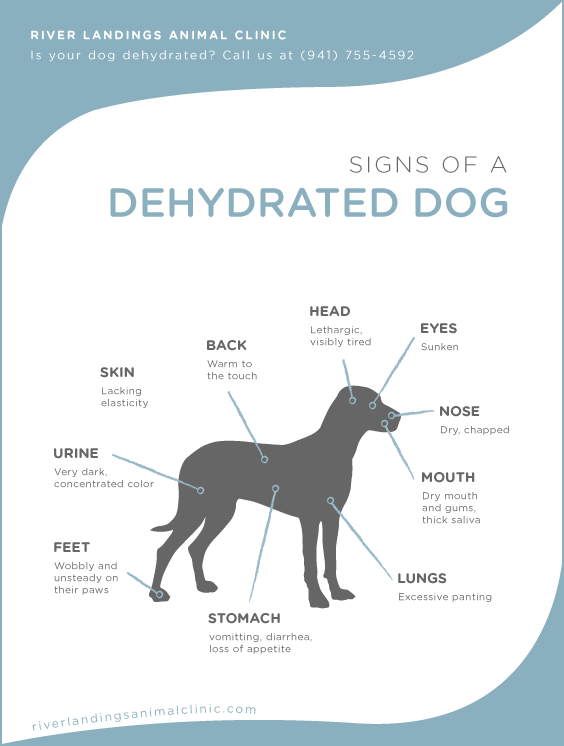
Image Source: images.squarespace-cdn.com
Why Water Matters So Much For Your Dog
Water is the most important thing for your dog’s life. A dog’s body needs water for almost every job it does. Water helps with digestion. It moves nutrients around the body. It keeps organs working right. It also helps control body heat, especially when a dog is hot or exercising.
Dogs can lose water fast. This happens through breathing, going to the bathroom, and even sweating a little through their paws. When they lose too much water, they get sick. This is why knowing the canine dehydration symptoms is so important for every pet owner.
Spotting Early Signs of Dehydration
Mild dehydration might not look very serious at first. But these early signs mean you need to act fast. Checking your dog often can catch problems before they get worse.
Checking the Gums and Mouth
One of the fastest ways to check hydration is by looking inside your dog’s mouth. A healthy dog has wet, slick gums.
The Stickiness Test
If your dog is low on water, you will notice their dog dry mouth. When you gently touch their gums with your finger, they will feel sticky or tacky instead of smooth and wet. This is a key sign of low fluid levels.
We call this feeling dog sticky gums. If the gums feel like glue, water levels are low. Healthy gums should be pink and moist. If they look pale or very dark red, that is another major warning sign.
Skin Elasticity: The Pinch Test
How quickly the skin snaps back tells you a lot about the water in the body. This is called checking skin elasticity dog dehydration.
- Gently grab a small fold of skin over your dog’s shoulder blades.
- Let go of the skin right away.
In a well-hydrated dog, the skin snaps back into place instantly. If the dog is dehydrated, the skin will return slowly. It might stay “tented” up for a second or two before flattening out. The slower the return, the more severe the dehydration might be.
Eye Appearance
A dog that is losing a lot of fluid can show changes in their eyes. Look closely at your pet’s eyes. In severe cases, you may see sunken eyes dog dehydration. This happens because the fluid surrounding the eyeball decreases. The eyes look deep set in the socket. This is a sign of moderate to severe dehydration and needs quick attention.
Changes in Behavior and Energy
Dehydration makes dogs feel tired and weak.
- Lethargy: Your dog might seem much less playful than usual. They may not want to go for walks or play with toys.
- Weakness: They might stumble or have trouble standing up properly.
- Excessive Panting: Sometimes, dogs pant too much when they are dehydrated because their bodies are trying hard to cool down, but they lack the water needed for effective cooling. Watch for dog excessive panting that doesn’t match the outside temperature or activity level.
Tracking Water Intake and Output
Knowing how much water your dog drinks is the best way to prevent dehydration.
How Much Water Should a Dog Drink?
A normal, healthy dog needs about one ounce of water per pound of body weight each day. This rule is a good starting point, but it changes based on activity and weather.
For example, a 30-pound dog should drink about 30 ounces of water daily. This is just under one quart.
Factors that change water needs:
- Activity Level: Dogs that run or play hard need more water.
- Weather: Hot or humid weather means they need much more water.
- Diet: Dogs eating mostly dry food need more water than those eating wet food.
- Health Issues: Dogs with vomiting or diarrhea lose water quickly and need more replacement fluids.
If you notice your dog is dog not drinking water at all, this is a major red flag. Even a few hours without water can cause problems, especially for small dogs or very active dogs.
Urine Monitoring
Urine is another great indicator. Healthy dog urine should be pale yellow and plentiful.
If your dog is dehydrated:
- Urine volume will drop. They may pee much less often.
- The color will become very dark yellow or amber. Dark urine means the kidneys are trying hard to save water.
- If urine is dark orange or brown, seek vet help right away.
Dehydration in Puppies: A Special Concern
Puppy dehydration signs are harder to spot sometimes, but puppies get dehydrated much faster than adult dogs. Their smaller size and high metabolism mean water loss hits them quickly.
Because puppies are so small, a small amount of fluid loss has a big effect on their system. Always be extra careful with puppies when it is hot outside or if they are sick. Check their gums and skin elasticity several times a day if they seem unwell.
Common Causes of Canine Dehydration
Why does dehydration happen? Usually, it is a mix of not drinking enough and losing too much fluid.
Illnesses Leading to Fluid Loss
Several common dog illnesses cause rapid fluid loss:
- Vomiting and Diarrhea: These are the most common causes. The dog loses water and electrolytes (salts) from the gut.
- Fever: Higher body temperature increases fluid loss through panting.
- Heat Stroke: Dogs suffering from overheating lose massive amounts of water trying to regulate their temperature.
Not Drinking Enough Water
Sometimes the problem is simple: the dog just isn’t taking in enough water.
- Change in Water Source: Dogs might refuse to drink new water if you travel.
- Dirty Water: If the water bowl is dirty or has slime in it, many dogs will refuse to drink.
- Location: If the water bowl is too far away from where the dog rests, especially older dogs, they might not bother getting up.
- Dental Pain: If a dog has a bad tooth, drinking can hurt, leading them to avoid water.
Severity Levels of Dehydration
Dehydration is rated by how severe it is. Knowing the level helps you decide the next step for care.
| Level of Dehydration | Skin Elasticity Test Result | Gum Appearance | Other Signs | Needed Action |
|---|---|---|---|---|
| Mild (5%) | Snaps back slightly slow | Slight tackiness | Slightly sluggish | Encourage drinking, monitor closely. |
| Moderate (7-9%) | Stays tented for 2-3 seconds | Distinctly sticky | Lethargy, dry nose, dark urine | Call vet immediately. Start slow rehydration. |
| Severe (10%+) | Stays tented for several seconds | Very tacky, dry, pale/dark red | Sunken eyes, weak pulse, shock possible | Emergency dog dehydration treatment needed. Immediate vet visit. |
Steps for Rehydration: What to Do At Home
If you catch dehydration early (mild cases), you can often start treatment at home. Remember, if you see signs of moderate or severe dehydration, skip this section and call your vet now.
Encouraging Water Intake
The first goal is to get the dog to drink. If they refuse plain water, try these tricks:
- Offer Cold, Fresh Water: Always use a very clean bowl. Some dogs prefer ice cubes or chilled water.
- Add Flavor (Carefully): You can try adding a tiny bit of low-sodium chicken broth to the water to make it more appealing. Use only a small amount so they still get mostly water.
- Offer Small Amounts Frequently: Do not let a very thirsty dog gulp down a huge bowl at once. This can cause vomiting, which sets back rehydration. Offer a few laps of water every 15 minutes instead.
Using Oral Rehydration Solutions (ORS)
For mild cases, especially after vomiting or diarrhea, plain water might not be enough. The dog needs salts and sugars back too.
You can buy dog-specific ORS products. If those are not available, a homemade solution can sometimes be used temporarily for mild cases, but always check with your vet first.
A simple ORS formula often mimics the balance needed:
- 1 quart (about 4 cups) of water
- 1 teaspoon of salt
- 4 teaspoons of sugar
Caution: Use this homemade mix only if your vet agrees or if you have mild symptoms and no other option. Too much salt is dangerous.
When to Stop Home Treatment and Call the Vet
If your dog shows moderate or severe signs, or if your home efforts do not work after 30 minutes, stop trying to force fluids. Call your veterinarian.
Emergency Dog Dehydration Treatment at the Vet
Severe dehydration is a medical emergency. If your dog has very sunken eyes dog dehydration or very poor skin elasticity dog dehydration, they need professional care fast.
What Happens at the Clinic?
Veterinary care focuses on safely replacing lost fluids and electrolytes.
- Intravenous (IV) Fluids: This is the fastest and most effective way to rehydrate. Fluids go directly into the bloodstream. This bypasses the digestive system, which might not be working well if the dog has been vomiting.
- Electrolyte Monitoring: The vet will check blood work to see which salts (like potassium and sodium) are out of balance. The IV fluids will be balanced to correct these issues.
- Treating the Cause: The vet will also treat whatever caused the dehydration, such as giving medicine for severe diarrhea or managing heat exhaustion.
Preventing Dehydration: A Daily Routine
The best treatment is prevention. Making hydration part of your dog’s daily routine keeps them safe.
Ensuring Water Access
Always make sure your dog has access to fresh water.
- Multiple Stations: Have water bowls in several rooms in your house.
- Travel Safety: Always carry water and a collapsible bowl when you take your dog out of the house, even for a short trip.
- Cleaning: Wash bowls daily. A dirty bowl discourages drinking.
Diet Adjustments
You can boost water intake through food.
- Wet Food: Switching from dry kibble to canned food adds a significant amount of moisture to your dog’s diet. Canned food is often 70-85% water.
- Water-Rich Foods: Small amounts of safe, watery vegetables like cucumber or watermelon (seedless) can be added as treats in moderation to boost fluid intake.
Heat Management
Heat is a huge risk factor for dehydration.
- Limit Outdoor Time: Keep walks short during the hottest parts of the day (usually 10 a.m. to 4 p.m.).
- Shade and Cool Areas: Ensure your dog has access to shade or air conditioning when outside.
- Never Leave in a Car: Even on a moderately warm day, a car interior heats up fast, leading straight to heat stroke and severe dehydration.
Fathoming Dehydration Risks for Different Dogs
While any dog can get dehydrated, some groups face higher risks.
Senior Dogs
Older dogs often drink less simply because they are less active or might have kidney issues that affect their thirst signals. Their bodies are also less able to cope with fluid changes. Check their gums daily if they are seniors.
Overweight Dogs
Dogs carrying extra weight often overheat more easily than fit dogs. This increased internal heat production leads to more panting and faster fluid loss. Keeping a healthy weight helps manage their temperature.
Working and Sporting Dogs
Dogs that work hard—herding, hunting, or high-level agility—need constant hydration monitoring. They lose water through sweat (paws) and heavy panting. Trainers must enforce mandatory rest and water breaks. These dogs need more than the standard how much water should a dog drink guidelines suggest.
Summary of Key Indicators
Remember these crucial checks to quickly spot when your dog needs fluids:
- Gum Check: Are the gums sticky instead of slick?
- Skin Check: Does the skin stay tented when you pinch it?
- Eye Check: Do the eyes look deep or sunken?
- Behavior Check: Is your dog suddenly very tired or lacking energy?
- Panting Check: Is there dog excessive panting without an obvious hot reason?
Being aware of these signs helps you protect your companion from a serious health event. Early action saves lives.
Frequently Asked Questions (FAQ)
How fast can a dog become dehydrated?
A dog can become significantly dehydrated within 12 to 24 hours, especially if they are vomiting, have diarrhea, or are exposed to high heat without water access. Puppies are at risk much faster, sometimes in just a few hours.
Can a dog be dehydrated if they are still drinking?
Yes, a dog can be dehydrated even if they are drinking water, especially if they are losing fluids faster than they can drink them. This commonly happens during severe vomiting or diarrhea, where the dog loses vital electrolytes along with water. They need electrolyte replacement, not just plain water, which is why the vet often steps in.
What is the best way to give water to a dog that refuses to drink?
If your dog is refusing water but seems only mildly dehydrated, try flavoring the water with a small amount of low-sodium chicken or bone broth. You can also offer small amounts of plain water mixed with wet food to increase fluid intake. If refusal lasts over 12 hours, see a vet.
Is a dry nose a reliable sign of dehydration?
No, a dry nose is not a very reliable sign. A dog’s nose can be dry for many reasons, like sleeping or being indoors near a heat vent. Always rely more on the gum stickiness test and skin elasticity test instead.
When should I worry about excessive panting?
You should worry if the dog excessive panting continues even after you move the dog to a cool, shaded area, or if the panting is frantic and accompanied by other canine dehydration symptoms like heavy drooling or bright red gums. This could signal heat exhaustion or stroke, which requires immediate cooling measures and veterinary contact.