
The protection dog training cost varies widely, generally ranging from a few thousand dollars for basic training to tens of thousands of dollars for a fully accomplished, elite protection dog investment.
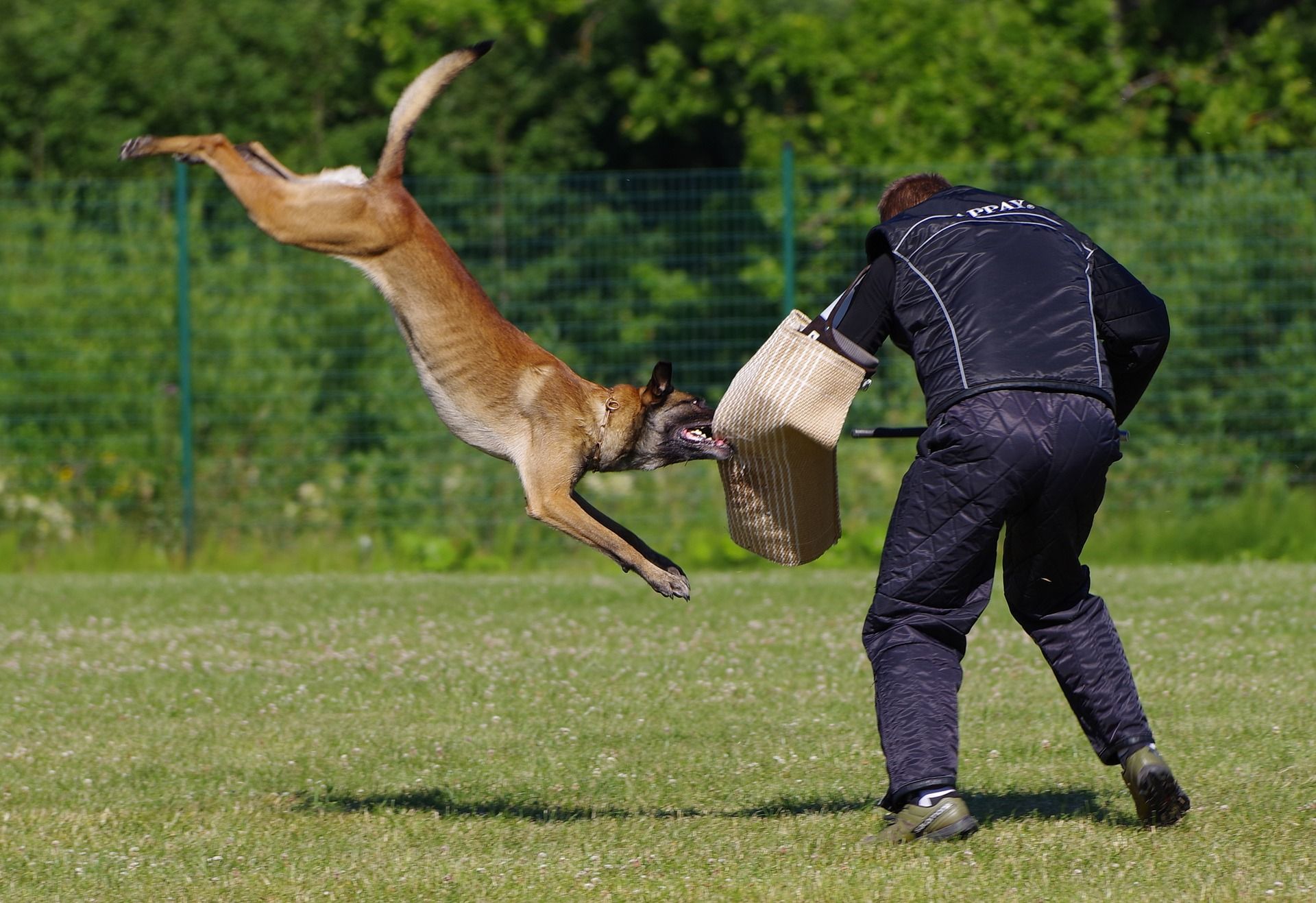
Image Source: www.traincanine.com
Deciphering the Factors Affecting Protection Dog Investment
Buying a protection dog is not like buying a regular pet. It is an investment in security, and like any specialized service, the price tag reflects the quality, training intensity, and lineage of the animal. Many factors shape the personal protection dog pricing you encounter. Knowing these elements helps explain why some dogs cost $5,000 while others command $50,000 or more.
Dog Breed and Bloodlines
The breed plays a huge role in the initial investment. Certain breeds are genetically predisposed to protection work. These include German Shepherds, Malinois, Rottweilers, and Dobermans.
- Working Lines vs. Show Lines: Dogs bred purely for conformation (looks) are far less expensive than those from documented, proven working lines. Working lines have decades of proven performance in police or military work.
- Genetic Health Testing: Reputable breeders invest heavily in hip, elbow, and genetic health screenings. This upfront cost is passed on, but it ensures a longer, healthier working life for the dog.
Level of Training and Certification
This is perhaps the biggest driver of the cost of trained protection dog. A dog trained only to bark on command is vastly different from one certified to handle real-world threats.
- Basic Obedience: All protection dogs must have impeccable obedience. This is the foundation.
- Personal Protection (Civilian Use): Training focuses on threat recognition, bite work development, and handler protection in non-law enforcement scenarios.
- Sport/Competition Level: Dogs trained to high standards like Schutzhund (IGP) or PSA often command higher prices due to the rigorous, objective testing involved.
- Police/Military (Patrol/Detection): These dogs require the most intensive and prolonged training, boosting their bodyguard dog training fees significantly.
Age and Experience of the Dog
When you purchase a puppy, you are buying potential. When you buy an adult dog, you are buying proven results.
| Dog Age Category | Typical Price Range (USD) | What You Are Paying For |
|---|---|---|
| Puppy (Untrained) | $1,500 – $4,000 | Genetic potential, foundation breeding. |
| Young Prospect (6-12 months) | $4,000 – $10,000 | Basic socialization, early drive building. |
| Fully Trained Adult | $15,000 – $40,000+ | Proven performance, real-world scenario conditioning. |
| Experienced Working Dog | $25,000 – $75,000+ | Documented service history, high-level certification. |
Training Duration and Intensity
K9 protection training rates are directly tied to the hours logged. A quality protection dog needs hundreds, if not thousands, of specialized training hours.
- Foundation Work: Teaching the dog to bite on command, hold, and release correctly is crucial for safety. This builds liability protection for the owner.
- Scenario Training: Trainers use decoys to simulate real-life threats: ambush situations, vehicle approaches, home invasions, and public confrontations. The more complex the scenarios covered, the higher the price.
- Handler Training: The fully trained protection dog value includes extensive training for the new owner. The dog is only as good as the person handling it. This crucial transfer of skills adds to the overall cost.
Sourcing: Domestic vs. Imported Dogs
Where the dog comes from heavily influences the imported protection dog cost versus a domestically trained dog.
- Domestic Programs: These dogs are often bred and trained locally, making follow-up training easier. Prices reflect local labor and facility costs.
- Imported Dogs: Many top-tier protection dogs originate from specialized kennels in Europe (especially the Netherlands, Belgium, and Germany). Importing involves significant logistics:
- Quarantine and import fees.
- Air freight costs (often substantial for large working dogs).
- The reputation of the originating kennel, which often demands premium pricing.
The Price Spectrum of Protection Dog Training Services
To better grasp the protection dog training cost, it helps to look at the specific services involved rather than just the final price tag.
Hiring a Trainer for Your Existing Dog
If you already own a suitable breed and temperament, you can send your dog to a trainer or have the trainer come to you.
Board and Train Programs
Your dog stays at the facility for several weeks or months. This allows for focused, intense immersion training, free from home distractions.
- Duration: Typically 8 to 20 weeks for true protection competency.
- Cost Structure: Often quoted as a flat fee for the entire program, or a weekly rate. Weekly rates can range from $800 to $2,000 per week, depending on the facility prestige.
On-Site Training (Trainer Visits Your Home)
This is generally more expensive per hour but convenient for the owner. It ensures the dog learns to defend your specific environment.
- Specialized protection dog training expenses for travel and dedicated time can be high. Expect rates for elite trainers to exceed $200–$400 per hour, with minimum session requirements.
Purchasing a Pre-Trained Dog
This is where you see the highest figures, as you are paying for the dog’s genetics and years of professional labor. This relates directly to the executive protection dog price.
The Basic Protection Dog ($10,000 – $20,000)
These dogs are generally solid pets with excellent obedience and basic defense capabilities. They are suitable for a family wanting enhanced security but perhaps not facing high-profile threats. They usually have basic threat recognition training.
The Advanced Personal Protection Dog ($20,000 – $40,000)
These dogs come from proven working stock. They have extensive scenario training, often certified to a high standard (like PSA Level 1 or 2). They react quickly, accurately, and reliably to handler cues. This is the sweet spot for most serious personal security needs.
The Elite Protection Dog ($40,000 and Up)
These are the true champions. They often have European lineage, have been trained by world-renowned experts, and may even have experience working alongside security professionals or law enforcement in non-operational capacities. The executive protection dog price reflects this top-tier performance, flawless nerves, and unmatched drive.
Factors That Inflate the Executive Protection Dog Price
Why do the top dogs cost as much as a luxury car? It comes down to specialization, risk mitigation, and exclusivity.
Temperament Selection (Nerves of Steel)
A protection dog must have incredible nerve strength. It must be friendly and stable in public (socialization) but instantly switch to defensive mode when a threat arises. Selecting and breeding for this stable temperament is a multi-year process involving culling many puppies that show fear or aggression instability. Eliminating these risky dogs drives up the cost of the successful ones.
Legal Liability and Insurance
Reputable trainers carry specialized insurance covering their training operations and the potential liability associated with selling an animal capable of serious defense. This insurance premium is factored into the protection dog training cost. A dog that bites improperly (too soon, without command, or on the wrong target) is a massive liability; the training to prevent this costs money.
Specialized Equipment and Facilities
Top-tier training requires specific infrastructure:
- Muzzles and specialized bite suits for decoys (which must be constantly replaced due to wear).
- Secure, climate-controlled kennels.
- Training grounds designed to simulate different environments (parking lots, wooded areas, hallways).
The Value of Proven Genetics
If a trainer sells a $45,000 dog, they can usually trace its parents, grandparents, and even great-grandparents back through verifiable working titles or police records. This paper trail confirms performance, which justifies the fully trained protection dog value. You are buying certainty, not possibility.
Comprehending the Investment in Handler Training
Many people focus only on the dog’s price, ignoring the necessary investment in themselves. A poorly handled protection dog is dangerous and illegal.
Initial Handler Training
When you purchase a trained dog, the package must include intensive training for you, the new owner.
- Duration: Often 1 to 3 weeks spent living at or near the training facility.
- Focus Areas: Command structure, recognizing threat levels, de-escalation techniques, legal responsibilities, and emergency recall procedures.
Ongoing Support and Maintenance Training
Protection skills are perishable. If not maintained, they degrade or become unreliable.
- Annual Refreshers: Most trainers require or strongly recommend an annual “tune-up” session, which can last a few days. These sessions ensure the dog maintains sharpness and the handler recalls proper procedures.
- Boarding/Maintenance Training: Some owners pay to leave their dog with the trainer for a month every year just to keep the edge honed. These specialized protection dog training expenses are essential for long-term safety.
Comparing Cost: Trained Dog vs. Training Your Own Dog
Deciding between buying a finished dog and training your own puppy or adult dog is a major financial and time commitment decision.
Buying a Fully Trained Dog (The Fast Track)
Pros:
* Immediate security upgrade.
* Proven temperament and skill set.
* Reduced personal time commitment during the training phase.
Cons:
* Highest upfront financial cost.
* The bond might take time to develop if the dog was bonded to the previous handler.
* Limited customization for specific family dynamics.
Training Your Own Dog (The Long Haul)
If you choose to start with a puppy or an adolescent dog and guide it through the process, the protection dog training cost is spread out over 1.5 to 3 years.
Cost Breakdown for DIY Training
- Acquisition: Cost of a quality breeding prospect (already higher than a pet quality dog).
- Obedience Foundation: Hiring a good obedience trainer for the first year ($2,000 – $5,000).
- Protection Training Modules: Sending the dog for advanced protection modules as it matures (this is where costs balloon). Each specialized module might cost $3,000 – $7,000.
- Decoys and Equipment: If you train yourself, you need to pay experienced decoys to work with you or rent time at specialized facilities.
While the total cost over three years might eventually approach the price of a pre-trained dog, the DIY route requires immense dedication, access to excellent training grounds, and finding qualified trainers willing to work with a non-professional handler over the long term.
The True Value Proposition: What You Are Paying For
The final price is not just for the animal; it’s for the entire security system you acquire.
Peace of Mind and Risk Reduction
The primary benefit of an elite protection dog investment is the reduction of perceived and actual risk. A high-caliber protection dog acts as a powerful visual deterrent. Many criminals choose easier targets when they see a capable dog.
Legal Defense and Control
A properly trained dog is trained to respond specifically to threats against the handler. This precise control is vital in court proceedings should the dog ever have to defend you. Paying a premium ensures the dog understands the difference between a threatening action and simple roughhousing or a guest arriving.
The Fully Trained Protection Dog Value in Longevity
A well-bred and well-trained dog from a top program can provide reliable service for 8 to 10 years, potentially longer if health screenings were excellent. When you divide the $40,000 cost over 10 years, you are paying $4,000 per year—less than the cost of many alarm systems or a year of private security detail.
Overview of K9 Protection Training Rates and Hidden Costs
When budgeting, ensure you account for everything beyond the initial sticker price.
Table: Estimated Additional Expenses
| Expense Category | Frequency | Estimated Annual Cost (USD) | Notes |
|---|---|---|---|
| High-Quality Food | Monthly | $600 – $1,500 | Necessary for maintaining working muscle mass. |
| Veterinary Care | Annually | $500 – $1,500+ | More frequent check-ups for working dogs. |
| Annual Maintenance Training | Annually | $1,500 – $4,000 | Required tune-ups with the original trainer. |
| Equipment Replacement | As Needed | $300 – $800 | Heavy-duty leashes, collars, and tracking gear wear out fast. |
| Travel for Training | Occasionally | Variable | Costs associated with taking the dog back to the trainer. |
These recurring costs confirm that protection dog ownership is a long-term financial commitment, regardless of the initial purchase price.
Interpreting Protection Dog Marketing Terms
Be wary of programs that promise world-class protection for bargain prices. If a price seems too low, the training is likely superficial.
- “Tough Dog”: This means nothing. A tough dog with no control is a liability.
- “Bite Dog”: Vague language often used to describe dogs that bite without specific commands or restraint. These are uncontrolled pets, not protection assets.
- “Certified”: Always ask who certified the dog. Is it a recognized national body (like the USPCA or a recognized European kennel club title), or did the seller certify it themselves? Self-certification is meaningless.
The higher the personal protection dog pricing, the more likely you are dealing with transparent certification and rigorous testing against external, objective standards.
Frequently Asked Questions About Protection Dog Costs
How long does it take to train a protection dog?
It typically takes 12 to 24 months to develop a reliable personal protection dog from puppyhood, including foundational obedience and advanced scenario work. If purchasing an already trained dog, the handler transition period adds another 1 to 4 weeks of intensive training for the new owner.
Is it cheaper to import a protection dog?
Generally, no. While the dog itself might have been purchased for less overseas, the imported protection dog cost rises significantly due to mandatory import fees, quarantine procedures, health clearances, and specialized international shipping. Domestic US programs often offer better long-term value because travel and support logistics are simpler.
Can I finance the cost of a trained protection dog?
Some specialized brokers and high-end kennels partner with third-party financing companies to offer payment plans for the cost of trained protection dog. However, these financing options usually add interest, increasing the total investment. Paying cash upfront is always the most economical path.
What should I do if a trainer offers me a protection dog for under $10,000?
You should proceed with extreme caution. A dog that has received sufficient specialized protection dog training expenses—including high-quality food, specialized decoys, professional handler time, and liability coverage—cannot be reliably produced for that price point. Low prices often indicate poor genetic sourcing, minimal bite work experience, or dangerously unstable temperaments. This purchase creates a significant liability risk rather than providing security.