
What is pet cremation? Pet cremation is the process of reducing a deceased dog’s body to bone fragments using high heat. This service offers a dignified way to handle the remains of beloved canine companions. When a dog passes away, deciding what to do next is hard. Canine cremation services provide a loving option for saying goodbye. This guide walks you through every step of the pet cremation process.
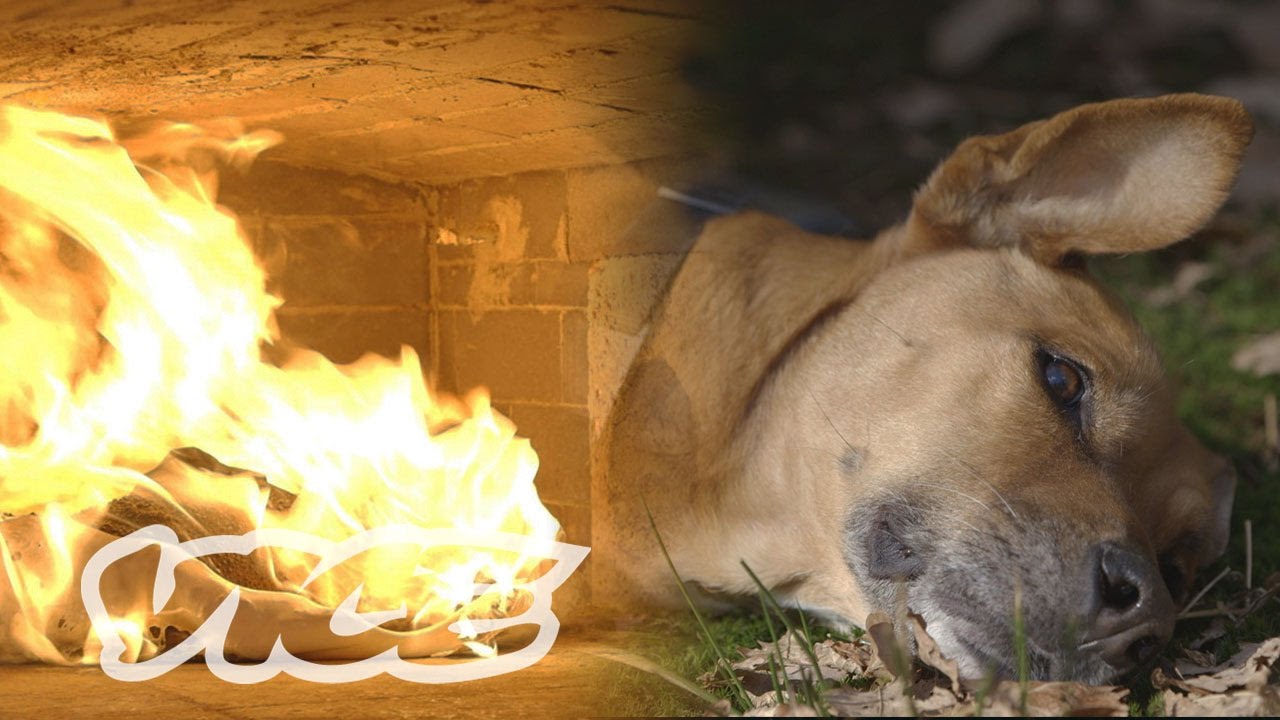
Image Source: i.ytimg.com
Deciphering Pet Cremation Options
When you seek cremation for deceased pets, you face choices. These choices often affect the cost and how the ashes are returned. Knowing your options helps you pick the best path for your dog.
Private vs. Communal Pet Cremation
The main choice revolves around privacy. Private vs communal pet cremation dictates how your dog is handled during the cremation.
Private Pet Cremation
In a private cremation, your dog is cremated alone. This ensures that only your dog’s remains are processed.
- Benefits: You receive all the ashes back. This is often important for owners who want certainty.
- Process: The crematory uses a dedicated furnace chamber for one pet at a time.
- Return of Remains: The ashes are returned to you in a chosen urn or container.
Communal Pet Cremation
Communal cremation means several pets are cremated at the same time.
- Benefits: This is usually the more affordable dog cremation choice.
- Process: Pets are placed together in the cremation chamber.
- Return of Remains: Ashes are not returned to the owner. Instead, the ashes are scattered or buried together by the service provider.
Partitioned Cremation (A Middle Ground)
Some services offer partitioned cremation. This is similar to private cremation but involves special barriers or staggering times to keep remains separate. Always ask the provider for clear details on their methods if you choose this route.
The Step-by-Step Pet Cremation Process
The overall journey, from your home to receiving your dog’s ashes, involves several clear steps. Providers of canine cremation services handle these details for you during a difficult time.
Step 1: Initial Contact and Collection
Once your veterinarian confirms the passing or you call a dedicated pet cremation service, the first step is arrangement.
- Contacting Services: You call the provider or discuss options with your vet clinic. Many vets work with trusted local cremation partners.
- Transportation: How is your dog taken to the facility?
- Home Pickup: Many dog afterlife options include picking up your pet from your home. This is often preferred for comfort.
- Veterinary Clinic Transfer: If your dog passes at the vet, the clinic often arranges transport to the crematorium.
Step 2: Paperwork and Authorization
Paperwork is essential for legal and respectful handling. You will sign authorization forms. These forms confirm:
- Your identity as the owner.
- The specific service chosen (private or communal).
- Instructions for the return of ashes (if applicable).
Step 3: Preparation for Cremation
Before entering the furnace, some minor preparation occurs. This usually involves removing any medical devices, such as collars or microchips (though microchips usually remain intact during the process, it’s good practice to confirm).
Step 4: The Cremation Itself
This is the core of the pet cremation process.
The Cremation Chamber
The cremator (a specialized furnace) reaches very high temperatures, often between 1,400 and 1,800 degrees Fahrenheit.
- Time Needed: The process duration depends on the size and weight of the dog. A small terrier might take an hour or two. A very large breed might take several hours.
- What Happens: The intense heat breaks down the body into coarse bone fragments and ash. Moisture evaporates first, followed by soft tissues.
Fathoming the Heat and Time
It is important for owners to grasp that this is a high-temperature process designed for complete transformation. The extreme heat ensures dignity and cleanliness.
Step 5: Processing the Remains
After cremation, the chamber is cooled. The operator collects the resulting material. This material is mostly bone fragments, as the soft tissue is completely consumed.
- Removal: The operator carefully removes the bone fragments.
- Processing: The fragments are placed into a specialized processor (often called an industrial cremulator). This machine gently reduces the fragments into the fine, sand-like texture we recognize as ashes.
Step 6: Returning the Ashes
If you selected private or partitioned cremation, this is when the ashes are prepared for you.
- Labeling: Strict protocols ensure that ashes are correctly labeled with the pet’s name and the owner’s information. This is crucial to maintain integrity after private vs communal pet cremation choices.
- Urn Selection: You choose an urn or container. Many canine cremation services offer a wide range of options, from simple temporary boxes to ornate keepsakes.
- Delivery: The ashes are returned, often via your veterinarian or directly to your home.
Factors Affecting Pet Cremation Cost
Pet cremation cost varies widely. Several factors influence the final price tag. Knowing these helps budget for the service.
| Factor | Impact on Cost | Notes |
|---|---|---|
| Pet Weight/Size | Higher cost for larger pets | Larger pets require more time and energy in the furnace. |
| Type of Service | Private is significantly higher | Communal is the cheapest option. |
| Urn/Keepsake Choice | Varies widely | Basic containers are inexpensive; custom urns add cost. |
| Add-on Services | Increases total cost | Home pickup, paw prints, or memorial items add fees. |
| Location | Regional differences | Costs fluctuate based on local market rates. |
If cost is a major concern, asking specifically about affordable dog cremation packages can reveal lower-cost options, such as communal scattering services.
Memorializing a Dog After Cremation
Receiving the ashes is often the beginning of the next phase: remembrance. Memorializing a dog after cremation helps owners grieve and honor their bond. There are many ways to cherish the memory.
Selecting an Urn
The urn holds the physical remains and serves as a central memorial piece.
- Material: Options include wood, ceramic, metal, or biodegradable materials (for burial).
- Size: Ensure the urn is appropriately sized for the volume of ashes your dog produces.
Creative Uses for Ashes
Many owners choose creative or permanent ways to incorporate the remains into their daily lives.
- Keepsakes: Small lockets, jewelry containing a tiny amount of ash, or glass art infused with the remains are popular.
- Scattering: Some owners choose to scatter the ashes in a meaningful location, like a favorite park or hiking trail. Always check local ordinances before scattering ashes on public or private land.
- Planting: Biodegradable urns allow you to plant a tree or garden over the remains, creating a living memorial.
Scheduling Pet Cremation
When arranging services, scheduling pet cremation smoothly is important.
- Immediate Need: If your dog passes at home, you will need to call a service immediately. They are prepared for after-hours calls.
- Pre-Planning: Some people choose to pre-pay for services. This locks in the pet cremation cost now and removes the decision-making burden during acute grief.
Fathoming the Aftercare Process
After the cremation, the focus shifts entirely to you and your family. This period requires self-care and gentle handling of the physical remains.
Common Questions About Ashes
Owners often have questions about what the ashes truly represent.
How much ash will I receive?
The amount of ash varies based on the dog’s size, bone density, and age. Generally, you receive about 3% to 5% of the dog’s original weight in ash. A 50-pound dog might yield one or two standard-sized urns worth of material.
Are all the ashes really my dog’s?
If you opted for private cremation, yes. Reputable providers maintain strict chain-of-custody procedures to prevent commingling. When scheduling pet cremation, always confirm their cleanliness protocols between private services.
Can I bury the urn?
Yes, most urns can be buried. However, you must check local municipal rules regarding pet burial depths and locations, especially if you plan to bury it on your own property.
The Grief Journey
Grieving a pet is real grief. The physical disposition of the body is a significant step in that process.
- Acknowledge the Loss: Do not rush the grieving process.
- Memorialize: Creating a physical memorial, whether through an urn display or a garden, aids in acceptance.
- Seek Support: Utilizing support groups specializing in pet loss can be very helpful when navigating dog afterlife options.
Choosing a Reputable Cremation Provider
Selecting the right service provider is vital for peace of mind. You are entrusting them with the final care of a family member.
Vetting Canine Cremation Services
Look for transparency and certification when choosing a provider.
- Accreditation: Are they members of recognized industry associations (like the International Association for Animal Hospice and Palliative Care or the Pet Loss Professionals International)?
- Facility Tour: The best providers welcome tours (or virtual tours) so you can see the facilities and the cremation chambers. This builds trust, especially concerning private vs communal pet cremation.
- Clear Pricing: Any good affordable dog cremation provider will give you a detailed, itemized estimate upfront, so there are no hidden fees after the fact.
Questions to Ask Before Committing
When discussing cremation for deceased pets, ask these direct questions:
- How do you ensure separation during private vs communal pet cremation?
- What is the standard turnaround time for returning ashes?
- What is included in the base pet cremation cost?
- Do you offer home pickup, and what is that fee?
- What do you do with the ashes if they are not claimed after a certain period? (A good provider should have a clear policy).
Exploring Alternatives to Cremation
While cremation is a leading choice among dog afterlife options, other dignified methods exist.
Burial Services
Traditional burial involves interring the dog’s body in a pet cemetery or on private property (where permitted).
- Pet Cemeteries: These offer plots, headstones, and perpetual care, much like human cemeteries.
- Home Burial: This is often the most affordable dog cremation alternative, provided local zoning laws allow it. Ensure you bury the pet deep enough (usually 3-4 feet) to prevent wildlife disturbance.
Aquamation (Alkaline Hydrolysis)
Sometimes called “water cremation,” this is an emerging, eco-friendlier option.
- The Process: The body is placed in a pressurized chamber filled with water and a strong alkaline solution (like lye). Heat speeds up the natural decomposition process.
- Result: It leaves behind sterile liquid effluent and bone remains, similar to flame cremation. It uses less energy than traditional fire.
Final Thoughts on Honoring Your Dog
The decision of what is pet cremation and how to proceed after your dog’s passing is deeply personal. Whether you choose a simple, affordable dog cremation or a fully private ceremony with keepsakes, the goal is the same: to honor the unconditional love your pet gave you.
The pet cremation process is designed to be respectful and straightforward, allowing you to focus on memorializing a dog after cremation in a way that feels right for your family. By taking the time to research canine cremation services and ask detailed questions about the procedure, you ensure your companion receives the best final care possible.
Frequently Asked Questions (FAQ) About Dog Cremation
Is cremation more expensive than burial?
Generally, cremation can be comparable to or slightly more expensive than a simple home burial, but often less expensive than burial in a dedicated pet cemetery plot with a full headstone. The final pet cremation cost heavily depends on whether you choose private or communal service.
Can I watch the cremation?
Few facilities allow owners to watch the actual cremation due to safety regulations and the intense heat involved. However, some specialized services might offer a viewing area before the body is moved to the retort chamber, particularly for those opting for private vs communal pet cremation.
What happens to non-bone material after cremation?
In flame cremation, the high heat completely reduces all organic material—flesh, fur, and fluids—into harmless gases and water vapor. Only bone material remains to be processed into the fine ash.
How long does it take to get the ashes back?
Turnaround times vary significantly among canine cremation services. Standard private cremation usually takes 10 to 14 days. Some rush services are available for an extra fee. Always confirm the expected timeline when scheduling pet cremation.
Are microchips removed before cremation?
Microchips are usually left in place. They are made of glass and metal and will not be destroyed by the cremation process. They will remain with the bone fragments and be ground down during the processing stage.
Is communal cremation respectful?
Respect is subjective. Many find communal cremation perfectly respectful, especially if they choose not to keep the ashes. It is a loving way to handle remains affordably. If keeping ashes is important, private cremation is necessary.