
If your dog is peeing on his bed, it usually means there is a health problem, a training issue, or the dog is feeling stressed or anxious. This problem needs quick attention to fix the mess and help your pet feel better.
Peeing where a dog sleeps is a tough problem for owners. It smells bad. It ruins soft things. Most importantly, it tells you something is wrong with your dog. We will look at all the reasons dog peeing on bed causes. We will give you clear steps to stop it.
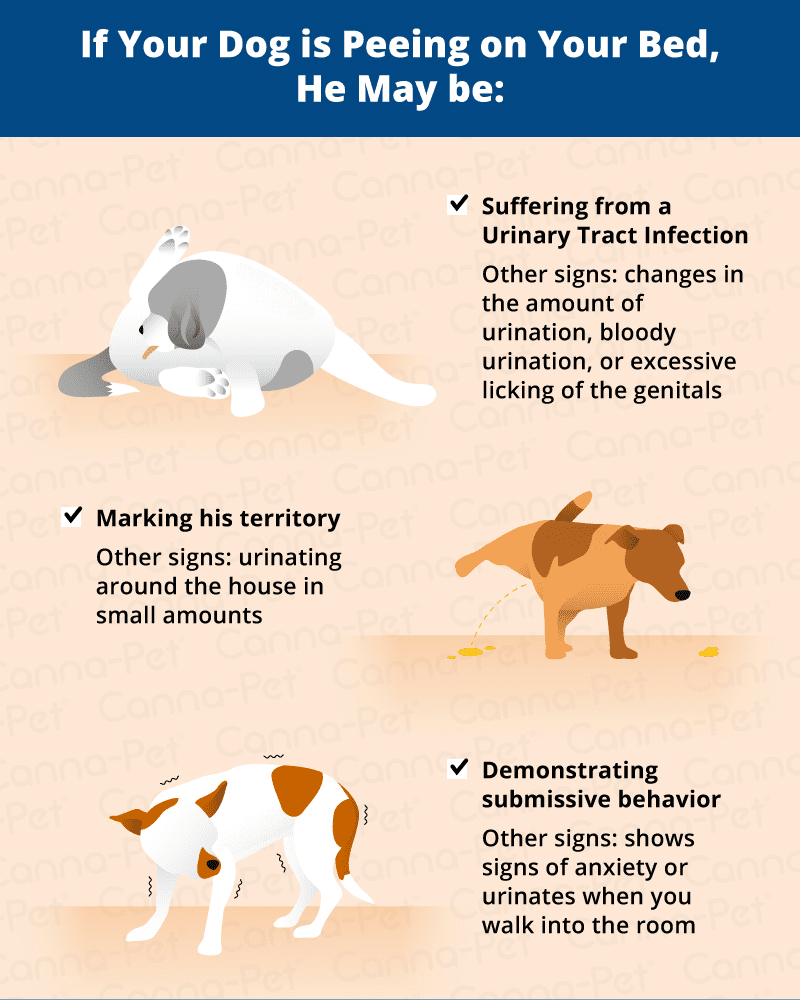
Image Source: cdn-ilbfemn.nitrocdn.com
Deciphering Health Problems Behind Bed Soiling
When a dog suddenly starts peeing where it rests, the first thing to check is health. Sickness often causes accidents. Your dog might not be able to hold its pee. Or it might not know it is peeing until it is too late.
Common Medical Reasons
Many dog medical issues causing bed peeing exist. These problems affect the bladder, kidneys, or overall body control.
- Urinary Tract Infections (UTIs): Bacteria irritate the bladder. This makes the dog feel like it needs to go all the time. It might not make it outside in time. It might leak while resting.
- Kidney Disease: Sick kidneys cannot concentrate urine well. This means the dog drinks more water. It makes more pee. The dog might leak while sleeping because there is too much volume.
- Bladder Stones or Tumors: Growths or stones block the flow of urine. They also cause irritation and sudden urges to empty the bladder.
- Diabetes: Dogs with diabetes drink a lot. This leads to excessive urination (polyuria). They cannot control the flow.
- Incontinence (Loss of Control): This is very common in older dogs. Weak bladder muscles mean pee leaks out, especially when the dog is relaxed or sleeping deeply.
If you see leaks often, especially if your house-trained dog never did this before, see your vet right away. A simple urine test can check for infections or sugar levels.
Examining Behavior and Training Roots
If the vet gives your dog a clean bill of health, the issue is likely in behavior or training. Accidents on the bed often point to stress or incomplete learning.
House Training Regression on Dog Bed
For young dogs or newly adopted dogs, peeing on soft things is a sign of failure in training. This is called house training regression dog bed issues.
- Small Bladders: Puppies simply cannot hold it for long hours. If left too long, they will have an accident.
- Bedding as a Toilet: Dogs like soft spots. If they pee once and it smells like pee, they might go there again. The scent signals “bathroom” to them.
- Crate Issues: If you use a crate, sometimes puppy urinating in crate happens. This means the crate is too big. The puppy makes a toilet area away from its sleeping spot. Or, the crate time is too long for the puppy to hold its pee.
Anxiety and Stress Lead to Accidents
Dogs often pee when they feel scared or worried. This is not disobedience; it is an emotional release.
- Separation Anxiety: When left alone, a dog might soil its favorite spot—the bed—as a way to cope or because the stress causes physical leakage.
- Excitement: Some dogs pee a little bit when overly happy or greeting people. If the bed is the first soft place they land, it can get wet.
- Submissive Urination: A dog might pee slightly when feeling nervous around a person or another dog. If they lie down in a nervous state, they might leak.
Why Does Dog Squats on Bedding?
You might notice why dog squats on bedding instead of just leaking. Squatting is a deliberate posture for urination. This usually suggests the dog is trying to pee, not just leaking due to medical issues.
- Marking Territory: Intact (not neutered) males often lift a leg to mark. However, some dogs squat and pee small amounts to mark territory, even on soft items like blankets or beds.
- Comfortable Posture: If the dog feels safe in its bed, it might relax enough to assume its normal potty posture there, especially if it was woken suddenly or felt the need to go immediately upon lying down.
- Fear or Submission: As mentioned, a low squat can accompany submissive behavior. The dog feels threatened or overly excited and relieves itself low to the ground.
Addressing the Sleep Connection: Dog Pees When Sleeping
One of the most distressing issues is when dog pees when sleeping. This points strongly toward medical causes or deep-seated issues.
If your dog is an adult and suddenly pees while fully asleep, investigate these areas first:
- Deep Sleep Relaxation: During very deep sleep (REM), some dogs lose muscle control temporarily. This is more common in very old dogs or certain breeds.
- Nocturnal Frequency: If the dog drinks too much water late in the evening, they may physically fill their bladder beyond what they can hold during the night.
- Medical Overload: If a UTI is severe, the constant pressure can cause leakage during any period of relaxation, including sleep.
Practical Steps to Stop Bed Soiling
Stopping this behavior requires a multi-pronged attack: medical checks, environmental changes, and training adjustments.
Step 1: Veterinary Visit and Treatment
This must come first. Rule out all health issues. Once the vet confirms your dog is healthy, you can focus on training and behavior.
Step 2: Managing the Sleeping Area
If the dog has access to a soft bed, and that bed is now a “toilet,” you must remove the temptation immediately.
- Remove the Bed: Take the dog’s favorite soft bed away for a period. This breaks the association between the bed and peeing.
- Use Hard Surfaces: For now, use hard-sided crates or very simple, easy-to-wash bedding (like a thin rubber mat or old towel) that holds less scent.
- Change Location: Move the sleeping spot to an easy-to-clean area, like a laundry room or kitchen, temporarily.
Step 3: Cleaning Thoroughly is Essential
If you don’t remove the smell, your dog will return to the spot. Standard soap doesn’t work on urine. You need specialized cleaners. This is key for cleaning dog urine smell from dog bed.
The Power of Enzymes:
Enzymatic cleaners break down the uric acid crystals in urine. These crystals are what cause the long-lasting, strong smell that dogs can detect easily.
Cleaning Guide:
- Remove Solids/Excess Liquid: Blot up as much pee as possible with old towels. Press hard. Do not rub.
- Saturate the Area: Pour the enzymatic cleaner generously onto the spot. Let it sit according to the product directions (often 10-15 minutes). The cleaner needs time to reach the deepest layers of the padding.
- Rinse and Dry: Blot the area again. If possible, rinse the area with clean water and blot dry thoroughly. Sun drying is best as UV rays help kill bacteria.
- Washing Bed Covers: Always wash soft covers in the washing machine using an enzymatic laundry additive along with your regular detergent. Use the hottest water the fabric allows.
Step 4: Adjusting Potty Schedules
If your dog is house-training or regressing, you need to be stricter about potty breaks. This is crucial for how to stop dog from peeing on blankets.
- Scheduled Outings: Take your dog out first thing in the morning. Last thing before bed. After waking from naps. After playing. And about 15-20 minutes after eating or drinking.
- Supervised Time: Keep your dog close when inside. If you see signs your dog is about to pee (sniffing the ground, circling, moving toward the bedroom), interrupt gently and rush them outside.
- Reward Success: When they potty outside, give immediate, high-value rewards (a favorite treat, excited praise). Make outside the best place to pee.
Step 5: Behavior Modification for Bed Soiling
For anxiety or marking behaviors, you need specific training. This involves behavior modification for dog bed soiling.
Counter-Conditioning the Bed
You must change how the dog feels about the bed. It should mean rest, not bathroom time.
- Make the Bed Boring: If the dog is anxious, don’t let them sleep in the bed unsupervised for a while. Place high-value chews (like a frozen Kong) only when they are on their normal bed or mat. This builds a positive link.
- Supervision: When you reintroduce the bed, supervise closely. If the dog lies down, reward them for staying dry.
- Crate Training Review: If the issue stems from the crate, ensure the crate is appropriately sized—just big enough to stand up, turn around, and lie down comfortably. If it is too big, the dog will use one corner as a toilet.
Addressing Anxiety
If stress is the driver, management is key.
- Safe Space: Ensure the dog has a quiet, safe place away from high traffic or sudden noises.
- Calming Aids: Talk to your vet about calming supplements, pheromone diffusers (like Adaptil), or anxiety vests if general stress is high.
- Exercise: Ensure your dog gets enough physical exercise and mental stimulation daily. A tired dog is less likely to be anxious or destructive.
Special Considerations for Puppies and Seniors
The approach changes based on your dog’s age.
Puppy Urinating in Crate and Beds
Puppies lack full bladder control. They need frequent trips out. If you find puppy urinating in crate, it often signals one of three things:
- The crate is far too large.
- The puppy was left too long (more than 2-3 hours, depending on age).
- The puppy is sick (UTI or diarrhea).
Solution: Make the crate the right size. Set an alarm to wake up during the night to take the puppy out until they are reliably dry for 6-8 hours straight.
Managing Senior Dog Incontinence
When older dogs start treating accidental urination dog bed incidents, it’s often medical (incontinence).
- Vet Consultation: Discuss medications that can help tighten bladder muscles (like Phenylpropanolamine or hormone therapy for spayed females).
- Pads and Diapers: Use dog diapers or pee pads placed on their favorite resting spots if medication isn’t immediately effective.
- Easier Access: Make sure the dog can get outside easily, especially at night. If they struggle with stairs, consider a ramp or take them out more frequently.
Table Summarizing Causes and Primary Solutions
| Root Cause Category | Specific Reason | Key Action to Take |
|---|---|---|
| Medical | UTI, Kidney Issues, Diabetes | Immediate Vet Visit and Medical Treatment |
| Behavioral | Anxiety/Stress | Increase routine, use calming aids, ensure safe space |
| Training | Regression, Lack of Potty Breaks | Strict potty schedule, heavy reward for outdoor success |
| Environmental | Strong Residual Scent | Deep clean the bed with enzymatic cleaner |
| Age-Related | Muscle Weakness (Seniors) | Consult vet about medication; use protective bedding |
Interpreting Your Dog’s Signals
Paying close attention to when the accident happens helps pinpoint the reason.
| Timing of Accident | Likely Primary Cause |
|---|---|
| Right after waking up | Normal elimination, or bladder too full overnight |
| While you are gone | Separation anxiety or extreme fear |
| When excited guests arrive | Excitement or submissive urination |
| During deep sleep (no waking movement) | Medical incontinence or very deep sleep relaxation |
| Repeatedly in the same spot | Scent marking or established bad habit |
By carefully observing the circumstances, you move closer to solving the mystery of why dog pees on his bed. It is almost always solvable with patience and consistency. Never punish your dog for an accident on the bed. Punishment only increases anxiety, making the soiling worse.
Frequently Asked Questions (FAQ)
Can I train an older dog not to pee on its bed?
Yes, you can often improve the situation. First, rule out medical reasons with a vet. If the dog is medically sound, treat it like a house-training regression. Restrict access to the bed temporarily. Clean thoroughly. Establish a very strict schedule where you take the dog out every hour or two and heavily reward success outside. Consistency is vital for older dogs.
How long should I remove the dog’s bed?
If the peeing is a severe, recurring issue, remove the soft, absorbent bed entirely for one to two weeks. Replace it with a non-absorbent surface or a very thin mat that is easy to wash completely daily. Once you see several weeks of dryness, slowly reintroduce the main bed, but supervise closely at first.
What if my dog pees on my blanket but not its own bed?
This suggests the scent of you is involved. It could be marking behavior linked to separation anxiety (claiming your scent) or submissive behavior directed toward you when you are present but absent (like when you leave the room). Focus behavior modification on building confidence when you are near but not interacting, and ensure your own bedding is cleaned with enzymatic cleaners immediately.
Are certain breeds more prone to bed peeing?
While any dog can have this issue, smaller breeds sometimes have smaller bladders and may struggle more with holding it overnight if they are young. Dogs prone to anxiety may also be more likely to soil areas associated with comfort, like beds, when stressed.
What is the fastest way to clean dog urine smell from dog bed stuffing?
The fastest, most effective way involves professional-grade enzymatic cleaner. If the stuffing is removable, soak the cover in an enzymatic laundry booster. For thick foam stuffing, you might need to saturate the entire area (ensure it’s safe for the foam) with the cleaner, allow it to soak for a long time (following product directions), and then use a wet/dry vacuum (shop vac) to extract the cleaner and the urine deep within the foam before thorough air drying.