
The maximum time dog alone varies greatly based on the dog’s age, health, training, and access to resources, but generally, adult dogs should not be left alone for more than four to eight hours, while puppies require much shorter durations. Determining the safe time to leave dog companions requires careful thought about their basic needs and emotional well-being.
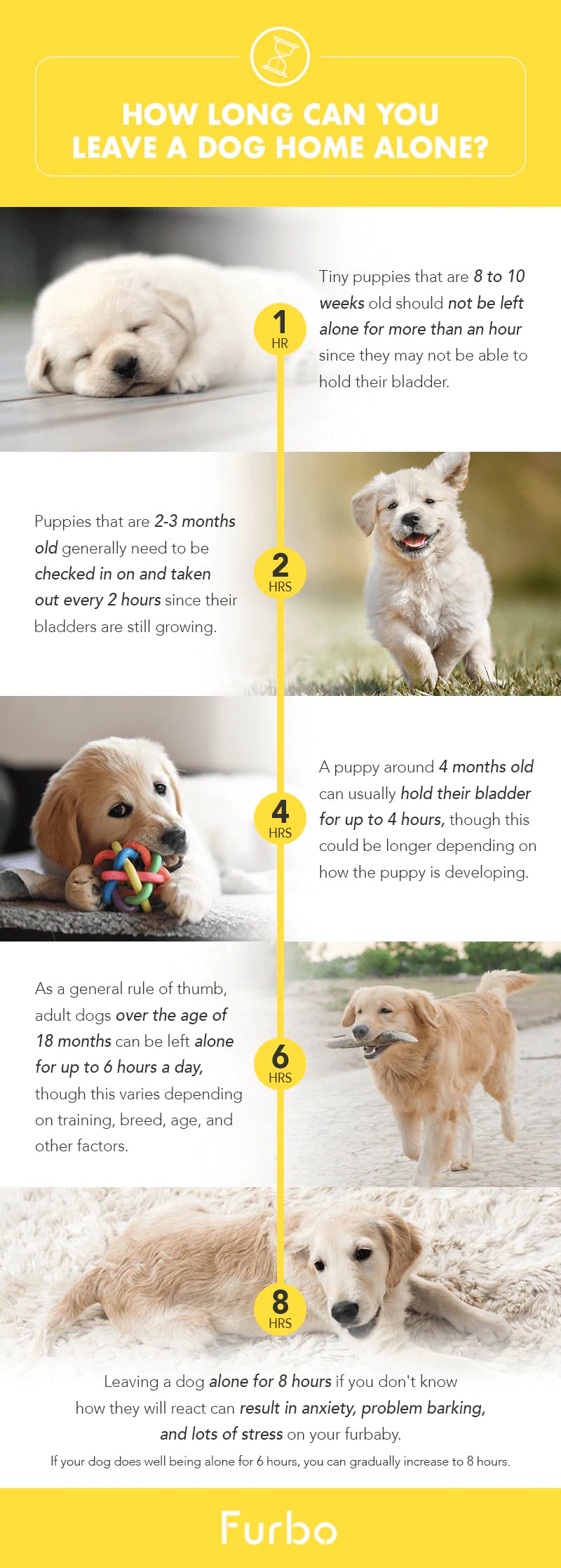
Image Source: images.prismic.io
Deciphering Safe Limits for Your Dog
Figuring out how long is too long for a dog to be solo is one of the biggest worries for dog owners. We all have lives that pull us away from home, but our pets rely on us for food, water, potty breaks, and companionship. Setting realistic time limits is crucial for their health and happiness.
Age Matters: Puppy Alone Time Limit vs. Adult Dog
A dog’s age drastically changes how long they can manage being by themselves. Puppies are very different from older dogs.
Puppy Alone Time Limit
Young puppies have tiny bladders and need frequent attention. They are also in a critical socialization period.
- Very Young Puppies (Under 10 weeks): These babies should rarely be left alone for more than one to three hours. They need potty breaks every hour or two.
- Older Puppies (10 weeks to 6 months): As they grow, their bladder capacity improves. You might stretch this to three or four hours, but never consistently. They need mental stimulation often.
Leaving a puppy alone for too long can lead to accidents, stress, and even negative behavioral issues. It hinders their house-training progress quickly.
Adult Dog Alone Duration
For healthy adult dogs, the time frame expands, but limits still exist. This is where discussions about the dog alone duration become most relevant for working professionals.
| Dog Age Group | Recommended Maximum Time Alone | Key Considerations |
| :— | :— | :Dog Bladder Capacity Alone |
| Puppy (Under 6 months) | 2 – 4 hours | Needs frequent potty breaks. |
| Young Adult (6 months – 7 years) | 4 – 8 hours | Needs exercise and mental breaks. |
| Senior Dog (7+ years) | 2 – 6 hours | May have health issues or need more frequent potty breaks. |
Most experts agree that eight hours is the absolute upper limit for a healthy adult dog on a regular basis. If you need to be away longer than this, arrangements must be made.
Senior Dog Needs
Older dogs often need more frequent bathroom breaks due to health changes or reduced kidney function. They might also become confused or lonely faster. For seniors, shorter dog alone duration is usually better.
Bladder Capacity Alone: A Major Factor
A primary physical constraint on how long is too long for dog alone is their bladder. Dogs naturally want to hold their urine, but there are limits.
Grasping Dog Bladder Capacity Alone helps set safe boundaries. While a dog might physically be able to hold it for ten hours, forcing them to do so regularly is unkind and unhealthy. It can lead to urinary tract issues over time. Always aim well under their physical limit.
Emotional Needs: Combatting Leaving Dog Alone Anxiety
Physical needs are only half the battle. Dogs are social pack animals. Being alone for extended periods can cause emotional distress. This is often referred to as leaving dog alone anxiety or dog separation anxiety.
Recognizing Signs of Distress
If you are gone too long, your dog might show signs they were stressed while you were away. Look for these clues when you return:
- Excessive drooling or panting upon your return.
- Destructive chewing focused on exit points (doors, windows).
- Inappropriate urination or defecation (even if house-trained).
- Constant barking or howling recorded on a pet camera.
- Pacing or frantic behavior right before you leave.
These signs point toward underlying dog separation anxiety. This is more than just missing you; it’s a genuine panic state.
What is Dog Separation Anxiety?
Dog separation anxiety is a genuine psychological condition. It happens when a dog becomes overly distressed when separated from the people they are attached to. It’s not bad behavior; it’s a panic response.
If you suspect your dog has severe anxiety, consult your veterinarian or a certified behaviorist. Medication or specialized behavior modification plans might be needed alongside shorter dog alone duration.
Preparing for Care While at Work
For most people, caring for dog while at work means being away for 8 to 10 hours daily. This is often too long without a break. To manage this safely, you need a plan.
Midday Breaks and Check-ins
The best solution for full workdays is breaking up the time the dog is alone.
- Hiring a Dog Walker: A midday visit from a trusted dog walker can provide a potty break, some exercise, and crucial social interaction. This resets the clock for the second half of the day.
- Doggy Daycare: If your dog enjoys being around other dogs and people, daycare one or two days a week can offer great socialization and break up long stretches at home.
- Friends or Family: If you have a neighbor who works from home or a relative nearby, ask if they can pop in for a quick 20-minute check.
Creating a Dog-Friendly Safe Space
When you leave, make sure your dog has a comfortable, safe zone. This should not be an area associated with punishment.
- Enrichment Toys: Provide high-value, long-lasting chews or puzzle toys that only come out when you leave. This changes the association from “owner leaving = panic” to “owner leaving = special treat time.” Frozen Kongs work well.
- Comfort Items: Leave out familiar blankets or a shirt that smells like you. Familiar scents can be calming.
- Background Noise: Leave the TV or radio on low volume. Calming music designed for dogs or even talk radio can mask outside noises that might trigger barking or anxiety.
Addressing Specific Scenarios
Some situations push the boundaries of the safe time to leave dog alone, requiring special attention.
Can I Leave My Dog Alone Overnight?
The short answer is generally no, especially not regularly. Leaving a dog dog alone overnight poses significant risks.
- Potty Needs: Most dogs cannot comfortably hold their bladder for 12+ hours. This forces them to soil their crate or sleeping area, which is stressful for them and unsanitary.
- Safety: If there is an emergency (a medical issue, fire, or break-in), there is no one there to help the dog.
- Fear and Distress: Long, dark stretches alone can trigger severe anxiety, especially in dogs prone to leaving dog alone anxiety.
If you must be away overnight, dog sitting in your home or boarding at a reputable facility is the only responsible choice.
Traveling with Dogs: Alternatives to Leaving Them Alone
If you travel for work or vacation, consider these options instead of pushing the maximum time dog alone:
- Pet Sitters: A sitter stays in your home, maintaining the dog’s routine.
- Boarding Kennels: Professional facilities provide supervision and care.
- Traveling Together: If possible, bring your dog along!
Training: Reducing Anxiety Over Time
If you need to gradually increase the dog alone duration, you must use slow, positive reinforcement training. This helps build confidence and reduces dog separation anxiety.
Desensitization Steps
This process teaches your dog that your departure cues do not always mean abandonment.
- Practice Departure Cues: Pick up your keys, put on your jacket, or stand by the door—but don’t leave. Do this several times a day until the dog stops reacting strongly to these actions.
- Short Departures: Step just outside the door for 10 seconds. Return before the dog shows signs of distress. Reward calmness immediately upon return.
- Gradual Increase: Slowly extend the time by a few seconds each session. If the dog panics, you moved too fast. Go back to the last successful time interval.
- Vary the Duration: Do not always increase the time linearly. Go from 5 minutes to 15 minutes, then back to 8 minutes, then jump to 20 minutes. This prevents them from predicting the exact moment they might panic.
This training is key to finding your personal safe time to leave dog when you are gone for work.
Interpreting Cues for Early Return
If you are working from home but need to step out briefly, use your knowledge of your dog’s needs. If your dog is exhibiting signs of needing a break (pacing, whining), return immediately. Pushing past their comfort level reinforces anxiety.
Factors Influencing Safe Time Limits
Several variables beyond age influence how long a dog tolerates being solo.
Breed and Energy Levels
High-energy working breeds (like Border Collies or Retrievers) need significant mental and physical stimulation. Leaving them alone for eight hours without a break will almost certainly result in destructive behavior rooted in boredom and pent-up energy, not just anxiety. They require more frequent check-ins.
Conversely, lower-energy breeds might cope slightly better with slightly longer periods, though physical needs (like potty breaks) remain constant.
Health and Medications
A dog with a medical condition (like diabetes, a heart condition, or incontinence) absolutely cannot be left for long periods. Their health needs override standard guidelines. Always consult your vet when determining the maximum time dog alone for a sick or senior dog.
Environment and Safety
Is your home secure? Is the area where the dog stays totally safe? If you leave your dog crated, ensure the crate size allows them to stand up, turn around, and lie down comfortably. Never leave a dog unattended in a car, even for a few minutes.
The Role of Technology in Managing Long Absences
Modern technology offers excellent tools for caring for dog while at work and monitoring their well-being.
- Pet Cameras: These let you watch your dog in real-time. Some even allow two-way audio, so you can speak calmly to your dog if you hear them whining. This helps you gauge their stress level remotely.
- Automatic Feeders and Water Dispensers: While not a substitute for fresh water, these can ensure food availability if you are delayed unexpectedly.
- Smart Locks/Remote Access: If you use a dog walker, technology allows you to grant temporary access remotely, ensuring the walker gets in and out securely without you having to rush home.
Synthesizing Your Dog’s Ideal Alone Time
To establish your dog’s personal safe limit, combine physical needs with emotional observations.
The Golden Rule Application:
- Determine Potty Needs: How many hours can your dog safely hold it? Subtract one hour for a safety buffer. This is your absolute maximum physical limit.
- Assess Emotional Tolerance: Use training and observation. If your dog shows mild stress at four hours, then four hours is the emotional limit, even if their bladder can hold longer.
- Aim for the Middle Ground: Your true safe time to leave dog is the shorter of the two times calculated above.
For the majority of dogs, this means aiming for visits every 4 to 6 hours if the absence extends past 6 hours.
FAQ Section
What is the absolute longest you can leave any dog alone?
For a healthy adult dog with appropriate resources, the absolute longest recommended time is generally 8 to 10 hours, but this should be the rare exception, not the rule. Anything beyond 8 hours demands a break from a sitter or walker.
Can I leave my dog alone for 12 hours regularly?
No. Leaving a dog alone for 12 hours regularly is considered too long. It strains their bladder capacity, increases the risk of accidents, and heightens the chances of developing behavioral issues related to loneliness or anxiety.
How can I stop my dog from barking when I leave?
Excessive barking is often a symptom of dog separation anxiety or boredom. First, address the root cause through training and enrichment. Use white noise or calming music. If barking continues despite short practice departures, consult a trainer to address the underlying anxiety.
Does routine help reduce leaving dog alone anxiety?
Yes, routine is vital. Dogs thrive on predictability. Keep feeding times, walk times, and departure/arrival times as consistent as possible. A predictable routine signals stability, which can reduce background stress levels.
How do I know if my dog is struggling when I leave?
Look for physical signs like excessive drooling, pacing, or immediate frantic behavior upon your return. If you use a pet camera and see constant pacing, whining, or attempts to escape their confinement, they are struggling.
Are some dog breeds better equipped to be left alone?
Some breeds, particularly those bred for solitary work (like certain sight hounds or guard breeds), might tolerate isolation slightly better than highly social, dependent breeds (like many herding dogs). However, personality and individual training matter more than breed stereotype. Every dog needs social interaction.