
If your dog is sneezing a lot, it usually means something is irritating its nose. Dog sneezing excessively can stem from simple things like dust or more serious problems like infections or something stuck inside.
When a dog has a sudden burst of sneezes, we call that dog sneezing fits. These fits can be scary for owners, but most of the time, they are not an emergency. However, knowing when to worry is key. When is dog sneezing serious? Sneezing becomes serious if it lasts a long time, causes bleeding, or is joined by other bad signs like trouble breathing.
This guide will help you figure out why your dog keeps sneezing. We will look at common reasons, serious threats, and what you can do at home.
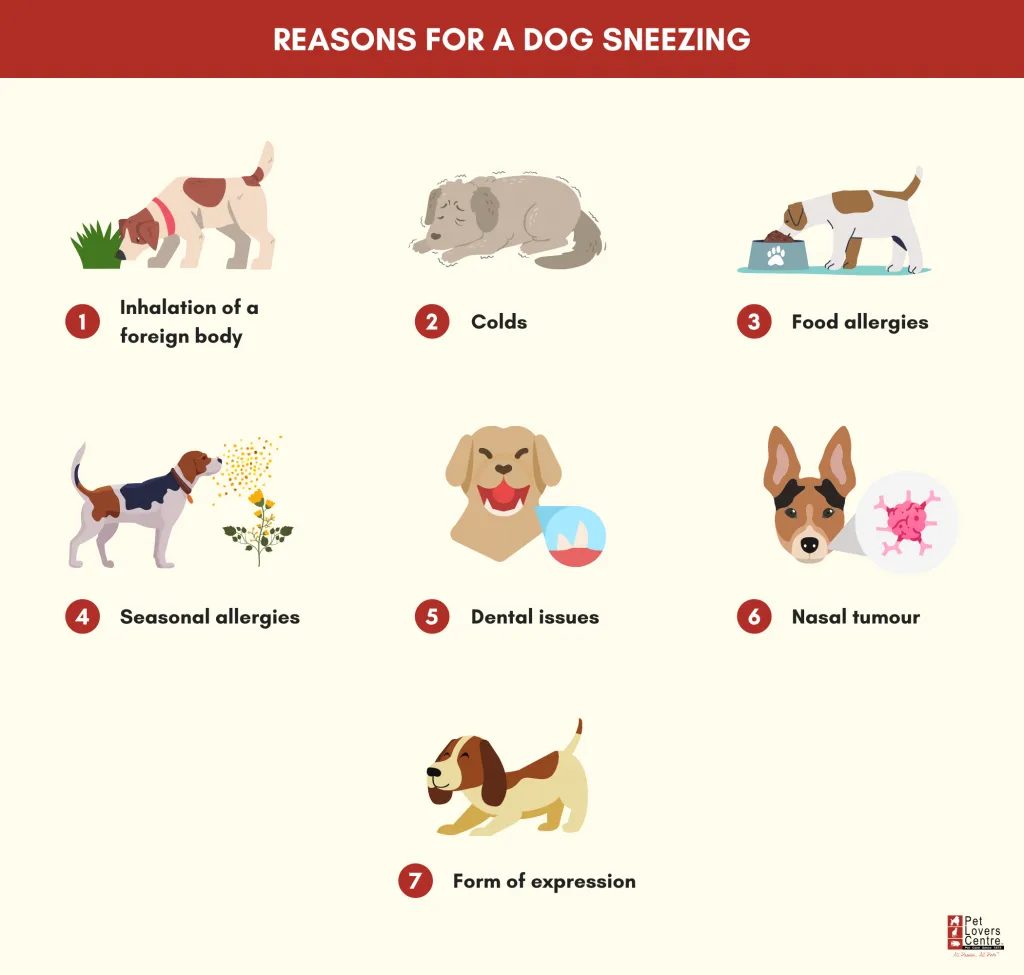
Image Source: blog.petloverscentre.com
Simple Irritations: The Most Common Sneezing Triggers
Often, the cause of your dog’s sneezing is quite plain. Their noses are very sensitive.
Dust, Pollen, and Household Items
Just like people, dogs react to things in the air.
- Dust: Old carpets, dusty corners, or cleaning the house can kick up dust that bothers your dog’s nose.
- Perfumes and Sprays: Strong smells from air fresheners, cleaning sprays, or even your own perfume can irritate the delicate lining of your dog’s nose.
- Smoke: Cigarette smoke or smoke from a fireplace is a major irritant.
- Pollen: If your dog spends a lot of time outside, pollen can lead to dog allergies causing sneezing. This is often seasonal.
Grass and Lawn Chemicals
Walking your dog outside exposes them to many things.
- Mowed grass can tickle the nose.
- Weed killers or fertilizers used on lawns might linger on your dog’s paws or coat and get sniffed up later.
Deep Dive into Health Issues: When Sneezing Signals Illness
If the sneezing does not stop after removing irritants, a health problem might be the root cause.
Infections: Bacterial, Viral, or Fungal
Infections are a leading reason for persistent sneezing.
Kennel Cough (Infectious Tracheobronchitis)
This is a very common, fast-spreading respiratory illness. While it often causes a harsh, honking cough, sneezing often comes with it.
- It is highly contagious.
- Dogs often feel otherwise okay, just a bit rough.
Bacterial or Fungal Infections
If the problem lingers for weeks, infection might be deeper.
- Fungal infections, like Aspergillosis, are serious. They often start after inhaling fungal spores, often found in soil or decaying matter.
- This type of infection can be hard to treat and needs specific anti-fungal drugs from the vet.
Foreign Objects Stuck in the Nose
This is a very common cause of sudden, intense dog sneezing fits, especially in outdoor dogs or puppies.
What Can Get Stuck?
Dogs love to sniff the ground. Their curiosity can lead to trouble.
- Grass Awns (Foxtails): These barbed seeds are notorious for burrowing deep into the nasal passages. They cause sudden, violent sneezing as the dog tries to expel them.
- Small Twigs or Seeds: Anything small enough to be inhaled can cause irritation.
When a foreign object in dog’s nose is present, you usually see sudden, intense sneezing, often favoring one side of the nose. The dog may paw desperately at its face. This needs quick vet attention.
Dental Disease Issues
This might sound strange, but the roots of your dog’s upper teeth are very close to their nasal passages.
- If a tooth becomes infected or abscessed, the infection can break through the thin bone separating the mouth and the nose.
- This causes chronic irritation and often leads to dog nasal discharge and sneezing, sometimes only from one nostril.
Nasal Tumors (Cancer)
While rare, especially in younger dogs, persistent, one-sided sneezing in older dogs must be checked for tumors.
- Tumors grow slowly, blocking airflow and causing irritation.
- Signs often include thick, bloody discharge from one nostril, worsening congestion, and persistent sneezing.
Differentiating Sneezing from Other Noises
Sometimes what sounds like sneezing is actually something else. It is important to tell the difference.
Dog Sneezing and Reverse Sneezing
Reverse sneezing is often mistaken for a regular sneeze or even choking.
- Normal Sneeze: Air forced out rapidly through the nose to clear an irritant. It sounds like a sharp “ACHOO!”
- Reverse Sneeze (Paroxysmal Respiration): Air is rapidly sucked in through the nose. It sounds like loud snorting, snuffling, or gasping sounds.
Reverse sneezing happens when the throat irritates the soft palate. While scary, it is usually harmless. It often happens after excitement, eating too fast, or environmental changes. It typically stops on its own within a minute.
Dog Wheezing and Sneezing
If you hear dog wheezing and sneezing, this suggests that the irritation or disease is affecting the lower airways (the lungs or bronchi), not just the nose.
- Wheezing is a whistling sound when breathing out.
- This pairing often points toward asthma, severe allergies affecting the lungs, or bronchitis. This warrants immediate veterinary care.
The Look of the Discharge: Interpreting Nasal Symptoms
What comes out of your dog’s nose tells a story.
| Discharge Type | Common Causes | Urgency Level |
|---|---|---|
| Clear and Watery | Allergies, mild irritants, early stages of cold | Low to Medium |
| Thick, White, or Yellow Mucus | Bacterial infection, chronic irritation | Medium |
| Bloody or Pinkish Mucus | Foreign body, severe trauma, tumor, clotting issue | High |
| Greenish/Foul Smelling | Severe fungal or bacterial infection | High |
If you see dog nasal discharge and sneezing that is thick, colored, or bloody, schedule a vet visit right away.
When is Dog Sneezing Serious? Red Flags for Owners
Most sneezing is temporary. But how do you know when to rush to the emergency vet? Use this list of red flags.
- Persistent Bleeding: Any continuous or heavy nosebleed.
- Breathing Trouble: If sneezing is accompanied by gasping, open-mouth breathing, or dog wheezing and sneezing.
- Lethargy and Fever: If your dog is acting sick, won’t eat, or has a fever along with sneezing.
- Severe Pain: If the dog is pawing constantly at the face or seems to be in severe pain.
- Chronic Issues: Sneezing that lasts more than two weeks without improvement, even with home care.
Remember, puppy constant sneezing needs closer attention. Puppies have weaker immune systems, so any persistent symptom should be checked sooner rather than later.
Deciphering Dog Allergies Causing Sneezing
Dog allergies causing sneezing are very common, especially in spring and fall. Allergies are the body overreacting to something harmless.
Environmental vs. Food Allergies
- Environmental (Atopy): Reactions to airborne particles like pollen, mold, dust mites. This usually causes itchy skin, watery eyes, and sneezing.
- Food: Reactions to ingredients in food (often proteins like chicken or beef). This usually shows up as skin issues (hot spots, rashes) but can sometimes cause nasal symptoms.
Diagnosing allergies can be tough. Vets may use skin tests or elimination diets to pinpoint the trigger.
Veterinary Diagnostics: What Your Vet Will Do
If your initial checks don’t solve the sneezing, your veterinarian will start diagnostic tests.
Physical Exam and History
The vet will first look closely at your dog’s nose, mouth, and throat. They will ask you detailed questions:
- When did it start?
- Is it constant or in fits?
- Is it one nostril or both?
- What makes it better or worse?
Imaging Techniques
If a foreign object or tumor is suspected, imaging is vital.
- X-Rays: Standard X-rays can show major bone changes or large masses in the nasal cavity.
- Rhinoscopy: This is the best tool for finding foreign objects. A tiny camera is inserted into the nose. The vet can look around and often remove irritants like foxtails right then.
- CT Scans or MRIs: These detailed scans provide clear pictures of soft tissues, helping to map out tumors or deep infections.
Cultures and Biopsies
If infection is suspected, the vet might take a swab of the discharge. They send this to the lab to grow the bacteria or fungus present. If a mass is found, a small tissue sample (biopsy) is taken during rhinoscopy to check if it is cancerous.
Home Remedies for Dog Sneezing (For Mild Cases Only)
If you are sure the cause is mild irritation (e.g., you just vacuumed), you can try these gentle home remedies for dog sneezing:
Caution: Never put anything directly into your dog’s nose or eyes unless specifically told to by your vet. Stop these remedies immediately if symptoms worsen.
- Use a Humidifier: Adding moisture to the air can soothe dry, irritated nasal passages. Run a cool-mist humidifier near where your dog sleeps, especially overnight.
- Wipe the Area: Gently wipe away any discharge with a warm, damp, soft cloth. Keep the area clean to prevent secondary skin irritation.
- Switch Cleaning Products: Temporarily stop using scented sprays, plug-ins, or harsh chemical cleaners in the house.
- Change the Air Filter: If you have central air or heat, make sure the filter is clean and consider upgrading to a high-efficiency filter (MERV 11 or higher) to catch more airborne particles.
- Keep Them Cool: Overheating can sometimes trigger sneezing fits. Ensure your dog has access to cool water and shade.
Treatment Paths Based on Diagnosis
Treatment depends entirely on what is causing the sneezing.
Treating Infections
- Bacterial: Treated with specific antibiotics chosen after culture results are back.
- Fungal: Requires long courses (often months) of powerful anti-fungal medication, sometimes given orally or directly into the nasal cavity.
Removing Foreign Objects
If a foreign object in dog’s nose is found during rhinoscopy, the vet usually removes it right away using small grasping tools. This often brings immediate relief, and the sneezing stops suddenly.
Managing Allergies
Dog allergies causing sneezing are managed, not cured. Treatment involves:
- Antihistamines: Medications like cetirizine (Zyrtec) or diphenhydramine (Benadryl) can help mild cases. Always check dosage with your vet first.
- Steroids: For severe flare-ups, short courses of steroids reduce inflammation.
- Immunotherapy: Allergy shots or drops can slowly teach the dog’s immune system not to react so strongly to the allergen over time.
Treating Chronic Conditions
If the sneezing is due to chronic inflammation or tumors, long-term management plans are necessary. This might involve specialized medications or, in the case of tumors, radiation therapy or surgery, depending on the location and size.
Special Considerations for Puppies
Seeing puppy constant sneezing can be worrying because puppies seem so fragile.
Young puppies often sneeze due to:
- Immature Immune System: They are more susceptible to mild viruses.
- Curiosity: They explore the world with their noses and are prone to inhaling dust or small debris.
- Congenital Issues: Rarely, some puppies are born with defects in their nasal passages or palate that cause chronic irritation.
If a puppy is sneezing excessively, prompt vet consultation is essential to rule out severe infections or physical blockages before they impact growth and development.
Fathoming the Connection Between Sneezing and Other Symptoms
Sometimes, sneezing is just one part of a bigger symptom picture.
Sneezing Accompanied by Respiratory Distress
When dog wheezing and sneezing occur together, it suggests the lower respiratory tract is involved. This often means:
- Severe asthma.
- Pneumonia that is irritating the upper airways.
- Serious allergic reactions affecting breathing tubes.
Any sign of labored breathing means the dog needs immediate oxygen support and medical treatment.
Sneezing and Lethargy
If sneezing is severe enough to cause poor sleep or if an underlying infection (like a severe fungal infection) is present, the dog will become tired and lethargic. Lethargy means the body is fighting something significant.
Looking Ahead: Prevention and Long-Term Care
Once the cause of the sneezing is fixed, how can you prevent it from returning?
- Dust Control: Vacuum frequently using a vacuum with a HEPA filter. Wash bedding often in hot water.
- Aromatics Awareness: Avoid burning candles, incense, or using strong plug-in air fresheners around your dog.
- Outdoor Safety: When walking in grassy areas known for foxtails, consider using a dog muzzle (the basket type) or keeping your dog on paved paths during high-risk seasons.
- Routine Dental Care: Keep up with regular dental checkups and cleanings to prevent root abscesses from forming near the nasal cavity.
- Allergy Management: If allergies are confirmed, stick strictly to the prescribed management plan, whether it is medication or regular environmental changes.
Frequently Asked Questions (FAQ)
Q: Can I give my dog human cold medicine for sneezing?
A: No, absolutely not. Many human cold and flu medicines contain ingredients like pseudoephedrine, acetaminophen, or ibuprofen, which are highly toxic and potentially fatal to dogs, even in small doses. Always consult your vet before giving any human medication.
Q: How long should I wait before taking my dog to the vet for sneezing?
A: If the sneezing is mild (clear discharge, dog is acting normal), wait 24–48 hours while removing obvious irritants. However, if the sneezing is violent, bloody, sudden, or the dog seems ill, see the vet immediately.
Q: Is dog sneezing related to anxiety?
A: Anxiety or excitement can sometimes trigger a quick bout of sneezing or a reverse sneeze, but it is not a cause of chronic, persistent sneezing. Persistent sneezing points toward a physical irritant or medical issue.
Q: Why does my dog only sneeze when they get excited?
A: This is very common and usually related to excitement causing rapid changes in nasal pressure or slight irritation as they pant or sniff excitedly. It might also be a minor reverse sneeze episode mistaken for a true sneeze.
Q: What is the best way to clean a dog’s nose if it is running?
A: Use a soft, clean cloth dipped in warm water. Gently wipe away discharge from the outside of the nose. Do not force water or cleaning solutions up into the nostrils. Keep the area clean and dry to prevent irritation.