
Your dog might chew on its nails because of medical issues, pain, boredom, stress, or simply as a bad habit. If you see your dog obsessively licking or chewing its paws, you need to figure out why. This behavior, often called dog nail biting, needs attention.
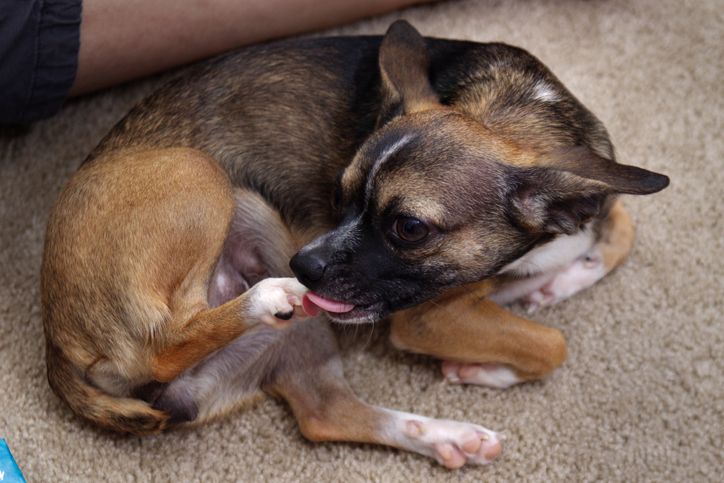
Image Source: cdn.whole-dog-journal.com
Deciphering the Reasons Behind Canine Nail Chewing
Many things can make your dog chew its nails. It is rarely just one simple thing. We need to look at health problems first. Then we look at behavior or emotional causes.
Medical Triggers for Paw Licking and Chewing
Pain is a huge driver for any animal to chew at a sore spot. If your dog is focusing on one paw, pain is very likely.
Sore Paws and Injuries
A simple injury can start the cycle of licking and chewing.
- Broken or Torn Nails: A sharp edge or a nail caught on something hurts a lot. Your dog will chew to try and fix the pain.
- Foreign Objects: Small stones, splinters, or grass awns stuck between the toes or under the nail cause irritation. The dog tries to remove the object by chewing.
- Interdigital Cysts: These are sore bumps between the toes. They hurt, leading to excessive dog nail licking and chewing on the nearby nails.
Skin Problems and Allergies
Skin issues often cause widespread itching that can focus on the feet.
- Allergies: Dogs commonly have allergies to food, pollen, or dust mites. This causes intense itching on the paws. Chewing is a response to the itch.
- Yeast or Bacterial Infections: Damp paws are great places for yeast and bacteria to grow. This causes a red, smelly irritation that makes your dog chew constantly. A nail bed infection dog chewing can happen if the skin around the nail breaks down from constant moisture and licking.
- Mites or Fleas: Even if you treat for fleas, some dogs are highly sensitive to flea saliva. A few bites can cause major irritation, leading to chewing.
Underlying Health Issues
Sometimes the cause is deeper than just the skin surface.
- Arthritis or Joint Pain: Older dogs with arthritis in their feet or legs may lick the area that hurts most. While they might not be directly chewing the nail, they lick the foot intensely, which leads to nail damage.
- Nutritional Deficiencies: While rare in dogs eating high-quality commercial food, a lack of certain vitamins or fatty acids can affect skin health, leading to irritation and subsequent chewing.
Behavioral and Emotional Roots of Dog Nail Biting
If the vet rules out all medical causes, the focus shifts to your dog’s mind. Dogs use their mouths to deal with stress just like people bite their nails.
Anxiety and Stress
This is one of the most common reasons for dog anxiety nail chewing. Dogs often displace their anxiety onto physical actions.
- Separation Anxiety: When left alone, some dogs chew their paws as a self-soothing mechanism. It is a nervous habit that starts when they are worried about you leaving.
- Environmental Changes: Moving to a new house, a new pet joining the family, or even major schedule changes can cause stress. Your dog might resort to chewing to cope.
- Boredom and Lack of Stimulation: A bored dog will find something to do, and often, that something is destructive or self-focused. If your dog doesn’t get enough physical exercise or mental puzzles, chewing becomes entertainment.
Compulsive Behavior
When chewing becomes very repetitive, it can turn into a compulsion, similar to OCD in humans.
- Habit Formation: If the initial cause (like a small scratch) goes away, but the dog keeps chewing, it has become a learned behavior. They do it without even realizing they are stressed or bored anymore.
- Attention Seeking: Some dogs learn quickly that chewing their nails gets a reaction from their owners. Even negative attention (yelling “Stop it!”) is still attention to a dog.
Identifying the Problem: When to Worry About Dog Chewing
Not all paw licking is a crisis. A quick lick after a walk is normal. You need to know when dog nail biting crosses the line into a serious issue.
Signs That Demand Immediate Veterinary Attention
If you see any of the following, call your vet right away:
- Bleeding from the nail area.
- Limping or refusing to put weight on the paw.
- Bad odor coming from the paw.
- Swelling or redness that is worsening quickly.
- The dog chews until it draws blood or creates open sores (this is sometimes called dog self-mutilation nails).
Assessing the Chewing Pattern
Pay close attention to how and when your dog chews. This information helps the vet or behaviorist narrow down the cause.
| Chewing Pattern | Possible Primary Cause | What to Look For |
|---|---|---|
| Constant, focused on one paw | Injury or localized pain | Swelling, visible damage to the nail or toe. |
| All four paws, worse when alone | Separation anxiety or general stress | Pacing, destructive behavior when left alone. |
| All four paws, constant licking/chewing | Allergies or skin disease | Redness between toes, chronic itching elsewhere. |
| Only when resting or lying down | Boredom or mild habit/compulsion | Chewing stops immediately if you call the dog. |
Strategies to Stop Dog Chewing Nails
Stopping dog eating own nails requires a multi-pronged approach. You must address the root cause, manage the immediate damage, and retrain the behavior.
Medical Solutions and Treatments
If health issues are driving the chewing, fixing them is the first step. This is where veterinarian advice dog nail biting is crucial.
Treating Infections and Allergies
- Medication: Vets prescribe antibiotics or antifungals for infections. For severe allergies, they might suggest specific shampoos, oral steroids, or newer medications that target the itch cycle.
- Dietary Changes: If food allergies are suspected, an elimination diet trial might be necessary. This involves feeding a novel protein or a hydrolyzed diet for 8–12 weeks to see if symptoms clear up.
- Topical Relief: Medicated paw soaks or sprays can soothe irritated skin temporarily, making the urge to chew less intense.
Managing Pain
If arthritis is the culprit, pain management is key. This may involve prescription anti-inflammatory drugs, joint supplements (like glucosamine), or physical therapy. Reducing the pain lessens the need for the dog to lick the area.
Behavioral Modification Techniques
When the issue is psychological, we need to change how the dog feels and what it does instead of chewing.
Reducing Anxiety and Stress
- Enrichment and Exercise: A tired dog is a happy dog. Increase daily walks, incorporate running, or introduce scent games. Mental stimulation is just as important. Use puzzle feeders or teach new tricks. This helps stop dog chewing nails by redirecting mental energy.
- Creating Calm Spaces: Ensure your dog has a safe, comfortable den where they feel secure. Use calming aids like pheromone diffusers or comforting beds.
- Desensitization for Separation Anxiety: For dogs who chew when alone, slow, gradual training is required to make being alone less scary. Start with very short absences and reward calm behavior.
Breaking the Habit Loop
If the dog is chewing out of habit, you must interrupt the action before it escalates.
- Interruption: When you see the chewing starting, do not yell. Instead, use a neutral sound, like a clap or a specific verbal cue (“Nope” or “Easy”).
- Redirection: Immediately after interrupting, give the dog an acceptable alternative activity. This could be a favorite chew toy, a KONG stuffed with frozen peanut butter, or asking for a simple trick like “Sit.”
- Positive Reinforcement: Lavishly praise the dog for engaging with the acceptable toy or action. They need to learn that chewing the nail gets no reward, but chewing the toy gets big rewards.
Physical Barriers and Deterrents
Sometimes, you need temporary physical help to allow the underlying issue to heal.
- Bitter Sprays: Products with safe, bitter tastes (like bitter apple) can be applied to the nails and surrounding skin. Most dogs dislike the taste and will stop chewing immediately. Reapply often.
- Protective Gear: If chewing is severe, your vet might recommend soft fabric booties or socks to wear for short periods. These create a barrier. For very persistent cases, a soft, light E-collar (cone) might be necessary temporarily to ensure the area heals and the licking stops completely. Do not use hard plastic cones for long periods, as they can increase anxiety.
- Regular Nail Trimming: Keep the nails short. Longer nails are easier to grip and chew. Make sure the quick (the sensitive part inside the nail) is not being cut, which would cause pain and restart the cycle.
Comprehending the Risk: Is It Bad for a Dog to Chew Nails?
Yes, while a quick lick might not hurt, chronic dog nail biting can lead to serious problems.
Risks to Nail Health
- Onychodystrophy: This is the general term for abnormal nail growth or disease. Constant chewing damages the nail structure. The nail can become brittle, split, or start to grow incorrectly.
- Nail Bed Infections: Chewing breaks the skin barrier at the base of the nail. Bacteria and yeast enter easily. This causes inflammation, swelling, and intense pain—often resulting in an nail bed infection dog chewing that is hard to clear up because the dog keeps re-injuring it.
Risks to Dental Health
This is an often-overlooked consequence of dog eating own nails.
- Tooth Damage: Aggressive chewing puts stress on the teeth. Dogs can chip or fracture their incisors (front teeth) while trying to rip or pull at their nails.
- Bacterial Transfer: The paws, especially between the toes, often harbor bacteria from walking outside. When the dog chews, they transfer these bacteria directly into their mouth, potentially causing gum or digestive issues over time.
Advanced Cases and When to Seek Specialist Help
For cases that don’t respond to standard veterinary treatment or simple environmental changes, specialization might be needed.
Consulting a Veterinary Dermatologist
If allergies are complex, or if you have tried multiple shampoos and diets without success, a dermatologist can perform advanced testing. They specialize in diagnosing subtle skin conditions that might be invisible to a general practitioner. They can rule out autoimmune diseases that sometimes present as severe paw licking.
Working with a Veterinary Behaviorist
If the chewing is clearly rooted in severe anxiety, obsessive-compulsive disorder (OCD), or aggression rooted in fear, a certified veterinary behaviorist is the best resource.
Behaviorists use advanced behavior modification protocols. They may also work with your primary vet to determine if short-term anti-anxiety medication is helpful while the behavior training takes hold. This combined approach is often necessary for severe cases of dog self-mutilation nails.
Routine Care to Prevent Nail Issues
Good daily care reduces the chances of injury or discomfort that might prompt chewing.
Paw Inspection Routine
Make checking your dog’s paws a part of your daily routine, just like checking their ears or brushing their teeth.
- Lifting the Paw: Gently lift one paw at a time.
- Examining the Nail: Look closely at each nail. Is it cracked? Is it too long? Is there any redness where the nail meets the skin?
- Checking Between the Toes: Gently spread the toes apart. Look for redness, moistness, or any foreign material stuck in the webbing. If you spot something small, you might be able to gently pluck it out with tweezers. If the dog resists or it is embedded, see the vet.
Proper Nail Trimming
If your dog hates nail trims, this fear itself can cause anxiety that leads to chewing.
- Desensitization: Start slow. Let your dog sniff the clippers. Touch their paws often without trimming. Reward calm behavior heavily.
- Use the Right Tools: Some dogs prefer grinders (Dremels) over clippers, as grinders offer a smoother finish and less pinching sensation.
- Quick Recognition: Knowing where the quick is prevents painful cuts. If your dog has clear nails, the quick looks like a pink vein inside the nail. If nails are dark, trim only the very tip, taking tiny slivers off at a time.
Frequently Asked Questions (FAQ)
Can I use human nail polish to stop my dog from chewing his nails?
Some owners try using non-toxic, bitter-flavored dog nail polish or clear topcoats. While this might deter the taste, if the chewing is due to deep anxiety or pain, the dog may just chew harder or move to licking the skin around the nail instead. It should only be a minor deterrent, not the main solution.
How long does it take to stop excessive dog nail licking?
The timeline varies greatly. If the cause is a simple, treatable infection, you might see improvement in one to two weeks after starting medication. If the cause is deep-seated anxiety or a long-term allergy, breaking the habit and healing the skin can take anywhere from one to three months of consistent effort with training and treatment.
Why is my dog suddenly eating his own nails?
A sudden change in behavior, like a dog starting dog eating own nails, often signals a new physical problem. It could be a new splinter, a sudden allergic flare-up, or a new source of stress in their environment. A sudden onset always warrants a prompt check-up to rule out acute pain.
What is the best chew toy to redirect the chewing behavior?
The best toys are those that require sustained effort. Great options include:
* Durable Rubber Toys (like KONGs): Stuff them with frozen, healthy fillings (yogurt, broth, kibble). Freezing extends the chewing time.
* Durable Nylabones or Benebones: Ensure they are appropriately sized for your dog.
* LickiMats: These can be smeared with paste and frozen, providing a long, focused licking/licking session that substitutes for paw licking.