
Can a dog jump over a standard fence? Yes, many dogs can jump over a standard fence, especially those with high energy, strong motivation, or natural athletic ability.
Keeping your dog safe in your yard is a top priority for any pet owner. When your dog starts viewing the backyard boundary as a fun challenge rather than a limit, you need serious solutions. Jumping is a common escape tactic. It often stems from boredom, high prey drive, or a strong desire to reach something (or someone) outside the yard. This guide offers detailed, expert-backed methods to deter dog jumping fence behaviors for good, helping you secure dog yard against jumping effectively.
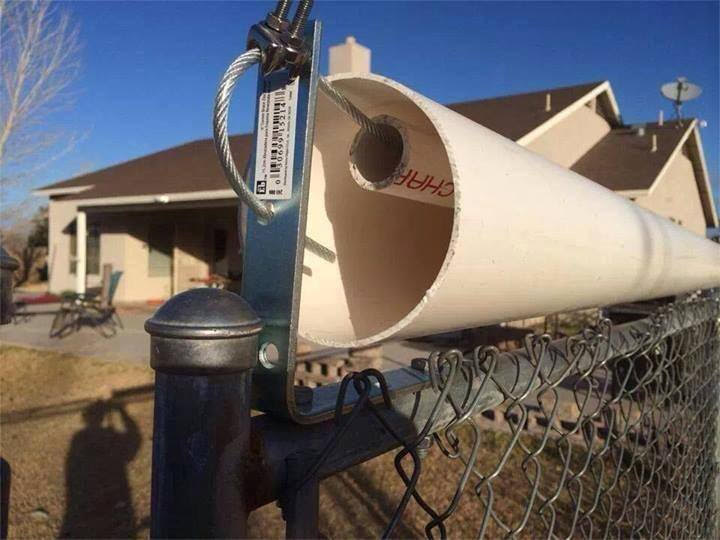
Image Source: ccspca.com
Deciphering Why Dogs Attempt to Clear Fences
Before you can stop the jumping, you must figure out the reason behind it. Dogs rarely jump just to be difficult; there is always a driving force. Identifying this cause is key to choosing the right fix.
Common Causes for Fence Scaling
Dogs jump for many reasons. Pinpointing the main trigger helps you choose the best dog jumping barrier solutions.
- Boredom and Lack of Stimulation: A bored dog looks for something exciting to do. If the yard is empty and dull, jumping becomes a game.
- Prey or Squirrel Drive: Seeing a squirrel, cat, or even a passing vehicle can trigger a chase instinct. The fence is simply in the way of the “prey.”
- Desire to Socialize: If the dog sees children playing or hears neighborhood dogs barking, it wants to join the fun. This is often true for friendly breeds.
- Territoriality and Reactivity: Some dogs jump when strangers approach the property line. They try to confront the perceived intruder.
- Escape Artist Instinct: Some breeds are natural explorers and are highly motivated to roam. They will try any method to get out.
Physical Barriers: Building a Better Defense Against Jumping
Sometimes, the easiest fix is making the physical barrier too difficult or impossible to clear. This involves height, structure, and additions to the top of the existing fence. These tactics focus on how to prevent canine fence scaling.
H5: Increasing Fence Height for Jumping Dogs
The most direct approach is to tall fence for jumping dogs requirements. Most standard fences are 4 to 6 feet high. A dog that clears a 6-foot fence needs more height.
- Minimum Height Rule: For athletic jumpers (like Border Collies, Huskies, or large terriers), a minimum of 7 or 8 feet is often required.
- Building Up Safely: If you cannot replace the entire fence, consider adding panels to the top. Ensure any additions are sturdy and cannot be used as a foothold.
H5: Using Anti-Jump Extensions and Toppers
If adding significant height is impractical or costly, specialized toppers can help stop dog climbing fence or make clearing the top section unsafe.
- Roller Bars: These horizontal bars spin when weight is applied. If a dog tries to grab the top rail, the roller spins, causing them to lose grip and fall back safely inside the yard. These are excellent for dogs that try to hook their paws over the top.
- Outrigger Arms (Angled Toppers): These are extensions installed at an angle, usually pointing back into the yard at a 45-degree angle. They reduce the effective height of the fence because the dog cannot launch straight up to clear the top edge; they must navigate the angle first.
| Barrier Type | Best For Dogs Who… | Installation Difficulty | Effectiveness Rating (1-5) |
|---|---|---|---|
| Taller Solid Fence | Have significant vertical jump ability | High | 5 |
| Roller Bars | Try to grab the top edge or pull themselves over | Medium | 4 |
| Angled Outriggers | Use momentum to clear the top rail | Medium | 4 |
| Slanted Mesh Panels | Use the fence structure to climb | Low | 3 |
H5: Modifying Existing Fence Structure
If your dog is climbing rather than just jumping, the fence structure itself might offer too many handholds.
- Solid Fencing Preference: Chain-link fences are easy to grip with paws. Solid wood, vinyl, or masonry fences offer fewer purchase points. If you have chain link, consider adding privacy slats or covering the bottom section with solid material where climbing occurs.
- Removing Lattices or Trellises: If you have decorative elements attached to the fence, remove them. Dogs use these structures like ladders to gain height before making the final leap.
Environmental Management: Reducing the Motivation to Jump
Sometimes, keep dog in yard from jumping success relies on managing what your dog sees and hears from the yard. If the triggers are removed, the motivation to jump drops.
H5: Blocking the View of Triggers
If your dog jumps because it sees something outside, blocking that view is crucial. This is often the quickest way to reduce dog’s desire to jump fence.
- Privacy Screening: Install privacy slats in chain link fences or add solid panels to wood fences. This prevents the dog from seeing people, other dogs, or prey animals moving along the property line.
- Strategic Landscaping: Use dense shrubbery or tall, fast-growing plants along the perimeter where jumping is frequent. This provides a natural visual break. Caution: Ensure any plants used are non-toxic to dogs.
H5: Managing Auditory Triggers
Noise can be just as motivating as sight. If your dog is reacting to sounds outside the yard, you need sound management.
- White Noise Machines or Water Features: Placing a patio fountain or running a white noise machine near the fence line can mask distant sounds like traffic or barking dogs. This helps keep dog in yard from jumping by reducing external stimulation.
- Bringing Dogs Inside During Peak Times: If you know the mail carrier passes at 10 AM or neighborhood kids play ball at 4 PM, keep your dog inside or in a secure, interior section of the yard during those times while you implement other training solutions.
H5: Enhancing Backyard Enrichment
A happy, tired dog is less likely to spend energy plotting an escape. Focus on making the yard a rewarding place to be. This supports backyard containment for jumpers.
- Rotate Toys: Don’t leave the same toys out every day. Swap them regularly to keep things novel and interesting.
- Provide Puzzle Feeders: Make your dog work for its treats or meals using puzzle toys that can be used outdoors safely.
- Scheduled Play Sessions: Dedicate time daily for high-intensity play (fetch, flirt poles) inside the yard. A tired dog is less likely to look for outside excitement.
Training Solutions: Teaching Your Dog to Stay Grounded
Physical barriers are essential, but they aren’t a complete fix if the underlying drive remains. Training to stop dog jumping fence behaviors requires consistency and positive reinforcement.
H5: Addressing Recall and Boundary Training
Your dog needs to know that coming back to you (or staying inside the boundary) is more rewarding than focusing on the outside world.
- The “Check-In” Game: When you are outside with your dog, call its name frequently. When the dog looks at you or returns, give it a high-value treat and praise immediately. Practice this near the fence line, rewarding heavily for ignoring outside stimuli.
- Using a Long Line Near the Fence: For initial practice, use a long training leash (20-30 feet) attached to your dog while supervising them in the yard. If the dog starts to focus intensely on something outside, use the line for a gentle correction (a light, quick tug) and immediately redirect them back to you with a command like “Look at me” or “Here.”
H5: Counter-Conditioning Jumping Triggers
Counter-conditioning changes the dog’s emotional response to the trigger from excitement/alertness to calm acceptance.
- Identify the Distance: Find the point where your dog notices the trigger (e.g., a passing jogger) but before they start fixating, whining, or preparing to jump. This is the threshold.
- Reward Calmness: At this safe distance, begin feeding high-value treats consistently while the trigger passes by calmly. The dog learns: “Jogger appears = amazing food appears. I stay calm.”
- Gradually Reduce Distance: Over many sessions, slowly move closer to the fence line, only rewarding if the dog remains calm and focused on you, not the trigger. If the dog lunges or fixes, you moved too close, too fast. Retreat to the previous successful distance. This process is vital to deter dog jumping fence effectively long term.
H5: Teaching an Alternative Behavior
If jumping is motivated by excitement, teach your dog an incompatible behavior—something they cannot do while jumping.
- The “Place” Command: Teach your dog to go to a designated mat or dog bed in the yard on command. Practice this command heavily. When you anticipate an outside trigger (like a delivery truck), ask your dog to go to “Place” and reward them heavily for staying there until the trigger passes. This gives them a job that keeps them settled.
Addressing Underlying Behavioral Issues
If the jumping is severe, obsessive, or accompanied by destructive behavior, it might signal a deeper anxiety or over-arousal problem. Professional help may be necessary to prevent canine fence scaling.
H5: Managing High Energy Breeds
Certain breeds were bred for high-intensity work and require significant physical and mental output. For these dogs, environmental enrichment alone is often not enough.
- Structured Exercise: Ensure daily exercise meets breed specifications. A Border Collie needs intense herding work or agility; a Husky needs long, fast runs. A short walk around the block will not satisfy them.
- Mental Workouts: Incorporate nose work, scent trailing, or puzzle games daily. Mental fatigue helps exhaust the part of the brain that plots escapes.
H5: Seeking Professional Guidance
If you have tried all management and basic training and the dog still attempts to clear the boundary, consult a certified behavior consultant (CBCC-KA) or veterinary behaviorist (DACVB).
They can assess if the behavior is rooted in severe anxiety, obsessive-compulsive disorder, or extreme prey drive, which may require behavior modification plans that go beyond standard fence fixes. They specialize in creating comprehensive plans to secure dog yard against jumping when self-help fails.
Safety Considerations and What to Avoid
When trying to stop dog climbing fence or jumping, safety for your dog and others must remain the top concern.
H5: Dangers of Ineffective Solutions
Some methods intended to stop jumping are dangerous or unethical. Avoid these at all costs.
- Shock Collars (E-Collars) for Boundary Training: Using remote correction devices specifically near the fence line to shock the dog when it approaches is often ineffective long-term. It teaches the dog not to jump when you are present or when the collar is on, but it doesn’t solve the underlying motivation. Worse, if the dog associates the pain with the passing trigger (like a child), it can lead to defensive aggression toward that trigger.
- Physical Deterrents That Cause Injury: Never use barbed wire, electrified wire that delivers painful shocks, or sharp materials on the fence. These can cause severe injury to your pet or neighborhood pets and expose you to legal liability.
H5: Legal and Neighborly Responsibilities
When implementing dog jumping barrier solutions, consider your neighbors.
- Height Restrictions: Check local ordinances regarding fence height. You may need a permit to build a fence higher than the local standard.
- Visual Impact: If you install high toppers or extensive screening, ensure they comply with HOA rules or neighborhood aesthetic guidelines. A polite conversation with neighbors beforehand can prevent future disputes, especially if their pets are a trigger for your dog.
Summary: A Layered Approach to Backyard Containment
Successfully preventing a dog from clearing the fence usually requires more than one tactic. Use a layered approach to backyard containment for jumpers:
- Assess and Manage Triggers: Block the view and dampen the sounds that motivate the jump.
- Increase Physical Security: Ensure the fence is tall enough (7+ feet for jumpers) or use mechanical toppers like rollers.
- Enrich the Environment: Make the inside of the yard the best place to be through exercise and novel toys.
- Apply Consistent Training: Use positive reinforcement to teach the dog to check in with you instead of focusing on the boundary.
By combining physical proofing with dedicated training to stop dog jumping fence, you create a secure, enriching environment where escaping simply isn’t worth the effort.
Frequently Asked Questions (FAQ) About Fence Jumping
H4: How high should a fence be to stop a determined dog from jumping?
For most average dogs, 6 feet is sufficient. However, for athletic, tall, or highly motivated breeds (like Greyhounds, German Shepherds, or Huskies), a fence of 7 to 8 feet is often necessary to deter dog jumping fence attempts safely.
H4: Are there humane ways to stop a dog from climbing the fence?
Yes. Humane methods focus on making climbing difficult or unrewarding. Installing roller bars across the top prevents them from gripping. Covering chain link with solid material removes toe-holds. Additionally, ensuring the dog has plenty of indoor or outdoor enrichment helps reduce dog’s desire to jump fence due to boredom.
H4: My dog jumps the fence only when I am not home. How can I fix this?
This is common, as dogs often test boundaries when supervision is absent. Focus heavily on management first: install visual blocks (privacy screening) to eliminate outside triggers. Then, use positive training to stop dog jumping fence behaviors while you are supervising, rewarding heavily when they choose to relax inside rather than focus on the perimeter.
H4: Can I use an electric fence system to keep my dog in the yard?
Invisible (wireless) fences are generally not recommended as a primary solution to prevent canine fence scaling. These systems rely on pain or mild shock to keep a dog in. If a dog is highly motivated to get out (e.g., chasing a squirrel), they are often willing to run through the mild correction to reach the reward outside. They are best used as a backup to a sturdy physical barrier, not the barrier itself.