
Yes, you can comfort your dog after tooth extraction by providing a calm environment, managing pain as prescribed, offering soft food, and closely monitoring the surgical site for any issues. Dog recovery after tooth removal requires patience and attentive post-operative canine dental care.
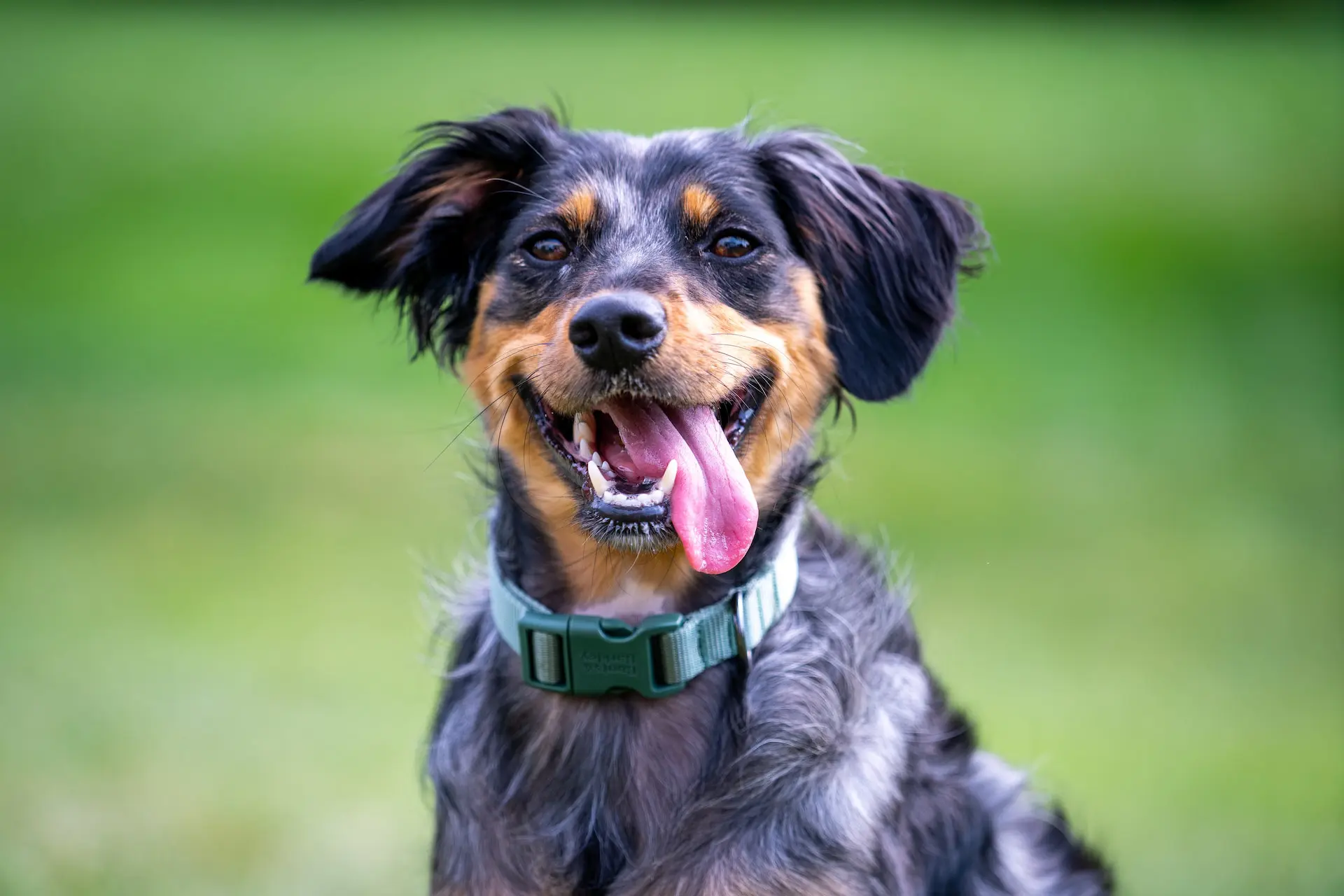
Image Source: wellpets.com
Setting Up a Calm Recovery Space
Your dog needs peace and quiet after dental surgery. Think of their recovery area as a cozy, safe haven. This minimizes stress, which is key to quick healing.
Creating the Right Environment
Keep things low-key for the first week. Loud noises and too much activity can stress your dog.
- Quiet Location: Choose a room away from busy household traffic. No loud TVs or boisterous kids near their rest spot.
- Comfortable Bedding: Use soft, supportive bedding. If your dog usually sleeps on a hard floor, provide extra padding.
- Temperature Control: Make sure the room is neither too hot nor too cold. Keep drafts away from your dog.
- Easy Access: If your dog is older or has mobility issues, use a crate or low-sided pen. This keeps them contained and prevents jumping.
Limiting Activity
Rest is crucial for healing tissues and dissolving stitches. Strenuous activity can cause the surgical site to bleed or the sutures to break.
- Leash Walks Only: For the first 7 to 14 days, all outdoor trips must be on a short leash. This means no running, no playing fetch, and no roughhousing with other pets.
- No Jumping: Prevent your dog from jumping on or off furniture, or using stairs too much. You may need to carry small dogs temporarily.
- Supervised Play: If you allow any play, keep it very gentle and brief. Stick to quiet activities like short, calm sniffing sessions.
Managing Your Dog’s Pain After Tooth Extraction
Pain control is the most important part of managing dog’s pain after tooth extraction. Your vet will send you home with specific medications. Follow these instructions exactly.
Understanding Pain Medication Protocols
Pain relief is usually given in stages. Never give your dog human pain medicine like ibuprofen or Tylenol. These are toxic to dogs.
- Prescribed Medications: You will likely receive a non-steroidal anti-inflammatory drug (NSAID) or an opioid/narcotic for breakthrough pain. Give these on the schedule the vet set. Do not skip doses, even if your dog seems fine. Consistent pain control aids faster healing.
- Timing is Everything: Give the pain medicine before your dog seems to be hurting badly. It works best when given regularly.
Recognizing Signs of Discomfort
Sometimes dogs hide pain well. Learning the subtle signs of discomfort in dog after extraction helps you intervene quickly.
| Behavioral Change | Description | What to Watch For |
|---|---|---|
| Appetite Changes | Refusing food or water. | Lip licking, dropping food, reluctance to approach the bowl. |
| Activity Level | Excessive lethargy or restlessness. | Pacing, inability to settle, hiding more than usual. |
| Vocalization | Whining, whimpering, or unusual growling. | Crying when touched near the face or when trying to move. |
| Mouth/Face Guarding | Snapping or withdrawing when you approach the muzzle. | Reluctance to let you look inside the mouth. |
| Facial Appearance | Swelling or discharge around the extraction site. | Drooling excessively, often tinged with blood. |
If you notice severe signs of pain that the prescribed medication doesn’t touch, call your veterinarian right away.
Encouraging Eating After Dog Tooth Extraction
Many owners worry about encouraging eating after dog tooth extraction. Because the mouth is sore, eating hard food is painful.
Soft Food Options for Dog Post-Extraction
You must switch to a bland, soft diet for 10 to 14 days, or until your vet says it’s okay to resume regular kibble.
- Moistening Kibble: The simplest solution is soaking dry kibble in warm water or low-sodium chicken broth until it becomes mushy. Stir it well before serving.
- Canned Food: Use high-quality canned dog food. Serve it at room temperature, not straight from the fridge, as cold food can sometimes be irritating.
- Bland Homemade Meals: If your dog needs an alternative, consider plain, boiled, unseasoned ground turkey or chicken mixed with white rice. Ensure everything is finely ground or mashed.
- Feeding Technique: Offer small amounts frequently rather than large meals once or twice a day. Use a clean, shallow bowl, or even feed it off a clean plate or spoon to minimize strain on the jaw.
Crucial Tip: Do not try to hide medication in tasty treats like peanut butter immediately after surgery. The stickiness can pull at the sutures. Mix pills into the soft food mush instead.
Hydration Check
Ensure your dog is drinking enough water. Dehydration slows healing. If your dog resists the water bowl, try offering ice cubes (if they usually like them) or small amounts of unseasoned bone broth.
Home Care for Dog Recovering from Dental Surgery
Home care for dog recovering from dental surgery centers on cleanliness, restraint, and monitoring. This is where you play the biggest role in preventing infection.
Water and Rinsing Restrictions
Do not let your dog use a water dispenser with a spout or a lick bottle for the first few days. They might accidentally poke the extraction site. Also, avoid letting them lick or chew on hard toys.
- No Teeth Brushing: Absolutely no brushing of the teeth until your veterinarian gives the final okay, usually several weeks later.
Suture Care for Dog Tooth Extraction
Many veterinary dentists use dissolvable sutures. Suture care for dog tooth extraction is mostly about leaving them alone.
- Appearance: Some swelling is normal in the first 3-5 days. The gums might look a little puffy or red.
- What to Look For: Small white or clear dots are usually pieces of dissolving suture material coming away—this is normal.
- What to Worry About: If you see large gaps in the gum line, excessive bleeding that doesn’t stop with gentle pressure, or a foul odor coming from the mouth, contact your vet.
Preventing Chewing
Chewing is the enemy of a healing extraction site. This is perhaps the most challenging part of dog’s behavior after dental surgery.
- Remove All Chew Toys: Put away bones, hard biscuits, antlers, and durable rubber toys for two weeks.
- Soft Toys Only: If your dog must have a toy, use something very soft, like a plush toy they can only mouth gently, not tear apart. Watch them closely to ensure they aren’t biting down hard.
Monitoring the Surgical Site and Follow-Up Care
Regular checks ensure complications are caught early.
Daily Oral Examinations
Once a day, gently examine your dog’s mouth while they are calm (and possibly drowsy from medication). Use a good light source.
- Lift the Lip Gently: Do this slowly. You may need a helper to gently hold your dog steady.
- Look for Redness or Swelling: A little puffiness is expected. Major, firm swelling or pus is not.
- Check for Bleeding: A tiny spot of dried blood is fine. Active, dripping blood needs attention.
- Inspect the Sutures: Ensure the stitches appear intact and not overly frayed (unless they are designed to fall out in stages).
Importance of Follow-Up Appointments
Follow-up appointments are critical. Your vet needs to check how the tissue is healing and confirm that the bone is closing properly over any extracted roots.
- Scheduled Rechecks: Attend every recheck appointment scheduled by the dental team. They might need to take X-rays later to ensure no root fragments were left behind.
When to Call the Vet After Dog Tooth Extraction
Knowing when to call vet after dog tooth extraction prevents minor issues from becoming major problems. You should call immediately if you observe any of these issues:
- Persistent Bleeding: Bleeding that soaks a gauze pad applied with gentle pressure for more than 10 minutes.
- Excessive Drooling or Dropping Food: If this continues past the first 24 hours and your dog is refusing all soft food.
- Lethargy That Worsens: If your dog seems weak, unresponsive, or refuses to wake up after the initial 12-24 hours post-anesthesia wear-off.
- Vomiting or Diarrhea: Especially if it occurs repeatedly, as this might be a reaction to pain medication.
- Foul Odor: A strong, rotten smell coming from the mouth that is not dissipating after the first day.
- Swelling Spreading: Swelling that moves down the neck or involves the eye area.
Comprehending Post-Operative Canine Dental Care Nuances
Post-operative canine dental care extends beyond just the first week. Full tissue and bone healing can take several weeks.
Transitioning Back to Normal Food
Do not rush this step. Reintroducing hard kibble too soon is a common mistake.
- Vet Approval: Wait for the veterinarian to give you the green light, usually 10 to 14 days post-surgery, especially if the extractions were complex or involved bone repair.
- Slow Introduction: When cleared, start by mixing a small amount of their regular kibble into the soft food mush.
- Gradual Increase: Over the next few days, slowly decrease the amount of soft food while increasing the kibble until they are fully back on their normal diet. Watch their mouth for any signs of soreness during this transition.
Dealing with Temporary Behavioral Changes
It is common to see changes in dog’s behavior after dental surgery. Often, dogs who had chronic dental pain seem like entirely new animals afterward—happier, more energetic, and more playful.
However, immediately after surgery, they might be subdued due to anesthesia grogginess and discomfort. Be patient if they are clingy or withdrawn for the first 48 hours. If lethargy lasts beyond that, check in with the clinic.
Quick Checklist for Comfort and Recovery
Use this list to make sure you cover all bases in dog recovery after tooth removal:
- Medication: Given exactly on time.
- Food: Soft, bland, easy to swallow.
- Water: Fresh and accessible, but no licking devices.
- Rest: Quiet, dark, and undisturbed area for 10-14 days.
- Activity: Leash walks only; absolutely no running or jumping.
- Mouth Checks: Daily gentle inspection of the surgical site.
- Suture Site: No picking or rubbing at the stitches.
- Vet Contact: Phone number saved and ready for emergency calls.
Frequently Asked Questions (FAQ)
Q: How long will my dog feel pain after a tooth extraction?
A: Most dogs feel the most discomfort in the first 24 to 48 hours. With proper medication, this sharp pain should transition into mild soreness which fades over the next week. Always follow the prescribed pain management schedule to keep them comfortable throughout the healing process.
Q: Can my dog lick the wound?
A: Licking the wound is discouraged because the tongue carries bacteria, and the action can damage the sutures. Most vets will prescribe an Elizabethan collar (cone) or a soft donut collar to prevent licking until the stitches are dissolved or removed. Use the collar as directed.
Q: How long until my dog can have hard treats or chew toys again?
A: This varies based on the complexity of the surgery. For simple extractions, it might be 7-10 days. For extractions involving multiple teeth or bone grafting, it could be 3 to 4 weeks. Always defer to your veterinary dentist’s specific instructions for your dog.
Q: What if my dog eats their dissolvable stitches?
A: If your dog ingests a small portion of a dissolving suture, it is usually not an emergency. The stitches are made of material that is safe to swallow. However, if you notice large sections disappearing rapidly or excessive drooling/vomiting, contact your vet for guidance.
Q: Is it normal for my dog to have bad breath after surgery?
A: A slight, unusual odor or mild bad breath right after surgery is often related to the anesthetic or residual blood/tissue debris. However, if the breath is extremely foul or smells like decay several days later, this warrants a call to the vet, as it can be a sign of infection.