
Does your furry friend’s tummy rumble with discomfort after meals? You’re not alone. Many dog owners face the challenge of finding the perfect food for pups with sensitive stomachs and allergies. It can be a real puzzle, trying to decode ingredient lists and figure out what’s causing those upset tummies, itchy skin, or ear infections.
The sheer variety of dog food on store shelves can be overwhelming. You want to give your dog the best, but sifting through endless brands and promises feels like a full-time job. The worry of picking the wrong food and seeing your dog suffer again is a heavy burden for any pet parent.
But what if there was a clearer path? In this post, we’ll break down what makes a dog food “sensitive stomach” or “allergy-friendly.” You’ll learn to spot key ingredients, understand common culprits, and discover how to choose a food that brings relief and joy back to your dog’s mealtimes. Get ready to unlock the secrets to a happier, healthier dog!
Top Dog Food For Sensitive Stomachs And Allergies Recommendations

- SENSITIVE SKIN & STOMACH DOG FOOD: Made with gluten free grains and no chicken, this kibble is ideal for sensitive dogs prone to allergies. It is formulated with proper levels of Omega 3, Omega 6 and Vitamin E to nourish a healthy skin and coat.
- SUPPORTS GUT HEALTH: This complete and balanced recipe is fortified with prebiotics and probiotics that strengthen gut health and nourish your pup's microbiome. Probiotics support a healthy digestion as well as a strong immune system, both of which are vital for good health and longevity.
- QUALITY INGREDIENTS: High-quality salmon meal is the first ingredient in this nutrient dense recipe. With high amounts of animal protein, we proudly share the percentage of all protein sources on the front of our bag. The high-quality proteins in this recipe help build and maintain lean muscle, sustain energy and promote stamina for a full and healthy life.
- PROPRIETARY VPRO BLEND: This super premium dry dog food has been formulated with our exclusive mix of supplements, vitamins and minerals which help maximize the genetic potential of every dog, regardless of breed, age, or activity level, and promote superior digestibility and immune system function.
- MADE IN THE USA: We proudly produce every bag of VICTOR kibble in our own Texas-based facility and do not waver in our commitment to high-quality nutrition. A majority of ingredients of our pet food come from ranches, farms and other trusted suppliers who are within a day’s drive of our East Texas plant.


- Triple support for stomach, skin and immune system health
- Highly digestible formula with prebiotic fiber that is gentle on the stomach for optimal nutrient absorption
- Enriched with Vitamin E and Omega-3 & 6 fatty acids, for healthy skin and a lustrous coat
- Clinically proven antioxidants, Vitamin C+E, for a healthy immune system
- 27 key nutrients, including essential vitamins, minerals, and omega 3 & 6 fatty acids. Complete and balanced nutrition for adult dogs’ health

- Triple support for stomach, skin and immune system health
- Highly digestible formula with prebiotic fiber that is gentle on the stomach for optimal nutrient absorption
- Enriched with Vitamin E and Omega-3 & 6 fatty acids, for healthy skin and a lustrous coat
- Clinically proven antioxidants, Vitamin C+E, for a healthy immune system
- 27 key nutrients, including essential vitamins, minerals, and omega 3 & 6 fatty acids. Complete and balanced nutrition for adult dogs’ health

- Oat meal is easily digestible and gentle on the digestive system
- High protein formula, with real salmon as the first ingredient
- Fortified with guaranteed live probiotics for digestive and immune health
- Used to be known as FOCUS Sensitive Skin and Stomach Salmon and Rice Formula
- Sunflower oil rich in omega-6 fatty acids for healthy skin and coat

- Triple support for stomach, skin and immune system health
- Highly digestible formula with prebiotic fiber that is gentle on the stomach for optimal nutrient absorption
- Enriched with Vitamin E and Omega-3 & 6 fatty acids, for healthy skin and a lustrous coat
- Clinically proven antioxidants, Vitamin C+E, for a healthy immune system
- 27 key nutrients, including essential vitamins, minerals, and omega 3 & 6 fatty acids. Complete and balanced nutrition for adult dogs’ health

- Formulated high in protein to meet the needs of highly active small dogs
- High protein formula, with real salmon as the first ingredient
- Fortified with guaranteed live probiotics for digestive and immune health
- Used to be known as FOCUS Sensitive Skin and Stomach Salmon
- Sunflower oil rich in omega-6 fatty acids for healthy skin and coat

- Sensitive skin dog food made with real salmon as the #1 ingredient to help support strong muscles, including a healthy heart
- A SmartBlend of high-quality ingredients in this adult dog food, along with vitamin E and omega-6 fatty acids, promotes healthy skin and a radiant coat
- Purina ONE Skin & Coat dog food includes four antioxidant sources for a strong immune system and natural glucosamine sources for joint health
- Calcium and deliciously crunchy bites in this dog food kibble support strong teeth and healthy gums
- Adult dog food for sensitive stomachs crafted in Purina-owned, U.S. facilities with no artificial colors, flavors or preservatives for 100% nutrition, 0% fillers, which means every ingredient has a purpose
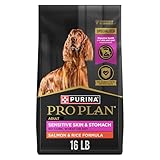
- Oat meal is easily digestible and gentle on the digestive system
- High protein formula, with real salmon as the first ingredient
- Fortified with guaranteed live probiotics for digestive and immune health
- Used to be known as FOCUS Sensitive Skin and Stomach Salmon and Rice Formula
- Sunflower oil rich in omega-6 fatty acids for healthy skin and coat
Choosing the Best Dog Food for Sensitive Stomachs and Allergies
Does your furry friend get an upset tummy or itchy skin after meals? Many dogs struggle with sensitive stomachs or food allergies. Finding the right food can make a huge difference in their health and happiness. This guide will help you pick the perfect food for your sensitive pup.
Key Features to Look For
1. Limited Ingredient Diets (LID)
These foods have fewer ingredients. This makes it easier to pinpoint what bothers your dog. Fewer ingredients also mean less chance of a reaction.
2. Novel Protein Sources
Dogs often develop allergies to common proteins like chicken or beef. Look for foods with proteins they haven’t eaten before. Examples include duck, venison, lamb, or fish. These are less likely to cause an allergic response.
3. Easily Digestible Carbohydrates
Some dogs have trouble digesting grains like corn or wheat. Opt for foods with simpler carbohydrates. Sweet potatoes, peas, or rice are good choices. They are easier on your dog’s stomach.
4. Added Prebiotics and Probiotics
These are good bacteria that help balance your dog’s gut. They improve digestion and can reduce tummy troubles. They also boost the immune system.
5. Hypoallergenic Formulas
Some brands offer specific hypoallergenic foods. These are made with proteins and carbs that are very unlikely to cause allergies. They are often a good starting point for dogs with severe sensitivities.
Important Materials and Ingredients
The right ingredients are crucial for sensitive dogs. Here’s what to focus on:
- Single Protein Source: Look for foods that list only one type of meat or fish.
- Limited Carbohydrate Sources: Stick to simple carbs like sweet potatoes, peas, or white rice.
- Natural Fibers: Ingredients like pumpkin or beet pulp aid digestion.
- Omega-3 and Omega-6 Fatty Acids: These help soothe itchy skin and promote a healthy coat. Fish oil is a great source.
Factors That Improve or Reduce Quality
Factors That Improve Quality:
- High-Quality Protein: The first ingredient should be a real meat or fish source.
- Natural Preservatives: Foods preserved with Vitamin E (tocopherols) are better than artificial ones.
- Wholesome Ingredients: Fruits and vegetables provide essential vitamins and minerals.
- Veterinarian Recommended: Brands that work with vets often have well-researched formulas.
Factors That Reduce Quality:
- Artificial Colors, Flavors, and Preservatives: These can trigger sensitivities.
- Fillers: Ingredients like corn, wheat, and soy can be hard to digest and common allergens.
- By-products: Lower-quality ingredients like meat by-products offer less nutritional value.
- Generic Meat Meals: “Meat meal” can be from various sources and may not be clearly defined.
User Experience and Use Cases
Dog owners choose sensitive stomach and allergy foods for several reasons. Many see immediate improvements in their dogs. This includes less vomiting, diarrhea, and gas. Dogs also tend to scratch less and have clearer skin. These foods are ideal for:
- Dogs with known food allergies or intolerances.
- Dogs experiencing frequent digestive upset.
- Puppies with developing digestive systems.
- Senior dogs who may have more sensitive digestion.
It might take some trial and error to find the perfect food. Always introduce new food slowly. Mix a small amount of the new food with the old food. Gradually increase the new food over a week.
Frequently Asked Questions (FAQ)
Q: What are the main signs my dog has a sensitive stomach or allergies?
A: Signs include vomiting, diarrhea, gas, itchy skin, ear infections, and paw licking.
Q: How long does it take to see results with a new food?
A: You might see improvements within a few weeks, but it can take up to 8-12 weeks for full benefits.
Q: Can I feed my dog wet food if they have a sensitive stomach?
A: Yes, many sensitive stomach formulas come in wet food. Ensure it has limited ingredients and a novel protein.
Q: Is grain-free food always better for sensitive dogs?
A: Not necessarily. Some dogs are sensitive to grains, but others are not. Focus on limited ingredients and novel proteins first.
Q: What is a “novel protein”?
A: A novel protein is a protein source your dog has not eaten before, like duck, venison, or rabbit.
Q: Should I consult a vet before switching foods?
A: Yes, it’s always best to talk to your veterinarian. They can help diagnose allergies and recommend specific foods.
Q: Can I mix different sensitive stomach foods?
A: It’s generally not recommended. Stick to one food to accurately track what works for your dog.
Q: What are common allergens for dogs?
A: Common allergens include chicken, beef, dairy, wheat, corn, and soy.
Q: How do I transition my dog to a new food?
A: Gradually mix the new food with the old food over 7-10 days. Start with 25% new food and 75% old, then increase.
Q: Where can I find reliable information about dog food ingredients?
A: Look for information from your veterinarian, reputable pet food manufacturers’ websites, and trusted animal nutrition resources.