
If you are asking why is my dog reactive on walks, the simple answer is usually that your dog feels stressed, scared, overly excited, or anxious when they see other dogs nearby while on a leash. Dealing with dog leash reactivity is a common but frustrating challenge for many dog owners. Many owners ask, “Can I stop my dog from barking at other dogs on walks?” Yes, you absolutely can reduce and manage this behavior through consistent training and careful management. This guide will help you explore the root causes and provide step-by-step advice on how to manage and improve this behavior, moving you toward calmer walks.
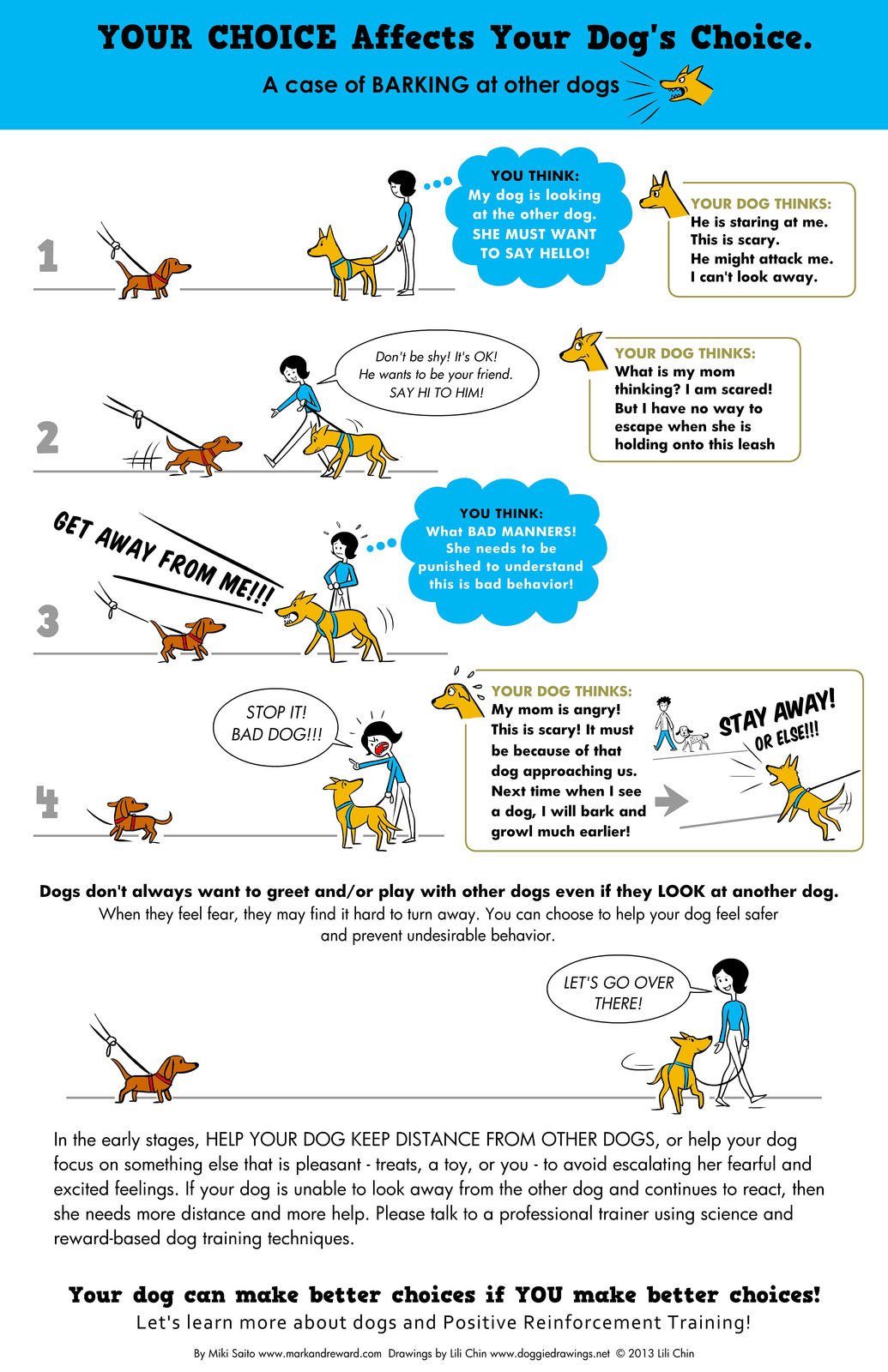
Image Source: walkandwagchapelhill.com
Deciphering the Root Causes of Leash Reactivity
Leash aggression towards dogs is often misunderstood. It rarely means your dog hates all other dogs. Instead, the leash changes how the dog reacts to stress. When a dog is on a leash, they cannot flee or use their natural distance-keeping behaviors. This restriction often makes them feel trapped.
Fear and Anxiety: The Biggest Triggers
Fear is the most frequent cause of barking and lunging on walks. When a dog sees another dog approaching, they might feel scared. Because the leash stops them from running away, they use the only tool left: making a big fuss. Barking and lunging act as a “get away from me” signal. If the other dog moves away after this display, the reactive dog learns that barking worked.
Frustration and Over-Arousal
Some dogs bark because they desperately want to greet the other dog but the leash holds them back. This is frustration, not aggression. They get too excited, and this high energy turns into noisy outbursts. This is often seen in very friendly dogs who are simply over-arched.
Lack of Early Socialization
If a puppy did not have positive early experiences with many different dogs and people, they might lack confidence. New sights and sounds can feel threatening, leading to defensive reactions when they meet another dog unexpectedly.
Barrier Frustration
The leash acts as a physical barrier. Dogs naturally like to move in fluid, flexible ways. When they are forced to stay close or change direction suddenly due to the leash, it adds tension. This tension lowers their threshold for reacting.
The Difference Between Reactivity and Aggression
It is vital to tell the difference between true aggression and reactivity.
| Feature | Leash Reactivity | True Aggression |
|---|---|---|
| Goal | To create distance (make the scary thing go away). | To cause harm or stop an interaction immediately. |
| Body Language | Stiff posture, whale eye (showing whites of eyes), tucked tail, retreating movements mixed with lunging. | Direct hard stare, low growl, leaning in, teeth showing, intent to bite. |
| Behavior on Leash Off | Often calmer or simply ignores other dogs when not restricted. | Usually displays similar concerning behaviors even when running loose (if safe). |
Most dogs showing dog leash reactivity are reacting out of fear or frustration, not a deep desire to fight.
Immediate Management: Preventing Rehearsal
Before you can change the behavior, you must stop the dog from practicing it. Every time your dog barks and lunges successfully, the behavior gets stronger. Effective management is the first step in managing dog reactivity.
Creating Distance is Key
Your primary goal on walks is to keep your dog below their reaction threshold. This means staying far enough away that they see another dog but do not start barking.
- Identify the Threshold: Figure out how far away your dog needs to be from another dog before they start reacting. This might be 50 feet or 100 feet. This is your “safe zone.”
- Change Your Route: If you see another dog approaching, immediately cross the street, turn around, or step behind a large object (like a parked car or tree). Be proactive, not reactive.
- Use Visual Barriers: If you cannot move far enough away, use a visual block. Holding your dog close to a wall or bush while the trigger passes is helpful.
Equipment Matters
The right gear can give you more control and keep your dog safer. Avoid equipment that causes pain, as pain increases anxiety and reactivity.
- Harnesses: A front-clip harness gives you better steering control without putting pressure on the dog’s throat.
- Head Halters (Gentle Leaders): These offer excellent control for very strong pullers, guiding the head gently. Use them only if introduced positively, as some dogs dislike them.
- Leash Length: Use a standard 4 to 6-foot leash. Retractable leashes give you poor control and can snap, making the situation worse.
Changing the Emotion: Behavior Modification Techniques
Management keeps things calm for now, but dog behavior modification changes how your dog feels about the trigger. The goal is to change the emotional response from “Oh no, a dog!” to “Oh good, a dog means treats!”
Counter Conditioning Dog Barking
Counter conditioning dog barking involves pairing the sight of the trigger (another dog) with something wonderful (high-value treats).
The Process:
- Find High-Value Rewards: These must be better than anything your dog usually gets—think cooked chicken, cheese, or liver bits. Kibble usually won’t work for intense reactivity.
- Stay Below Threshold: Go out when it is quiet. Position yourself far enough away so your dog notices the trigger but stays quiet (e.g., 75 feet away).
- Mark and Reward: The instant your dog looks at the other dog, say “Yes!” or click your clicker, and feed them a rapid stream of treats.
- Mark the Look Away: As soon as the other dog passes and your dog looks away from the trigger toward you, give one final, massive reward.
- The Association: Your dog learns: Seeing a dog predicts chicken appears. The focus shifts from the threat to the reward.
If your dog barks, you moved too close. Immediately increase the distance until they can remain quiet, then try again. Consistency is vital here.
Engaging in Look at That (LAT) Games
The Look At That (LAT) game builds on counter conditioning. It teaches your dog to look at the trigger and then immediately look back at you for a reward, creating a choice for them: react or look at me.
- Dog sees trigger $\rightarrow$ Dog looks at trigger $\rightarrow$ You mark the look $\rightarrow$ You reward.
- The goal is for the dog to see the trigger and automatically turn to you, anticipating the treat.
This takes time. Do not expect perfection immediately. Progress is slow when working on deep-seated fears.
Training Essential Skills for Calm Walks
While counter conditioning changes feelings, basic obedience skills give you practical tools to handle unexpected encounters. Working on these skills in a low-distraction environment first is essential before trying them near triggers.
Solidifying Effective Recall Training
Effective recall training means your dog runs to you instantly, no matter what. This is your emergency exit plan.
- The Recall Game: Practice calling your dog constantly at home with massive rewards. Never call your dog for something unpleasant (like ending playtime or nail trims).
- The Emergency U-Turn: Teach your dog a specific command (like “This Way!” or “Let’s Go!”) paired with a sharp, happy turn in the opposite direction, followed by a jackpot of treats once they catch up to you. This should become a happy game, not a punishment for seeing a trigger.
Mastering Loose-Leash Walking
A dog pulling on the leash tightens the tension on their collar and increases their stress hormones. Teaching them to walk nicely next to you is foundational.
Use positive reinforcement only. Reward your dog heavily whenever the leash is slack. If the leash tightens, stop moving immediately. Only resume walking when the tension releases.
Teaching a “Settle” or “Find It” Cue
If you are caught by surprise, having a cue to redirect attention is powerful.
- Find It: Toss a handful of treats on the ground near your feet. Say “Find It!” Your dog must focus on sniffing for the treats instead of focusing on the other dog. Sniffing lowers heart rates.
- Settle: Teach your dog to put all four paws on a mat or to simply sit calmly beside you on cue. Practice this in progressively distracting places.
Addressing Specific Reactivity Challenges
Different manifestations of dog leash reactivity require slightly tailored approaches.
Stopping Dog Lunging at Dogs
Lunging is often the peak of a reaction sequence. To stop dog lunging at dogs, you must address the moment before the lunge.
- Video Review: Film your walks. Watch the video frame-by-frame to see the very first subtle sign your dog gives before lunging (e.g., ear flick, staring, freezing).
- Intervene Earlier: When you see that pre-lunge sign, immediately deploy your management strategy (turn, increase distance, or cue “Find It”). You need to intervene sooner than you think.
- Use a Two-Step Approach: When a trigger is close, use a quick “Look at That” sequence, followed immediately by an Emergency U-Turn if they are too close.
Managing Barking Control Techniques for Dogs
If barking starts despite your best efforts, focus on ending the interaction quickly and calmly.
- Do Not Yell: Yelling often sounds like you are barking along with your dog, increasing their excitement or anxiety.
- Disengage: If barking begins, calmly create distance. Do not wait for the barking to stop before you move. Move away until your dog calms down, then pause and reward the moment they are quiet, even if it’s only for two seconds.
- Avoid Confrontation: Never allow another owner to walk their dog right up to your reactive dog for a “socialization opportunity.” Politely explain that your dog is in training and needs space.
Creating a Training Plan: Next Steps
A structured plan prevents random training attempts that confuse the dog. Here is a phased approach to tackling dog leash reactivity.
Phase 1: Assessment and Management (Weeks 1-4)
Focus entirely on preventing practice and building positive associations.
- Stop all off-leash greetings with unfamiliar dogs.
- Map out low-traffic routes and times for walking.
- Start counter-conditioning exercises daily at a safe distance.
- Use only high-value rewards.
Phase 2: Threshold Reduction (Weeks 5-12)
Slowly introduce triggers at closer distances, rewarding heavily for calm behavior.
- If the dog reacted yesterday at 50 feet, start today at 60 feet.
- Practice the U-Turn drill when a dog appears suddenly.
- Introduce basic settling cues in quiet environments.
Phase 3: Generalization and Maintenance (Ongoing)
The dog starts showing calm behavior closer to triggers.
- Practice in new locations with different types of dogs.
- Gradually substitute real triggers for training aids (if possible, like having a helper dog stand far away).
- Maintain frequent, small counter-conditioning rewards, even when the dog seems “cured.” Reactivity often requires lifelong maintenance.
When to Seek Professional Help
If you feel overwhelmed, if the behavior is getting worse despite consistent work, or if you are genuinely concerned about safety, it is time to consult an expert.
Finding the Right Professional Dog Trainer for Reactivity
Not all trainers use the same methods. For reactivity, you need someone specializing in positive, force-free methods.
Questions to Ask a Potential Professional Dog Trainer for Reactivity:
- What training methodology do you use? (Look for answers like positive reinforcement, force-free, or science-based.)
- Do you ever use aversive tools like shock collars, prong collars, or physical corrections? (If yes, look elsewhere for reactivity cases.)
- Can you show me testimonials or videos of dogs similar to mine that you have helped?
- How will you help me manage walks immediately while we work on the behavior modification?
A professional dog trainer for reactivity can observe your dog in their actual environment, pinpointing exactly where the threshold lies and tailoring a specific dog behavior modification plan for your unique situation. They are crucial for safely navigating the complexities of leash aggression towards dogs.
Common Mistakes to Avoid
Owners often unintentionally sabotage their progress. Being aware of these pitfalls can speed up recovery.
- Punishing the Bark: Never yank the leash, use a stern “No,” or scold your dog when they react. This confirms to the dog that the presence of another dog predicts punishment or pain, increasing their anxiety and reactivity.
- Forcing Greetings: Forcing your reactive dog to meet another dog “to get it over with” is terrifying for them. It is like forcing a shy person into a crowded room. This usually results in a much worse reaction later.
- Inconsistent Rewards: If you reward the dog for looking at a trigger one day but ignore them the next, the dog becomes confused about the rules. Rewards must be immediate and high-value every time the dog successfully manages seeing a trigger calmly.
- Walking When Stressed: If you are tense, anticipating a reaction, your dog feels it through the leash. If you feel highly stressed, postpone the walk, or keep it very short and focused only on management (e.g., walking in a quiet parking lot).
Frequently Asked Questions (FAQ)
How long does it take to fix leash reactivity?
It varies widely. Minor frustration-based reactivity might see improvement in a few weeks of focused work. Fear-based reactivity often takes several months to a year of consistent dog behavior modification. You are changing an ingrained emotional response, which takes time.
Should I use a muzzle?
If your reactivity involves lunging or snapping, a properly fitted basket muzzle is an excellent management tool. Muzzles allow you to train safely, knowing that no one can get hurt. Introduce the muzzle slowly and positively, pairing it with high-value treats, so the dog loves wearing it. It is a safety blanket, not a punishment.
Can I ever let my dog off-leash again?
For most dogs struggling with severe leash reactivity, the answer is no, especially around other dogs. The leash restriction is often what triggers the reaction. If your dog’s reactivity stems from deep fear, they might never be fully relaxed off-leash around strange dogs. Focus on building fantastic on-leash manners instead of aiming for off-leash freedom with unknown dogs.
What if my dog growls?
A growl is a warning. It means, “I am uncomfortable, and I need space.” Always honor a growl immediately by increasing distance. Punishing a growl teaches the dog to skip the warning and go straight to a bite next time, which is much more dangerous.
Are there specific breeds prone to this issue?
While any dog can become reactive, breeds bred for guarding, herding, or those with high sensitivity (like some terriers or herding breeds) sometimes have lower thresholds for strangers or other dogs due to their natural instincts. However, environment and training history play the largest roles.