
When a dog starts panting heavily without an obvious reason, like recent exercise or warm weather, it can be worrying. Sudden excessive dog panting is a sign that your dog might be experiencing pain, stress, or a serious medical issue that needs prompt attention.
If your dog is panting rapidly and it seems to come from nowhere, the first step is to check your dog’s environment and look for immediate signs of distress. Is the room too hot? Did they just finish a small burst of play? If the environment seems normal, and the heavy breathing continues, you must look deeper into the potential causes of acute dog panting.
This article will explore the many reasons behind dog panting heavily for no reason, when this symptom demands an immediate trip to the vet, and what steps you can take right now.
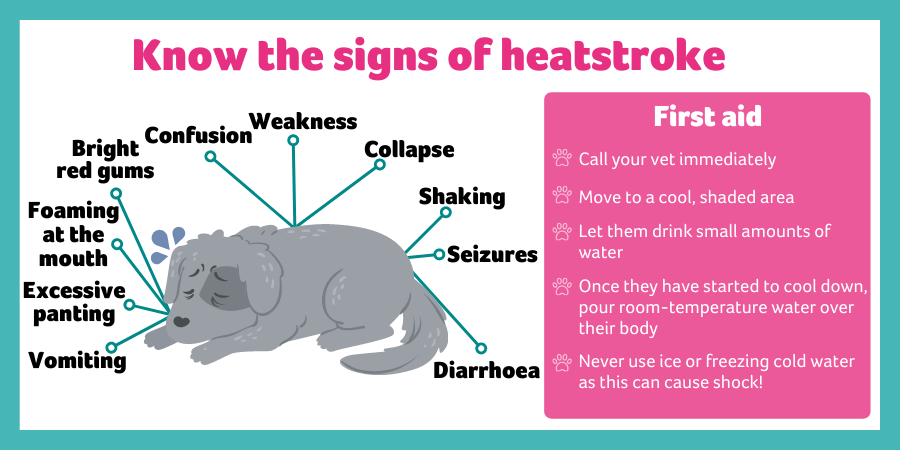
Image Source: www.pdsa.org.uk
Recognizing Abnormal Panting Patterns
Panting is normal for dogs. They use it to cool down because they don’t sweat much through their skin. However, when panting changes suddenly, it becomes a red flag.
What Normal Panting Looks Like
Normal panting is:
- Shallow and rhythmic.
- Happens after activity or when hot.
- Stops once the dog cools down or rests.
- The dog is generally alert and happy.
Signs of Concerning Panting
When you notice rapid dog panting at rest, look for these changes:
- Intensity: The panting is forceful, loud, or ragged.
- Duration: It does not stop even when the dog is in a cool, calm place.
- Accompanying Signs: The dog seems restless, anxious, or even weak.
If you observe dog suddenly panting and lethargic, this is a major warning sign that you should seek veterinary help right away.
Medical Reasons for Sudden Excessive Dog Panting
Many health problems can cause a dog to start panting hard without warning. These issues often involve the heart, lungs, pain, or brain function.
Heart and Lung Issues
Problems with the body’s systems for breathing and moving blood are common culprits for sudden heavy panting.
Congestive Heart Failure (CHF)
When the heart cannot pump blood effectively, fluid can back up into the lungs. This makes it hard for the dog to get enough oxygen. This often shows up as dog breathing fast and shallow even when resting.
- Signs to watch for: Weakness, coughing (especially at night), and bluish gums.
Respiratory Distress
Anything blocking the airways or affecting lung capacity can cause sudden heavy breathing. This could be fluid in the lungs (pulmonary edema) or even a foreign object stuck in the throat.
Pain and Discomfort
Dogs hide pain very well. One of the most common ways they show deep pain or severe discomfort is through sudden excessive dog panting. If your dog is not hot and is panting heavily, assume they hurt somewhere.
- Internal Pain: Issues like pancreatitis, bloat (GDV), or a ruptured tumor can cause intense internal pain leading to heavy breathing.
- Injury: A sprain, a broken bone, or a deep cut can cause enough shock and pain to trigger heavy panting. If you notice my dog is panting more than usual after a slight stumble or rough play, check them thoroughly for injuries.
Stress, Anxiety, and Fear
Extreme emotions can cause a flood of adrenaline, leading to rapid breathing as if the dog were exercising. This often presents as why is my dog panting and restless.
- Situational Triggers: A sudden loud noise (thunder, fireworks), a scary visitor, or being left alone unexpectedly can trigger a panic response resulting in panting.
- Generalized Anxiety: Some dogs suffer from anxiety disorders that flare up unexpectedly.
Metabolic and Hormonal Causes
Several body chemistry imbalances can cause panting as a direct side effect.
Cushing’s Disease (Hyperadrenocorticism)
This happens when the body makes too much of the stress hormone, cortisol. Dogs with Cushing’s often drink and urinate a lot, and they show sudden excessive dog panting because the excess hormones affect muscle strength and breathing control.
Thyroid Issues
An overactive thyroid (hyperthyroidism) speeds up the dog’s metabolism. This increased internal activity generates more heat and requires more oxygen, leading to heavy breathing.
Neurological Problems
Issues affecting the brain or nervous system can disrupt the body’s normal temperature and breathing regulation centers.
- Seizures: Dogs often pant heavily immediately before or after a seizure.
- Brain Tumors or Injuries: These can interfere with the signals that tell the body when to breathe normally.
Environmental and External Factors
Sometimes, the cause of dog panting heavily for no reason is environmental, even if you don’t immediately realize it.
Heatstroke Risk
Even on a mild day, a dog can quickly overheat. Dogs in cars, even for a few minutes with a window cracked, are at extreme risk. Heatstroke is a dire medical emergency.
| Temperature Range | Dog Risk Level | Action Required |
|---|---|---|
| Above 85°F (29°C) | High Risk | Active cooling needed. |
| 90°F+ (32°C+) | Extreme Risk | Immediate cooling and vet visit. |
If your dog is panting excessively in warm weather, move them to an air-conditioned space immediately. Wet their paws and belly with cool (not ice-cold) water.
Medication Side Effects
Certain drugs can cause increased thirst, anxiety, or changes in body temperature regulation, leading to rapid dog panting at rest.
- Steroids (like Prednisone) are notorious for causing increased panting.
- Some pain medications or heart drugs can also have this side effect. Always review new medication side effects with your vet.
When to Worry About Dog Panting: Red Flags
It is crucial to know when to worry about dog panting. If the panting is new, intense, and not tied to exercise or heat, it warrants concern.
Immediate Emergency Signs
If you see any of these signs alongside the heavy panting, call your emergency vet immediately:
- Blue or Purple Gums/Tongue: This means the dog is not getting enough oxygen.
- Collapse or Fainting: Loss of consciousness, even briefly.
- Foaming at the Mouth: Especially if thick or bloody.
- Distended or Hard Abdomen: This can signal bloat (GDV), a fatal emergency.
- Extreme Lethargy: If your dog is panting hard but cannot stand or move, this is a major emergency. The combination of dog suddenly panting and lethargic means immediate critical care is needed.
When to Call the Regular Vet Soon
If the panting is persistent but your dog is still alert and able to walk, call your regular veterinarian for advice within a few hours if you notice:
- Panting lasts longer than 30 minutes after cooling down.
- The dog seems unusually restless or distressed (why is my dog panting and restless).
- The dog is refusing food or water.
- You notice dog breathing fast and shallow even when trying to rest quietly.
Fathoming the Causes of Acute Dog Panting
To help your vet diagnose the issue, you need to observe the timing and context of the panting.
Did It Start After a Specific Event?
Tracing the onset of acute dog panting is helpful.
- After Eating? Could point toward reflux, bloat, or internal pain.
- After Waking Up? Could relate to nighttime coughing, heart issues, or pain that worsened overnight.
- During the Night? Nighttime panting is often linked to anxiety, heart problems, or sleep apnea, which makes the dog gasp for air.
Respiratory Rate Comparison
A normal resting respiratory rate for a dog is usually between 10 to 30 breaths per minute. You can count this by watching the chest rise and fall while the dog is calm.
If your dog is taking 40, 50, or more breaths per minute while lying still, this is rapid dog panting at rest and needs investigation.
Diagnostic Steps Your Vet Might Take
When you bring in a dog showing sudden excessive dog panting, the veterinarian will perform a systematic check.
Initial Physical Exam
The vet will first check the essentials:
- Temperature Check: To rule out fever or heatstroke.
- Gum Color Check: To assess oxygen levels.
- Auscultation (Listening): Using a stethoscope to listen closely to the heart for murmurs or irregularities, and to the lungs for crackles or wet sounds indicating fluid.
Advanced Testing
Depending on initial findings, further tests may be ordered to pinpoint the cause of my dog is panting more than usual:
- Chest X-rays: These are vital for looking at the size of the heart and checking for fluid or masses in the lungs.
- Blood Work: A complete blood count (CBC) and chemistry panel can reveal infections, kidney issues, or hormonal imbalances (like Cushing’s).
- Heart Monitoring: An echocardiogram (ultrasound of the heart) can see how well the heart valves are working.
Managing Anxiety-Related Panting
If the vet rules out life-threatening physical causes and suspects stress is the driver behind why is my dog panting and restless, management focuses on calming the environment.
Creating a Safe Haven
Dogs need a secure place to retreat when they feel overwhelmed.
- Use a crate or a small, quiet room covered with a blanket.
- Ensure this space is associated only with positive things, like high-value chews.
Calming Techniques
For dogs experiencing sudden excessive dog panting due to situational fear:
- Pheromones: Diffusers or collars releasing Dog Appeasing Pheromones (DAP) can mimic the scent a mother dog releases to calm her puppies.
- Calming Wraps: Products like the ThunderShirt apply gentle, constant pressure, which some dogs find comforting, similar to swaddling a baby.
- Behavior Modification: Work with a certified behaviorist to desensitize your dog to known triggers slowly.
Veterinary Support for Anxiety
In severe cases where anxiety leads to constant heavy breathing, vets may prescribe short-term or long-term anti-anxiety medication to break the panic cycle and allow behavior training to be effective.
Addressing Pain as a Cause of Panting
If pain is causing dog panting heavily for no reason, treating the pain is the key to stopping the panting. Never give your dog human pain medication, as most are highly toxic to dogs.
Recognizing Subtle Pain Cues
Since dogs often pant instead of whining, look for other signs when you suspect pain is behind dog suddenly panting and lethargic:
- Reluctance to jump or climb stairs.
- Shaking or trembling when moving.
- Pacing instead of settling down.
- Guarding a specific body area.
Veterinary Pain Management
Treatment depends entirely on the source of the pain:
- Joint Issues: NSAIDs (Non-Steroidal Anti-Inflammatory Drugs) designed for dogs, joint supplements, or physical therapy.
- Acute Injury: Rest, possibly immobilization, and stronger pain relief as directed by the vet.
- Internal Issues: Treatment targets the underlying disease (e.g., antibiotics for an infection, surgery for a blockage).
Special Considerations: Brachycephalic Breeds
Breeds with short, flat faces (like Pugs, Bulldogs, and Boxers) have inherently compromised airways. These dogs often exhibit my dog is panting more than usual simply due to mild exertion or slight increases in temperature because they cannot efficiently move air.
If you own a brachycephalic breed, any sudden increase in panting severity should be treated as an emergency until proven otherwise, as they can progress to respiratory failure much faster than long-nosed breeds.
Deciphering Panting Related to Illness
When panting is a symptom of a wider illness, controlling the panting is secondary to treating the core problem.
Diabetes and Ketoacidosis
Uncontrolled diabetes can lead to a dangerous buildup of acid in the blood (ketoacidosis). Dogs experiencing this are often very thirsty, vomit, and breathe rapidly and deeply (a type of panting often described as air-hunger). This is a critical emergency.
Anemia
If a dog loses a significant amount of blood or has a condition that destroys red blood cells, they become anemic. Without enough red blood cells to carry oxygen, the dog breathes faster and heavier to compensate, leading to dog breathing fast and shallow episodes.
Maintaining a Healthy Baseline to Avoid Sudden Panting
Prevention is always better than treatment, especially when dealing with unpredictable symptoms like acute dog panting.
Optimal Weight Management
Excess weight strains the heart and lungs. Fat tissue traps heat inefficiently, forcing the dog to pant more to regulate temperature, making them more prone to overheating and respiratory stress. Keeping your dog lean drastically reduces this risk.
Regular Veterinary Check-ups
Routine exams allow your vet to catch subtle issues like early-stage heart murmurs or slight increases in organ enzymes before they escalate into a crisis requiring emergency visits for sudden excessive dog panting.
Hydration and Environment Control
Always ensure fresh, cool water is available. In summer, restrict heavy exercise to early morning or late evening. Be mindful of asphalt temperatures, which can burn paws and cause immediate distress leading to panting.
FAQ Section
Q: Why is my dog panting heavily but acting totally normal otherwise?
A: If your dog is panting heavily but seems alert, happy, and has pink gums, the most likely causes are mild environmental heat, recent over-excitement, or anxiety related to something you haven’t noticed. However, even if they seem normal, persistent heavy panting warrants a call to your vet to rule out mild pain or early heart trouble.
Q: Can stress alone cause dangerous panting?
A: Yes. Severe anxiety or panic attacks can cause intense adrenaline release, leading to hyperventilation that mimics severe physical distress. If you suspect anxiety is the issue, monitor for other signs like pacing or hiding. If the panting is uncontrollable, seek medical advice, as severe stress can sometimes lead to secondary issues.
Q: How long should I wait before taking my dog to the vet for panting?
A: If the panting is accompanied by lethargy, vomiting, refusal to drink, or blue gums, go immediately. If the dog is panting heavily but otherwise responsive and you cannot identify a clear trigger (like heat or exercise), wait no more than one hour. If the heavy panting has not subsided by then, call the vet for triage advice.
Q: Is it possible for my dog to pant due to medication they started yesterday?
A: Absolutely. Medication side effects are a very common cause of sudden excessive dog panting. If the panting started shortly after beginning a new prescription, call the prescribing veterinarian right away to ask if this is a known side effect and if adjustments are needed. Never stop a prescription medication without consulting the vet first.