
You tell if your dog has Parvo by looking for key signs like severe, bloody diarrhea, constant vomiting, sudden loss of appetite, and extreme lethargy. If you see these signs, especially in a young puppy, you must contact a vet right away. Diagnosing parvovirus in dogs needs quick action for the best chance of survival.
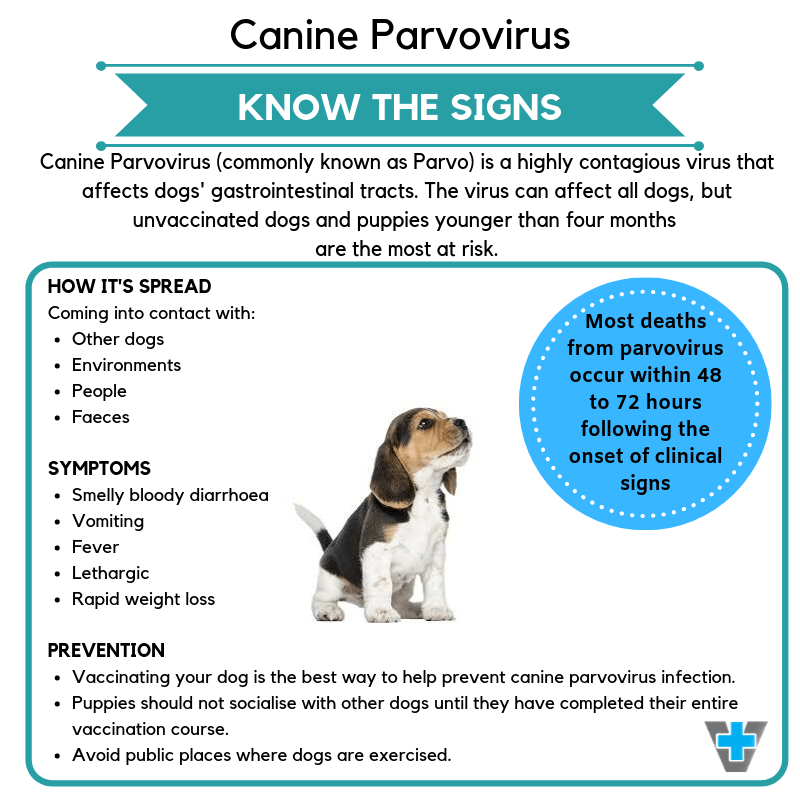
Image Source: www.letlovelive.org
Grasping the Danger: What is Canine Parvovirus?
Canine parvovirus, often called Parvo, is a tough and very catching disease. It hits dogs hard, especially young puppies. This virus attacks the dog’s body very fast. It focuses on the gut and the white blood cells.
The virus is tiny but strong. It can live in the environment for a long time. This makes it easy for dogs to catch it from infected areas, even if the sick dog is long gone. Vaccination is the best defense against this illness.
Why Parvo is So Scary
Parvo causes major problems in the body.
- Gut Damage: The virus destroys the lining of the intestines. This stops the dog from absorbing food and water. It also lets harmful bacteria move into the bloodstream.
- Immune Collapse: Parvo wipes out the white blood cells. These cells fight off germs. With fewer white blood cells, the dog cannot fight off other infections that come with Parvo.
Recognizing the Red Flags: Canine Parvovirus Symptoms
Spotting canine parvovirus symptoms early is crucial. Symptoms usually appear three to seven days after a dog catches the virus. The illness progresses in stages, making early recognition vital.
Initial Signs to Watch For
The very first signs can seem mild. They often look like a simple stomach bug at first.
- Lethargy: The dog acts very tired. It has little energy to play or move around.
- Loss of Appetite: The dog refuses to eat its food. This is a big change if your dog usually loves to eat.
- Fever: The dog’s body temperature rises above normal. This shows the body is fighting something.
The Classic, Severe Signs
As the illness moves along, the signs become very clear and serious. These are the signs that scream “Parvo!”
- Dog Vomiting and Diarrhea Parvovirus: This is the most famous sign. The dog throws up often. The diarrhea is very bad. It is often smelly and watery.
- Bloody Diarrhea: The stool turns bloody. It can look red or dark brown/black. This means the gut lining is severely damaged.
- Dehydration: Because the dog is vomiting and having severe diarrhea, it loses fluids fast. The dog becomes weak and its gums feel dry and sticky.
It is vital to watch closely for puppy parvovirus signs as puppies are most at risk. Young puppies can go downhill very quickly.
Mapping the Infection: Parvovirus Stages in Dogs
Parvovirus runs a predictable, yet rapid, course through the body. Knowing the parvovirus stages in dogs helps you grasp the timeline of the crisis.
Stage 1: Exposure and Incubation (Days 1–3)
The dog is exposed to the virus, perhaps by sniffing contaminated feces or touching a dirty surface. The virus starts to multiply inside the dog’s body. During this time, the dog usually looks and acts completely normal. You cannot tell it is sick yet.
Stage 2: Early Symptoms (Days 4–5)
The first mild signs start to show. This is when lethargy and a slight lack of appetite begin. A vet might not find the virus yet, but the dog is starting to feel unwell.
Stage 3: Acute Illness (Days 6–10)
This is the worst phase. Severe dog vomiting and diarrhea parvovirus starts here. The dog becomes severely dehydrated. The white blood cell count drops sharply. This is the peak time for the virus to shed in the stool, making the dog highly contagious. Treatment must begin now.
Stage 4: Recovery or Critical Decline (Days 10+)
If treatment is successful, the dog starts to improve slowly. Appetite returns. Vomiting lessens. If the dog does not respond to care, the immune system is too weak, and dehydration becomes life-threatening. Death often occurs in this stage if not treated aggressively.
Distinguishing Parvo from Other Illnesses
Many stomach bugs cause vomiting and diarrhea in dogs. It is easy to mistake Parvo for something less serious, like a change in diet or eating something bad. Distinguishing parvo from other illnesses requires looking at the whole picture, especially the severity and the dog’s age.
Comparing Parvo to Simple Upset Stomachs
| Symptom | Simple Stomach Upset | Canine Parvovirus |
|---|---|---|
| Energy Level | May be slightly low, but active | Extreme lethargy, will not move |
| Vomiting | Occasional, may stop in 24 hours | Frequent, persistent, lasts days |
| Diarrhea | Usually loose, may have mucus | Severe, watery, often foul-smelling |
| Blood in Stool | Rare, maybe slight streaks | Common, frank blood or dark red |
| Appetite | Might skip one meal | Complete refusal to eat for days |
| Puppy Age | Any age | Most common in puppies 6 weeks to 6 months |
Parvo vs. Hemorrhagic Gastroenteritis (HGE)
HGE, now often called Acute Hemorrhagic Diarrhea Syndrome (AHDS), is another serious cause of bloody stool. Hemorrhagic gastroenteritis in dogs causes sudden, massive bloody diarrhea.
- Parvo: Usually preceded by fever and vomiting for a day or two. The dog feels sick for longer before the blood starts.
- HGE/AHDS: Often strikes suddenly in otherwise healthy-seeming dogs. Blood is the primary, immediate symptom.
A veterinarian will need tests to be sure which illness is present, as both need fast care.
The Crucial Role of Early Detection and Testing
Because Parvo progresses so fast, early parvovirus detection can save your dog’s life. Do not wait for all the symptoms to appear before calling the clinic.
When to Suspect and Act
If you have a puppy who is not fully vaccinated, or if your dog has been around other dogs recently (dog parks, boarding kennels), suspect Parvo if they show any of these signs:
- Vomiting continues for more than 12 hours.
- Diarrhea lasts more than one full day.
- The puppy becomes too weak to stand.
Parvo Testing for Dogs: The Tools Vets Use
To confirm the diagnosis, vets use specific tests. These tests look for the virus itself.
Snap Tests (In-Clinic)
The most common test is the ELISA snap test. This is a quick test done right in the clinic.
- How it works: The vet takes a small sample of the dog’s stool. This sample is mixed with a solution and placed on a test card.
- Results: Results usually come back in about 10 minutes. A positive result means the virus is present.
- Note: Sometimes, a very sick dog might test negative early on. The vet might repeat the test a day later.
PCR Testing (Laboratory)
For more detailed checks, a Polymerase Chain Reaction (PCR) test can be sent to a lab. This test finds the actual viral DNA. It is highly sensitive and can confirm the diagnosis even when snap tests are unclear.
Bloodwork Insights
While the stool test confirms the virus, blood tests show how much damage Parvo has done to the body. The key finding is a very low white blood cell count (leukopenia). This low count strongly points toward Parvo in a dog showing gastrointestinal signs.
The Veterinarian Diagnosis Parvovirus: What Happens Next?
A veterinarian diagnosis parvovirus is the most important step. Treatment is intensive and almost always requires hospitalization. Home care alone is rarely successful due to the severity of dehydration and infection risk.
Initial Steps at the Clinic
Once Parvo is confirmed, the vet moves fast to stabilize the dog.
- Fluid Replacement: Intravenous (IV) fluids are given right away. This fights the severe dehydration from vomiting and diarrhea. Fluids also contain electrolytes to keep the body balanced.
- Controlling Vomiting: Medications are given to stop the nausea and vomiting. This helps the dog feel better and allows IV fluids to work effectively.
- Antibiotics: Broad-spectrum antibiotics are started immediately. This fights the bacterial infections that rush into the body when the gut barrier is broken down by the virus.
Ongoing Care and Monitoring
Treatment continues until the dog stabilizes, which can take several days.
- Nutrient Support: Once vomiting stops, the vet will slowly introduce small amounts of bland food or use feeding tubes to ensure the gut starts healing.
- Antivirals (Less Common): While there isn’t a drug that kills Parvo directly, some treatments may help reduce viral shedding.
- Immune Support: Sometimes, plasma transfusions or specialized immune globulins are used for very critical cases.
Preventing Parvo: The Best Defense
The only reliable way to prevent Parvo is through vaccination. Prevention is far easier and cheaper than fighting the disease.
Vaccination Schedule for Puppies
Puppies need a series of shots because the immunity passed from the mother (maternal antibodies) interferes with the vaccine.
- The first vaccine is usually given around 6 to 8 weeks old.
- Boosters are given every 3 to 4 weeks after that.
- The final set of puppy shots is given around 16 weeks of age.
It is vital to keep puppies away from public areas where dogs roam until the vet confirms they have full protection.
Environmental Clean-up
Parvovirus is tough to kill. If your dog has had Parvo, the area must be fully sanitized.
- Use a solution of 1 part bleach to 30 parts water.
- This mixture must sit on surfaces for at least 10 minutes to kill the virus.
- Wash all bedding and toys thoroughly with hot water and bleach.
Frequently Asked Questions (FAQ) About Parvo
Can I treat Parvo at home if my dog is vaccinated?
While rare, vaccinated dogs can sometimes contract Parvo, usually if they are overdue for a booster or have underlying immune issues. However, home treatment for confirmed Parvo is extremely risky. The fluid loss and risk of secondary infection are too high. A veterinarian diagnosis parvovirus is needed, even in vaccinated animals, to ensure proper support.
How long is a dog with Parvo contagious?
A dog is most contagious when they have active dog vomiting and diarrhea parvovirus symptoms. They can shed the virus in their stool for several weeks after they start feeling better. Keep the sick dog isolated from other dogs completely until the vet says it is safe, often weeks after recovery.
What is the survival rate for Parvo?
With aggressive veterinary care, survival rates are often between 68% and 92%. Without supportive care, the survival rate drops to below 10%. Early detection is the biggest factor in improving this rate.
Can Parvo survive on clothing?
Yes. Parvovirus can survive on shoes, clothes, hands, and outdoor surfaces for months. This is why biosecurity is so important when visiting a clinic or bringing a sick dog home. Always clean shoes and change clothes after contact with a sick animal.
Is Parvo covered by pet insurance?
Most good pet insurance plans cover the diagnostics (like parvo testing for dogs) and the hospitalization costs associated with treating Parvo, as it is a sudden, unexpected illness. Check your policy details regarding pre-existing conditions, though Parvo typically is not considered one unless symptoms started before the policy took effect.