
A wet dog nose is often a good sign! Generally, a damp nose indicates a healthy dog. If you see your dog’s nose is wet, it usually means your pet is normal and doing well. However, too wet or a change in that wetness can sometimes point to health issues. This article will explore the dog nose moisture causes and help you tell the difference between a healthy dog nose wetness and a problem.
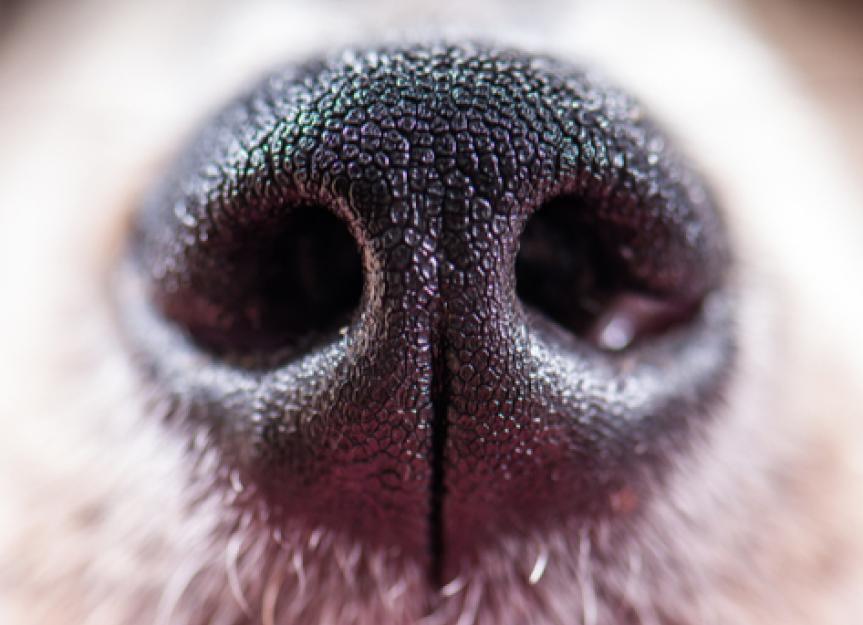
Image Source: image.petmd.com
Deciphering Normal Dog Nose Moisture
It is very common for a dog’s nose to be wet. Many owners ask, why is my dog’s nose damp? The moisture on a dog’s nose serves several important functions. It is not just a random occurrence; it plays a role in how dogs sense the world.
Functions of a Wet Nose
A dog’s incredible sense of smell relies partly on that wet surface. Here are the main causes of a wet dog nose:
- Better Scent Trapping: The thin layer of mucus on the nose traps scent particles from the air. When these particles stick, the dog’s powerful olfactory system can process them better. This is a key part of normal dog nose moisture.
- Cooling System: Dogs do not sweat like humans do. They mostly cool down by panting. However, some minor heat loss can happen through the nose. Evaporation of the moisture helps in cooling the dog slightly.
- Self-Cleaning: The nose constantly produces a small amount of clear liquid. This fluid helps wash away dust and debris. It keeps the nasal passages clean.
Is a Wet Nose Good for Dogs?
Yes, is a wet nose good for dogs? Absolutely. A moist, cool nose is usually a sign of a healthy, alert dog. If your dog’s nose feels cool and slightly damp to the touch, you likely have nothing to worry about. This healthy dog nose wetness is the baseline for a healthy canine.
Exploring the Causes of a Wet Dog Nose
So, what specifically makes the nose wet? There are many causes of a wet dog nose, ranging from environmental factors to natural body processes.
Environmental Factors Affecting Nose Wetness
Your surroundings greatly influence how wet your dog’s nose is throughout the day.
Sleeping and Waking Up
When a dog sleeps, they do not lick their nose as often. Fluids can build up slightly during rest. Waking up often means a dry nose at first, followed by increased wetness as they start sniffing their surroundings.
Recent Licking
Dogs frequently lick their noses. They do this to keep the scent receptors working well and to clean off anything stuck there. If your dog just gave its nose a good lick, it will definitely be wet!
Drinking Water
If your dog has recently had a drink, water naturally splashes or clings to the nose. This is a very simple, temporary reason for a wet nose.
Weather and Humidity
High humidity in the air can keep the nose naturally more moist. Conversely, very dry or windy weather can cause a dog to lick its nose more frequently, temporarily making it wetter.
Biological Reasons for Increased Moisture
Beyond the environment, some bodily functions can increase nose moisture.
Excitement and Arousal
When dogs get excited, their bodies prepare for action. This includes increased circulation. If your dog is happy to see you or ready to play, increased blood flow can lead to more nasal secretions. This is part of the normal reaction when you ask, “why is my dog nose so wet?”—it might just be happy!
Olfactory Activity
When a dog is actively smelling something intensely, like tracking a scent, the nasal glands might produce more mucus to capture those scent particles. This heightened activity leads to a wetter nose.
When Wetness Becomes Excessive: Recognizing a Problem
While a damp nose is normal, sometimes the moisture level changes drastically. Owners need to recognize the causes of excessive dog nose wetness or changes in discharge consistency.
Differentiating Discharge Types
Not all wetness is the same. Healthy moisture is usually clear and thin. If the moisture changes color or thickness, it is a signal to pay closer attention.
| Discharge Appearance | Common Causes | Urgency Level |
|---|---|---|
| Clear, Thin Liquid | Normal function, excitement, high humidity | Low |
| Thick, White/Yellow Mucus | Early infection, allergies, irritation | Medium |
| Green or Foul-Smelling Discharge | Bacterial infection, serious blockage | High |
| Bloody Discharge | Injury, foreign object, clotting issue | High |
Reasons for a Runny Dog Nose
If the moisture turns into a persistent drip, you are dealing with a runny nose. A few key reasons for a runny dog nose include:
- Allergies: Just like people, dogs can suffer from environmental allergies (pollen, dust). This often causes clear, watery discharge.
- Irritants: Smoke, strong cleaning chemicals, or dust can irritate the nasal lining, leading to temporary running.
- Foreign Bodies: A blade of grass or small seed lodged in the nostril can cause irritation and excessive drainage, often from just one side.
- Infections: Viral or bacterial infections (like canine flu) frequently cause colored and excessive nasal discharge.
Investigating a Sticky Dog Nose Causes
Sometimes, the discharge isn’t just watery; it can be thick or tacky. Sticky dog nose causes usually point toward mucus starting to dry or thickening due to inflammation or infection. If you feel something tacky, it warrants a check-up sooner rather than later. A sticky nose might indicate a higher concentration of immune cells reacting to an irritant or pathogen.
The Opposite Concern: When is a Dog’s Nose Dry?
Just as excessive wetness can be concerning, a consistently dry nose needs investigation too. If you are wondering is a wet nose good for dogs, the answer implies that a very dry nose might be bad.
How to Check Dog Nose Health
To check dog nose health, look for three things: moisture, temperature, and appearance.
- Moisture: Is it slightly damp?
- Temperature: Is it cool to the touch? (Note: A dry nose doesn’t always mean fever; a dog sleeping in the sun might have a dry nose temporarily.)
- Appearance: Are the nostrils clear? Is the skin intact?
Common Reasons for a Dry Nose
A dry nose that lasts more than a few hours, especially if accompanied by other symptoms, needs attention.
- Dehydration: Not drinking enough water is a major cause of general dryness, including the nose.
- Sunburn: Dogs with pink or lightly pigmented noses can get sunburned, causing dryness and cracking.
- Skin Conditions: Certain skin diseases or autoimmune issues can affect the nose’s ability to stay moist.
- Medications: Some medications can have drying side effects.
It is important not to panic if the nose is dry upon waking. Check it again after the dog has been active or had water.
Health Conditions Linked to Nasal Changes
When changes in wetness persist, they may link to underlying health problems. Recognizing these connections is key to timely veterinary care.
Respiratory Infections
The most common culprit for significant nasal discharge is infection.
- Kennel Cough (Bordetella): Often starts with a dry cough but can progress to thick nasal discharge.
- Canine Influenza: Causes fever, lethargy, and heavy, often yellow or green, nasal discharge.
- Distemper: A severe viral infection that can cause thick discharge, often accompanied by eye issues.
Allergic Reactions and Irritation
If your dog is reacting to something, the body tries to flush it out. This leads to increased moisture.
- Environmental Allergies: Pollen, mold, or dust mites trigger a histamine response, making the nose and eyes watery.
- Food Sensitivities: Less common than environmental allergies, but certain foods can cause systemic irritation manifesting in the sinuses.
Dental Disease
Believe it or not, severe dental problems can affect the nose. Tooth roots in the upper jaw sit very close to the nasal cavity. An abscessed tooth can cause drainage into the sinuses, leading to reasons for a runny dog nose, often with a foul smell.
Nasal Polyps or Tumors
Growths inside the nasal passages can block drainage or cause chronic irritation. This often results in persistent discharge from only one nostril, which might be bloody or thick.
Grasping the Nuances of Dog Nose Licking
Since licking is a primary factor in dog nose moisture causes, it deserves a deeper look. Licking is normal behavior, but excessive licking signals a problem.
When Licking Becomes Compulsive
If your dog seems obsessed with licking its nose, it might be trying to relieve an itch or discomfort.
- Nasal Itch: Allergies or minor irritation can cause an itch that the dog tries to scratch with its tongue.
- Anxiety/Compulsion: In rare cases, excessive licking can become a displacement or compulsive behavior related to stress.
If you notice your dog constantly licking its nose to the point where the skin looks raw or irritated, consult your vet.
Environmental Management to Promote Healthy Nose Moisture
You can take simple steps at home to support your dog’s nasal health and maintain that healthy dog nose wetness.
Hydration is Key
Ensure your dog always has access to fresh, clean water. Good hydration supports all bodily functions, including the production of healthy nasal mucus.
Air Quality Control
If you live in a very dry climate or use strong indoor heating/air conditioning:
- Consider using a humidifier in the rooms where your dog spends the most time. This keeps the air moist, which helps the nose stay naturally damp.
- Avoid using harsh chemical cleaners near your dog’s resting areas.
Sun Protection
If your dog spends a lot of time outdoors, especially pale-nosed dogs, use pet-safe sunscreen on the nose leather to prevent drying and burning. Sun damage is a major contributor to chronic dryness.
When to Call the Veterinarian
While we have covered many causes of a wet dog nose that are normal, knowing when to seek professional help is vital. Do not wait if you notice these warning signs.
Red Flag Symptoms
If the increased wetness or discharge is paired with any of the following, schedule a vet visit quickly:
- Color Change: Discharge turns yellow, green, or bloody.
- Foul Odor: A bad smell coming from the nose indicates possible infection or rotting material.
- Difficulty Breathing: Snorting, wheezing, or reverse sneezing alongside discharge.
- Lethargy or Fever: Signs that the body is fighting a significant illness.
- One-Sided Discharge: Persistent drainage from only one nostril often suggests a blockage or foreign object.
- Crusting/Cracking: The nose leather becomes hard, cracked, or painful to the touch.
Veterinarians use physical exams, sometimes nasal swabs for testing, and occasionally X-rays or scopes to determine the exact causes of excessive dog nose wetness or dryness.
Putting It All Together: A Quick Guide
To summarize the main points on why is my dog nose so wet:
| Situation | Interpretation | Action Needed |
|---|---|---|
| Nose is cool and slightly damp after waking up. | Normal moisture buildup during sleep. | None. |
| Nose is wet after playing or greeting you. | Excitement or heightened scent tracking. | None. |
| Nose is very wet, clear drip following exposure to dust. | Environmental irritation or allergies. | Monitor; check air quality. |
| Nose is sticky, yellow discharge, dog is sneezing. | Potential early infection or irritation. | Call vet if it persists over 24 hours. |
| Nose is dry and cracked, dog seems uninterested in water. | Dehydration or potential sunburn. | Offer water; apply pet-safe balm if dry. |
Remember, your dog communicates a lot through its nose. Paying attention to its texture and consistency is an easy way to check dog nose health daily. A healthy, functioning nose is slightly wet, cool, and clear—the perfect tool for sniffing out the world!
Frequently Asked Questions (FAQ)
Q1: Can I use human nasal spray on my dog if their nose is too wet?
A: Absolutely not. Never use human medications, including nasal sprays, on your dog unless specifically directed by your veterinarian. Human products can contain ingredients toxic to dogs or cause severe irritation to their sensitive nasal linings.
Q2: If my dog’s nose is dry in the morning, does that mean they are sick?
A: Usually, no. It is very common for a dog’s nose to dry out overnight while they are sleeping because they are not actively licking or interacting with scents. Check the nose again a few hours after they wake up. If it remains dry and the dog shows other symptoms (lethargy, poor appetite), contact your vet.
Q3: My dog’s nose is wet, but one nostril seems wetter than the other. Should I worry?
A: A slight difference is often fine, especially if the dog was just sniffing something intensely on one side. However, if one nostril has persistent, thick, or colored discharge while the other is normal, it could point to an issue like a foreign object, a localized infection, or a growth in that specific passage. Monitor this closely and call your vet if it continues for more than a day.
Q4: What is the significance of a “sticky dog nose causes” versus just being wet?
A: A normally wet nose has thin, clear mucus. A sticky nose means the moisture is thicker, often slightly tacky, or has started to dry out at the edges. This stickiness usually signals that the body is producing thicker mucus to fight something off (like an infection or irritation), or it’s simply mucus that has been exposed to air for a while. It suggests more than just normal function is occurring.