
If you see black tarry stools dog when you clean up after your pet, it means your dog might have digested blood in stool. This dark, sticky appearance is often a sign that blood has passed through the entire digestive tract, changing its color.
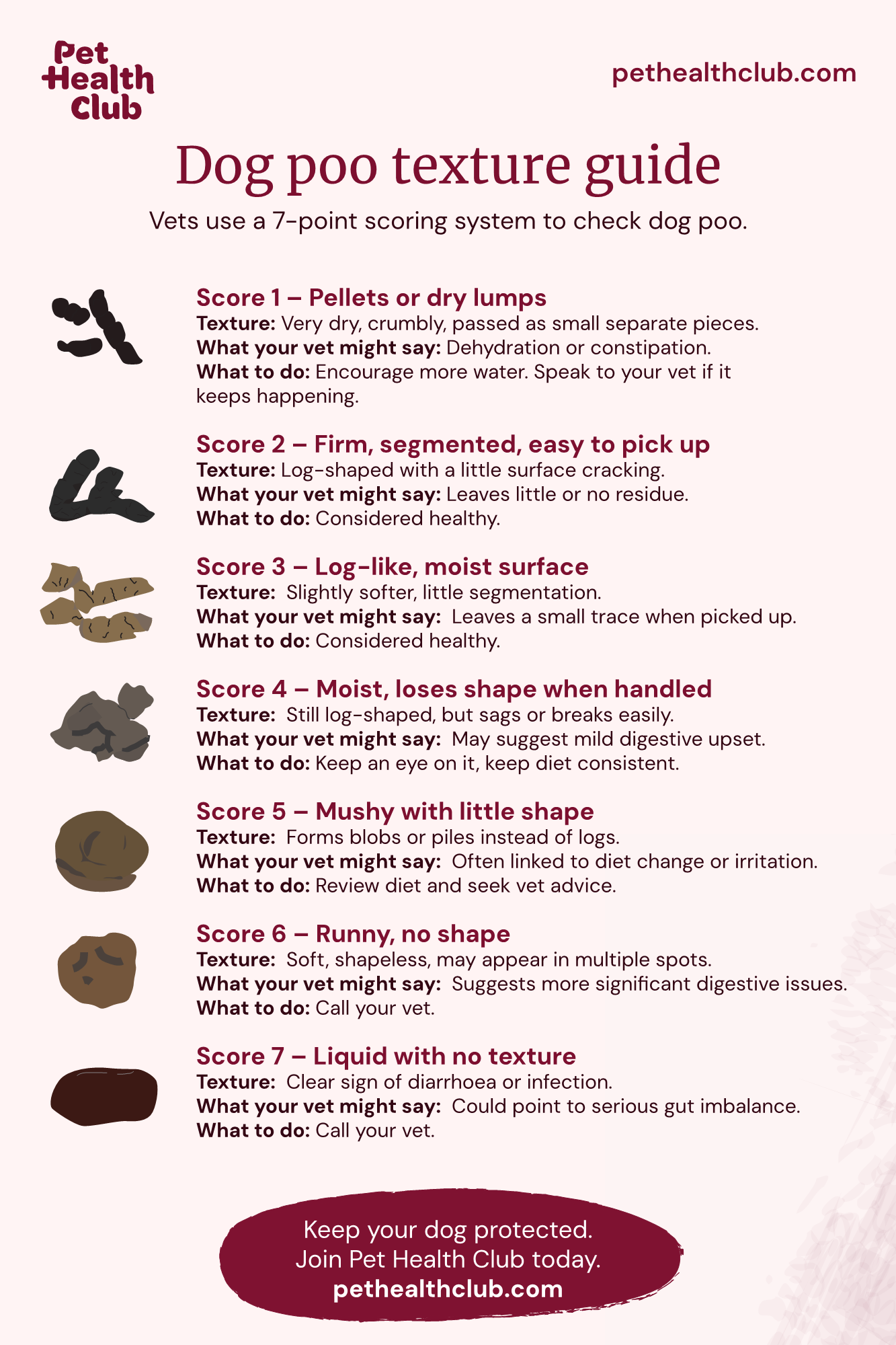
Image Source: images.ctfassets.net
Deciphering Black Stool in Canines
Black poop in dogs is a big alarm bell for pet owners. It usually points toward bleeding high up in the gastrointestinal (GI) tract. This blood turns black and sticky because of stomach acids and enzymes that break it down. This condition is medically known as melena in dogs.
It is crucial to know the difference between this serious sign and something harmless. Sometimes, dog eating black food can cause dark stools that are not tarry or sticky. True melena is black and has a very distinct, often foul, smell.
What Exactly Is Melena in Dogs?
Melena in dogs is the medical term for the passage of black, sticky feces that contains altered blood. The blood turns black due to oxidation. Think of it like an old penny—iron in the blood reacts with air and acid.
When this happens in the stomach or the upper small intestine, the blood gets cooked by digestive juices. This process changes the hemoglobin into a dark substance called hematin. This makes the stool look like tar or old motor oil.
If you notice black sticky dog poop, do not wait to call your vet. Quick action is key to treating the underlying cause.
Common Causes of Dark Dog Stool
There are several reasons why your dog’s stool might turn black. Some are minor, but many require immediate medical attention.
Upper Gastrointestinal Bleeding: The Main Culprit
The most common reason for true black, tarry stool is bleeding in the upper GI tract. This includes the esophagus, stomach, or the first part of the small intestine.
Causes leading to bleeding here include:
- Ulcers: Stomach or intestinal ulcers are painful sores that can bleed heavily. These are often caused by stress, certain medications (like NSAIDs meant for humans), or underlying diseases.
- Inflammation (Gastritis/Enteritis): Severe inflammation of the stomach lining or small intestine can cause erosions and bleeding.
- Tumors or Polyps: Growths in the upper GI tract can break open and bleed slowly over time.
- Foreign Body Injury: If your dog swallows something sharp, like a bone shard or a piece of hard plastic, it can scrape or cut the GI tract lining.
Medications and Supplements
Certain medicines can turn a dog’s stool dark or black. This is usually not melena, as the stool might not be sticky or tarry.
- Iron Supplements: If a dog receives iron supplements, their stool will often look black. This is simply unabsorbed iron.
- Bismuth Subsalicylate (Pepto-Bismol): This common over-the-counter medicine contains bismuth, which reacts with sulfur in the dog’s GI tract to create bismuth sulfide. This looks exactly like black stool, but it is harmless. Important: Never give your dog human medications without asking your vet first.
Dietary Factors: What to Rule Out First
Before panicking about internal bleeding, make sure your dog hasn’t eaten something dark. This is especially important when assessing causes of dark dog stool.
- Black Licorice: While rare, some licorice contains dark dyes that can color stool.
- Dark Foods: Large amounts of dark foods, like black olives or very dark meat products, can sometimes darken feces temporarily.
How to tell the difference: If the stool is just dark brown or black but still forms a normal shape and isn’t sticky, it’s likely dietary. If it looks like motor oil, it’s likely digested blood.
Parasites and Infections
While less common for causing classic melena, severe parasitic infections in the upper GI tract or acute, severe infections can cause enough irritation to lead to bleeding.
Hematochezia vs. Melena in Canines: Knowing the Difference
Veterinarians use specific terms to describe blood in the stool. Knowing these terms helps you communicate clearly with your vet.
| Condition | Description | Location of Bleeding | Stool Appearance | Urgency |
|---|---|---|---|---|
| Melena | Altered, digested blood | Upper GI tract (stomach/small intestine) | Black, sticky, tarry, foul-smelling | High |
| Hematochezia | Fresh, undigested blood | Lower GI tract (colon/rectum) | Bright red streaks or clots | Medium to High |
Hematochezia vs. melena in canines is a crucial distinction. Bright red blood (hematochezia) suggests a problem near the exit—like irritation from straining, anal gland issues, or a fast bleed in the colon. Black, tarry stool (melena) implies a slower or more severe problem higher up where the blood has time to cook.
When to Seek Immediate Veterinary Care
Any instance of black tarry stools dog warrants a call to the vet. If you notice the following signs along with the black stool, treat it as an emergency:
- Lethargy and Weakness: Your dog seems tired, weak, or won’t move much.
- Vomiting: Especially if the vomit is also black or looks like coffee grounds (this is also digested blood).
- Pale Gums: Press your dog’s gums gently. If they stay white or pale pink instead of quickly returning to a healthy pink, they may be losing too much blood.
- Abdominal Pain: Your dog cries out or resists when you touch their belly.
- Collapse: Any sign of shock or collapse requires immediate transport to an emergency clinic.
Identifying Melena in Puppies
Identifying melena in puppies requires extra vigilance. Puppies have smaller blood volumes, so they can become critically anemic much faster than adult dogs.
Puppies are susceptible to severe parasitic infections (like hookworms) that can cause significant blood loss internally. If a puppy has black, tarry stool, dehydration and shock can set in rapidly. If you suspect melena in puppies, go to the vet immediately.
Veterinary Assessment and Diagnosis
When you bring your dog in for black stool, the veterinarian will start a systematic process to find the source of the bleeding.
Initial History and Physical Exam
The vet will ask detailed questions:
- When did you first notice the black stool?
- Has your dog eaten anything unusual lately?
- Is your dog on any medications (even aspirin or ibuprofen)?
- How is your dog’s energy level and appetite?
The physical exam will focus heavily on checking the mucous membranes (gums) for signs of anemia and palpating the abdomen for pain or masses. A quick check of the back end is also done to ensure there is no bright red blood mixed with the tarry stool.
Diagnostic Tests
Finding the source of the bleeding often requires specialized tests.
Blood Work
A Complete Blood Count (CBC) is essential. It checks the red blood cell count (Packed Cell Volume or PCV). A low PCV confirms anemia due to blood loss. Other blood tests assess organ function, which can point to underlying issues like kidney or liver disease that might cause bleeding issues.
Fecal Tests
While melena often means the blood has moved past where most parasites are detected, a fecal float test is still done to check for common intestinal parasites.
Imaging
- X-rays: These help spot foreign bodies, severe gas patterns, or large masses in the GI tract.
- Ultrasound: This is a powerful tool. The vet can look closely at the stomach wall and intestines for ulcers, thickened areas, tumors, or inflammation.
Endoscopy
If the bleeding source is not obvious, an upper GI endoscopy may be needed. The vet passes a flexible tube with a camera down the throat into the stomach and upper small intestine. This allows them to see the bleeding site directly, take biopsies (small tissue samples), and sometimes even stop minor bleeding using specialized tools passed through the scope.
Treatment Strategies for Black Tarry Stools Dog
Treatment depends entirely on what is causing the bleeding.
Supportive Care for Blood Loss
If the dog is anemic, the first step is stabilization.
- Intravenous (IV) Fluids: These help maintain blood pressure and hydration, which is crucial if the dog has lost a lot of fluid volume through bleeding or vomiting.
- Blood Transfusion: If the anemia is severe (very low PCV), a blood transfusion may be necessary to rapidly replace lost red blood cells.
Treating Specific Causes
Once the cause is found, targeted therapy begins:
- Ulcers: Treatment involves medications to reduce stomach acid (like Proton Pump Inhibitors or H2 blockers) and protect the stomach lining (sucralfate). Antibiotics might be used if H. pylori bacteria are suspected.
- Foreign Bodies: If a foreign object caused the issue, it usually needs to be removed surgically, or sometimes via endoscopy if it is lodged in an accessible area.
- Inflammation: Steroids or specialized diets may be used to calm severe inflammation in the GI tract.
- Tumors: Surgery or chemotherapy/radiation will be recommended based on the type and location of the tumor.
Long-Term Prognosis and Management
The outlook for a dog with melena in dogs varies widely.
If the cause is easily treatable, like a short course of medication-induced ulcers, the prognosis is usually excellent once the medication is stopped and the GI tract heals.
If the cause is severe, such as advanced cancer or chronic, severe inflammatory bowel disease, management becomes long-term, focusing on quality of life and symptom control.
Owners must remain vigilant after a melena episode. Stool monitoring is essential for several weeks following treatment to ensure the bleeding has fully resolved.
Ensuring Readability and Accessibility
We aim to keep this information clear and easy to process. We avoid complex jargon where simple words work better.
Simple Steps for Owners When Black Stool Appears
If you see black sticky dog poop, follow these easy steps:
- Stay Calm: Panic makes it harder to think clearly.
- Collect a Sample: If possible, quickly scoop up a small sample of the black stool. You can wrap it in plastic wrap or a plastic bag. This helps the vet immensely.
- Note Other Symptoms: Check for vomiting, weakness, or paleness.
- Call the Vet: Describe the stool as “black, sticky, and tarry” to emphasize that it looks like digested blood.
Avoiding Medication Misuse
Never give your dog human pain relievers like ibuprofen (Advil) or naproxen (Aleve). These drugs are very harsh on a dog’s stomach lining and are a frequent cause of severe GI bleeding and ulcers, leading directly to melena. Always ask your veterinarian before giving any human medicine.
Frequently Asked Questions (FAQ)
Can I wait a day to see if my dog’s black stool goes away?
For true black tarry stools dog appearance, no, you should not wait. Because this indicates bleeding that has already occurred higher up, waiting allows more blood loss to happen silently. If the stool is definitely black and tarry, call the vet right away. If it is just dark brown from diet, a brief wait might be okay, but it’s safer to call first.
Is black stool always digested blood?
Not always, but most of the time, a truly black, sticky stool is digested blood in stool. The main non-blood causes are iron supplements or bismuth-containing medicines. If you rule out those common dietary/medication factors, assume it is blood until a vet tells you otherwise.
How long does it take for blood to turn into melena?
The speed depends on how fast the GI contents move. Generally, blood needs several hours—often 6 to 12 hours—to travel through the stomach and upper intestine to be fully broken down by acid and enzymes into the black, tarry appearance of melena.
What if my dog only has one episode of black poop?
Even a single episode is reason for concern. It might mean the source of bleeding has stopped, but it confirms that bleeding occurred. Your veterinarian needs to know to rule out anything serious, especially when identifying melena in puppies, where one event can signal a major problem.
Are there any home remedies for black stool?
There are no safe home remedies for stopping internal bleeding causing black sticky dog poop. Trying to treat this at home delays essential diagnosis and potentially life-saving stabilization treatment. Focus only on getting professional help.