
When your dog refuses to walk, it can be confusing and frustrating. Dog refusing to walk is a common issue, but the reasons behind canine reluctance on walks can vary widely, ranging from simple preference to serious medical problems. Generally, if your dog suddenly stops walking, the cause is either a physical issue, a fear or anxiety problem, or a breakdown in training or routine.
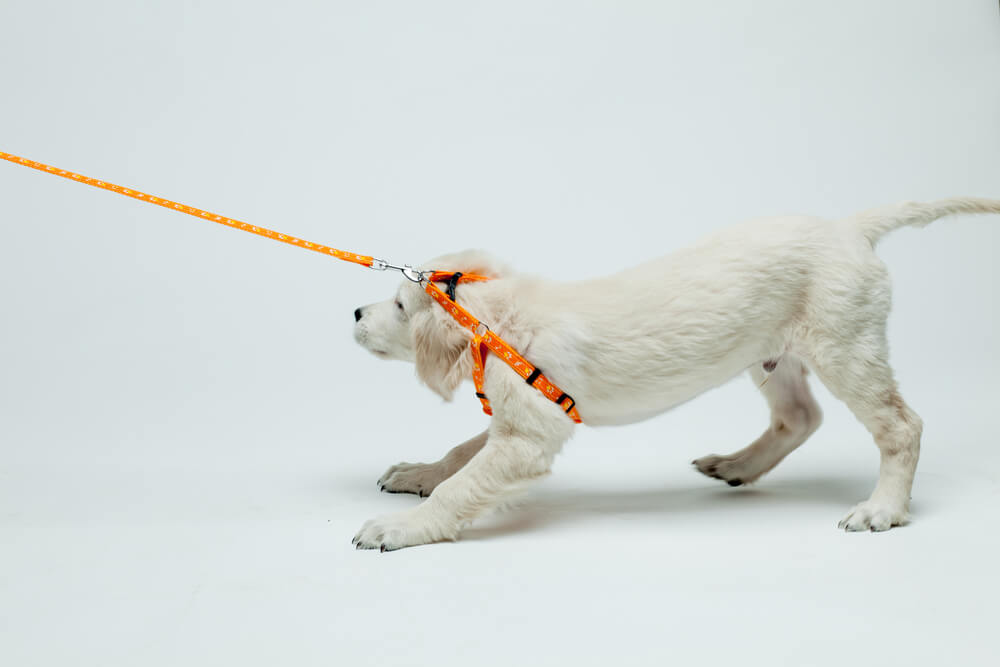
Image Source: blog.myollie.com
Medical Issues: When Pain Stops the Paws
The most urgent reasons for a sudden stop or refusal to move often relate to health. If your dog seems fine one day and won’t budge the next, a trip to the vet is the first step. You should always rule out pain before assuming the issue is behavioral.
Fathoming Physical Discomfort
A dog that suddenly stops walking might be trying to tell you something hurts. Look closely at your dog’s body language when they are asked to move. Are they lagging or favoring one leg?
Joint and Bone Problems
As dogs age, joint issues become more common. Conditions that cause pain when weight is put on the legs or back are major contributors to elderly dog won’t walk scenarios.
- Arthritis: This causes stiffness and pain, especially in cold or damp weather. Small movements become hard work.
- Hip or Elbow Dysplasia: These genetic conditions cause painful misalignment in the joints.
- Spinal Issues: Problems like Intervertebral Disc Disease (IVDD) can make movement very painful, causing the dog to freeze up.
Paw and Foot Injuries
Sometimes the issue is right at the ground level. If your dog has a painful paw dog walk becomes impossible.
- Cuts or Splinters: A small, sharp object stuck in the pad can cause intense pain.
- Burns or Frostbite: Walking on extremely hot pavement or icy surfaces can damage the paw pads.
- Broken Nails: A split or torn nail is often excruciatingly painful.
- Infections: Blisters or localized infections can make stepping down difficult.
Internal Health Issues
Pain doesn’t always show up only in the legs. General fatigue or systemic illness can make a dog too weak or unwilling to exert the energy needed for a walk.
- Heart or Lung Issues: If walking causes shortness of breath or excessive fatigue, the dog will learn to avoid the activity that triggers it.
- Lethargy from Illness: Any sickness, from a mild stomach bug to a major organ issue, can lower a dog’s desire to move.
If you notice limping, stiffness, or unusual reluctance, consult your veterinarian immediately to get a proper diagnosis.
Behavioral Roadblocks: Fear, Anxiety, and Training Gaps
If your vet gives your dog a clean bill of health, the next area to explore is behavior. Many reasons dog won’t leave house stem from emotional distress or habits that have developed over time.
Deciphering Dog Walk Anxiety
Dog walk anxiety is a significant factor in reluctance. If a walk has previously resulted in something negative, the dog will try to avoid it.
Negative Associations
Dogs are masters of linking events. If one bad thing happens during a walk, the whole walk becomes scary.
- Past Trauma: Did the dog get scared by a loud truck, an aggressive dog, or even a sudden thunderstorm while walking? They may associate the leash or the front door with that scary moment.
- Over-Intrusion: If the dog is constantly bombarded by too many sights, sounds, or other dogs, the walk becomes overwhelming, leading to shutdown.
Environmental Triggers
The outside world can be too much for some dogs. This often manifests as dog scared to go outside past the doorway.
- Noise Sensitivity: Construction, traffic, or even children playing loudly can cause a dog to plant its feet and refuse to proceed.
- Unfamiliar Surfaces: Some dogs dislike the feeling of slick sidewalks, gravel, or grates under their paws, especially if they haven’t been socialized to them early on.
- Weather Extremes: High winds or heavy rain often make dogs hesitant to step out.
Training and Leash Dynamics
Sometimes the issue isn’t fear of the walk itself, but frustration or confusion about what the walk entails. If you have a leash pulling dog, you might unknowingly be reinforcing the very behavior that makes walks unpleasant for both of you.
Reinforcing Pulling
When a dog pulls on the leash, and the owner keeps moving forward, the dog learns that pulling gets them where they want to go faster. This constant tension makes the walk stressful and tiring, not enjoyable. If the walk becomes a battle of wills, the dog may eventually shut down rather than fight.
Lack of Motivation
What is in it for the dog? If walks are always just a quick potty break with no positive reinforcement, the dog sees no value in them.
- Boredom: The same route every day, with no sniffing time, equals boredom. Dogs need mental stimulation, and walks are primarily for sniffing.
- Inconsistent Cues: If sometimes you go for a fun park walk and other times it is a quick, rushed trip around the block, the inconsistency confuses the dog.
Social Dynamics and Control Issues
How you handle the leash and your own emotional state matters significantly.
- Owner Tension: Dogs are experts at reading human body language. If you are anxious about encountering another dog, or stressed about needing to get somewhere quickly, your tension travels right down the leash. Your dog senses this and mirrors the stress, leading to canine reluctance on walks.
- Over-Reliance on Equipment: Heavy, restrictive harnesses or shock collars can create negative physical pressure associated with the act of walking itself.
Developmental Stages and Age-Related Changes
A dog’s willingness to walk changes throughout its life. What worked for a puppy may fail spectacularly for a senior dog.
Puppyhood and Adolescence
Puppies require positive exposure. If a puppy was kept indoors too long or had a bad early experience, they might develop apprehension. Adolescence often brings a temporary desire to ignore commands as they test boundaries.
The Senior Shift
As mentioned regarding medical issues, age plays a huge role. An elderly dog won’t walk not because they are stubborn, but because they are tired.
| Age-Related Factor | Effect on Walking |
|---|---|
| Decreased Vision or Hearing | Makes them easily startled by unseen or unheard threats. |
| Stiff Joints (Arthritis) | Shortens endurance and increases pain perception. |
| Reduced Energy Levels | Shorter walks are tolerated; longer ones cause exhaustion. |
| Cognitive Decline (Dementia) | Confusion about direction or purpose can cause stopping mid-route. |
For senior pets, the goal shifts from long hikes to maintaining mobility and comfort.
Practical Steps for Training Dog to Enjoy Walks
If you have ruled out major health concerns, you can focus on reintroducing positive experiences. The key to training dog to enjoy walks is making the experience predictable, rewarding, and low-pressure.
Rebuilding Confidence for the Anxious Walker
If your dog is showing signs of dog scared to go outside, you need to go back to basics—making the doorway a positive place.
- De-Sensitize the Leash and Gear: Put the leash and harness on for short periods inside the house while giving high-value treats. Take the gear off before any walk happens. The gear should predict food, not immediate work or fear.
- Doorway Games: Stand near the door. If the dog approaches the door calmly, toss a treat away from the door. Repeat this until the dog is relaxed near the entrance. Never force the dog out.
- Threshold Training: Only step one paw outside. If the dog stays calm, immediately step back inside and reward heavily. Gradually increase the time spent outside the threshold. If the dog pulls back, you moved too fast.
- The “U-Turn” Technique: If you are on a walk and your dog freezes, gently turn around and walk the other way for a few steps. Reward them for moving in the opposite direction. This breaks the fixation on what scared them and gives the dog a sense of control (you are choosing the direction).
Making Sniffing the Priority
Sniffing is critical mental work for dogs. For many dogs, a walk is a job interview for their nose.
- Slow Down: Let your dog dictate the pace for a good portion of the walk. Allow long pauses where they are actively sniffing. This fulfills a deep biological need.
- Vary the Route: If possible, change where you walk, even if it’s just turning down a different block. New smells are stimulating and prevent boredom.
- Treat Trails: Occasionally, drop tiny, high-value treats on the ground while walking (in safe, clean areas) to encourage positive forward movement and engagement with the ground.
Addressing Leash Reactivity and Pulling
A leash pulling dog is often not trying to be dominant; they are trying to rush to the next exciting thing without proper manners.
- Loose Leash Training (L.L.T.): If the leash is tight, stop moving immediately. Only move forward when the leash slackens, even for a second. This teaches: Tight leash = no reward (forward movement). Loose leash = reward (forward movement).
- Change Direction Often: If your dog pulls toward a distracting object, immediately make a sharp 180-degree turn before they reach their goal. When they follow you willingly, reward them heavily. This breaks the focus on the distraction.
- Use Appropriate Gear: Ensure the harness fits well. Front-clip harnesses can sometimes help reduce pulling momentum without causing pain, which can make the early stages of L.L.T. easier.
Environmental Adjustments for Reluctant Walkers
If the issue is environmental, sometimes a change in when or how you walk can solve the problem of dog refusing to walk.
Timing Matters
When is your dog most reluctant? If it is an elderly dog won’t walk when it is cold, adjust the time.
- Avoid Peak Times: If traffic noise or high pedestrian volume spooks your dog, walk very early in the morning or late in the evening when streets are quiet.
- Weather Checks: Feel the pavement with your bare hand. If you can’t comfortably hold your hand there for five seconds, it is too hot or too cold for your dog’s paws.
Changing the Walk Environment
If the neighborhood streets are too stressful, change the location entirely.
- Indoor Options: For dogs with severe anxiety or painful paw dog walk issues, indoor exercise is vital. Use puzzle toys, indoor agility courses (using cushions and broomsticks), or treadmill work (introduced slowly).
- Safe Outdoor Zones: Seek out quiet, grassy areas like large, empty schoolyards (after hours), cemeteries (quiet and grassy), or dog-friendly indoor malls or stores if appropriate for your dog’s temperament.
Comprehensive Checklist for Dog Refusing to Walk
Use this table to quickly assess potential causes for canine reluctance on walks or when your dog suddenly stops walking.
| Category | Potential Issue | Solution Focus |
|---|---|---|
| Health | Injury, pain (e.g., arthritis, sore paw) | Vet examination, pain management. |
| Fear/Anxiety | Loud noises, past trauma, novelty fear | Slow desensitization, positive association building. |
| Environment | High traffic, extreme weather | Change walking time or location. |
| Training | Inconsistent cues, lack of motivation | Reward system overhaul, focus on loose-leash skills. |
| Fatigue | Overexertion, underlying illness | Shorter, lower-intensity sessions. |
Frequently Asked Questions (FAQ) About Dog Walking Refusal
Q: How long should I wait before assuming my dog will eventually walk if they stop?
A: If your dog stops suddenly, wait about 30 seconds and use a very gentle, happy verbal cue (“Let’s go!”) or a mild lure (a favorite toy or treat held near the ground ahead). If they do not respond within one minute, do not drag or force them. Gently turn around and head back toward home. Forcing a stop usually reinforces the fear or discomfort.
Q: Can my dog get tired of walking?
A: Yes. Dogs, especially seniors or dogs with low fitness levels, can become physically exhausted or overly stimulated. If the walk is too long or too intense for their current condition, they will shut down. Short, frequent walks are better than one exhausting long walk when recovering fitness or managing age.
Q: Is it true that if my dog pulls, they are showing dominance?
A: Modern veterinary behaviorists rarely use the term “dominance” in this context. Leash pulling dog behavior is almost always about lack of training, excitement, or impatience to reach a desired smell or location, not an attempt to take over. Training focuses on teaching them that polite walking yields rewards.
Q: My dog has separation anxiety. Will this affect walks?
A: Yes. While separation anxiety is about being left alone, the anxiety often spills over into other routines. A dog with high underlying anxiety may be more fearful on walks (dog walk anxiety), easily startled, and more prone to freezing up because their stress levels are already high.
Q: What if my dog only refuses to leave the house?
A: If the reasons dog won’t leave house are consistent, the problem is linked to the threshold experience. This is usually rooted in fear of the outside world or extreme environmental sensitivity. Focus intensively on desensitization right outside the door, rewarding even a single brave sniff of the air, before attempting to move forward.