
Can I drain a dog ear hematoma at home? No, you should not attempt to drain a dog ear hematoma at home. A professional veterinarian must perform canine aural hematoma drainage to ensure the procedure is sterile, effective, and safe for your dog. Attempting to drain it yourself can cause more pain, increase the risk of infection, and lead to chronic problems.
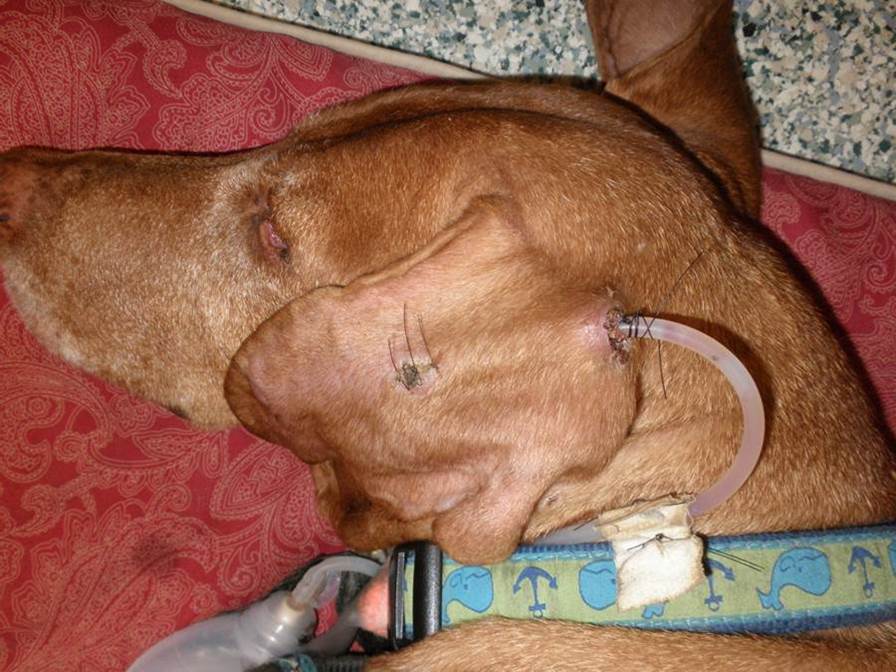
Image Source: www.mspca.org
Deciphering the Canine Aural Hematoma
A dog ear hematoma happens when blood collects under the skin flap of the ear flap (pinna). This collection of blood causes the ear to look puffy, often like a balloon filled with fluid. It is a common and often painful issue for dogs.
Aural Hematoma Causes in Dogs
What makes this problem happen? Usually, something causes the small blood vessels in the ear to break.
- Head Shaking and Scratching: This is the most common reason. Dogs shake their heads hard due to ear infections, allergies, or ear mites. This violent movement tears the vessels.
- Trauma: A direct hit to the ear can cause a break in the vessels. This might happen during play or a fight with another animal.
- Underlying Issues: Poor blood clotting or severe systemic illness can sometimes make a dog more prone to developing a hematoma.
If you see your dog shaking its head a lot, check its ears right away. Early action helps prevent a large hematoma.
The Importance of Professional Veterinary Care
Self-treatment is dangerous. Only a vet has the skill and tools for proper dog ear hematoma treatment.
Why Home Draining Fails
If you try to pop or drain the ear at home, several bad things can happen:
- The blood might not drain completely.
- You introduce germs, causing an infected dog ear hematoma care emergency.
- The pocket might refill quickly because the seal isn’t proper.
- Your dog will feel great pain.
A veterinarian will properly diagnose the issue and choose the best path forward for veterinary draining dog ear swelling.
Veterinary Procedures for Hematoma Relief
When you take your dog to the clinic, the vet will look at the size and age of the hematoma. Treatment varies based on these factors.
Options for Small, New Hematomas
For very small, recent hematomas, the vet might try less invasive steps first.
- Aspiration: The vet uses a sterile needle to draw out the blood. This is quick.
- Medication: Sometimes, anti-inflammatories are given to help the body reabsorb the fluid.
However, small hematomas often refill if the underlying cause (like shaking) is not fixed.
The Need for Surgical Intervention
Most moderate to large hematomas need a minor surgical procedure. This is the gold standard for lasting repair.
Surgical Options for Dog Ear Hematoma
The goal of surgery is to drain the fluid and then stitch the skin layers back together. This prevents the blood pocket from reforming.
- Incision and Drainage: The vet makes a small cut. They clean out all the blood and debris.
- Suturing Techniques: Vets often use specific stitches. These stitches tie the skin layer to the cartilage layer underneath. This stops the space from reforming.
This is far more effective than just draining it once. The surgery helps promote healing in the right way.
Post-Procedure Management: Aftercare for Drained Dog Ear Hematoma
The success of the drainage depends heavily on what happens after the procedure. Good aftercare for drained dog ear hematoma is crucial.
Managing Drains and Sutures
If the vet placed drains or stitches, you must keep the area clean and undisturbed.
- The E-Collar (Cone of Shame): This is non-negotiable. The dog must wear the cone at all times. If the dog scratches or shakes, it will ruin the repair, causing the hematoma to return or the sutures to break.
- Medication: Follow all instructions for pain relief and antibiotics exactly. Infections are a major risk if antibiotics are stopped early.
- Cleaning: Your vet will give you specific instructions on cleaning the area. Usually, this involves using a gentle antiseptic solution twice a day. Never use harsh chemicals like hydrogen peroxide.
Activity Restriction
Rest is vital for healing.
| Activity Type | Duration | Why It Matters |
|---|---|---|
| Leash Walks Only | 7–14 Days | Prevents running, jumping, or rough play. |
| No Swimming | Until Sutures Out | Water greatly increases infection risk. |
| Head Restraint | As Directed | Must keep the head still for initial healing. |
Splinting Dog Ear Hematoma
Sometimes, especially after complex repairs, the vet might use a temporary splint. A splinting dog ear hematoma helps hold the ear flap still against the head. This reduces movement and supports the healing tissues underneath. This is often done with bandages or tape, but it must be checked daily by a professional to ensure blood flow isn’t cut off.
Addressing the Root Cause: Preventing Dog Ear Hematoma Recurrence
If you skip fixing why the hematoma happened, it will surely come back. Preventing dog ear hematoma recurrence means tackling the primary trigger.
Tackling Underlying Ear Issues
Since head shaking is the main driver, you must treat the source of the shaking.
- Ear Infections: If bacteria or yeast caused the shaking, long-term treatment is needed. This might involve special ear cleaners and prescribed drops for several weeks.
- Allergies: Many dogs shake due to environmental or food allergies. Work with your vet to identify and manage these allergies. This can involve diet changes or allergy medications.
- Ear Mites: These tiny parasites cause intense itching. A simple topical medication can clear them up quickly.
If the underlying cause persists, even the best surgical repair will fail eventually.
When Home Remedies Are Not Enough (And Why)
You might find advice online suggesting home remedies for dog ear hematoma. While comforting, these are rarely effective for a true hematoma and can cause harm.
- Warm Compresses: Warmth might help reduce swelling before a large pocket forms. Once a large blood clot is present, heat does little and might increase inflammation.
- Massage: Massaging a hematoma is usually painful and can worsen the tearing of blood vessels, making the problem bigger.
- Herbal Products: These lack scientific backing for treating this kind of acute trauma. They should never replace veterinary drainage.
If you see swelling, call the vet immediately. Do not wait for home remedies to work on a growing blood pocket.
Interpreting the Healing Process
Once drained or operated on, watch your dog closely for signs that the healing is not going well.
Warning Signs After Drainage
Contact your vet right away if you notice any of these signs:
- Fever or Lethargy: Your dog seems generally unwell or weak.
- Increased Pain: The dog cries when the ear is barely touched.
- Foul Odor: A bad smell coming from the ear site suggests infection.
- Re-swelling: The ear starts getting puffy again shortly after the procedure. This means the pocket is refilling.
- Discharge: Pus or thick, colored drainage is a clear sign of infection, especially if the hematoma was not surgically closed properly.
A healthy healing ear will be slightly tender for a few days but should gradually lose its balloon-like appearance as fluid is reabsorbed or cleared.
Long-Term Outlook and Recovery
The good news is that most dogs recover fully from ear hematomas. The process takes patience, especially when dealing with the underlying cause.
What to Expect at Follow-Up Appointments
Follow-up visits are essential for removing stitches and checking the cartilage health.
- Stitch Removal: Usually happens 10 to 14 days post-surgery. The vet checks that the skin edges have sealed together.
- Cartilage Changes: Sometimes, if a hematoma was very large or left untreated for a long time, the ear flap might become permanently thickened or “cauliflower-like.” This is cosmetic but doesn’t usually affect hearing.
Consistent care ensures the best structural outcome.
Comparing Treatment Paths: Quick Summary
It is useful to see the main differences between letting it be, trying home care, and getting professional help.
| Treatment Path | Likelihood of Success | Risk of Infection | Need for Follow-Up |
|---|---|---|---|
| Doing Nothing (Letting it resolve) | Low (Often leads to scarring) | Moderate | High (For chronic ear issues) |
| Home Remedies/Aspiration | Very Low | High | Immediate Vet Visit Recommended |
| Veterinary Surgery/Drainage | High | Low (If sterile technique used) | Essential (For suture checks) |
Choosing the professional route minimizes suffering and maximizes the chance for a fast, complete return to normal function.
Frequently Asked Questions (FAQ)
How long does it take for a dog ear hematoma to heal after draining?
If the hematoma was treated with surgery, stitches usually stay in for 10 to 14 days. Full resolution of swelling and tenderness can take several weeks after the stitches are gone, depending on how large the original hematoma was.
Will my dog’s ear look floppy or damaged after treatment?
If the hematoma was severe or chronic, the ear flap might heal slightly thicker than before, sometimes called “cauliflower ear.” However, modern surgical techniques aim to keep the appearance as normal as possible.
Is anesthesia always needed for dog ear hematoma drainage?
Yes, for proper surgical drainage, or even for needle aspiration of a large pocket, general anesthesia or heavy sedation is almost always required. This is necessary to keep the dog perfectly still, ensuring sterility, and managing the significant pain involved.
How much does it cost to drain a dog ear hematoma?
The cost varies greatly based on location, the size of the hematoma, and whether it requires simple drainage or full surgical repair. Surgical repair is more expensive due to anesthesia, operating room time, and medication costs. Always call your local clinic for an accurate estimate.
Can a hematoma burst on its own?
Yes, a large hematoma can sometimes rupture on its own due to the pressure building up. However, this is dangerous. When it bursts, it creates a very large, open wound that is highly susceptible to severe infection, often requiring more complex cleaning and surgery afterward.