
Do you have to register your dog? Yes, in most cities and counties, you do. This registration is often required by local pet registration laws.
The requirement to register your dog might seem like just another bit of paperwork. However, these rules exist for very important reasons. They help keep your pet safe. They also help keep your whole community safe. This long article will explore the main reasons for mandatory canine identification and the deep impact of dog licensing requirements.
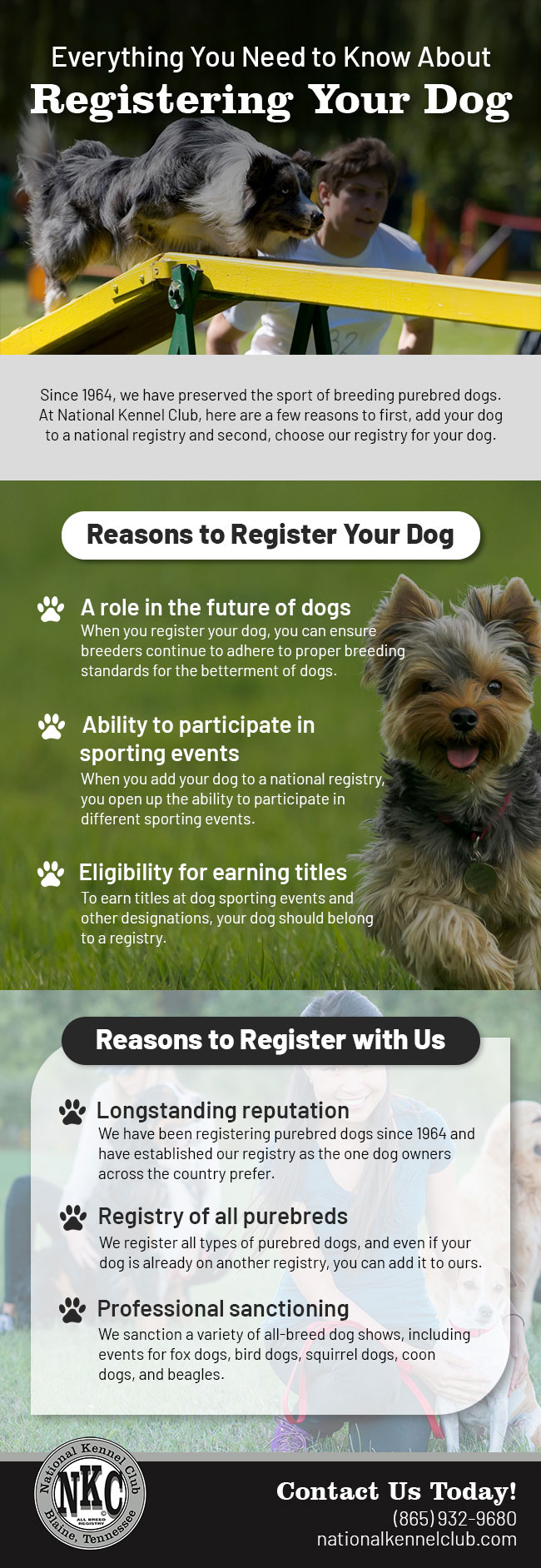
Image Source: nationalkennelclub.com
Why Dog Licensing is More Than Just a Fee
Many people see paying for a dog license as just a tax or a fee. They wonder, “Why should I pay this yearly?” The reality is that this small yearly cost supports huge public benefits. It is a core part of responsible pet ownership.
Ensuring Public Safety and Health
One major reason for registration involves keeping the public safe. Vaccines are key to this safety.
Rabies Control and Prevention
Rabies is a serious, deadly sickness. It spreads to dogs and people. Dog licensing requirements are often tied directly to rabies vaccination proof.
- Proof of Protection: When you register your dog, you must show proof that your dog got its rabies shot. This proves your pet is safe from this disease.
- Tracking Outbreaks: If a rabies case appears, officials need to know which dogs are protected. The municipal pet registry allows health workers to quickly check vaccination records. This helps stop a sickness from spreading quickly.
- Community Health Mandate: Many laws make rabies shots and registration a shared duty. It protects every person and pet in the area.
Managing Stray and Lost Pets
Lost pets are a common, sad problem. Registration makes reuniting owners and pets much easier.
- Quick ID: A license tag is a fast way to identify a lost dog. Animal control officers can scan the tag or look up the number right away. They do not need to wait for a microchip scanner or worry if a chip is up to date.
- Faster Reunions: When a dog is found, the license number connects directly to your phone number and address. This cuts down the time your dog spends scared in a shelter. Less time in a shelter means less stress for your pet.
- Proof of Ownership: If there is a dispute over who owns a found dog, the registration paperwork serves as legal proof. This protects you from theft claims.
The Role of Registration in Animal Services Funding
The money collected from licenses is rarely wasted. It goes directly toward funding crucial animal services you might not think about daily. This directly relates to the purpose of animal registration.
Supporting Local Animal Shelters and Control
Animal control departments rely heavily on these fees to operate. These are not always paid for just by general taxes.
Daily Shelter Operations
Shelters do much more than just house lost pets. They provide critical care.
- Food and Medical Care: Fees pay for the daily food, cleaning supplies, and emergency medical treatment for every animal that comes through their doors.
- Staffing: Licensed funds pay the wages of the officers who rescue strays, respond to neglect calls, and manage the shelter facilities.
- Adoption Programs: Funds support spay/neuter programs and adoption events, which help control the pet population humanely.
Funding Critical Resources
Think about what happens when a dog is picked up. The license fee helps cover the cost of its stay.
| Service Paid For by License Fees | Description |
|---|---|
| Impound Fees | The cost to hold a dog temporarily. |
| Outreach Programs | Education for the public on safe pet care. |
| Emergency Rescue | Saving animals from dangerous situations. |
| Vaccinations | Providing low-cost shots for low-income owners. |
Without these fees, shelters would quickly run out of money. This would lead to overcrowding and less care for every animal.
Supporting Disaster Relief Efforts
When big storms or natural disasters hit, animals often get separated from their families.
- Tracking Tools: Registration databases help authorities quickly match found pets with their owners after a crisis.
- Temporary Housing: Fees often help fund the temporary shelters set up during emergencies to keep pets safe until owners can be found.
Deciphering Local Laws and Compliance
Compliance with local pet registration laws is mandatory in many areas. Ignoring these rules can lead to trouble. Knowing where to register a dog and what the rules are is the first step to being a good citizen.
What is a Municipal Pet Registry?
A municipal pet registry is the official, government-maintained list of all licensed pets within a specific town, city, or county. It is the central record for animal control enforcement.
How to Locate Your Registration Authority
You need to know which government body handles pet licensing in your area.
- City or County Website: Start by searching the official website for your city or county government. Look for sections labeled “Animal Services,” “Animal Control,” or “Pet Licensing.”
- Local Veterinary Offices: Many vets keep flyers or information packets about the current dog licensing requirements in the area.
- Local Animal Shelter: The local shelter is usually the main processing center for new licenses.
The Importance of Renewing Your Dog License
Licenses are rarely permanent. You must keep them current by renewing dog license tags yearly or every few years, depending on the local rule.
Why Renewals Matter
- Outdated Information: If your dog’s registration is old, the contact information is likely wrong. If Rover gets lost today, and the number on file is for an old phone or address, he might not make it home.
- Vaccination Updates: Renewals usually require updated proof of rabies vaccination. This keeps your pet protected and the community safe year after year.
- Avoiding Fines: Keeping your license current prevents you from facing penalties.
Penalties for Unlicensed Dogs
Failing to comply with these rules results in clear consequences. These are the penalties for unlicensed dogs.
Enforcement Actions
Animal control officers patrol neighborhoods and respond to calls about loose dogs. If they pick up an unlicensed dog, several things can happen:
- Impoundment Fees: You will have to pay fees to get your dog back from the shelter. These fees are often higher for unlicensed pets.
- Citation and Fines: You can receive a formal ticket (citation). These fines can range from small amounts to hundreds of dollars, depending on how many times you have been cited before.
- Mandatory Registration: The court or animal control may require you to register your dog immediately, plus pay the outstanding fees and fines.
- Repeat Offenses: If you continue to break the law after being warned, the penalties can get much stricter, sometimes leading to temporary seizure of the animal until all compliance steps are met.
The Benefits of Dog Registration: More Than Just Avoiding Fines
While avoiding fines is a good motivator, the true benefits of dog registration far outweigh the small cost. These benefits directly affect your dog’s well-being.
The Specific Reasons for Dog Tagging
The physical tag that comes with your license is a simple but powerful tool. This is the core of reasons for dog tagging.
Immediate Identification in an Emergency
A tag works instantly. If your dog bolts out the door during a loud thunderstorm or fire alarm, a good tag provides immediate help.
- No Waiting: An officer or kind stranger can see the tag and call you right away. They don’t need to take the dog to a vet or shelter first.
- Proof of Care: A license tag shows that you are a responsible owner who has followed the law and likely provided basic care like vaccinations.
Identifying Medical Needs
Some communities allow owners to put simple medical alerts on their license information, such as “Diabetic” or “Needs Daily Meds.” This critical piece of information can save your dog’s life if he is found injured or stressed.
Legal Protections for Owners
Registration provides a clear legal paper trail showing you are the legal owner.
- Theft Recovery: If someone tries to steal your purebred or beloved family pet, the registration record proves ownership in any legal dispute.
- Insurance Claims: In rare cases, registration proof might be needed for homeowner’s insurance claims if your dog causes property damage or is injured by someone else.
Microchips vs. Registration Tags: Which is Better?
Many modern dog owners choose microchips instead of tags. However, experts stress that both systems work best together. Registration is still required because the chip alone is often not enough.
Why Tags Support Microchips
A microchip is implanted under the skin. It requires a special scanner to read the number.
- Accessibility: Not every person who finds a loose dog has a scanner handy. Almost everyone can read a tag hanging around a dog’s neck.
- Contact Info Changes: Microchip companies must be kept up to date. If you move and forget to update the chip registry, the chip is useless. License information, especially when you renewing dog license, often forces an update of contact details.
Tag Information vs. Chip Information
| Feature | License Tag | Microchip |
|---|---|---|
| Visibility | Instant and visible | Hidden under the skin |
| Data Access | Immediate reading by anyone | Requires a scanner |
| Information Type | License number, city, phone | Unique ID number only |
| Legal Requirement | Often mandatory by law | Usually optional (but highly recommended) |
For maximum safety, your dog should wear a collar with a current license tag, AND be microchipped with up-to-date registration details.
Fathoming the Economics of Pet Ownership
The fees collected through dog licensing requirements are a vital part of the local pet economy. They ensure that community resources are available when needed most.
How Fees Keep the System Sustainable
Responsible pet ownership involves shared costs. If only people who actually lost a dog paid for finding it, the system would collapse during big events like neighborhood pet overpopulation crises.
- Shared Responsibility: Registration spreads the small financial burden across all responsible dog owners. This creates a large, stable fund to manage animal welfare issues for everyone.
- Incentive for Spay/Neuter: Many cities offer lower licensing fees for dogs that have been spayed or neutered. This financial incentive helps control the number of unwanted puppies entering shelters. This is a key component of municipal pet registry policies aimed at population control.
Low-Cost Registration Options
Local governments recognize that cost can be a barrier. Many offer programs to help compliant owners.
Reduced Fees for Qualifying Owners
If you are worried about the expense, check for these common exceptions:
- Senior Discounts: Reduced fees are often available for elderly residents.
- Working Service Animals: Dogs certified as service animals are frequently exempt from licensing fees.
- Low-Income Vouchers: Some counties offer vouchers to help cover the cost, especially when owners are getting their dog vaccinated.
Always check the specific rules for where to register a dog to see if you qualify for a reduced rate.
Comprehensive Look at the Registration Process
Knowing the steps involved makes compliance simple. The process for getting and keeping your license is straightforward.
Step-by-Step Guide to Registering Your Dog
This overview applies to most jurisdictions when fulfilling mandatory canine identification.
Phase 1: Preparation
- Verify Rabies Status: Ensure your dog’s rabies vaccination is current and administered by a licensed veterinarian.
- Check Local Rules: Confirm the local rules regarding age limits (usually dogs over 4 or 6 months must be registered) and fees.
Phase 2: Application
- Gather Documents: Have your dog’s proof of rabies shot and proof of spay/neuter status ready.
- Choose Your Method: Decide if you will register online, by mail, or in person at the municipal pet registry office or shelter.
- Pay Fees: Pay the required fee. Keep the receipt safe.
Phase 3: Receiving and Attaching the Tag
- Receive Tag and Certificate: You will get a license certificate and a metal tag.
- Attach Tag Securely: This step is crucial. Attach the current tag firmly to your dog’s collar. Remember the reasons for dog tagging—it must be visible!
Handling Changes in Information
Your dog’s life changes, and so might your details. It is vital to update your records promptly.
- Moving Homes: If you move, you must notify the animal control agency of your new address.
- Changing Phone Numbers: Keep your contact details current with the licensing office.
If you move to a new county or state, you will likely need to register under the new local pet registration laws. Your old license will not be valid there.
Summary of Core Purposes
Why is this requirement so widely enforced? It boils down to a few core protective functions that benefit every resident and pet.
- Public Health: It ensures rabies vaccination is current across the population.
- Animal Welfare: It funds shelters and speeds up the return of lost pets.
- Legal Order: It provides clear proof of ownership and accountability.
Fulfilling dog licensing requirements is not a punishment; it is a low-cost insurance policy for your dog and a vital contribution to community health standards.
Frequently Asked Questions (FAQ)
Q: Can I register my dog online?
A: Yes, most municipalities now allow you to complete the initial registration or renewing dog license applications online through their official websites. This is usually the fastest way to get your new tag.
Q: What if my dog is a service animal?
A: Service animals are often exempt from standard licensing fees. You must still apply for the registration, but you will need to provide documentation proving the dog’s official service animal status. Check your local pet registration laws for specific exemption details.
Q: Does my dog need a license if it has a microchip?
A: Yes, absolutely. A microchip does not replace the need for a license tag. The license tag provides immediate identification, and the registration ties that tag to your current contact information, satisfying mandatory canine identification rules.
Q: How often do I need to renew my dog license?
A: The frequency varies by location. Most areas require renewal every one or three years. Always check the paperwork you received when you first got your tag or look up the rules for your municipal pet registry.
Q: What is the difference between a license tag and a rabies tag?
A: A license tag usually has a unique municipal number that links back to your address and contact details. A rabies tag confirms the date of the latest rabies shot. Both are often issued at the same time, but they serve slightly different reasons for dog tagging and tracking.
Q: What happens if I move out of the county?
A: If you move, you must register your dog in your new location. Your old license will expire or become invalid because it is tied to the regulations of the previous jurisdiction. You must comply with the new area’s dog licensing requirements immediately upon arrival.