
If you notice your dog’s skin turning black, it is often a sign of hyperpigmentation in dogs or another underlying skin issue. While sometimes harmless, black patches on dog skin or overall dog skin darkening require attention from a vet to find the true cause and start the right how to treat black skin on dog plan.
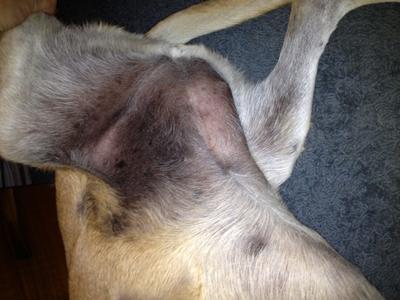
Image Source: www.organic-pet-digest.com
Deciphering the Causes of Dark Skin in Dogs
Many things can make a dog’s skin look dark or black. It is not always one single problem. We must look closely at the skin changes. Is the skin thick? Is it flaky? Does it look like dog skin turning black and scaly? Knowing these details helps narrow down what is happening.
Hormonal Imbalances and Endocrine Issues
Hormones play a big role in skin health. When hormones go wrong, the skin often shows it.
Cushing’s Disease
Cushing’s disease happens when the body makes too much cortisol. This can lead to many skin problems, including darkening. The skin might also get thin. Your dog might drink more water and pee more often. Hair loss is common too.
Hypothyroidism
When the thyroid gland does not make enough hormone, it is called hypothyroidism. This slows down the body. The skin often becomes dry, dark, and can look thick. The coat might become dull or thin. This is a common reason for causes of dark skin in dogs.
Allergic Reactions and Chronic Inflammation
Allergies are a major driver of skin issues in dogs. When a dog scratches or chews too much, the skin reacts. This constant irritation leads to changes.
Atopic Dermatitis (Environmental Allergies)
If your dog is allergic to pollen, dust mites, or mold, they will itch. The constant licking and scratching injure the skin surface. The body tries to heal this damage. This healing process often involves making the skin darker. This is very common in breeds like Labrador Retrievers or West Highland White Terriers.
Food Allergies
Similar to environmental allergies, food sensitivities cause itching. If the dog eats something it is allergic to, the skin flares up. This results in inflammation and subsequent darkening.
Post-Inflammatory Hyperpigmentation
This is a direct result of skin injury. Any time the skin has been inflamed—from infection, scratching, or hot spots—it can leave behind dark spots when it heals. This is often seen as dog skin discoloration black spots where the injury was worst.
Infections and Secondary Issues
Infections often happen because the skin barrier is already weak from allergies or hormones.
Bacterial Infections (Pyoderma)
Bacteria can take hold in irritated skin. This infection causes redness, pus, and odor. Once the bacterial infection clears up, the skin is often left darker than before.
Yeast Infections (Malassezia Dermatitis)
Yeast overgrowth makes the skin very itchy and often greasy. This infection often causes a distinct, musty smell. Like bacterial infections, persistent yeast causes inflammation that leads to dog skin darkening.
Pigmentation Disorders
Sometimes the problem is purely about the color cells, called melanocytes.
Acanthosis Nigricans
This condition makes the skin look greasy, thickened, and very dark, often in the armpits or groin area. It is often linked to underlying hormonal issues, but sometimes it appears on its own. It is a prime example of severe hyperpigmentation in dogs.
Seborrhea Nigra
This refers to black, waxy scaling on the skin. It is often associated with an overproduction of skin oils (sebum). If you see a greasy, dark coat or skin, it might be seborrhea nigra dog. This often needs treatment to manage the oil production.
Breed-Specific Predispositions
Some breeds seem more prone to certain types of skin darkening.
Schnauzer Schnauzer Nose
While the name suggests the nose, this term sometimes refers to generalized skin issues in Schnauzers, though it is most specifically related to nose leather changes. However, Schnauzers, like many purebreds, can suffer from various skin conditions that cause hyperpigmentation. Always check with your vet about breed-specific concerns.
Spotting the Signs: Recognizing Black Skin Changes
It is vital to look closely at how the skin has changed. Not all black skin is the same.
Black Patches on Dog Skin
These are localized areas where the color is much deeper than the rest of the coat or skin.
- Cause: Often trauma, friction, or pressure points.
- Location: Can appear anywhere, but common on elbows, belly, or where the dog lies down often.
Dog Skin Turning Black and Scaly
When darkening comes with flakes or crusts, it suggests an active disease process.
- Scaling: Suggests dryness, overproduction of skin cells (like in seborrhea), or fungal issues.
- Itching: Scaling accompanied by itching points strongly toward allergies or infections.
Skin Discoloration Black Spots
These might look like freckles or small, distinct dark dots.
- Lentigo: These are small, flat black spots. They are usually benign, especially in older dogs or breeds like Boxers or Cocker Spaniels. They are simply an increase in pigment cells.
Thickened, Leathery Skin (Lichenification)
Chronic irritation causes the skin to thicken and darken, making it feel tough. This is a sign that the problem has been going on for a long time. This severe change is often linked to long-term allergy control failure.
Diagnosing the Root Problem: The Vet Visit
Finding out why is my dog skin turning black needs a professional diagnosis. Your veterinarian will perform several tests to pinpoint the issue.
Initial Physical Exam
The vet will check the dog’s overall health, weight, and coat condition. They will ask detailed questions about diet, environment, and when the darkening started.
Skin Scrapings and Cytology
These are essential first steps.
- Skin Scrape: The vet gently scrapes the surface of the skin to check under a microscope for mites (like Demodex).
- Cytology: A swab or tape sample is taken from the dark area to look for yeast or bacteria overgrowth. This helps confirm secondary infections.
Blood Work
If hormones are suspected, blood tests are necessary.
- Thyroid Panel: Checks for hypothyroidism.
- ACTH Stimulation Test or Low-Dose Dexamethasone Suppression Test: Used to diagnose Cushing’s disease.
Allergy Testing
If allergies are likely, further steps may include:
- Food Trials: Feeding a strict novel protein or hydrolyzed diet for 8-12 weeks.
- Intradermal or Serum Allergy Testing: To identify environmental triggers.
| Diagnostic Test | What It Looks For | Common Link to Dark Skin |
|---|---|---|
| Skin Cytology | Bacteria and Yeast | Infections secondary to allergies/hormones |
| Skin Scrape | Mites (Mange) | Inflammation leading to hyperpigmentation |
| Blood Chemistry | Organ function, hormone levels | Cushing’s, Hypothyroidism |
| Biopsy | Rare skin diseases, severe lichenification | Confirming specific diagnoses |
Addressing the Causes: Treatment Strategies
The treatment focuses on fixing the main problem, not just the color change. Treating the underlying cause often halts or reverses the dog skin darkening.
Treating Hormonal Disorders
Hormone imbalances require specific medications managed by your vet.
- Cushing’s Disease: Medication aims to lower cortisol production. Skin health often improves once hormones stabilize.
- Hypothyroidism: Daily thyroid hormone replacement pills are usually very effective. Skin quality and coat texture typically return to normal.
Managing Allergies and Inflammation
This is often a lifelong management plan.
- Eliminate Triggers: Strict adherence to allergen avoidance or dietary changes.
- Anti-Itch Medication: Drugs like Apoquel or Cytopoint can significantly reduce the itch cycle. Less scratching means less inflammation, which means less dark skin development.
- Topical Therapy: Medicated shampoos and conditioners help control yeast, bacteria, and reduce scaling associated with seborrhea nigra dog. Look for ingredients like chlorhexidine or ketoconazole.
Controlling Infections
Infections must be cleared quickly to stop further skin damage.
- Antibiotics or Antifungals: Oral medications are used for severe infections.
- Medicated Baths: Frequent bathing (sometimes 2-3 times a week initially) with vet-approved products cleanses the skin and applies topical medication.
Addressing Pigmentation Issues Directly
If the darkening is purely cosmetic (like benign lentigo or mild post-inflammatory changes), direct treatment might not be needed or possible.
- Gentle Care: For benign spotting, gentle moisturizing and keeping the skin healthy is the best approach. Avoid harsh scrubbing, which can worsen the issue.
Topical Care for Dark, Affected Skin
Topical treatments are key for managing the surface symptoms, especially when you see dog skin turning black and scaly.
Medicated Shampoos
These are crucial for reducing yeast, bacteria, and scaling.
- Cleansing Shampoos: Use these first to wash away dirt and oils.
- Therapeutic Shampoos: These contain active ingredients like benzoyl peroxide (for greasy skin) or salicylic acid (for scaling). Let these sit on the skin for 10 minutes before rinsing thoroughly.
- Moisturizing Rinses: After using harsh medicated shampoos, a soothing conditioner helps restore the skin barrier, which fights off future irritation.
Skin Conditioners and Sprays
These products offer relief between baths.
- Oatmeal Sprays: Soothe itchiness and dryness.
- Essential Fatty Acids (EFAs): Supplements like Omega-3s (fish oil) work from the inside out to promote healthy skin cell turnover and reduce inflammation, helping with overall dog skin discoloration black appearance caused by chronic inflammation.
Special Care for Sensitive Areas
Areas like the groin, armpits, and under the tail need gentle attention. These areas trap moisture and heat, worsening infections and darkening. Keep these areas dry and clean. If you are dealing with black patches on dog skin in these moist areas, ensure you dry thoroughly after bathing.
Long-Term Management and Prevention
Once you have identified the cause, keeping the skin healthy is a long-term project. Preventing recurrence stops the skin from getting dark again.
Nutrition’s Role
A high-quality diet supports skin health.
- Balanced Fats: Ensure the diet provides adequate Omega-3 and Omega-6 fatty acids. These help maintain the skin barrier integrity. A strong barrier resists allergens and infections better.
- Avoid Poor Quality Fillers: Foods high in certain carbohydrates or low-quality proteins can sometimes trigger hidden sensitivities.
Environmental Control
If allergies are the culprit, managing the home environment helps immensely.
- Regular Vacuuming: Use a vacuum with a HEPA filter to minimize dust and mold spores.
- Washing Bedding: Wash your dog’s bedding frequently in hot water to kill dust mites.
- Paw Wiping: Wipe your dog’s paws after outdoor time, especially during high pollen seasons, to remove allergens that trigger itching and subsequent darkening.
Regular Veterinary Check-ups
For chronic issues like Cushing’s or allergies, regular monitoring is required. Your vet needs to check blood work or assess the severity of skin changes during routine visits. Early detection of a flare-up means faster treatment and less permanent darkening.
Focusing on Specific Skin Conditions Causing Black Spots
Sometimes the concern is specifically about dog skin condition black spots rather than generalized darkening.
Melanosis vs. Hyperpigmentation
It is important to know the difference between true pigment increase (melanosis) and darkening due to inflammation (hyperpigmentation).
- Melanosis: This is benign, caused by an increase in pigment cells. It often appears as deep black spots, like freckles, that do not cause itching or scaling. Think of the dark spots on a Schnauzer schnauzer nose—these are usually just normal pigment variation.
- Hyperpigmentation: This is a reaction. The dark color is the skin’s scar tissue or defensive response to ongoing damage. If the area is itchy, bumpy, or scaly, it is inflammatory hyperpigmentation, not simple melanosis.
Managing Fungal Overgrowth Leading to Darkening
If yeast or fungus is involved, they thrive in moist, dark environments (like skin folds). Treating the fungus is the only way to stop the associated darkening.
- Proper Drying: After swimming or bathing, ensure all skin folds and crevices are completely dry. Use a soft towel or even a low-heat hairdryer.
Summary: Taking Action When Skin Turns Black
When you see your dog’s skin turning black, take these steps:
- Observe: Note if the area is itchy, scaly, greasy, or just dark.
- Consult: Schedule a vet appointment promptly. Do not try to scrub the color off.
- Test: Cooperate with your vet during necessary tests (scrapes, blood work).
- Treat the Cause: Follow the treatment plan for the underlying condition (hormones, allergies, or infection).
- Maintain: Use topical products and dietary changes to keep the skin barrier strong for long-term health.
Reversing severe, long-standing hyperpigmentation can take many months of consistent treatment. However, by successfully managing the root cause, you can significantly lighten the skin and keep your dog comfortable.
Frequently Asked Questions (FAQ)
Is black skin on my dog always serious?
No, not always. Small, flat, non-itchy black spots (lentigo) are usually harmless spots of pigment increase. However, if the skin is thickened, scaly, or the dog is scratching, it signals a more serious underlying issue like allergies or a hormonal imbalance that needs veterinary attention.
Can diet fix dog skin turning black?
Diet cannot directly remove existing dark pigment, but good nutrition is vital for skin health. High-quality food rich in Omega-3 fatty acids can reduce inflammation. If the darkening is due to a food allergy, changing the diet can stop the inflammation cycle that causes further hyperpigmentation.
How long does it take for dark skin to lighten up after treatment?
The timeline varies greatly. If the darkening is due to a secondary infection, the color might improve within a few weeks once the infection is cleared. If it is chronic hyperpigmentation from long-term allergies or hormonal issues, it can take several months of consistent treatment to see significant lightening.
Can I use human skin lightening creams on my dog?
Absolutely not. Human skin products often contain ingredients toxic to dogs, even if washed off. Only use topical treatments specifically prescribed or recommended by your veterinarian for your dog’s condition.
Is dog skin discoloration black always permanent?
In many cases, especially if the hyperpigmentation is mild or recent, it can lighten considerably or even disappear once the underlying inflammation is controlled. However, very long-standing, thickened, leathery skin (lichenification) may remain permanently darker than the surrounding skin, even after the initial problem is fixed.