
A dog chews on its feet for many reasons. These reasons range from simple medical issues like allergies or injury to deeper behavioral problems such as anxiety or boredom. Often, dog paw licking is the first sign that something is wrong before it turns into excessive dog foot chewing.
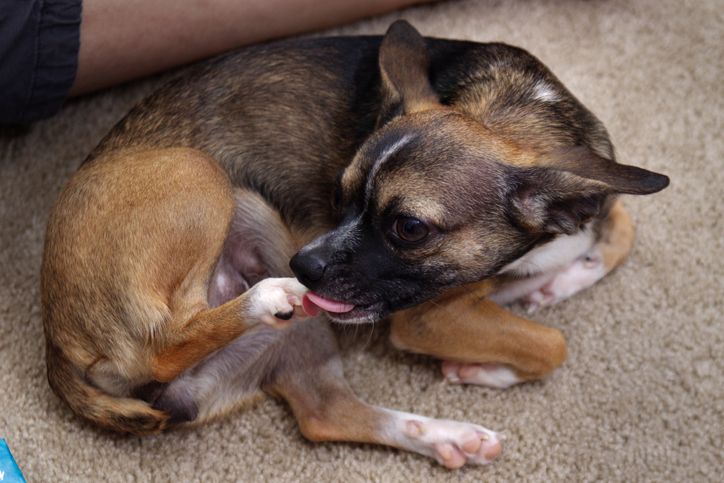
Image Source: cdn.whole-dog-journal.com
Investigating the Roots of Foot Chewing
It is normal for dogs to clean their paws occasionally. However, when this licking turns into constant chewing, it signals distress. Figuring out reasons for dog foot licking is the first step toward helping your pet feel better. We need to look closely at the paws and the dog’s overall mood.
Physical Triggers: The Body Speaks Loudly
Many health problems start right there, on the paws. A dog’s feet are constantly in contact with the ground, picking up irritants. These physical issues are often the easiest to spot and treat.
Skin and Allergy Issues
The most common physical trigger is itchy skin. When a dog has dog itchy feet causes, they will chew to try and relieve the discomfort. This leads directly to canine foot irritation.
Environmental Allergies (Atopy)
Just like people, dogs can be allergic to things in their environment. Grass, pollen, dust mites, and molds are common culprits. When these allergens touch the skin, they cause inflammation. This makes the paws red, hot, and very itchy. The dog chews, licks, or even nibbles to stop the itch.
Food Allergies
Sometimes, the trigger is what your dog eats. Common food allergens include beef, chicken, dairy, and wheat. Food allergies often cause itchiness all over the body, but many dogs focus heavily on their feet.
Contact Dermatitis
This happens when the paw pad or skin between the toes touches something irritating. This could be chemicals from floor cleaners, road salt in winter, or certain lawn treatments. When the irritant touches the skin, it causes a direct reaction.
Infections: Bacterial and Yeast Overgrowth
When a dog chews or licks constantly, the skin gets wet. This moist, warm environment is perfect for bad germs to grow.
- Yeast Infections: Yeast (Malassezia) loves damp skin. It causes a strong, musty odor on the feet. The skin often looks dark or greasy. Yeast infections make the itching intense.
- Bacterial Infections: Bacteria (pyoderma) can set in, especially if the dog has broken the skin from chewing. This often looks like small red bumps or pus-filled sores.
Parasites and Pests
Tiny bugs can cause massive irritation.
- Fleas: Even if you don’t see them, a few flea bites can send a dog into a scratching frenzy. They often bite around the paws and legs.
- Mites (Mange): Some types of mites burrow into the skin, causing intense itchiness that leads to chewing.
Injury and Foreign Objects
Sometimes the cause is simple trauma. The dog might step on something sharp, or a foreign object might get stuck.
- Splinters or Thorns: A small piece of wood or glass stuck between the toes hurts a lot.
- Nail Issues: A broken, ingrown, or torn nail causes immediate pain and leads to focused licking on that specific toe.
- Interdigital Cysts: These painful, swollen lumps develop between the toes. They are very sore, making the dog lick and chew the area relentlessly.
Behavioral and Psychological Reasons
If medical checks come back clear, the focus must shift to the dog’s mental state. Dog self-soothing behavior often manifests as excessive licking. When the body is fine, the mind might not be.
Anxiety and Stress
Chewing feet can be a displacement behavior. If a dog is worried or stressed, they turn to something familiar and rhythmic to cope. This is similar to how a human might bite their nails.
Dog anxiety chewing feet is common in situations like:
- Separation anxiety (chewing starts when the owner leaves).
- Loud noises (thunderstorms, fireworks).
- Major changes in the home (moving, new pet, new baby).
Boredom and Lack of Stimulation
Dogs need mental and physical activity. A bored dog looks for something to do. If they are left alone too long without toys, walks, or training, chewing becomes a form of self-entertainment. This often results in dog obsessive paw chewing if the habit is allowed to continue.
Compulsive Disorders
In some cases, the chewing becomes a true disorder. This is known as an Acral Lick Dermatitis (ALD) or a lick granuloma, though the term is changing. It starts as a minor itch or injury, but the dog cannot stop licking, even after the initial cause is gone. It becomes a cycle: lick, injure, lick more. This falls under dog behavioral issues foot chewing.
A Quick Look at Common Triggers
To help simplify things, here is a table summarizing the main reasons for paw chewing:
| Category | Examples of Triggers | What It Looks Like |
|---|---|---|
| Medical (Physical) | Allergies, Yeast, Mites, Injury | Redness, swelling, odor, hair loss, scabs |
| Behavioral (Mental) | Anxiety, Boredom, Stress | Focused chewing, licking often linked to events (owner leaving) |
| Environmental | Road salt, Harsh cleaners, Sharp objects | Sudden onset, often resolves when the irritant is removed |
Deciphering the Signs: When Licking Becomes Harmful
It is vital to recognize when normal grooming crosses the line into destructive behavior.
Stages of Excessive Foot Chewing
- Mild Licking: The dog licks paws briefly after playing outside or getting wet. This is normal.
- Focused Licking: The dog spends more time on one paw or area. You might notice the fur getting damp or slightly stained brown (saliva stains).
- Persistent Chewing: The dog chews hard enough to remove fur and irritate the skin. This is where dog allergies foot licking becomes a real problem, as it creates an open wound.
- Obsessive Gnawing/Licking: The dog ignores calls, toys, or treats to keep chewing. They may cause open sores, bleeding, or hot spots. This is where infections take hold easily.
Saliva Staining
A telltale sign of chronic licking is reddish-brown staining on light-colored fur. This is caused by an iron compound in the dog’s saliva called porphyrin. Significant porphyrin staining means the dog has been licking that spot for a long time.
Getting to the Bottom of Canine Foot Irritation
Diagnosing the cause requires a careful, step-by-step approach, usually involving your veterinarian.
Step 1: The Veterinary Exam and Medical Testing
The vet will start by thoroughly examining the paws. They look for redness, swelling, parasites, and signs of infection.
Skin Scraping and Cytology
If the vet suspects infection, they will perform tests:
- Skin Scrape: They gently scrape the top layer of skin to look under a microscope for mites.
- Cytology: They use a swab or piece of tape to lift cells from the affected skin. They stain these cells to see if yeast or bacteria are overgrowing. Finding yeast or high levels of bacteria confirms an active infection that needs treatment.
Allergy Testing
If infections are cleared up but the licking returns quickly, allergies are highly likely.
- Food Elimination Trial: This is the gold standard for food allergies. The dog is fed only a novel protein (like venison or duck) or a hydrolyzed protein diet for 8 to 12 weeks. If the licking stops, the old food contained an allergen.
- Blood or Skin Testing: For environmental allergies, blood tests or intradermal skin tests can identify specific environmental triggers like grass or dust.
Step 2: Addressing Underlying Medical Issues
Treatment must target the root cause. Treating the infection is necessary, but if you don’t fix the itch, the cycle continues.
- Treating Infections: Infections usually require medicated shampoos (to control yeast/bacteria), oral antibiotics, or antifungal medications.
- Managing Allergies:
- Medications: Drugs like Apoquel or Cytopoint injections are highly effective at blocking the itch signal in the brain and skin.
- Topicals: Soothing oatmeal baths or specific paw wipes can reduce surface irritation.
Fathoming Behavioral Causes and Solutions
When all medical possibilities are ruled out, focus shifts entirely to mental well-being. This requires patience and consistency.
Identifying Anxiety Triggers
Keep a logbook for a week. Note down every time your dog chews its feet.
- Does it happen right before you leave for work? (Separation anxiety)
- Does it happen when a specific person visits? (Situational stress)
- Does it happen late at night when everything is quiet? (Boredom/OCD tendency)
Boosting Enrichment to Combat Boredom
If boredom is the reason for dog obsessive paw chewing, you need to increase their daily engagement.
- Puzzle Toys: Feed meals using KONGs, snuffle mats, or puzzle balls instead of a regular bowl. This makes mealtime last 15–20 minutes instead of 30 seconds.
- Structured Exercise: Ensure your dog gets appropriate physical exercise for their breed and age. A tired dog is less likely to seek destructive outlets.
- Training Sessions: Short, frequent training sessions (5 minutes, three times a day) engage the dog’s brain and build focus away from their feet.
Managing Stress and Anxiety
For dogs whose chewing is driven by worry, environmental management is key.
- Desensitization: For noise phobias (like fireworks), slowly introduce the sound at a very low volume while giving high-value treats. Gradually increase the volume over many weeks.
- Safe Space: Ensure the dog has a crate or a quiet room where they feel completely safe and undisturbed.
- Calming Aids: Discuss supplements (like L-Theanine) or prescription medications with your vet if anxiety is severe. These can lower the dog’s overall stress threshold, making other training methods work better.
The Role of the Owner: Intervention Strategies
Stopping the habit requires stopping the repetitive action long enough for the skin to heal.
Physical Barriers
If the dog is chewing skin raw, you must prevent access to the feet temporarily.
- E-Collars (Cones of Shame): These stop chewing but can increase anxiety in some dogs because they restrict vision and movement. Use only when absolutely necessary for healing.
- Soft Boots or Socks: For outdoor use or short periods, specialized dog socks or soft rubber boots can prevent teeth from reaching the skin. Ensure they are fitted correctly so they don’t cause chafing themselves.
- Bitter Sprays: While some people use these, they are often ineffective on truly compulsive chewers, as the dog may just chew through the bad taste.
Redirecting the Behavior
The goal is to replace the harmful habit with a healthy one.
- When you see the dog start licking, interrupt the action with a clear, happy sound (like a clap or “Oops!”).
- Immediately hand the dog an appropriate chew toy (like a bone or durable rubber toy).
- Praise heavily when the dog chooses the toy over their foot.
Addressing Lick Granulomas (ALD)
When the problem becomes a deep, non-healing lesion—often on the front leg or lower part of the paw—it needs intensive care. Treatment for these lesions often involves a combination:
- Controlling underlying itch/pain.
- Medication to encourage tissue growth.
- Behavior modification to break the compulsive cycle.
- In severe cases, laser therapy or even surgery might be considered to remove the inflamed tissue.
Summary Table: Quick Fixes vs. Long-Term Care
| Primary Cause | Immediate Action | Long-Term Strategy |
|---|---|---|
| Infection | Medicated shampoo/topical treatment. | Maintain skin health with regular vet checks. |
| Environmental Itch | Rinse paws thoroughly after walks; use soothing paw soaks. | Identify and mitigate exposure to allergens; use anti-itch meds. |
| Boredom | Interrupt chewing; immediately provide a puzzle toy. | Increase daily physical activity and mental stimulation. |
| Anxiety | Offer gentle comfort; use pheromone diffusers. | Behavior modification training; potential vet-prescribed anxiety medication. |
Frequently Asked Questions (FAQ)
Is it bad if my dog licks its paw sometimes?
No, brief licking after walking in the rain or swimming is normal grooming. It becomes a problem when it is frequent, intense, or causes redness or fur loss.
Why does my dog lick one specific foot?
Usually, licking one specific foot points to a localized issue. This is most often an injury, a torn nail, a painful callus, or a foreign object stuck between the toes (like a burr or small piece of gravel).
Can I use human steroid creams on my dog’s itchy feet?
No. Never use human topical medications on your dog without consulting a veterinarian. Many human products contain ingredients that are toxic if ingested, and dogs will definitely lick them off. Also, the dosage and formulation for dogs are different.
How long does it take for paw licking to turn into a lick granuloma?
This varies greatly. Some dogs develop chronic chewing in days if the initial trigger is severe enough. For others, it takes months of low-level irritation before the behavior becomes compulsive and forms a true, self-perpetuating granuloma.
Are certain dog breeds more prone to excessive foot chewing?
Yes. Breeds prone to environmental allergies, such as Retrievers, German Shepherds, and certain terriers, often experience significant dog itchy feet causes. Breeds also prone to anxiety, like Border Collies or herding types, might be more likely to show dog anxiety chewing feet as a coping mechanism.