
If your dog is sneezing all the time, it usually means something is irritating their nose or throat, or they might have an infection or an allergy. This article will help you find out the many reasons why does my dog keep sneezing and what you can do about it.
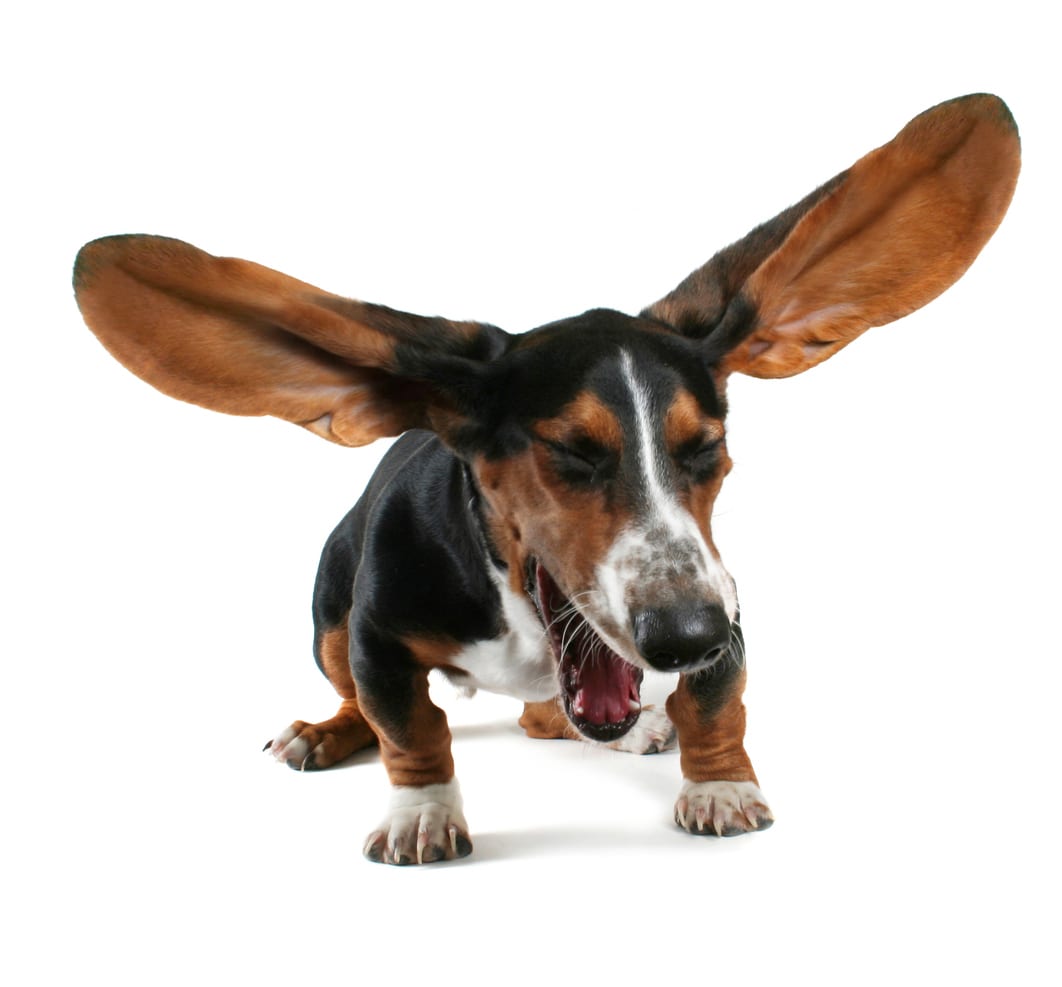
Image Source: lacvets.com
Deciphering Frequent Dog Sneezing
It is normal for dogs to sneeze now and then. A quick “achoo!” usually means they just blew dust out of their nose. But when you notice dog sneezing frequently, it becomes a big worry for any pet owner. Constant dog sneezing causes can range from minor annoyances to serious health issues. We need to look closely at the signs.
When Sneezing Becomes a Problem
How often is too often? Occasional sneezes are fine. If your dog is doing it many times a day, or if the sneezing lasts for many days, that is when we look for a persistent dog sneezing remedy. Sometimes, a dog might sneeze suddenly a lot, often related to a quick exposure to something irritating.
Here is a quick look at the difference:
| Sneezing Type | Common Concern Level | What It Often Means |
|---|---|---|
| Occasional | Low | Dust, strong smells, excitement |
| Frequent (Daily) | Medium | Allergies, minor irritants, chronic issue |
| Constant/Sudden Burst | High | Foreign object, severe infection, serious blockage |
Common Causes of Dog Sneezing Frequently
Many things can make your dog’s nose twitch and send out a sneeze. Let’s explore the most common reasons behind constant dog sneezing causes.
Environmental Irritants
Dogs sniff everything. Their noses are very sensitive. When something bothers the delicate lining of the nasal passages, the body tries to push it out with a sneeze.
- Strong Scents: Perfumes, air fresheners, cleaning sprays, and cigarette smoke are major culprits. These chemicals tickle the nose lining.
- Dust and Pollen: Just like people, dogs can breathe in too much dust from the house or pollen outside. This can lead to dog sneezing allergies symptoms.
- Mold and Mildew: Damp areas in the home can grow mold spores. When sniffed, these can cause irritation.
Foreign Bodies in the Nose
This is a very common reason for sudden, intense sneezing fits. Dogs often stick their noses close to the ground while playing or sniffing.
- Grass Seeds: A grass awn or foxtail can get lodged deep inside the dog’s nostril. This causes immediate, severe irritation. The dog will usually sneeze suddenly a lot, often pawing at its face.
- Small Debris: Tiny bits of dirt, small sticks, or other things picked up while digging can get stuck. If a foreign object is the cause, the sneezing is often one-sided (only coming from one nostril).
Infections and Illnesses
When sneezing is paired with other symptoms, an infection is likely. Look for a dog sneezing and runny nose. This fluid can tell you a lot.
Viral Infections
These are very common, especially in puppies or dogs around other dogs (like dog parks or kennels).
- Kennel Cough (Bordetella): This often causes a harsh, honking cough, but it can also trigger sneezing fits.
- Canine Influenza (Dog Flu): Symptoms often mirror human colds: sneezing, runny nose, and sometimes fever.
Bacterial Infections
Bacteria can take hold, especially after a virus weakens the nose lining. These often lead to thicker discharge.
Fungal Infections
These are less common but more serious. Certain fungi, like Aspergillus, live in the soil. When inhaled, they can cause long-term inflammation and pain.
Nasal Polyps and Tumors
For older dogs that develop chronic dog sneezing solutions are needed because the cause might be structural.
- Polyps: These are non-cancerous growths inside the nasal passage. They cause chronic irritation and block airflow, leading to sneezing and sometimes noisy breathing.
- Nasal Tumors: Sadly, tumors in the nose or sinuses can cause persistent irritation. Often, one of the first signs is persistent, often bloody, nasal discharge in dogs sneezing on one side.
Dental Problems
This might sound surprising, but the roots of a dog’s upper teeth sit very close to the nasal passages.
- If a tooth root becomes infected (an abscess), the infection can break through the thin bone separating the mouth and the nose. This connection causes irritation, resulting in sneezing and sometimes foul-smelling discharge from the nose.
Examining Nasal Discharge in Dogs Sneezing
The look and color of the discharge are key clues. They help narrow down the excessive dog sneezing treatment plan.
Types of Nasal Discharge
| Discharge Appearance | What It Suggests | Urgency Level |
|---|---|---|
| Clear and Watery | Allergies, minor irritation, early viral stage | Low to Medium |
| Thick, Yellow, or Green | Bacterial infection, or advanced infection | Medium to High |
| Bloody (Mild Streaks) | Foreign object, severe inflammation, tumor | Medium to High |
| Bloody (Heavy Flow) | Severe trauma, advanced tumor, clotting issue | High (Vet immediately) |
If you see thick, colored discharge, this points strongly towards infection requiring veterinary care. If the discharge is only on one side, a foreign body or a tumor is more likely.
Recognizing Dog Sneezing Allergies Symptoms
Just like humans, dogs suffer from seasonal and environmental allergies. When a dog is allergic, the immune system overreacts to a harmless substance.
Common Allergens for Dogs
- Environmental: Pollen (trees, grass, weeds), dust mites, mold spores.
- Food: Less common cause for sneezing, but certain food proteins can cause overall inflammation that affects the sinuses.
Signs of Dog Allergies Beyond Sneezing
If allergies are the issue behind the dog sneezing frequently, you will likely see other signs:
- Itchy skin (scratching, licking paws, ear infections).
- Watery, red eyes.
- Redness around the mouth or paws.
When pollen counts are high, you might notice the sneezing increases. This pattern points toward environmental allergies.
Diagnosing the Root Cause: What Your Vet Will Do
If home remedies don’t fix the problem, or if the sneezing is severe, a vet visit is essential for proper diagnosis and finding a persistent dog sneezing remedy.
The Physical Exam
Your veterinarian will start by looking closely at your dog’s nose, mouth, and eyes. They will check the texture of the nasal discharge and see if the sneezing seems painful or sudden.
Diagnostic Tests
Depending on the findings, the vet might suggest further tests to figure out why does my dog keep sneezing:
- Nasal Swabs and Cytology: Taking a sample of the discharge to look for bacteria, yeast, or inflammatory cells under the microscope.
- X-rays (Radiographs): These can show if there are changes in the nasal passages, bone loss (which can suggest a tumor), or fluid buildup due to severe infection.
- Rhinoscopy: This is a key procedure for chronic issues. The vet uses a tiny camera inserted into the nose to look directly at the nasal lining. This is the best way to find a foreign object, polyp, or early tumor.
- Blood Work: General blood tests help rule out systemic illness or check organ function before starting certain medications.
Chronic Dog Sneezing Solutions and Treatment Options
The best treatment depends entirely on the diagnosis. Finding a chronic dog sneezing solutions requires patience.
Treating Infections
If the cause is bacterial, antibiotics will be prescribed. Viral infections usually need supportive care until the dog’s immune system clears the virus.
- Supportive Care: Keeping the dog comfortable is key. This might involve humidifiers, saline nasal drops (vet-approved only!), and ensuring good hydration.
Managing Allergies
For dog sneezing allergies symptoms, the goal is to reduce the immune reaction:
- Antihistamines: Over-the-counter antihistamines (like cetirizine or diphenhydramine) can sometimes help mild cases, but you must check the dosage with your vet first.
- Medicated Wipes/Shampoos: Reducing allergens on the skin helps reduce the overall allergic load.
- Immunotherapy: For severe, chronic allergies, allergy shots or drops can desensitize your dog over time.
Dealing with Foreign Bodies
If a grass seed or object is stuck, it often needs to be removed. This usually requires sedation or anesthesia so the vet can safely examine the back of the throat and nose with a scope (rhinoscopy) or special forceps.
Addressing Tumors and Growths
Treatment for polyps or tumors varies:
- Polyps: Often removed surgically, sometimes through the mouth or nose.
- Tumors: May require radiation therapy, surgery, or chemotherapy, depending on the type and location.
Home Care Tips to Reduce Sneezing Episodes
While waiting for a vet appointment or managing mild irritation, you can try these steps to reduce the chance of dog sneezing suddenly a lot:
Improve Air Quality
- Ditch the Sprays: Stop using air fresheners, plug-ins, and strong cleaning chemicals near your dog.
- Use Filters: Invest in a high-quality HEPA air purifier for the rooms where your dog spends the most time. This helps capture dust and pollen.
- Dust Regularly: Damp-dusting floors and surfaces can prevent dust from becoming airborne.
Managing the Environment Outdoors
If pollen is suspected:
- Wipe down your dog’s paws, belly, and face with a damp cloth or pet-safe wipe after coming in from outside. This removes pollen stuck to their fur.
- Keep windows closed during peak pollen seasons.
Gentle Nasal Support
If your vet agrees, you can use gentle methods to soothe the nose:
- Humidifier: Running a cool-mist humidifier, especially in dry weather or at night, can keep nasal passages moist and reduce irritation.
- Avoid Irritants While Walking: Keep your dog away from freshly mowed lawns or dusty fields if you suspect outdoor allergens are the issue.
If you notice nasal discharge in dogs sneezing that looks concerning, or if the sneezing is coupled with gagging or heavy breathing, skip these home remedies and head straight to the clinic.
Summary of Excessive Dog Sneezing Treatment Approaches
When faced with excessive dog sneezing treatment, the key is systematic investigation.
| If you see this… | The likely issue is… | Next Step |
|---|---|---|
| Sudden, violent sneezing, pawing at face | Foreign body (seed, debris) | Immediate Vet Visit |
| Clear, watery discharge, pawing at face, itchy skin | Allergies | Discuss antihistamines/allergy testing with vet |
| Thick, colored discharge, lethargy | Bacterial or severe infection | Vet appointment for antibiotics |
| Sneezing that gets worse over months, possibly bloody | Chronic issue (Tumor, Fungal) | Need for Rhinoscopy/Imaging |
Frequently Asked Questions (FAQ)
Can a dog sneeze from excitement?
Yes, dogs can sometimes exhibit “play sneezes.” This is a brief, voluntary action meant to signal non-aggression during play or excitement. This is usually just one or two sneezes and is not cause for concern.
Is dog sneezing suddenly a lot dangerous?
A sudden bout of intense sneezing can be dangerous if it means an object is lodged in the airway or nose, or if the dog is choking. If the sneezing is rapid, violent, and doesn’t stop within a few minutes, seek immediate veterinary advice.
Can I give my dog human allergy medicine without consulting a vet?
No. While some human antihistamines are safe at specific doses, many others are toxic (like those containing pseudoephedrine). Always consult your veterinarian before giving your dog any human medication to avoid overdose or adverse reactions.
How long does it take to resolve chronic dog sneezing?
Resolving chronic dog sneezing solutions can take time. If it’s an infection, it might clear in 1–2 weeks with medication. If it’s due to a polyp or tumor, treatment is much longer, involving diagnostics and potential surgery or long-term therapy. Patience and consistent vet follow-up are vital.