
The best items to put in a dog crate are comfortable bedding, safe water and food dishes (for supervised use or short periods), appropriate toys, and chew items. A properly outfitted crate becomes a safe den for your dog, not a prison.
Setting up a dog crate correctly is key to making it a happy, safe spot for your dog. A crate should feel like a cozy retreat, not a place of punishment. When done right, the crate becomes your dog’s special den. This guide will walk you through everything you need to create a comfortable dog crate setup. We will look at bedding, toys, and other important dog crate essentials.
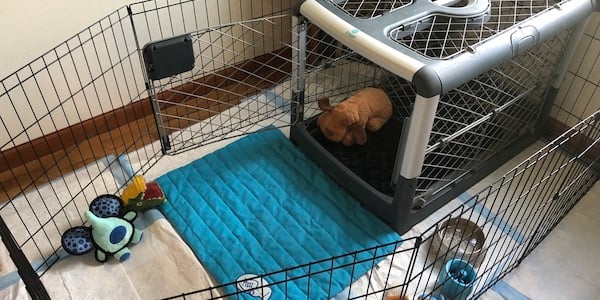
Image Source: www.preventivevet.com
Figuring Out the Right Crate Size
Before you fill the crate, you must know if the space is right. What size crate for dog do you need? The crate must be big enough for your dog to stand up, turn around easily, and lie down naturally. It should not be too big, especially when crate training puppies. A crate that is too large might encourage accidents in one corner because the dog feels they have space to separate “sleeping” from “potty.”
Sizing Guidelines
| Dog Size | Ideal Crate Length (Inches) | Crate Height (Inches) |
|---|---|---|
| Small Breeds (e.g., Yorkie) | 24 | 18 |
| Medium Breeds (e.g., Beagle) | 30 | 21 |
| Large Breeds (e.g., Labrador) | 36 | 24 |
| Giant Breeds (e.g., Great Dane) | 48 | 30+ |
Always measure your dog from nose to tail base, and add a few inches for comfort. Remember, crate training supplies often include dividers if you buy a crate for a puppy that is expected to grow into a larger adult.
Choosing the Best Dog Crate Bedding
The floor of the crate can be hard plastic or wire. This is not comfortable for sleeping or resting. Soft bedding makes the crate inviting. Finding the best dog crate liners or beds is crucial for comfort.
Types of Dog Crate Bedding
Dog crate bedding comes in many forms. The best choice depends on your dog’s habits and the climate.
- Soft Mats and Pads: These are thin, often fleece or polyester. They are easy to wash. They work well for dogs who don’t chew bedding.
- Bolstered Beds: These beds have raised edges. They let dogs rest their heads like a pillow. They add extra coziness.
- Orthopedic Foam Beds: Great for older dogs or large breeds. They support joints well. They are often thicker and heavier.
- Washable Fleece or Flannel: Simple, inexpensive, and easy to keep clean.
Safety First When Selecting Bedding
A primary concern is chewing. If your dog chews and swallows bedding, it can cause serious blockages.
- If your dog is a heavy chewer, skip soft beds initially. Use only a thin, flat mat that fits the bottom exactly.
- Never leave blankets or towels in the crate unsupervised with a new puppy or known chewer. They can bunch up, causing suffocation risk or choking hazards.
Essential Hydration and Feeding Setup
Water is vital. Your dog needs access to fresh water, but placement in the crate needs careful thought, especially during training.
Water Bowls in the Crate
Can I put a water bowl in a dog crate? Yes, but only if your dog is reliably house-trained and will be crated for longer periods (like overnight or during work hours). For short confinement or initial training, water bowls should be removed to prevent spills that soak the bedding and encourage accidents.
- Hanging Bowls: These clip onto the wire crate doors. They are less likely to be tipped over than floor bowls.
- Heavy Ceramic Bowls: If the dog is past the chewing/tipping stage, a heavy bowl stays put better than plastic.
Keep feeding times separate from crate time initially. Food in the crate can encourage resource guarding or anxiety if the dog feels rushed to eat. Once established, a meal can be a positive association with entering the crate.
Providing Safe and Engaging Toys
A crate is not just for sleeping; it is a personal space. Filling it with enriching items keeps your dog calm and happy when confined. These items fall under crate enrichment ideas.
The Rule of Durability
Anything you leave in the crate must be safe for unsupervised chewing. If you can easily tear it apart, your dog can too. Look for durable dog crate toys.
What is safe to leave in a crate overnight? Chew toys that cannot break into small, swallowable pieces are best.
Safe Crate Toy Options
- Hard Rubber Toys (e.g., Kongs): These are durable staples. They can be stuffed with peanut butter (xylitol-free), plain yogurt, or kibble mixed with water and frozen. A frozen Kong offers long-lasting, quiet occupation.
- Nylon Chews: Very tough nylon bones designed for power chewers are usually safe for long durations.
- Puzzle Toys (with supervision initially): Some sturdy plastic or rubber puzzle feeders can be used if they don’t have small, detachable pieces. Always monitor the first few times a dog uses a new puzzle toy in the crate.
Toys to AVOID in the Crate
- Soft plush toys (easily ripped apart).
- Rope toys (strands can wrap around limbs or be swallowed).
- Rawhide or cooked bones (splintering hazard).
- Toys with squeakers that can be easily removed.
Essential Crate Training Accessories
If you are using the crate for training purposes, certain items are crucial additions to your crate training accessories kit.
Comfort Items vs. Training Aids
It is important to distinguish between items that make the crate cozy and items that aid in the training process.
- Comfort Items: Bedding, soft blankets, favorite chew toys. These are for relaxation.
- Training Aids: Specific items used to encourage entry or calm anxiety, like a specially scented blanket or a specific feeder toy only used in the crate.
Scent Association
Dogs rely heavily on scent. A small item that smells like you can be very calming.
- An Old T-Shirt: Place an old, unwashed t-shirt you have worn in the crate. Your scent can reduce separation anxiety symptoms. Ensure there are no buttons or strings attached.
Managing Anxiety and Calming the Space
Sometimes, the crate environment needs specific additions to promote calm. This is especially true if your dog exhibits signs of stress when left alone.
Calming Aids
If your dog struggles with confinement, consider these additions to your dog crate comfort items:
- Pheromone Diffusers or Collars: Products mimicking calming pheromones (like Adaptil) can be placed near or attached to the crate to promote relaxation.
- Safe Soundscapes: Some dogs calm down with white noise or specific classical music designed for dogs. A small, battery-operated sound machine placed near the crate can help mask outside noises that cause stress.
Who is crate training for? Crate training is suitable for nearly all dogs, especially puppies, small dogs, and dogs needing a safe, quiet recovery space after surgery. It is a management tool that builds independence.
Dealing with Different Crate Materials
The items you place inside might change based on what your crate is made of.
Wire Crates
Wire crates offer great ventilation and visibility. Dogs can see out, which can reduce feelings of isolation.
- Challenge: The floor is often uncomfortable. You need good dog crate bedding to cover the wire base completely.
- Tip: Use fitted crate mats that don’t bunch up easily, securing them if necessary to prevent chewing hazards.
Plastic (Travel/Airline Crates)
These crates offer more privacy and feel more like a den because they are enclosed.
- Challenge: Ventilation is less robust. You must ensure airflow is excellent.
- Tip: Keep bedding minimal. A thin, durable pad is often better than a thick pillow, as thick bedding can absorb humidity or block airflow if placed against solid plastic walls.
Seasonal Adjustments to Crate Contents
A dog’s comfort needs change with the weather. Adjust what you put inside seasonally.
Summer Setup
In hot weather, you want cool, minimalist items.
- Avoid heavy fleece blankets.
- Use a thin, durable, cooling mat (often gel-filled or mesh) as the best dog crate liners for summer.
- Offer frozen Kongs as treats to help keep them cool.
Winter Setup
In cold environments, extra insulation is helpful.
- Use a thick, cozy dog crate bed.
- A fleece blanket draped over the top of the crate (leaving airflow openings clear) can help trap body heat, mimicking a true den environment.
Maintaining a Clean Crate Space
Even the most comfortable crate becomes unpleasant if it is dirty. Regular cleaning is part of keeping the crate a positive place.
Cleaning Routine
Establish a consistent schedule for removing and washing items.
- Daily: Remove any old food, empty water bowls (if used), and check for debris.
- Weekly: Wash all soft bedding, blankets, and crate mats. A fresh scent is a great incentive for your dog to re-enter their space happily.
- Monthly: Deep clean the crate pan or floor with pet-safe disinfectant.
If you are using crate training supplies, ensure everything smells neutral or positive, not like old accidents.
Deciphering Chew Habits: What Stays and What Goes
The most important part of setting up a crate is hazard assessment. Grasping what your dog will destroy is essential for safety.
| Dog Temperament | Recommended Crate Contents | Why? |
|---|---|---|
| Puppy/New Chewer | Nothing but a hard rubber chew toy (like a frozen Kong) and a thin, fitted pad. | To prevent ingestion of stuffing or fabric. |
| Moderate Chewer | Stuffed Kong, hard nylon bone, tight-weave fleece mat. | They respect toys but might destroy soft comfort items. |
| Non-Chewer/Elderly Dog | Full orthopedic bed, soft blanket, water bowl (if appropriate). | Safety risk from chewing is low; comfort is prioritized. |
If you are unsure of your dog’s chewing style, err on the side of caution. Start with minimal items and slowly add comfort as trust builds.
Enhancing the Crate Experience with Enrichment
To make the crate truly rewarding, focus on crate enrichment ideas that encourage calm, focused activity. This shifts the dog’s mindset from “being stuck” to “having special time.”
Food Puzzles as Den Activities
Using food-stuffed toys during crating time is the best form of enrichment. It keeps the dog busy for long periods, associates the crate with high-value rewards, and uses mental energy.
- Rotation: Keep a stash of safe, durable toys reserved only for crate time. This keeps them novel and exciting. If your dog has access to the same toy all day, it loses its special appeal when used in the crate.
Visual and Auditory Enrichment
While physical items are inside, consider what is around the crate.
- Placement: Put the crate in a central area of the house (like the living room) initially. This lets the dog feel part of the family, reducing anxiety. However, if the dog gets overstimulated by activity, a quieter corner might be better.
- Covering: A crate cover acts like a blindfold, signaling quiet time. This mimics a secure den and helps dogs settle, especially those sensitive to visual stimuli.
Frequently Asked Questions (FAQ) About Crate Contents
Should I put a water bowl in the crate if my dog is crated for 8 hours?
If your dog is fully house-trained and is crated for 8 hours (a standard workday), you should provide water. Use a secured, tip-proof hanging bowl. However, monitor for excessive drinking, which can signal anxiety, or soaking the bedding. Some owners prefer to give a large drink right before crating and right after release, especially if the dog is prone to accidents.
How can I stop my dog from barking when they are in the crate with their toys?
Barking often stems from boredom or separation anxiety, not a lack of toys. Ensure the toy provided is high-value and engaging (like a frozen Kong) to keep their mouth busy for a long time. If barking persists, the issue lies with training, not the contents. Reduce the time spent in the crate initially and focus on positive crate associations before leaving them alone for long periods.
Are dog crate comfort items necessary for adult dogs?
They are highly recommended, even for adult dogs. While an adult dog might tolerate a bare floor better than a puppy, comfort items promote relaxation and faster settling. A good bed reduces pressure points, which is important for joint health.
What are the main components of good crate training supplies?
The core crate training supplies include the appropriately sized crate, a secure latching system, a water source (if needed), high-value, long-lasting chew items, and perhaps a safe pheromone aid. Consistency in using these tools is more important than the specific brand.
Is it okay to use old towels as dog crate bedding?
Towels can be used, but check your dog’s behavior closely. Some dogs pull at the threads and ingest them. If your dog just naps on them, they are fine and easy to wash. If they chew or shred them, switch immediately to a fitted, durable crate mat.
What if my dog tries to dig at the crate bedding?
Digging is often a self-soothing behavior or a sign the dog is trying to create a “nest.” If this happens, use flatter, thinner bedding that is harder to manipulate, like a crate pad that fits wall-to-wall. If the digging continues, remove all soft items temporarily until the dog settles down when placed in the crate.