
Anemia in dogs means their red blood cells are low. Red blood cells carry oxygen all over the body. If a dog is anemic, it means it lacks enough healthy red blood cells to keep it strong.
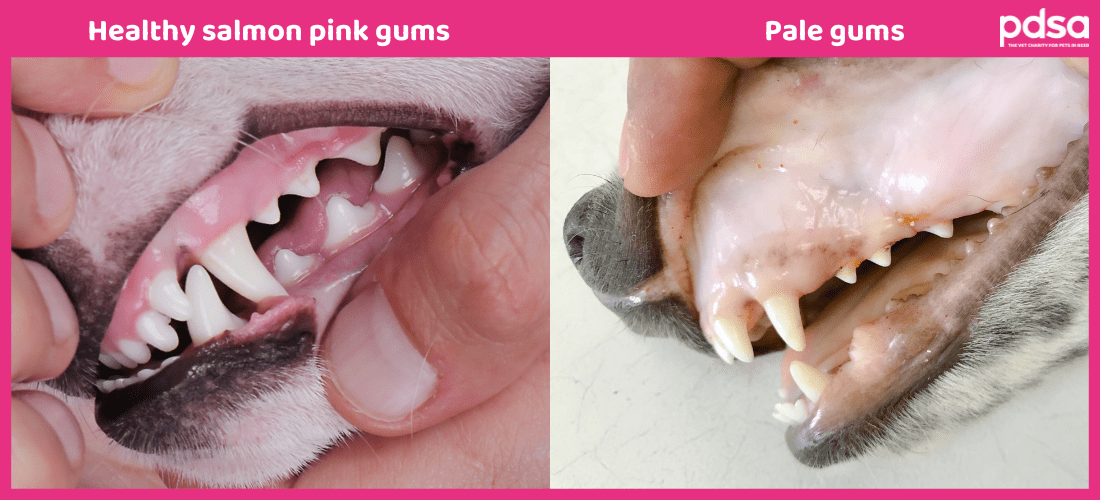
Image Source: www.pdsa.org.uk
What Is Canine Anemia?
Anemia is not a disease itself. It is a sign of another problem inside the dog’s body. Red blood cells have hemoglobin. Hemoglobin holds onto oxygen. Low red cells mean low oxygen delivery. This makes the dog feel sick. We look at the red blood cell count, called the PCV or hematocrit, to check for anemia. If this count is too low, the dog is anemic.
Signs Your Dog Might Be Anemic
You might notice changes in your dog if it is anemic. These signs show the dog is not getting enough oxygen.
Common Symptoms to Watch For
- Dog pale gums: This is a big sign. Healthy gums are pink. Anemic gums look white, pale pink, or even a little blue.
- Dog fatigue: Your dog is very tired. It does not want to play or walk. It rests much more than usual.
- Weakness: The dog might stumble or seem weak when standing.
- Fast breathing: The dog breathes quickly, even when resting. This is the body trying to get more air in.
- Fast heart rate: The heart beats quickly to pump the little oxygen it has around fast.
- Poor appetite: The dog might not want to eat its food.
- Collapse: In severe cases, the dog can faint or collapse.
Deciphering The Three Main Types of Anemia
Vets sort anemia into three main groups based on what is wrong with the red blood cells. Knowing the type helps find the real problem. The main dog anemia causes fall into these groups.
1. Blood Loss Anemia
This happens when the dog loses too much blood. This can be fast (acute) or slow (chronic).
Acute Blood Loss
This is when a lot of blood is lost quickly. This often comes from injury or surgery.
- Trauma: A bad accident, like being hit by a car.
- Dog internal bleeding: This is very serious. Blood vessels can burst inside the body from tumors or injuries.
- Severe wounds: Deep cuts that bleed a lot.
Chronic Blood Loss
The dog loses a small amount of blood over a long time. The body tries to keep up, but eventually, it fails. This often leads to canine iron deficiency because iron is needed to make new red blood cells.
- Parasites: Heavy infestations of fleas, ticks, or hookworms in the gut steal blood daily.
- Ulcers: Sores in the stomach or intestines bleed slowly.
- Cancer: Tumors in the belly or chest can ooze blood.
2. Hemolytic Anemia (Red Cell Destruction)
In this type, the red blood cells are destroyed faster than the body can make them.
Immune-Mediated Hemolytic Anemia (IMHA)
This is when the dog’s own immune system attacks and kills its red blood cells. This is a major cause.
- Idiopathic: We do not know why the immune system starts attacking.
- Infection or Drugs: Sometimes a drug or infection triggers the faulty immune response.
Non-Regenerative Destruction
Sometimes red cells are destroyed by bad things in the blood or toxins.
- Toxins: Things like onions, zinc, or certain drugs can damage red cells.
- Dog tick-borne diseases: Diseases like Babesiosis or Ehrlichiosis, carried by ticks, directly attack red blood cells. These diseases are common in many areas.
3. Decreased Red Blood Cell Production Anemia
Here, the problem is in the factory—the bone marrow. The body cannot make enough new red blood cells. This is often linked to dog bone marrow problems.
Bone Marrow Issues
The marrow stops working right.
- Aplastic Anemia: The marrow stops making blood cells. This can follow severe infections or drug exposure.
- Myelofibrosis: Scar tissue replaces the healthy tissue in the marrow.
Nutritional Deficiencies
The raw materials needed to build red cells are missing. This is called dog nutritional anemia.
- Iron: Lack of iron stops hemoglobin production. This is rare in dogs unless they have major chronic bleeding.
- B12 and Folate: These vitamins are needed for cell division. Dogs get them from food, but poor absorption can cause problems.
Dog Chronic Disease Anemia (Anemia of Inflammation)
This is very common in dogs with long-term sickness. Chronic infections, kidney failure, or cancer cause inflammation. This inflammation blocks the body from using its stored iron and slows down the making of red blood cells, even if iron is present.
Fathoming The Role of Underlying Diseases
Many long-term health issues can lead to anemia. The anemia is often a secondary problem.
Kidney Disease
The kidneys make a hormone called erythropoietin (EPO). EPO tells the dog bone marrow problems to make red blood cells. When kidneys fail, they do not make enough EPO. This leads to a slow, non-regenerative anemia.
Cancer
Cancers cause anemia in a few ways:
- Blood loss: Tumors that bleed (like in the spleen or GI tract).
- Inflammation: Cancers cause a chronic inflammatory response, leading to dog chronic disease anemia.
- Marrow Invasion: The cancer cells crowd out the healthy blood-making cells in the marrow.
Infections
Infections can cause anemia through several routes:
- Blood sucking: Fleas and internal worms causing blood loss.
- Destruction: Dog tick-borne diseases directly kill red cells.
- Inflammation: The body’s fight against the infection causes anemia of chronic disease.
Diagnosing The Cause: What Your Vet Does
When you bring in a tired dog with dog pale gums, the vet needs to run tests to find the cause.
Initial Blood Tests
- Complete Blood Count (CBC): This is the main test. It tells the vet the packed cell volume (PCV) to confirm anemia. It also looks at cell size and color, which hints at the type.
- Reticulocyte Count: Reticulocytes are young red blood cells released from the marrow. A high count means the marrow is trying hard to fix blood loss (regenerative anemia). A low count points to dog bone marrow problems or chronic issues.
- Biochemistry Panel: Checks kidney and liver function. This helps spot dog chronic disease anemia or toxin exposure.
Specific Tests Based on Suspicion
If the CBC suggests a certain type of anemia, further tests are needed.
| If We Suspect… | Common Tests Ordered |
|---|---|
| Dog blood loss (acute) | Coagulation profiles (clotting tests) |
| Dog tick-borne diseases | Tick panel blood tests |
| Canine iron deficiency (due to chronic loss) | Iron panel, Fecal exam for worms |
| Immune destruction (IMHA) | Coombs test (checks for immune coating on cells) |
| Marrow Issues | Bone marrow biopsy |
Investigating Specific Causes in Detail
Let’s look closer at some key contributors to anemia in dogs.
Deep Dive into Canine Iron Deficiency
Iron is key for making hemoglobin. While many dogs get enough iron in their diet, chronic loss depletes stores.
- The Role of Iron: Iron allows the red cell to grab oxygen. Without enough iron, cells are small and pale (microcytic, hypochromic anemia).
- Sources of Loss: As noted, long-term slow dog internal bleeding from gut parasites or ulcers is the most common culprit leading to this deficiency, not just poor diet.
Fathoming Dog Tick-Borne Diseases
Ticks spread nasty bacteria and parasites that directly attack red blood cells.
- Babesiosis: This parasite invades the red cell and ruptures it, causing sudden, severe hemolytic anemia.
- Ehrlichiosis and Anaplasmosis: These infections often cause general suppression of blood cell production in the marrow, alongside inflammation.
The Silent Threat: Dog Chronic Disease Anemia
This form is tricky because the body has iron, but cannot use it well due to ongoing inflammation (from cancer, severe infection, or autoimmune issues).
- Mechanism: Inflammatory chemicals (cytokines) tell the body to hide iron away and tell the marrow to slow down production. This anemia is usually mild to moderate and does not respond well to iron supplements alone. Treating the underlying disease is vital.
Dog Bone Marrow Problems
When the factory floor breaks, production stops. This is often the most serious type to treat because the body cannot self-correct easily.
- Pure Red Cell Aplasia (PRCA): The marrow selectively stops making only red cells, leaving white cells and platelets normal. This can be immune-mediated or drug-induced.
- Myelodysplastic Syndromes (MDS): These are pre-leukemic conditions where the marrow makes abnormal cells that die quickly.
Treatment Approaches Based on Cause
Treatment directly targets why the dog is anemic. Simply giving a blood transfusion only fixes the immediate low oxygen problem; it doesn’t cure the cause.
Treating Blood Loss
If the blood loss is active, the first steps are stopping the leak and stabilizing the patient.
- Control Bleeding: Surgery to fix a ruptured spleen or suture a bleeding ulcer.
- Fluid Support: IV fluids help maintain blood pressure while the body recovers or awaits transfusion.
- Transfusion: A blood transfusion provides immediate relief for severe anemia causing dog fatigue and weakness.
Treating Hemolysis (Destruction)
If the immune system is attacking cells (IMHA), the treatment focuses on calming the immune system down.
- Immunosuppressants: Steroids like prednisone are the first line of defense. Other drugs may be added if steroids fail.
- Supporting Therapy: Patients often need supportive care because their bodies are breaking down red cells rapidly.
Addressing Low Production
If the marrow is the issue, treatment is complex.
- Infection Control: If a dog tick-borne disease is the cause, antibiotics are given.
- Nutritional Support: For true dog nutritional anemia, supplements (iron, B12) are provided, along with treatment for the source of chronic blood loss (like deworming).
- Stimulants: In cases of kidney failure anemia, synthetic EPO injections may be given to boost production.
Preventing Anemia: A Focus on Health
Preventing anemia centers on good routine care and parasite control.
Regular Wellness Checks
Routine veterinary visits allow early detection of issues that cause dog chronic disease anemia, like subtle kidney value changes or chronic inflammation markers.
Parasite Control is Crucial
This is the simplest way to prevent massive dog blood loss or anemia from parasites.
- Use high-quality, vet-approved monthly preventatives for fleas and ticks.
- Regular fecal testing helps catch intestinal worms before they cause significant canine iron deficiency.
Diet and Nutrition
While modern commercial dog foods are usually complete, ensure your dog is eating high-quality food appropriate for its life stage. Do not feed random items that might be toxic or cause GI irritation leading to blood loss. Proper nutrition prevents dog nutritional anemia.
Conclusion
Anemia in dogs signals something is wrong, often seriously wrong. Whether it stems from immediate dog blood loss, slow destruction, or dog bone marrow problems, recognizing the signs—especially dog pale gums and extreme dog fatigue—is critical. Early diagnosis through careful blood work allows veterinarians to pinpoint the specific dog anemia causes, whether it is a dog tick-borne disease or the subtle drain of dog chronic disease anemia, leading to targeted and life-saving treatment.
Frequently Asked Questions (FAQ)
Can anemia in dogs resolve on its own?
Mild anemia might resolve if the underlying, simple cause (like a minor worm load) is fixed quickly. However, moderate to severe anemia, especially if caused by immune destruction, dog internal bleeding, or dog bone marrow problems, almost always requires veterinary intervention like transfusions, medications, or surgery.
Is anemia contagious to other pets?
No, anemia itself is not contagious. However, some causes, like dog tick-borne diseases, are transmitted by vectors (ticks) and could potentially affect other dogs exposed to the same infected environment.
How long does recovery take once treatment begins?
Recovery time varies greatly. If the anemia is due to acute blood loss and is treated with a transfusion, the dog can feel better quickly. If the cause is dog chronic disease anemia related to kidney failure, the anemia will be managed long-term, but the recovery is slow. Complete red cell regeneration can take several weeks to months.
Why are my dog’s gums white instead of pink?
White or very pale gums are a primary visual sign of anemia. It means there are not enough red blood cells circulating near the surface of the gums to give them a healthy pink color. This signals low oxygen-carrying capacity and requires immediate veterinary attention.