
If you see my dog’s poop is orange, it means something in your dog’s digestive system has changed the color of their stool. While often temporary, orange diarrhea warrants attention to figure out the source.
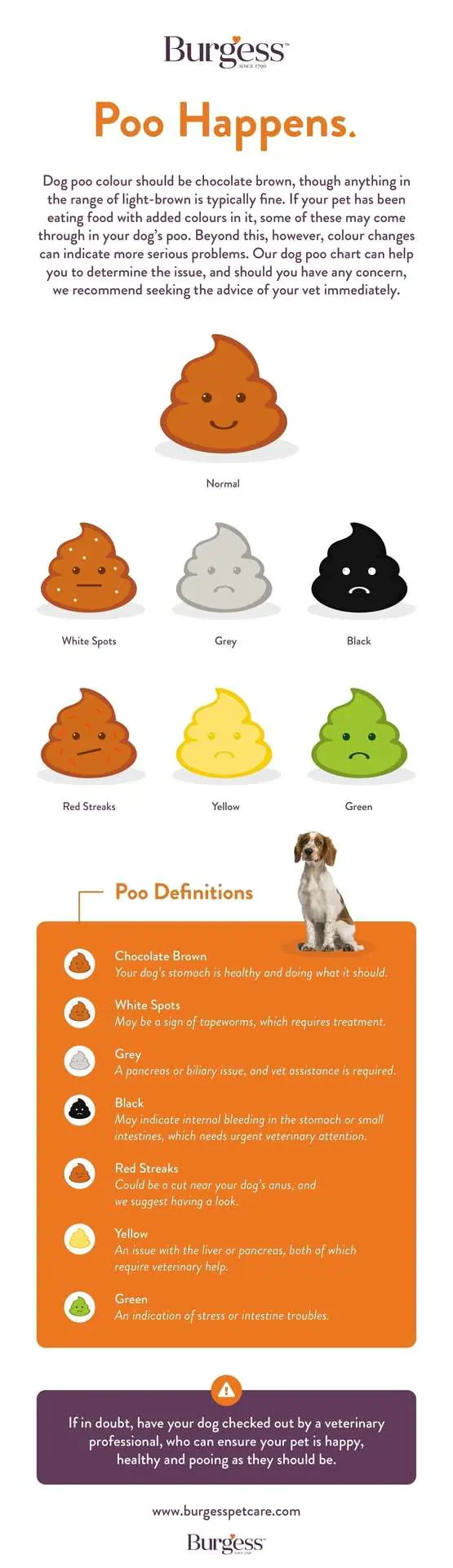
Image Source: www.burgesspetcare.com
Fathoming the Hue: What Makes Dog Stool Orange?
Dog poop color usually tells a story about what your dog ate or how their gut is working. Normal, healthy dog poop is typically brown. When it turns bright yellow, orange, or frankly looks like dog orange stool causes, we need to look deeper. This change often points to issues related to bile, diet, or the speed at which food moves through the intestines.
The Role of Bile in Stool Color
Bile is a fluid made by the liver and stored in the gallbladder. Its main job is to help digest fats. When bile enters the intestines, it is naturally a greenish-yellow color. As it moves through the digestive tract, normal bacteria break it down. This process changes the bile from green to brown.
If your dog has dog orange runny stool or a puppy yellow-orange diarrhea, it might mean the bile is not getting fully processed.
- Too Fast Transit: If food moves too quickly through the gut (diarrhea), the bile doesn’t have time to turn brown. This leaves the stool looking yellow or orange. This is a common finding when discussing causes of bright orange diarrhea in dogs.
- Too Much Bile: Sometimes, the body releases more bile than usual. This high volume can overwhelm the system, resulting in yellow or orange stool.
Diet: A Common Culprit for Dog Orange Poop
One of the simplest reasons for dog bright orange poop is what you put in the bowl. Diet is often the first thing to check before assuming a health problem.
Artificial Colors and Additives
Many commercial dog foods, especially cheaper brands or certain training treats, use artificial coloring. These dyes are meant to make the food look appealing to humans, but they pass right through your dog.
- If your dog ate something bright orange (like certain cheese snacks or heavily dyed kibble), the resulting poop will reflect that color. This is usually harmless and resolves quickly once the food is out of the system.
High-Carbohydrate or High-Fat Foods
Foods very high in fat or simple carbohydrates can irritate the digestive tract. This irritation often speeds up digestion, leading to loose stools that show off the bile color.
- Feeding table scraps, rich fatty trimmings, or sudden changes to a new, rich diet can trigger this rapid transit, resulting in orange diarrhea.
Supplements and Medications
Certain supplements, especially those containing high amounts of beta-carotene (like pumpkin or sweet potato concentrates, though less common), can tint the stool orange. Similarly, some oral medications might affect stool color as they are metabolized.
Medical Reasons for Orange Diarrhea
When the color change is persistent or paired with other symptoms, it signals a medical issue. When you see what does orange diarrhea mean in dogs beyond diet, medical conditions related to the liver, gallbladder, or intestines must be considered.
Issues with Bile Production or Flow
If the liver isn’t making enough bile, or if the flow is blocked, the stool might look pale or clay-colored rather than orange. However, problems that cause inflammation in the small intestine can speed up bile transit, leading to the orange hue we are discussing.
Intestinal Inflammation (Enteritis)
Inflammation in the small intestine causes the lining to become irritated. This speeds up how fast food moves through, leading to diarrhea. This rapid movement means the bile pigments don’t have time to fully oxidize (turn brown).
Common triggers for enteritis include:
- Bacterial overgrowth
- Viruses (like Parvovirus in puppies)
- Parasites (Giardia or Coccidia)
- Dietary indiscretion (eating garbage or spoiled food)
If you notice a puppy yellow-orange diarrhea, immediate veterinary consultation is crucial, as puppies dehydrate quickly.
Malabsorption Issues
If the dog’s body cannot properly absorb nutrients, especially fats, the digestive system works overtime. Undigested fats pass into the colon, leading to greasy, pale, or sometimes yellowish-orange, foul-smelling stools. Conditions like Exocrine Pancreatic Insufficiency (EPI) can cause these malabsorption problems.
Liver or Gallbladder Problems
While severe liver disease often leads to pale stools, problems that cause acute bile duct irritation or inflammation can sometimes result in excess bile being released, showing up as bright yellow or orange. If the dog orange stool causes are related to the liver, you will likely see other symptoms like lethargy or jaundice (yellowing of the eyes or gums).
Deciphering the Spectrum: Orange, Yellow, and Brown
It helps to compare the color of your dog’s stool against the normal range. Here is a simple guide to stool colors and what they generally indicate:
| Stool Color | Potential Meaning | Urgency Level |
|---|---|---|
| Healthy Brown | Normal digestion, adequate bile processing. | Low |
| Yellow/Orange | Rapid transit, excess bile, or dietary coloring. | Low to Medium |
| Bright Orange Poop | High concentration of unoxidized bile, potential rapid transit. | Medium |
| Clay/Pale Yellow | Bile flow obstruction (liver/gallbladder issue). | High |
| Black/Tarry | Upper gastrointestinal bleeding (digested blood). | High |
| Red/Bloody | Lower gastrointestinal bleeding (fresh blood). | High |
| Green | Ingested grass or biliverdin buildup (excess bile). | Medium |
When assessing reasons for orange stool in dogs, always look at consistency. Soft, slightly orange stool is less worrying than severe, watery, dog orange runny stool.
When to Worry: Assessing Severity of Orange Diarrhea
A single episode of orange poop after a minor diet change is usually not an emergency. However, persistence or accompanying symptoms demand a vet visit.
Mild Concerns (Monitor Closely)
If the stool is soft but formed, and your dog is acting normally:
- Dietary Link: Confirm if the color change followed a new treat or food.
- Hydration: Ensure your dog is drinking plenty of water.
- Observation: Keep monitoring the next few bowel movements.
If the color clears up in 24–48 hours, the issue was likely diet-related.
Urgent Concerns (Call the Vet Now)
Seek immediate veterinary care if the orange diarrhea is accompanied by any of the following:
- Vomiting: Especially if the vomit is yellow or green (bile).
- Lethargy or Weakness: Signs your dog feels unwell.
- Fever: Elevated body temperature.
- Blood in Stool: Streaks of red or black/tarry material mixed with the orange.
- Pain: Whining, reluctance to move, or a hunched posture when trying to defecate.
- Dehydration: Sticky gums or loss of skin elasticity.
- In Puppies: Any diarrhea in a young puppy yellow-orange diarrhea is serious due to dehydration risk.
Persistent dog orange runny stool lasting more than two days needs professional evaluation, even without other severe symptoms.
Investigating the Connection: Dog Food Causing Orange Diarrhea
If you have recently changed brands or introduced new treats, the diet is the primary suspect. Many owners ask if their dog food causing orange diarrhea is possible. The answer is often yes, primarily due to dyes or excessive fat content.
The Dye Factor
Manufacturers use colorants like FD&C Yellow No. 5 and Yellow No. 6. These synthetic pigments are designed to be stable. When the food breaks down, these colors are released into the waste, often resulting in vibrant yellow or orange hues.
High Fat and Spice Content
Think about human foods you might have shared. Foods high in grease (like bacon fat or leftover chicken skin) are difficult for dogs to process quickly.
- The high fat requires a large output of bile for digestion.
- The irritation caused by excess fat speeds up the gut transit time.
- Result: Unprocessed bile makes the stool orange or yellow.
If you suspect the kibble itself is the issue, try switching to a bland diet temporarily (plain boiled chicken and white rice). If the color resolves, you have found the dog food causing orange diarrhea.
Medical Diagnostics: Pinpointing the Exact Causes of Bright Orange Diarrhea in Dogs
When dietary causes are ruled out, veterinarians perform tests to determine the exact causes of bright orange diarrhea in dogs. These tests focus on identifying infection, inflammation, or organ dysfunction.
Fecal Analysis
The first step is usually a fecal flotation test. This checks for:
- Parasites: Eggs from worms or protozoa like Giardia are often found. Giardia specifically can cause bright yellow or orange, greasy diarrhea.
- White Blood Cells (WBCs): High WBC counts suggest inflammation in the colon or intestines.
Blood Work
If the vet suspects systemic issues (like liver disease or severe infection), a complete blood count (CBC) and chemistry panel will be run. These tests look at:
- Liver Enzymes: Elevated enzymes can point toward liver stress or disease, which affects dog bile in stool color.
- White Blood Cell Count: High counts can indicate a widespread bacterial or viral infection causing severe enteritis.
Imaging (X-rays or Ultrasound)
If there is suspicion of a blockage, foreign body ingestion, or masses affecting the digestive tract, imaging may be necessary.
Treatment Approaches for Orange Stools
Treatment for orange diarrhea depends entirely on what caused it. We must address the root problem, not just the color.
Managing Simple Dietary Causes
If the cause is temporary irritation from diet or a new treat:
- Bland Diet: Switch to a easily digestible diet for 3–5 days. Use 2 parts boiled white rice to 1 part boiled, skinless, boneless chicken breast. Feed small, frequent meals.
- Hydration: Encourage drinking water. Electrolyte solutions formulated for pets can help if diarrhea is severe.
- Reintroduction: Slowly reintroduce the original food mixed with the bland diet over several days to let the gut adjust.
Treating Infectious Causes
If parasites or bacteria are found on the fecal test:
- Parasite Control: Specific dewormers or anti-protozoal medications (like Metronidazole for bacterial overgrowth or Fenbendazole for Giardia) will be prescribed.
- Supportive Care: Severe infections may require IV fluids if the dog cannot keep water down.
Addressing Inflammatory Conditions
For severe enteritis (inflammation), treatment often involves:
- Probiotics: To help restore healthy gut flora.
- Anti-diarrheal medications: Used cautiously by the vet to slow transit time if necessary.
- Dietary Modification: Sometimes, prescription hypoallergenic or easily digestible foods are recommended long-term.
Focusing on Bile: Connecting Bile in Stool Color to Orange Poop
To reiterate, when you see dog bile in stool color showing up as yellow or orange, it usually signals speed. Bile is usually brown because of the time it takes for gut bacteria to chemically alter the pigments (bilirubin).
If you have dog orange runny stool, it means the transit time is too short. The stool is expelled before the bacteria can fully process the bile, leaving the bright color visible. This is why high-speed diarrhea often presents as yellow or orange.
Conversely, if your dog’s stool is consistently pale yellow or clay-colored, this suggests a blockage preventing bile from reaching the intestine at all. This is a different, more critical concern than simple rapid transit.
Frequently Asked Questions (FAQ) About Orange Dog Poop
Is orange poop the same as yellow poop in dogs?
Generally, yes. Orange and yellow stools in dogs usually point to the same primary issue: bile is passing through the digestive tract too quickly. The exact shade depends on how much bile is present and how fast it moved. Both colors indicate that the bile did not fully break down into the normal brown pigments.
Can stress cause my dog’s poop to turn orange?
Yes, stress can be a factor. High stress levels in dogs often lead to what is called “stress colitis” or general digestive upset. Stress hormones can speed up gut motility (peristalsis), causing food to move too fast. If your dog experiences stress (e.g., visiting the vet, loud noises), and you subsequently see dog orange stool causes like mild diarrhea, stress could be the trigger.
My puppy is having bright orange diarrhea; should I be worried?
Yes, you should contact your veterinarian right away. Puppies have very small bodies and can become severely dehydrated very quickly when experiencing diarrhea. While the cause might be a simple diet change, ruling out serious infections like Parvovirus or severe parasitic infestations is essential for a puppy.
How long does it take for food coloring to leave my dog’s system?
If the orange color is solely due to ingested dyes from treats or food, you should see a return to normal brown stool within 24 to 48 hours after stopping the offending item. If the color persists beyond two days, the underlying cause is likely physiological rather than just dietary coloring.
If I see dog bright orange poop, should I stop feeding my dog?
No. Unless specifically instructed by your veterinarian, you should not stop feeding your dog, especially if they are eating and drinking normally. Stopping food entirely can sometimes worsen diarrhea or cause nutritional deficiencies. Stick to small, frequent servings of a bland diet while you monitor the situation or await veterinary advice.