
The correct German Shepherd collar size is usually a size Large, fitting necks that measure between 18 to 26 inches, but you must always measure your specific dog to be sure. Getting the right size is crucial for your dog’s comfort and safety. A collar that is too loose can slip off, leading to lost pets or dangerous situations. A collar that is too tight can choke your dog or cause skin irritation. This guide will help you pick the perfect collar size and type for your wonderful German Shepherd.
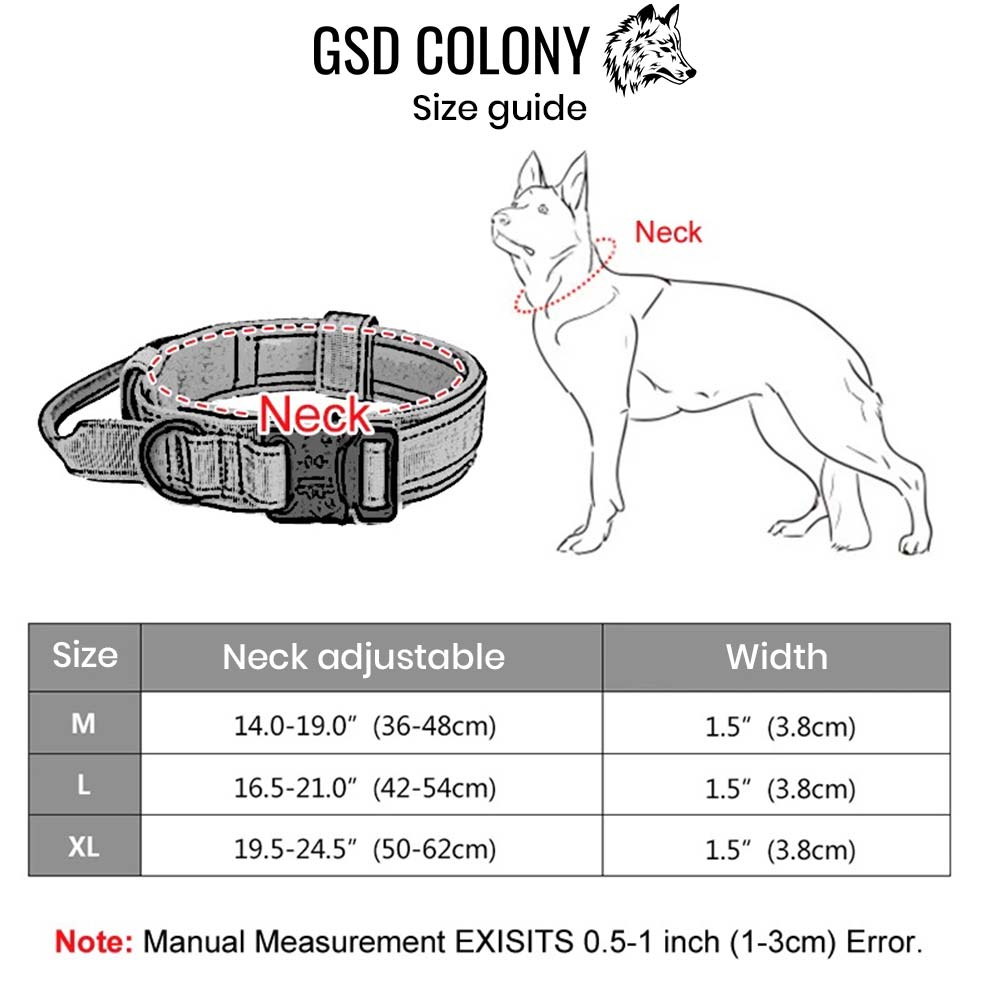
Image Source: gsdcolony.com
Determining the Right German Shepherd Collar Size
Finding the best fit involves more than just guessing. German Shepherds (GSDs) are a large, muscular breed. They come in a range of weights and neck sizes, even within the standard breed profile. Therefore, a personalized approach is vital when selecting a large dog collar size guide option.
Step-by-Step Guide to Measuring German Shepherd for Collar
Accurate measurement ensures a safe and comfortable fit. Never rely solely on the size chart without taking these simple steps first.
- Locate the Measurement Spot: Find the spot where the collar naturally sits. This is usually low on the neck, just behind the ears and around the base of the skull, where a standard flat collar would rest.
- Use a Soft Measuring Tape: A flexible fabric measuring tape works best. If you don’t have one, use a piece of string and then measure the string with a ruler or hard tape measure.
- Wrap and Check Snugness: Wrap the tape snugly around your dog’s neck where the collar should sit. It should feel snug but not tight. You should not be able to fit more than two fingers comfortably between the tape and your dog’s neck. This “two-finger rule” is the golden standard for flat collars.
- Record the Measurement: Write down this number. This is your dog’s actual neck circumference.
This measurement directly relates to the standard German Shepherd neck measurement. Most adult GSDs fall between 18 and 26 inches.
Translating Measurements to Collar Sizes
Most commercially available collars use a range based on the measurement you just took. Always check the specific brand’s chart, but here is a general guideline.
| Collar Size Category | Typical Neck Size Range (Inches) | Best Suited For |
|---|---|---|
| Medium | 14 to 20 inches | Smaller or younger GSDs |
| Large | 18 to 26 inches | Most Adult German Shepherds |
| Extra Large (XL) | 22 to 30 inches | Very large or giant GSD mixes |
Remember, if your dog measures 18 inches, you need a collar that adjusts up to at least 18 inches, but preferably slightly larger so you can use the adjustment holes beyond the minimum size. This allows room for growth or if your dog gains a bit of weight.
Deciphering Appropriate Collar Width for German Shepherd
Size isn’t just about length; width matters greatly for large, strong breeds like the German Shepherd. A collar that is too narrow can dig into the neck or cause pressure points, especially during pulling.
Why Width Matters for GSDs
German Shepherds have thick, strong necks designed for endurance and work. They need a collar that distributes pressure evenly.
- Too Thin (e.g., 1/2 inch): These are fine for puppies or very small dogs. For an adult GSD, a thin collar can cut into the fur and skin, causing discomfort or choking if they pull hard.
- Ideal Width (1 inch to 1.5 inches): This range is generally recommended for adult GSDs. A 1-inch collar is the minimum acceptable width for an adult. A 1.5-inch collar offers superior support and pressure distribution.
- Too Wide (2 inches or more): While comfortable for some large breeds, collars wider than 1.5 inches can sometimes rub against the dog’s shoulders or impede natural neck movement, especially when the dog is wearing a harness or thick coat.
When purchasing a leather collar size for German Shepherd, look for sturdy construction in the 1-inch to 1.5-inch width range.
Considering Puppy Growth
If you are fitting a German Shepherd puppy, you need to plan for rapid growth. A GSD puppy can go through several sizes in their first year.
- Start Small: Begin with a small, inexpensive, adjustable collar.
- Monitor Growth: Measure their neck every month.
- Transition: Aim to move them to a large dog collar size guide selection by 9-12 months, depending on their maturation rate. Always ensure the collar is an adjustable collar size German Shepherd type during this growth period.
Selecting the Best Collar Type for German Shepherd Neck
The function you intend for the collar dictates the style you should choose. Different collars serve different purposes, from simple identification to specialized training collar size German Shepherd needs.
Flat Buckle Collars (Everyday Use)
These are the standard collars used for ID tags and everyday wear.
- Material Choice: Nylon is durable and cheap. Leather is classic, durable, and molds to the neck over time, often looking better as it ages. For a GSD, ensure the buckle hardware (metal parts) is robust—stainless steel or solid brass are excellent choices.
- Fit Reminder: For these, the two-finger rule is non-negotiable for safety.
Martingale Collars (Control and Safety)
Martingale collars, or “limited-slip” collars, are highly recommended for GSDs, especially those with slender heads or those prone to backing out of traditional collars.
When selecting a martingale collar size German Shepherd, the sizing works slightly differently than flat collars:
- Measure the dog’s neck comfortably (this is the ‘A’ measurement).
- Measure the neck where the collar rests when fully extended (the ‘B’ measurement).
- The collar should be sized so that when fully tightened (in its ‘slip’ mode), it stops before reaching the choking point, usually 1-2 inches smaller than the full neck measurement.
Martingales prevent the dog from slipping out if they pull backward, but you must choose the correct size range to ensure it tightens safely but not excessively.
Head Halters and Front-Clip Harnesses (Training Focus)
For strong pullers, many owners opt for training tools rather than just using the neck collar. While not technically a neck collar, these tools interact with the dog’s fit and must be sized correctly.
- Harnesses and head halters are sized based on chest girth, not neck circumference. Always refer to the specific product’s large dog collar size guide for chest measurements.
Specialized Considerations for Training Collars
If you are using collars for behavior modification or leash training, the required size and type change.
Prong Collars (Correction Tools)
Prong collars (pinch collars) are used by many trainers for effective leash correction. Training collar size German Shepherd selection for this type requires precision.
- Sizing Rule: A prong collar should sit high and snug, right behind the ears, not low on the neck like a normal collar.
- Fit Check: It should fit snugly enough that it does not rotate easily, but it should not press into the skin when slack.
- Link Removal: Always buy a collar slightly too large, and then remove the links until the fit is correct. For most adult GSDs, 18-20 inches of assembled links is a common starting point, but this varies greatly depending on the dog’s coat thickness and neck shape.
Electronic Collars (E-Collars)
E-collars use receiver units that sit on the neck.
- Receiver Size: The size of the receiver itself matters. A very large receiver looks awkward and can weigh down the collar. Most standard GSD receivers are appropriate.
- Contact Points: The metal prongs (contact points) touching the skin must be the right length. Longer prongs are needed for GSDs with thick double coats to ensure good contact. If the contact is poor, the stimulation will be inconsistent.
Material Matters: Durability and Comfort
The material of the collar impacts how you measure and select the final size, especially concerning break-in periods and flexibility.
Leather Collar Size for German Shepherd Fit
Leather collars are excellent because they are tough and look distinguished. However, they require a break-in period.
- Stiffness: When new, leather is stiff. Ensure the fit leaves the two-finger space, but realize that after a few weeks of use, the leather will soften and mold to your dog’s neck, potentially becoming slightly looser.
- Adjustment Holes: Buy a leather collar where your dog’s neck measurement sits in the middle of the available adjustment holes. For example, if your dog is 22 inches, look for a collar that adjusts from 20 to 24 inches, not one where 22 inches is at the very last hole.
Nylon and Biothane Collars
These synthetic materials are water-resistant and easy to clean, which is great for active GSDs.
- Flexibility: Nylon and Biothane are usually more forgiving and immediately conform to the neck shape. They don’t stretch out over time the way some cheaper nylon webbing can.
- Adjustment: These collars are usually very easy to fit, relying on a standard buckle or quick-release clip, making them excellent options for an adjustable collar size German Shepherd needs during training phases.
Frequently Asked Questions (FAQ) About GSD Collar Sizing
H5: What is the average neck size for an adult German Shepherd?
The average neck size for a fully grown German Shepherd typically ranges from 18 to 24 inches. However, larger males can easily exceed 24 inches, placing them in the large-to-extra-large category. Always measure your individual dog.
H5: Can I use a puppy collar on an adult German Shepherd?
No, you should not use a puppy collar on an adult GSD. Puppy collars are too narrow (often 1/2 inch wide) and lack the strength needed for a strong adult dog. They can easily break or cause injury if the dog pulls suddenly.
H5: How tight should a collar be on a German Shepherd?
A standard flat collar should be snug enough that it does not slip over the head, but loose enough that you can comfortably fit two fingers between the collar and the dog’s neck. This ensures safety without restricting breathing or causing rubbing.
H5: Are wide collars better for German Shepherds?
Yes, wider collars (1 inch to 1.5 inches) are generally better for German Shepherds because they distribute the pressure across a larger surface area of the neck. This is especially important for strong dogs who pull on the leash occasionally.
H5: Where should a collar sit on a German Shepherd?
A flat collar should sit relatively high on the neck, just behind the ears and the base of the skull. This placement keeps the collar stable and prevents it from sliding down toward the shoulders where it can choke the dog or be easily pulled off.