
Your dog losing a tooth can be scary. If your dog loses a tooth, it is usually due to teething in puppies or a problem in older dogs. Seeing a gap where a tooth used to be needs quick attention. This article helps you find out why this happens. It also gives you tips on what to do next.
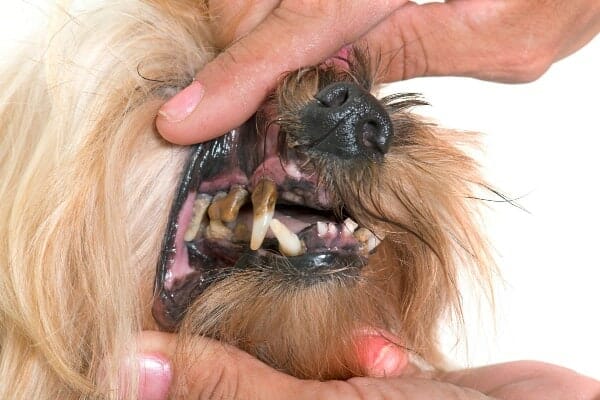
Image Source: toegrips.com
Deciphering Dog Tooth Loss Reasons
Dog tooth loss causes vary a lot based on your dog’s age. Puppies lose baby teeth. Adult dogs should not lose teeth unless there is a problem. Knowing the age of your dog helps narrow down the issue quickly.
Puppy Teething Problems: Shedding Baby Teeth
Puppies go through a teething phase. This is normal. They have 28 baby teeth. These teeth start coming out around three to six months old. This process is similar to human babies losing teeth.
What to Expect During Puppy Teething
During teething, puppies may chew more. They might seem uncomfortable. You might find small white teeth on the floor or in their toys. This is usually fine.
Key Points About Puppy Teething:
- Start Age: Usually starts around 3 to 6 months.
- Process: Baby teeth fall out to make way for 42 adult teeth.
- Normal Signs: Increased chewing, slight gum soreness.
Sometimes, a baby tooth does not fall out. This is called a “retained deciduous tooth.” If the adult tooth grows in while the baby tooth is still there, it causes crowding. This crowding leads to dental problems later on. Your vet should check this.
Adult Dog Tooth Falling Out: Serious Concerns
When an adult dog loses a tooth, it is rarely normal. Adult dogs have 42 strong teeth. If one falls out, something serious has happened. This needs a trip to the vet right away.
Trauma and Injury
The most common reason for sudden adult tooth loss is injury. Dogs often get hurt during rough play or accidents.
- Rough Play: A hard impact, like hitting a hard object while chewing a toy or playing fetch too hard.
- Falls or Accidents: Being hit or falling can break or knock out teeth.
- Fighting: Brawls with other animals can cause severe dental trauma.
Look closely for signs of broken dog tooth. Sometimes the whole tooth is gone. Other times, a piece of the tooth might be left in the gum. This remaining root can cause infection.
Canine Dental Disease Symptoms
Gum disease is the number one health issue for dogs. It affects most dogs over three years old. Severe dental disease causes tooth loss over time.
Stages of Dental Disease:
- Plaque Buildup: Bacteria form a sticky film on teeth.
- Tartar Formation: Plaque hardens into rough tartar. This irritates the gums.
- Gingivitis: Gums become red, swollen, and bleed easily.
- Periodontitis: The infection spreads below the gum line. It destroys the bone supporting the tooth.
- Tooth Loss: Once the bone is gone, the tooth becomes loose and falls out or needs extraction.
If you notice poor breath, drooling, or changes in eating, these are signs of canine dental disease symptoms.
Infections and Abscesses
A bad infection can weaken the bone around a tooth. This often starts from untreated gum disease or a crack in the tooth. If an abscess forms, pus builds up. This pressure can loosen the tooth until it falls out or needs pulling.
Other Dog Missing Teeth Causes
Less common reasons for tooth loss exist too.
- Cancer: Oral tumors can damage bone and cause teeth to become loose.
- Systemic Illness: Rare diseases can affect bone density or tooth strength.
- Malocclusion: Teeth that do not fit together right (bad bite) can cause uneven wear and breakage.
Recognizing the Signs: When to Act
It is important to know when tooth loss is an emergency. Finding a missing tooth requires inspection. You need to assess the situation fast.
Inspecting the Mouth
If you notice a gap, check your dog’s mouth gently. Use a flashlight. Look for blood or swelling.
What to Look For:
- Empty Socket: A clean hole where the tooth was. This might show dog gum bleeding tooth loss recently.
- Broken Stump: Part of the root or crown is stuck. This is very painful and risky.
- Swelling or Pus: Signs of infection around the missing spot.
- Pain Response: Your dog pulls away when you touch the area.
If the tooth fell out due to trauma, look for other injuries. Check the gums, lips, and face for cuts.
When to Worry About Dog Tooth Loss
If your adult dog loses a tooth, always worry a little. It is rarely minor.
Call the vet immediately if:
- The tooth came out suddenly due to impact.
- The gum is bleeding heavily and won’t stop.
- You see a jagged edge or root left behind.
- Your dog seems severely painful, drools a lot, or stops eating hard food.
- You find several loose teeth at once.
If it is a puppy losing a baby tooth, you usually don’t need an emergency visit, but you should still check that the adult tooth is coming in correctly.
Veterinary Dental Care for Dogs: The Next Step
Once you notice a missing tooth, the next step is a vet visit. Professional care is crucial for preventing bigger issues. This visit often involves more than just a quick look.
The Dental Exam and X-Rays
A proper diagnosis requires a thorough check. Your vet will perform an oral exam. They will also recommend dental X-rays.
Why are X-rays so important? You can only see the top part of the tooth. The roots and the bone around them are hidden under the gums. X-rays show if the root broke off inside the jaw. They also show bone loss related to disease.
Treatment Options for Missing Teeth
Treatment depends on why the tooth was lost.
If the Tooth Was Knocked Out Cleanly (Trauma)
If the entire tooth is present and the socket is clean, the vet might try to replant it. This works best if done very quickly after the injury. This is rare in dogs, especially if the tooth was dirty. More often, if the tooth is gone, the vet monitors the socket to ensure it heals well.
If the Tooth Broke or Is Infected (Disease/Fracture)
If the tooth is broken or very loose due to disease, it must be removed. This is called a tooth extraction.
What Happens During Dog Tooth Extraction Recovery?
Tooth extraction is a common surgical procedure.
- Anesthesia: Your dog will be put completely to sleep safely.
- Removal: The vet carefully removes the tooth, making sure to get all the roots. If roots are left, they cause long-term pain and infection.
- Closure: The site is often stitched closed to help it heal faster.
Recovery is usually smooth with proper care. Your vet will prescribe pain medication and possibly antibiotics.
Recovery Care Tips:
- Soft Food: Feed only soft, wet food for 10 to 14 days. No hard kibble or chew toys.
- Rest: Keep activity low. No running or jumping.
- Mouth Check: Look at the site gently a few times a day. Make sure the stitches are intact and there is no major swelling.
- Medication: Give all medicine exactly as directed.
A successful dog tooth extraction recovery means the pain is gone, and the source of infection is removed.
Preventing Future Tooth Loss
Preventing tooth loss is easier and cheaper than fixing it. Good home care combined with professional help keeps your dog’s smile healthy.
Daily Brushing: The Gold Standard
Brushing your dog’s teeth every day is the best defense against periodontal disease.
Tips for Successful Brushing:
- Use Dog Toothpaste: Never use human toothpaste. It contains ingredients harmful to dogs if swallowed.
- Start Slowly: Let your dog lick the toothpaste first. Then, gently lift the lip and touch the outside of the teeth.
- Focus on Back Teeth: Concentrate on the large molars in the back. Plaque builds up most here.
- Use a Dog Toothbrush: These brushes have angled heads suited for canine mouths.
Dental Chews and Toys
While brushing is best, specific products can help reduce tartar buildup. Look for products approved by the Veterinary Oral Health Council (VOHC). These products have been proven to slow down plaque and tartar.
Avoid very hard items like real bones, antlers, or hard plastic toys. These are major causes of broken dog tooth incidents. They can fracture teeth easily.
Regular Veterinary Dental Care for Dogs
Even with great home care, dogs need professional cleanings. Tartar builds up under the gum line where you cannot reach it.
What a Professional Cleaning Involves:
- Scale and Polish: Using special tools to remove tartar above and below the gum line, just like a human dentist.
- Dental X-rays: Crucial for assessing hidden bone and root health.
- Extractions (If Needed): Removing diseased teeth surgically.
Your vet will recommend how often your dog needs these cleanings, usually once a year or every other year, depending on their dental health history.
Investigating Persistent Problems
Sometimes, teeth are not missing, but they look wrong. Other issues can mimic tooth loss or lead to it.
Loose Teeth That Haven’t Fallen Out
If you find a tooth that wobbles but hasn’t fallen out, this needs attention. This is a major sign of advanced bone loss. The tooth is hanging on by threads of gum tissue.
Do not try to wiggle it further. This causes pain. Take the dog to the vet. A loose tooth due to periodontitis usually requires immediate extraction to stop further infection spread.
Resorption: Hiding Damage
Feline Odontoclastic Resorptive Lesions (FORLs) are more common in cats, but dogs can suffer from tooth resorption too. This is where the body breaks down the tooth structure itself, creating painful holes in the enamel and dentin.
These lesions look like painful cavities. They often cause the tooth to weaken and break off close to the gum line, leaving a sharp stub that can be very painful. This requires X-rays for proper diagnosis and treatment.
Comparative Table: Puppy vs. Adult Tooth Loss
This table summarizes the main differences in why teeth are lost at different life stages.
| Feature | Puppy Tooth Loss | Adult Dog Tooth Loss |
|---|---|---|
| Primary Cause | Normal shedding of deciduous teeth. | Periodontal disease, trauma, or infection. |
| When it Happens | 3 to 6 months of age. | Any age, but more common in seniors. |
| Urgency | Low urgency; monitor for retained teeth. | High urgency; requires immediate veterinary check. |
| What to Look For | Small white teeth near play areas. | Bleeding gums, bad breath, visible gaps, broken stumps. |
| Typical Treatment | Usually none needed, unless tooth is retained. | Dental cleaning, scaling, polishing, or extraction. |
Frequently Asked Questions (FAQ)
Can I clean the socket where my dog lost a tooth myself?
No, you should not try to clean an open socket yourself unless specifically directed by your veterinarian. Aggressive cleaning can cause more bleeding or push bacteria deeper into the tissue. If there is mild surface debris, you can gently rinse the area with a small amount of saline solution, but deep cleaning requires professional tools and anesthesia.
What happens if I ignore a loose tooth in my adult dog?
Ignoring a loose tooth in an adult dog allows the underlying infection to continue spreading. The bacteria can enter the bloodstream, affecting vital organs like the heart, liver, and kidneys. Furthermore, the infection will cause chronic pain, leading to behavioral changes, refusal to eat, and further bone deterioration.
How much does a dog tooth extraction cost?
The cost of a dog tooth extraction varies greatly. It depends on your location, the size and location of the tooth, and whether specialized surgery is needed (like sectioning a large root). A simple extraction might cost a few hundred dollars, but complex surgery, including anesthesia and full dental X-rays, can cost upwards of $1,000 or more. Always get an estimate from your vet beforehand.
Is it safe for my dog to have missing teeth?
It is generally safe for a dog to live with missing teeth, provided the missing teeth were diseased and surgically removed cleanly, or if they were baby teeth that fell out normally. If a tooth is missing due to trauma and the socket is infected or the root is broken, it is unsafe until treated. Dogs adapt well to missing teeth, especially if they are older.
How can I tell if my dog has a broken tooth versus a missing tooth?
A missing tooth leaves a clean hole or gum line. A broken tooth often leaves a jagged edge, a sharp point, or a stump sticking out of the gum. If you see a sharp edge, it is likely a fracture. Fractured teeth expose the sensitive inner pulp, causing significant pain and risk of infection.