
The key to keeping a dog from pooping in the house is a strong, consistent potty training plan built on positive reinforcement and strict scheduling. If you are struggling with this issue, know that it is fixable with the right approach.
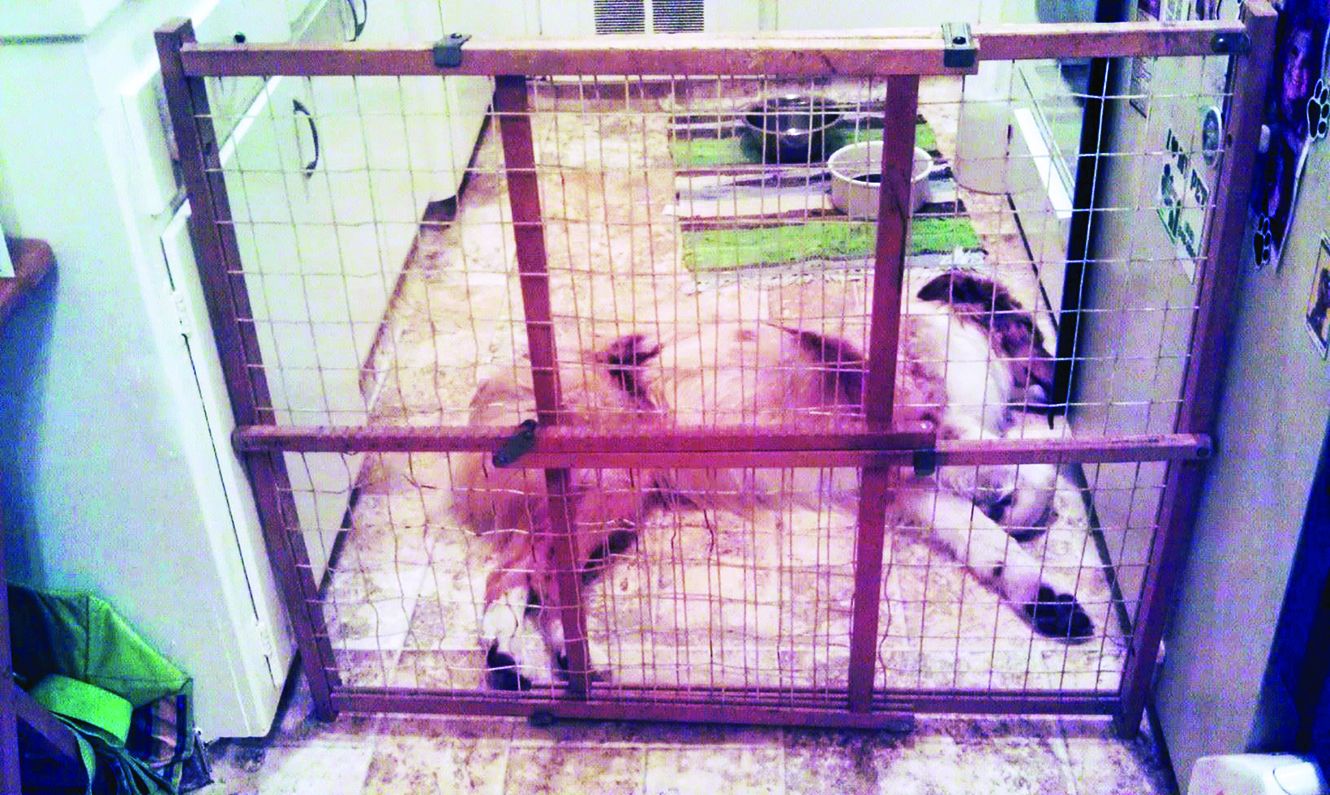
Image Source: cdn.whole-dog-journal.com
The Basics of Successful House-Training a Puppy
Bringing a new puppy home is exciting. It also means starting the process of house-training a puppy. This is not a one-time lesson; it is a daily commitment. Young puppies have small bladders and limited control. They need frequent trips outside. Expect to take a new puppy out every one to two hours initially.
Setting Up for Success
Success starts before the accident happens. You must set up an environment that helps your puppy learn the right place to go.
Containment is Crucial
When you cannot watch your puppy closely, use a crate or a small, puppy-proofed area. This is where crate training for potty breaks shines. Dogs naturally avoid soiling their sleeping space. A crate should be just large enough for the puppy to stand up, turn around, and lie down. If it is too big, the dog will use one end as a bathroom.
Establishing a Potty Schedule
A reliable routine stops many problems before they start. Consistency in dog potty schedule is non-negotiable.
- First thing in the morning: Immediately outside.
- After waking from naps: Always go out right away.
- After eating or drinking: Within 15 to 30 minutes.
- After playing: End play with a quick trip outside.
- Right before bedtime: The final trip of the night.
Keep the schedule rigid, especially for young puppies. As they grow, you can slowly lengthen the time between outings.
Positive Reinforcement: Making Outside the Best Place
Your dog needs a big reason to choose the yard over the carpet. That reason is a huge reward from you.
When your dog squats outside:
- Wait until they finish.
- Use a happy, high-pitched voice to praise them immediately. Say something simple like, “Good potty!”
- Give them a high-value treat—something they only get for potty success.
Keep potty breaks brief and business-like until they go. Once they do their business, then you can play or walk around. This teaches them: “Go potty fast, get praise and fun.”
Deciphering Dog Potty Signals
A big part of preventing accidents is recognizing dog’s potty signals. Dogs send clear, albeit subtle, messages when they need to go. Learning these cues helps you intervene before an accident occurs.
Look for these common signs:
- Circling in one spot.
- Sniffing the floor intently, especially near doors.
- Whining or pacing near the door.
- Sudden stopping of play.
If you see these signs, do not scold or wait. Calmly pick up the dog (if small enough) or lead them quickly outside using a leash. Use your cue word (“Go potty” or similar) as they start to go.
Dealing with Indoor Accidents Correctly
Accidents will happen, even with the best training. How you react determines future success. Your reaction should focus on cleanup, not punishment.
Correcting Indoor Dog Accidents
If you catch your dog in the act:
- Make a sudden, sharp noise (like a clap or “Ah-ah!”). The goal is to startle them, not scare them badly.
- Immediately scoop them up and rush them outside to finish.
- If they finish outside, praise them heavily, even if they already went inside.
If you find the mess later: Do nothing to the dog. The dog cannot connect your anger with the mess they made minutes or hours ago. Scolding after the fact only teaches the dog to fear you or hide when they need to go.
Cleaning Up Thoroughly
Dogs are driven by scent. If they smell urine or feces inside, they see it as an invitation to go there again.
Use an enzymatic cleaner designed to break down pet waste proteins. Regular soap or bleach will not work completely and can sometimes attract the dog back to the spot. Thorough cleaning is vital for preventing dog from eliminating indoors.
Effective Dog Housebreaking Methods for All Ages
While the principles are the same, effective dog housebreaking methods change slightly depending on the dog’s age and history.
Puppy Potty Training Timeline Expectations
The puppy potty training timeline is variable. Generally, a puppy can hold its bladder for one hour per month of age, plus one hour (e.g., a 3-month-old puppy can hold it for about 4 hours max).
| Puppy Age | Typical Hold Time (Max) | Potty Frequency Needed |
|---|---|---|
| 8-10 Weeks | 1-2 hours | Every 1-2 hours |
| 3-4 Months | 3-5 hours | Every 3-4 hours |
| 6 Months | 6-8 hours | Every 6-8 hours (During the day) |
Never expect a young puppy to hold it through the night for 8 hours right away. Night training takes longer.
Utilizing Crate Training for Potty Breaks
Crate training for potty breaks reinforces the idea that the den (the crate) must stay clean. This is a powerful management tool.
- Never use the crate as punishment. It must remain a safe, positive space.
- Ensure the crate is the correct size (small enough to discourage soiling one corner).
- If the dog whines in the crate at night, take them out immediately. Keep the trip quiet, boring, and business-like. No play, just a quick potty, then right back to the crate.
Managing Older Dogs and Relapses
It is frustrating when an adult dog starts having accidents. This leads to the common question: Why is my adult dog pooping inside?
Reasons for sudden indoor elimination in previously house-trained dogs include:
- Medical Issues: Bladder or bowel infections, parasites, or diabetes can cause sudden urgency or loss of control. A vet visit is the first step.
- Stress or Anxiety: Moving, a new pet, separation anxiety, or loud noises can trigger accidents.
- Schedule Change: If your schedule changed, the dog might not be able to hold it as long as before.
- Marking Behavior: Intact males (and sometimes females) may mark territory inside, especially if they smell another dog nearby.
- Failure to Clean Properly: If old spots weren’t fully cleaned, the scent remains.
To stop dog house soiling in an adult dog, return to the basics: a strict schedule, close supervision, and a complete medical checkup.
Management Strategies to Prevent Accidents
Management is about setting up the environment so that accidents are impossible while you train. This is key to preventing dog from eliminating indoors.
Supervision Level Control
If you cannot look directly at your dog, they should be confined.
- Tethering: Keep the dog leashed to you while you are moving around the house. This keeps them in your immediate zone of sight.
- Umbilical Cord Method: This is tethering your dog close to you using a short leash attached to your belt. If they move to circle or sniff oddly, you notice right away and can interrupt them.
Dealing with Door Dashing
If your dog bolts outside but poops near the door instead of the intended spot, or if they won’t go outside at all, address the location choice.
Some dogs prefer softer ground or different scents. If you use a small yard, walk them further out on the leash initially. Always reward them for eliminating far from the door area.
Training Techniques to Solidify Potty Habits
Beyond scheduling, specific techniques reinforce the behavior you want.
Using Verbal Cues
Choose a simple, distinct cue word or phrase (e.g., “Go Potty,” “Hurry Up”). Say this phrase calmly just as the dog begins to squat. Over time, the dog associates the sound with the action, and you can eventually use this cue to encourage them when you need them to go quickly.
Dealing with Submissive or Excitement Urination
Sometimes, indoor urination is not about not being house-trained. It is a reaction.
- Excitement Urination: This happens when a dog gets overly excited, often when greeting people at the door. To manage this: keep greetings calm. Have guests ignore the dog for the first few minutes until the dog settles down.
- Submissive Urination: This happens when a dog feels threatened or overly anxious, often when being scolded or approached by a dominant person. Never scold a dog exhibiting this behavior. Keep interactions low-key and non-confrontational.
House Soiling Due to Separation Anxiety
If a dog only eliminates when left alone, you are likely dealing with separation anxiety, not simple house-training failure. This requires a different set of protocols focusing on gradual desensitization to being alone, rather than just potty reminders. Consult a certified behaviorist if you suspect separation anxiety is the root cause to stop dog house soiling.
The Role of Diet and Hydration
What goes in affects what comes out. Diet plays a role in preventing dog from eliminating indoors.
Food Timing
Feed your dog at consistent times each day. Avoid free-feeding (leaving food out all day). When you feed on a schedule, bathroom breaks become more predictable. If you feed at 7 AM and 5 PM, you can reliably predict when the dog needs to defecate.
Water Intake
Ensure fresh water is always available, but you might want to slightly restrict water intake an hour or two before bedtime to minimize nighttime accidents for puppies. Never restrict water during the day, especially in warm weather.
Common Pitfalls That Hinder Housebreaking
Many owners unknowingly sabotage their efforts. Avoiding these mistakes speeds up the process of house-training a puppy.
Over-Relying on Accidents
If you think your dog can hold it for six hours because they did once, you are setting yourself up for failure. Assume the dog needs to go out more often than you think they do, especially at the start.
Inadequate Rewards
A dry piece of kibble might not be exciting enough. If you are house-training, use truly high-value rewards (small pieces of cooked chicken, cheese, or high-quality training treats). The reward must be worth more to the dog than chewing on the rug.
Punishing After the Fact
As noted, punishment never works for elimination accidents found later. It erodes trust and causes the dog to become secretive about going potty—they hide to poop so you won’t find out. This is the opposite of what you want.
Inconsistency Among Family Members
If one person lets the dog out every hour, but another person waits four hours, the dog gets mixed signals. Everyone in the household must follow the exact same consistency in dog potty schedule and reward structure.
Troubleshooting Persistent Issues: Why is my adult dog pooping inside?
If you have a mature dog and are struggling to stop dog house soiling, review these critical areas:
- Medical Clearance: Did you go to the vet? If not, stop everything and go now. Rule out health issues first.
- Cleanliness: Are you using enzymatic cleaners everywhere? Check all previous accident sites.
- Supervision: Are you managing the dog 100% of the time they are awake? If the dog is roaming unsupervised, they will have accidents. Use the tethering method religiously until accidents stop for at least two weeks straight.
- Exercise and Mental Health: Is the dog getting enough physical exercise and mental stimulation? Bored dogs often eliminate indoors out of frustration or excess energy.
Using Management to Prevent Dog From Eliminating Indoors
For dogs with known house soiling issues, management acts as a bridge until behavior changes.
- Keep the dog confined to one easily cleaned area (like a kitchen with tile floors) when you are busy.
- Ensure management doesn’t mean ignoring the dog. Provide toys and chew items in the safe zone.
- Every time you let them out of the management zone, take them straight outside for a potty break.
Summarizing Effective Dog Housebreaking Methods
To recap the most effective methods that will help you keep your dog clean:
| Method Category | Key Action | Goal Achieved |
|---|---|---|
| Schedule & Routine | Strict feeding and potty times. | Predictable elimination patterns. |
| Supervision | Tethering or constant watching. | Preventing accidents before they start. |
| Reinforcement | Massive praise and high-value treats outside. | Associating outdoor potty with positive outcomes. |
| Containment | Proper use of crates or playpens when unattended. | Leveraging the dog’s natural desire to stay clean. |
| Cleaning | Use of enzymatic cleaners only. | Removing all residual scent trails. |
By following these steps—maintaining high levels of supervision, sticking strictly to the schedule, and rewarding success lavishly—you will quickly achieve your goal of preventing dog from eliminating indoors. Patience and consistency are your most powerful tools in correcting indoor dog accidents.
Frequently Asked Questions (FAQ)
How long does puppy potty training usually take?
The general puppy potty training timeline can take anywhere from a few weeks to several months. Most puppies master daytime training within 4-6 months, but nighttime training often takes longer, sometimes up to 6 or 7 months old, depending on the breed and individual bladder control development.
Can I use puppy pads to house-train my dog?
Some trainers use puppy pads as a temporary measure, especially for apartment dwellers, but many experts advise against it. Puppy pads teach the dog that going potty inside is acceptable, just on a specific piece of plastic. This can confuse the dog later when you try to transition them completely to outside elimination. If you must use them, use them consistently until the dog is fully trained, and then phase them out very slowly.
What if my dog poops immediately after coming inside?
If your dog eliminates right after you come in from what you thought was a successful potty break, it usually means one of two things: 1) The outdoor break was too short, or 2) The dog was too distracted outside to focus on the task. Always keep outside potty breaks focused. Go out, stand in one spot, use your cue word, and wait a few minutes. If nothing happens, bring them back inside but tether them to you or put them in their crate for 10 minutes, then try again.
Is it better to use a crate or a playpen for management?
For effective dog housebreaking methods, the crate is usually superior because it is smaller and relies on the dog’s instinct not to soil their den. A playpen is better if you need to section off a larger area where the dog can still move around slightly but are restricted from accessing high-traffic areas where accidents might occur.
What is the difference between house-training and house soiling?
House-training refers to the process of teaching a puppy or new dog where the appropriate place to eliminate is (usually outdoors). House soiling is when a dog that was trained starts eliminating indoors again, often due to medical reasons, anxiety, or stress (Why is my adult dog pooping inside).