
Yes, you absolutely can stop a dog from jumping and nipping. Training takes time, patience, and the right methods. Most dog jumping behavior and nipping start from excitement or a lack of clear boundaries. We will show you how to teach your dog better ways to act.
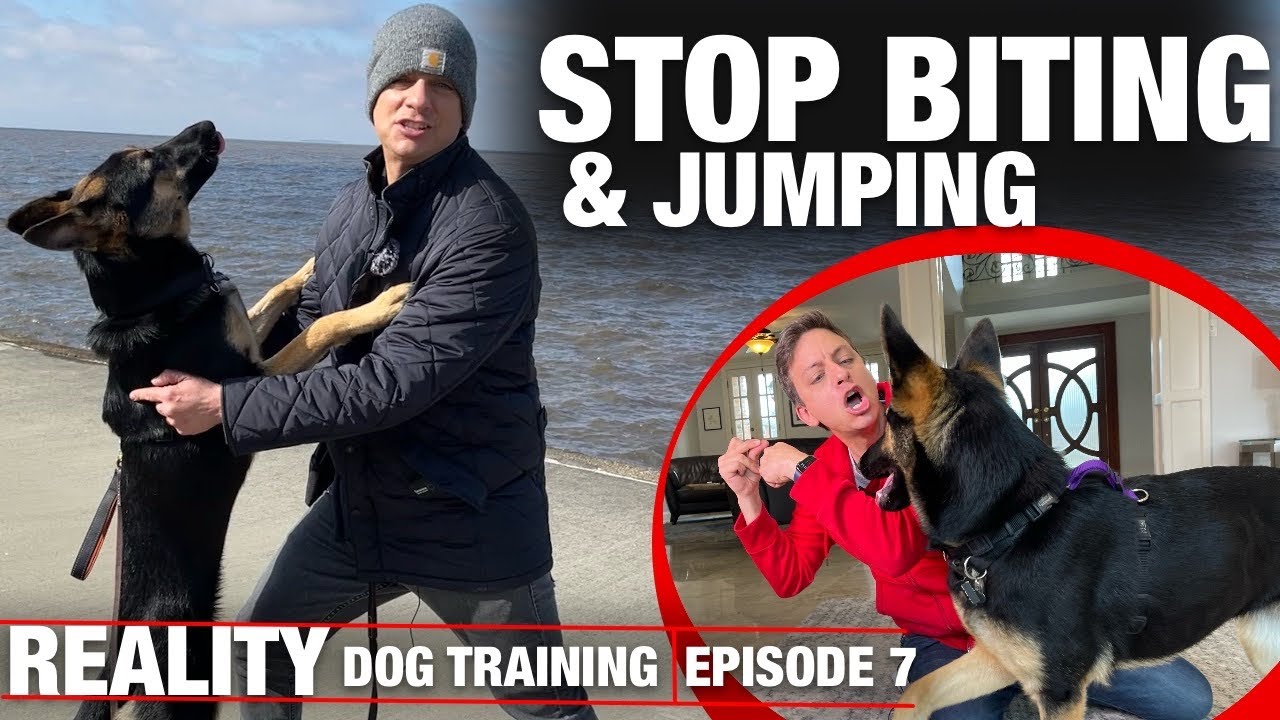
Image Source: i.ytimg.com
Why Dogs Jump and Nip: Fathoming the Roots of the Behavior
To fix a problem, we must first see why it happens. Dogs jump and nip for a few main reasons. Knowing these reasons helps us choose the best training path.
Causes Behind Excited Jumping
Excessive dog jumping often happens when a dog is very happy or excited. Think about when you walk in the door. Your dog might jump up to say hello. They are reaching for your face. This is natural dog greeting behavior, even if it is rude to us.
- Seeking Attention: Dogs quickly learn that jumping gets a reaction. Even yelling “No!” is attention to them.
- Height Equals Greeting: For dogs, getting closer to your face is the ultimate greeting.
- Height Equals Status (Sometimes): In a group, higher position can mean more importance, though this is often overemphasized in modern training.
Reasons for Nipping and Mouthing
Nipping is a big issue, especially with puppies. We need to stop puppy nipping quickly. In adult dogs, it can look different, but the root cause is often similar.
- Puppy Play: Puppies explore the world with their mouths. They learn bite inhibition from their littermates. If separated too early, they don’t learn how hard is too hard. This leads to puppy biting and jumping.
- Overstimulation: When a dog gets too excited, their control breaks down. This can cause playful nips that become too hard.
- Boredom or Anxiety: Sometimes, nipping is a sign of stress or needing more to do. Nipping in adult dogs can sometimes stem from anxiety when stressed.
Effective Strategies to Stop Dog Jumping
Stopping a dog from jumping requires consistency. Everyone in the house must use the same rules every single time. We focus on teaching the dog what to do instead of just punishing what not to do. This is the core of positive reinforcement dog training.
The “No Attention” Method for Jumping
The most effective way to curb dog jumping behavior is to make jumping boring. If the dog jumps and gets nothing, the behavior fades away.
Managing Dog Jumping on Guests
This is often the hardest part—managing dog jumping on guests. If you know guests are coming, prepare beforehand.
- Leash Up: Put your dog on a leash before guests arrive. This gives you control.
- The Instant Lift-Off: The second all four paws leave the floor, turn your back completely. Do not look at the dog. Do not speak.
- Reward the Feet: The instant all four feet touch the ground—even for a second—turn around and calmly give praise or a small treat.
- Repeat: Repeat this cycle. The dog learns: jumping = no fun; feet on floor = good things happen.
If the dog continues to jump, step away completely and put the dog behind a baby gate for a short, calm break. This is not a punishment; it’s a “time-out from fun” until they can act right.
Teaching Polite Greetings: The Sit Command
The best way to teach dog polite greetings is to replace jumping with a specific, incompatible behavior, like sitting.
Dog training to stop jumping must include a strong “Sit” command.
- Practice Calm Entry: When you enter the house, ask your dog to sit before you even greet them. Wait for the sit before giving attention.
- Guest Training: Instruct guests before they enter. Tell them, “Please ignore Buddy until he sits for you.” This sets the dog up for success.
- Reward Heavily: When the dog sits for a guest, the guest should calmly offer a treat or a scratch while the dog remains seated. If the dog stands up, the guest immediately stops attention.
| Jumping Behavior | Result for Dog | Training Goal |
|---|---|---|
| Jumping up on human | Gets attention (even negative) | Ignoring the jump |
| Four paws on the floor (Sitting) | Gets treats and praise | Rewarding the calm behavior |
| Pawing at waist/legs | Causes human to move or engage | Redirecting energy to a sit |
How to Stop Puppy Nipping and Biting
When dealing with puppies, the focus is on bite inhibition. We want them to learn that human skin is very sensitive.
The Yelp and Withdraw Method
This technique mimics what a littermate does when a puppy bites too hard.
- Hard Nip: If your puppy bites too hard during play, let out a loud, sharp “Yelp!” or “Ouch!”
- Stop Play: Immediately withdraw all attention. Stop playing and pull your hands away. Walk away for 15 to 30 seconds.
- Resume Calmly: If the puppy calms down, you can resume play gently.
- Repeat Until Soft: If the puppy continues to bite hard, repeat the process. If they still bite hard after three or four times, end play for a few minutes.
This teaches the puppy that hard bites make the fun stop. This is a key part of how to stop puppy nipping early on.
Redirecting Nipping Energy
Puppies need outlets for that sharp puppy energy. Redirecting is crucial for controlling excited dog behavior.
- Tug Toys and Chew Toys: Always have appropriate chew items handy. When the puppy starts to mouth your hand or ankle, immediately swap it for a designated toy.
- Praise the Trade: When they choose the toy over your hand, praise them enthusiastically. This reinforces the correct choice.
- Managing Over-Arousal: If you see your puppy getting too hyped up and starting to mouth everything, it is time for a mandatory break or a short chew session on a puzzle toy to calm their brains down.
Nipping on Clothing and Ankles
This often happens when a puppy is tired or overstimulated, especially during the “witching hour.”
- Avoid Running Away: If you run, it looks like a fun game of chase to the puppy. Stand still.
- Use Your Voice: Use a firm, low “Ah-ah!” when they grab clothes.
- Calm Redirection: While saying “Ah-ah,” gently shove a toy into their mouth.
Advanced Techniques for Controlling Excited Dog Behavior
As dogs grow, sometimes the jumping and nipping remain, fueled by high energy levels. We need more structure for controlling excited dog behavior.
Training for Calmness: Relaxation Protocol
A calm dog is less likely to jump or nip. Teach your dog that being relaxed earns rewards.
The Mat Protocol: Teach your dog to go to a specific mat or bed and stay there until released. This is invaluable for controlling excited dog behavior during busy times, like meal prep or when friends visit.
- Lure to Mat: Toss a treat onto the mat. When the dog steps on it, say “Yes!” and give another treat.
- Add Duration: Once they are on the mat, start asking them to stay for one second, then two, then five. Slowly increase the time.
- Introduce Distractions: Practice with you moving around, then with mild noises, and finally with mild distractions (like a quiet guest entering).
If the dog leaves the mat, calmly lead them back, reset, and start the duration count over. Never reward them for leaving the mat.
The Importance of Exercise and Mental Work
A tired dog is a well-behaved dog. Lack of stimulation often leads to destructive or attention-seeking actions like jumping and nipping.
- Physical Exercise: Ensure your dog gets enough activity appropriate for their breed and age. A long walk or a good fetch session helps burn off frantic energy that fuels excessive dog jumping.
- Mental Exercise: Mental work tires a dog out faster than physical exercise. Use puzzle toys, snuffle mats, or short, fun training sessions. Five minutes of focused training can be as tiring as a 30-minute walk for some dogs.
Addressing Nipping in Adult Dogs
While puppy biting and jumping is common, nipping in adult dogs often signals deeper issues or ingrained habits.
When Nipping is Fear or Resource Guarding
If an adult dog nips when you approach their food, toys, or crate, this is not playful nipping. This is guarding behavior and requires a different approach.
- Safety First: Never punish or forcibly take items away from a resource-guarding dog. This makes the problem worse.
- Counter-Conditioning: The goal is to make the dog associate your approach with wonderful things. While the dog is eating a high-value chew, calmly toss an even better treat near them (but not touching their food bowl). Slowly, move closer over many sessions, always tossing a better treat before the dog shows concern.
Recognizing Fear-Based Jumping
Some adult dogs jump not out of pure joy, but as a nervous way to create space or try to control an interaction. If your dog jumps while backing away, showing stress signals (lip licking, whale eye), address the fear first.
- Reduce Pressure: Avoid looming over the dog. Meet them at their level when possible (e.g., sit down).
- Controlled Introductions: Keep initial greetings brief and positive. Use high-value treats only for these initial interactions to build positive associations with new people.
Successful Dog Training to Stop Jumping: Consistency is Key
Successful behavior modification relies on everyone following the plan. Dog training to stop jumping is a team effort.
Setting Up for Success
We must control the environment until the dog masters the skill.
- Management Tools: Use tools like leashes indoors when you know high-arousal moments (like the doorbell) will happen. This prevents rehearsal of the unwanted behavior.
- No Accidental Rewards: Be hyper-aware of your reactions. A harsh push away is still attention. A quick glance is still a reward.
- Celebrate Small Wins: Did your dog stay on all four paws for five seconds when you came home? That deserves huge praise! Build on that success.
Troubleshooting Common Mistakes
Even with the best intentions, people sometimes accidentally reinforce the bad habit.
| Common Mistake | Why It Fails | Solution Using Positive Reinforcement |
|---|---|---|
| Yelling “Down!” when the dog jumps. | Yelling is exciting attention. | Turn away instantly and silently. |
| Pushing the dog off using hands. | Pushing can feel like play-fighting. | Use your body by stepping back or turning away; keep hands away from the dog during jumping. |
| Greeting the dog immediately upon entering. | Rewards the excitement of the entry. | Wait for a sit or down before giving any greeting or eye contact. |
| Giving attention when the dog is mouthy. | Reinforces that nipping gets a response. | Immediately redirect to a toy or withdraw attention completely. |
Frequently Asked Questions (FAQ)
How long does it take to stop a dog from jumping?
There is no single answer. It depends on the dog’s age, history, and how consistent you are. For puppies, fixing early puppy biting and jumping habits can take a few weeks of focused work. For ingrained excessive dog jumping in an adult dog, it might take several months of diligent practice to make the polite greeting automatic. Consistency is much more important than speed.
Can I use a spray bottle to stop jumping?
While some people use tools like spray bottles, most modern, science-based trainers advise against them. These methods rely on punishment and fear. They might stop the behavior temporarily when you are present, but they do not teach the dog what to do instead. They can also damage your relationship with your dog. Focus on rewarding good choices, like using positive reinforcement dog training.
Is it okay for my puppy to nip my hands while playing tug?
Puppies must learn bite inhibition. If they are only playing with appropriate toys, and they bite too hard on the toy, you should stop the game immediately for a short break. This teaches them that hard pressure on fabric or rope means the game ends. This is a key lesson to stop puppy nipping from escalating into problem biting later.
My dog only jumps on strangers, not me. How do I manage this?
This is very common. Strangers often look, lean over, and use high-pitched voices, which ramps up excitement. When expecting company, preemptively put your dog on a leash. Ask guests to stand still and ignore your dog entirely until they sit calmly. Reward the sit heavily. This is the best method for managing dog jumping on guests.
What if my adult dog never seems to settle down?
If you have tried extensive exercise and mental work, and your dog still displays high levels of energy leading to nipping or jumping, consult a certified professional dog trainer (CPDT-KA) or a veterinary behaviorist. Sometimes, underlying anxiety or neurological factors require professional assessment to fully address nipping in adult dogs or controlling excited dog behavior.