
When a dog has both diarrhea and vomiting, it often means they have dog digestive upset. This common set of symptoms points to trouble in the stomach or intestines. It is a very common reason pet owners rush their dog to the vet. Many things can cause this. They range from simple dietary mistakes to serious illnesses. Knowing the potential canine vomiting and diarrhea causes helps owners react quickly and appropriately.
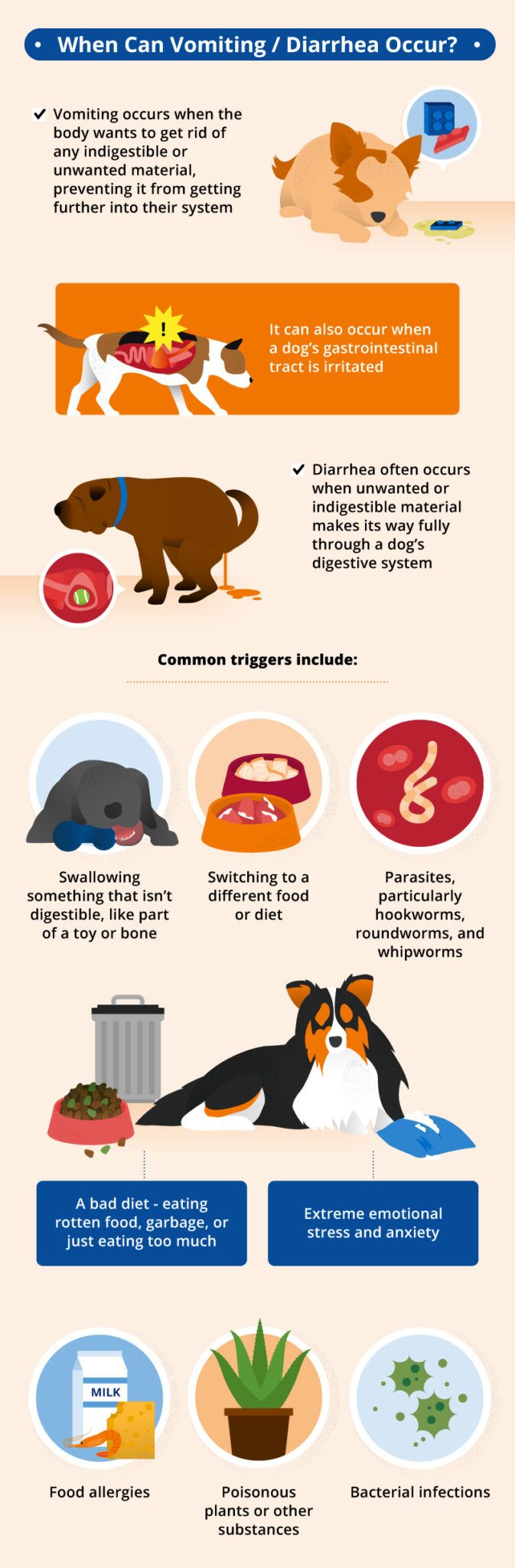
Image Source: cdn-ilbfemn.nitrocdn.com
Common Triggers for Digestive Distress
Many things can set off this reaction in dogs. Sometimes it is something they ate. Other times, it is an underlying health problem.
Dietary Indiscretions and Changes
One of the most frequent reasons for a dog to suddenly get sick is a change in diet or eating something they shouldn’t have.
Sudden Food Changes
Switching your dog’s food too fast can shock their system. Dogs have sensitive stomachs. A rapid switch means their gut does not have time to adjust to the new ingredients. Always mix new food with the old food slowly over several days. This gentle transition prevents irritation.
Garbage Gut (Dietary Indiscretion)
This happens when a dog gets into the trash or eats spoiled food. It is often a main cause of dog sudden onset vomiting. The spoiled food or non-food items can irritate the stomach lining. This leads to severe dog digestive upset.
Rich or Fatty Foods
Treats or scraps high in fat can overstimulate the pancreas and cause pancreatitis. Pancreatitis often leads to severe vomiting and diarrhea. Even a small piece of fatty table scrap can cause trouble.
Toxin Ingestion
If your dog eats something poisonous, vomiting and diarrhea are often the first signs. This includes certain plants, household cleaners, or human medications. This is a medical emergency.
Infections and Parasites
Germs and tiny bugs can invade the dog’s system and cause serious gut inflammation.
Bacterial and Viral Infections
Certain bacteria, like Salmonella or E. coli, can cause illness. Viruses like Parvovirus are very serious, especially in young dogs. Puppy stomach bug symptoms often include severe, watery diarrhea and frequent vomiting. If you suspect a viral infection, seek vet care right away.
Parasites Causing Dog Diarrhea
Internal parasites are a major concern. Worms and protozoa live in the gut and cause inflammation.
- Giardia: A common single-celled parasite. It causes foul-smelling, greasy diarrhea.
- Coccidia: Another common microbe that targets the intestinal lining.
- Roundworms and Hookworms: These can cause bloody diarrhea, especially in puppies. These parasites causing dog diarrhea need specific medication to clear them out.
Dog Intestinal Infection Symptoms
If an infection is present, you might notice more than just throwing up and loose stools. Other dog intestinal infection symptoms can include:
* Lethargy or extreme tiredness.
* Loss of appetite.
* Fever.
* Abdominal pain (whining when the belly is touched).
More Serious Underlying Medical Conditions
Sometimes, the vomiting and diarrhea are signals pointing to a deeper health issue that needs expert treatment.
Inflammatory Bowel Disease (IBD)
IBD is a chronic condition where the digestive tract becomes inflamed. This inflammation stops the dog from properly absorbing nutrients. Symptoms are often recurring. You might see weight loss alongside chronic diarrhea.
Organ Dysfunction
Problems with major organs can show up as digestive issues.
Kidney Disease
When kidneys fail, toxins build up in the blood. These toxins irritate the stomach lining, causing nausea, vomiting, and sometimes diarrhea.
Liver Disease
The liver plays a key role in digestion. If it is not working right, it can lead to dog digestive upset, sometimes presenting as yellowing of the skin (jaundice) along with vomiting.
Blockages and Foreign Bodies
If a dog swallows a non-food item—like a toy piece, sock, or bone—it can get stuck. This causes a blockage. The stomach tries to push the material past the blockage, resulting in forceful vomiting. If the dog keeps vomiting and cannot keep water down, it could be a sign that the dog ate something bad vomiting and now has an obstruction. This is a true emergency. Often, you might see dog vomiting undigested food hours after they ate, even if the item is stuck further down.
Pancreatitis
As mentioned before, this is serious inflammation of the pancreas. It is often triggered by high-fat meals. Symptoms are intense: repeated vomiting, severe abdominal pain, and sometimes bloody diarrhea.
Food Sensitivities and Allergies
Not every reaction is due to eating something immediately harmful. Some dogs react to specific components in their regular food.
Dog Food Intolerance Diarrhea
Food intolerance means the dog’s body cannot properly break down a certain ingredient, usually a protein or carbohydrate. This causes chronic or recurring loose stools. It is different from an allergy because it does not involve the immune system, but the result—dog food intolerance diarrhea—is the same for the owner: messy cleanup.
True Food Allergies
A true allergy involves the immune system reacting to a specific protein (like beef, chicken, or dairy). Symptoms often include skin issues (itching, hot spots), but digestive upset, including vomiting and diarrhea, is also very common.
How Vets Decide the Cause
When you bring your dog in for vomiting and diarrhea, the veterinarian will follow a specific path to find the cause.
Initial Assessment and History Taking
The vet first needs to know when the symptoms started and what the dog has eaten recently. They will ask specific questions:
- Was the vomiting sudden (dog sudden onset vomiting)?
- Is the diarrhea watery or soft?
- Are there any signs of blood?
- Has the dog had access to trash or toxins?
Physical Examination
The vet will check hydration levels, feel the dog’s belly for pain or masses, and check their temperature. They look for signs of dehydration, which happens quickly with repeated vomiting and diarrhea.
Diagnostic Tests
Depending on the initial findings, several tests might be needed to rule out serious issues or identify parasites causing dog diarrhea.
Fecal Exam
This test looks for microscopic evidence of worms or protozoa. It is essential if you suspect parasites causing dog diarrhea.
Blood Work
A complete blood count (CBC) and chemistry panel check organ function (kidney, liver) and look for signs of infection or dehydration.
Imaging (X-rays or Ultrasound)
If a blockage is suspected, X-rays can show dense foreign objects. Ultrasound provides a detailed look at the intestinal walls and organs, helping diagnose IBD or pancreatitis.
Managing Mild Cases at Home
For mild cases where the dog seems otherwise bright and the vomiting is infrequent, some home care can help settle the dog digestive upset.
Important Note: If the dog is lethargic, vomiting constantly, or has bloody diarrhea, skip home care and call the vet immediately.
Resting the Gut
The first step is to stop giving the stomach anything to process for a few hours. This allows the irritated gut lining to calm down. This means no food for 12 to 24 hours for adult dogs (puppies require closer monitoring). Water should be offered in small, frequent amounts to prevent further vomiting.
Introducing a Bland Diet
Once vomiting has stopped for several hours, you can slowly introduce bland food. This food is easy to digest and replaces lost nutrients gently.
Bland Diet Components:
| Component | Example Food | Purpose |
|---|---|---|
| Protein Source | Boiled, skinless, fat-free chicken breast or lean ground beef | Gentle protein source |
| Carbohydrate Source | Plain white rice or cooked sweet potato (no skin) | Easy to digest energy |
The ratio should be about 1 part protein to 2 parts carbohydrate. Feed very small amounts several times a day rather than one large meal. Slowly mix in the regular food over 3 to 5 days as stools firm up.
Hydration is Key
Dehydration is a major risk with vomiting and diarrhea. If the dog refuses water or immediately vomits it back up, they need veterinary fluids. For mild cases, adding an electrolyte solution made for dogs (or plain Pedialyte, diluted) can help replace lost salts, offered in small amounts.
When Medical Intervention is Necessary
Many canine vomiting and diarrhea causes require professional medical help. Delaying treatment can make recovery much harder.
Severe Dehydration
If a dog cannot hold down water, they will quickly become dehydrated. This requires intravenous (IV) fluids at the clinic to restore balance quickly.
Persistent Vomiting
If vomiting continues for more than 24 hours, or if the dog is vomiting forcefully and frequently, it suggests a serious problem like a blockage or severe infection.
Bloody Diarrhea or Vomit
Any bright red blood in stool or vomit is an urgent sign. Dark, tarry stool (melena) also signals digested blood from the upper GI tract. This points toward serious irritation or bleeding ulcers.
Suspected Toxin or Foreign Body
If you know or suspect the dog ate something bad vomiting ensued, immediate action is needed. The vet may induce vomiting safely or perform surgery to remove an obstruction.
Persistent Symptoms in Puppies
Puppy stomach bug symptoms must always be taken seriously. Puppies dehydrate very fast due to their small size and high metabolism. Parvovirus is also a major concern for unvaccinated puppies.
Preventing Future Digestive Upset
Prevention is always better than cure when dealing with dog digestive upset.
Consistent Feeding Routine
Stick to one high-quality dog food. If you must change food, do it slowly over a week.
Secure Your Trash and Keep Things Clean
Dogs are scavengers. Keep all trash cans secured with locking lids. Be mindful of what you leave on counters or tables. This is the best defense against the dog who eats something they shouldn’t, leading to dog ate something bad vomiting.
Regular Parasite Control
Keep your dog up-to-date on their monthly heartworm and intestinal parasite preventative. This guards against many of the common parasites causing dog diarrhea.
Careful Introduction of New Foods
When introducing new treats or table scraps, start small. Watch the dog closely for the next 24 hours for any signs of upset.
Fathoming Chronic vs. Acute Issues
It is useful to categorize the symptoms. Is this a one-time event or something ongoing?
Acute Issues: These start suddenly. Causes often include sudden diet change, eating spoiled food, or exposure to a toxin. Causes of acute dog diarrhea are often short-lived.
Chronic Issues: These last for weeks or months. They are more often linked to underlying conditions like IBD, chronic infections, or dog food intolerance diarrhea. These require long-term management plans from your veterinarian.
If your dog is having repeated bouts of dog vomiting undigested food even after long periods between meals, it suggests the stomach emptying process is compromised, which needs investigation.
Frequently Asked Questions (FAQ)
How long can diarrhea and vomiting last in a dog before it’s an emergency?
If your adult dog has mild diarrhea and occasional vomiting that stops within 12 to 24 hours, you can usually manage it at home with rest and a bland diet. However, if vomiting continues several times an hour, if the diarrhea is severe (watery or bloody), or if the dog becomes very tired or refuses to drink water for more than 12 hours, seek veterinary care immediately. For puppies, this window is much shorter—any persistent vomiting or diarrhea warrants an urgent vet visit.
Can stress cause a dog to vomit and have diarrhea?
Yes, stress is a significant factor in dog digestive upset. High levels of stress or anxiety (from travel, loud noises, separation anxiety, or a change in the home environment) can directly irritate the gut, leading to acute bouts of vomiting and diarrhea. These are often referred to as stress colitis.
What does it mean if my dog is vomiting undigested food?
If your dog is vomiting undigested food shortly after eating, it usually means the food did not make it past the esophagus or stomach and into the small intestine. This can happen due to rapid eating, esophageal issues, or a partial blockage. If this happens repeatedly, it is a key sign that something is preventing normal stomach emptying.
Are there specific symptoms that point toward parasites causing dog diarrhea?
Yes. While many parasites causing dog diarrhea lead to typical loose stools, Giardia often causes stools that look greasy or oily. Worms, like hookworms, often result in dark, tarry, or bloody stool because they latch onto the intestinal lining and cause bleeding. A fecal test is the only way to confirm the presence of parasites causing dog diarrhea.
What is the difference between dog food intolerance diarrhea and an allergy?
Dog food intolerance diarrhea is a digestive issue. The dog’s body lacks the enzyme or ability to break down a specific ingredient, leading to digestive upset. A true food allergy involves the immune system reacting aggressively to a protein, often causing skin issues and digestive upset. Both result in diarrhea, but the underlying body mechanism is different.