
Some dog breeds naturally do not have dewclaws, and these breeds are often categorized as dog breeds without dewclaws. This means they are born without these extra toes, either on their front or hind legs, or both.
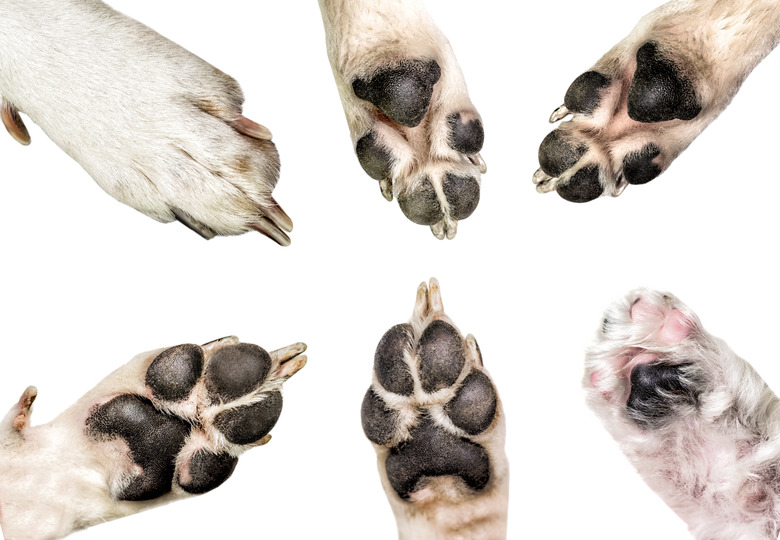
Image Source: www.cuteness.com
Deciphering Dewclaws: What They Are and Why They Matter
Many people wonder about dewclaws. What exactly are these extra digits? Dewclaws are like thumbs in dogs. They sit higher up on the leg, away from the main paw. They don’t usually touch the ground when the dog walks normally.
Front Dewclaws vs. Rear Dewclaws
Dogs usually have dewclaws on their front legs. These are often present. They are usually single digits.
Rear dewclaws are different. They are on the inside of the back legs. Many breeds lacking dewclaws are missing these back ones. Sometimes, they are just small, loose bits of skin and bone. Other times, they are fully formed toes.
Why Some Dogs Have Them and Others Don’t
The presence or absence of dewclaws is often written into a breed’s standard. This is the official description of what a perfect dog of that breed should look like.
Some breeds have them because their ancestors needed them for climbing or gripping. Other breeds evolved without them. This might be due to natural selection or selective breeding by humans. Certain dewclawless dog breeds have existed this way for a very long time.
Breeds Naturally Missing Dewclaws
Several popular and well-known dog breeds without rear dewclaws are often cited. These breeds are commonly considered breeds naturally missing dewclaws. Their structure is meant to be sleek and streamlined for running.
The Boxer and the Great Dane
The Boxer is a famous example. Boxers often have very small, sometimes non-existent, rear dewclaws. Many breeders remove them early on, but in some cases, they are just not there to begin with.
Great Danes are similar. They are giant dogs built for speed and power. Their structure favors legs free from extra digits. We see congenital dewclaw absence dogs in this large breed group frequently.
Sighthounds: Built for Speed
Sighthounds are dogs bred to hunt by sight and chase fast-moving prey. For maximum speed, having extra flaps of skin or bone on the leg is not helpful.
- Greyhounds: They often have no rear dewclaws. Their legs are smooth and built like racing machines.
- Whippets: Like their larger cousins, Whippets usually lack rear dewclaws. They are prized for their clean lines.
- Salukis: These ancient hunting dogs frequently fall into the group of dog breeds with no dewclaws on the rear.
Other Notable Dewclaw-Free Breeds
Several other groups of dog breeds without dewclaws exist. These dogs might be known for digging, herding, or just their unique look.
| Breed Name | Typical Dewclaw Status (Rear) | Key Feature Related to Legs |
|---|---|---|
| Australian Cattle Dog | Often double rear dewclaws | Bred for hard work on rough terrain |
| Doberman Pinscher | Traditionally removed | Streamlined appearance often preferred |
| Standard Poodle | Usually single or none | Needs clean movement for water work |
| Dalmatian | Usually single or none | Standard calls for neat feet |
The Question of Double Dewclaws
Some dewclawless dog breeds are more interesting because of double dewclaws. This means they have two dewclaws on one or both rear legs. This trait is highly sought after in certain breeds.
Australian Cattle Dogs (ACD)
The ACD is perhaps the most famous example of double rear dewclaws. This feature is often written into their breed standard. It is seen as vital for their work ethic.
These dogs needed grip when herding cattle over rocky ground in Australia. The extra digits acted like little anchors. Therefore, in ACDs, the dewclaw absence in dog breeds rule does not apply. Instead, extra dewclaws are a mark of quality.
Beauceron
The Beauceron, a French herding dog, is another breed where double dewclaws are required. They must have them on both hind legs. This is a defining feature. If they don’t have them, they might not qualify for conformation shows.
Great Pyrenees
These large livestock guardian dogs sometimes have double dewclaws. This feature helped them maintain footing in the snowy, mountainous regions where they originated.
When Dewclaws Are Removed: Surgical Alterations
It is important to note that just because a dog has dewclaws doesn’t mean they will keep them forever. Many dog breeds where dewclaws are removed have this done early in life.
Why Remove Dewclaws?
The decision to remove dewclaws is often based on tradition or perceived safety.
- Injury Risk: Front dewclaws can sometimes catch on things like fences or thick brush. If they catch, they can tear. This is painful and requires veterinary attention.
- Breed Standard: For many show breeds, the standard dictates that dewclaws must be removed when the dog is very young (usually within the first few days of life). This is done for aesthetic reasons or to conform to tradition.
- Rear Dewclaws: Rear dewclaws, especially loose ones, are often removed because they serve little function and can easily snag and tear later in life.
When is Removal Done?
Veterinarians usually remove them when the puppy is just a few days old. At this stage, the puppy is very small, and the procedure is quick. It is done under a local anesthetic. Recovery is fast because the blood supply to the area is minimal.
If the dog is older, removing a dewclaw becomes a surgical procedure requiring general anesthesia. This is more involved.
Fathoming the Function of Dewclaws
If some breeds lacking dewclaws are perfectly fine, why did dogs evolve to have them in the first place? The answer depends on whether we are talking about front or rear dewclaws.
Front Dewclaw Function
Front dewclaws are often well-attached. They have muscles and bone structure supporting them.
- Grip and Stability: When a dog runs, especially when turning sharply, the front dewclaw can act like a brake or a pivot point. Think of it like the inside edge of a ski carving into the snow.
- Digging: For breeds that dig (like terriers), the front dewclaw might offer extra leverage.
Rear Dewclaw Function (The Controversy)
Rear dewclaws are the source of most debate. In many dog breeds without rear dewclaws, this is seen as an advantage for smooth running.
- Traction on Uneven Ground: For breeds like the ACD, those rear digits help grip steep or slippery slopes. They provide extra purchase when climbing or descending.
- Loose Dewclaws: When rear dewclaws are just floppy tags of skin, they are often considered vestigial—a leftover part that doesn’t do much but can cause problems. These are the ones most often removed.
Breeds Where Dewclaws Are Typically Absent or Required to be Absent
Some breeds have established traditions regarding their dewclaws. Either they are genetically inclined to not have them, or tradition demands their removal.
Traditional Removal for Aesthetics and Safety
In many sporting and working breeds, a clean look is desired.
- Rottweilers: Traditionally, Rottweilers have their rear dewclaws removed. Front ones may or may not be present, but removal is common.
- German Shorthaired Pointers (GSP): Similar to many hunting dogs, their legs are kept neat. Rear dewclaws are almost always removed.
- Shih Tzus and Lhasa Apsos: These companion breeds typically have single front dewclaws and no rear ones.
Breeds Whose Dewclaws Are Typically Absent
These breeds naturally fit the profile of dog breeds without dewclaws, especially on the hind end.
- Basenjis: These agile African dogs are known for being cat-like. They generally do not have hind dewclaws.
- Weimaraners: Bred for tracking and pointing, their legs are smooth and fast. They usually lack rear dewclaws.
- Irish Setters: While front dewclaws are common, rear dewclaws are usually absent in the breed standard.
Interpreting Breed Standards and Dewclaw Status
If you are looking at buying a purebred dog, checking the breed standard is key. The standard tells you what the dog should look like. This is where you find out if your chosen breed is one of the dog breeds without dewclaws or one where they should be present.
Double vs. Single Dewclaws in Standards
Some standards are very specific.
- Required: For the Beauceron, double rear dewclaws are mandatory.
- Allowed but Removed: For the Doberman, dewclaws (if present) are often removed for the show ring.
- Discouraged: For breeds where a smooth gait is paramount, any extra digit might be seen as a fault if left on.
It’s crucial for prospective owners to know this information. If you plan to show your dog, keeping dewclaws on a breed where removal is standard can disqualify you.
Legal and Ethical Considerations Regarding Dewclaw Removal
The practice of removing dewclaws is becoming more debated. Laws vary widely by country and even by state or province.
The Age Factor
Most places allow the removal of dewclaws on puppies less than a few days old. This is seen as a minor procedure.
Dewclaw Absence in Older Dogs
Removing dewclaws on an older dog is a bigger surgery. Many veterinarians are hesitant to perform elective surgery on adult dogs purely for cosmetic reasons, especially if the dewclaws are functional and not causing harm. This means older dogs from breeds lacking dewclaws due to early removal might still have them if they came from a less traditional breeder or a different country.
Regional Differences
In Europe, there is a strong trend against cosmetic surgery on dogs. In countries like the UK, Germany, and Sweden, removing dewclaws unless medically necessary is often banned. If you import a dog from one of these places, it is much more likely to have its dewclaws, even if it is from a breed often seen as one of the dog breeds without rear dewclaws in the US or Canada.
This means that finding a congenital dewclaw absence dogs might be easier in one region than another for the same breed.
Special Cases: When Dewclaws Reappear
Sometimes, a dog appears to be one of the breeds naturally missing dewclaws, but then develops one later. This is rare but possible, especially with rear dewclaws.
The Development of “Slipping” Dewclaws
A dewclaw can sometimes form later in life. It might start as a small bump of tissue that gradually grows into a small toe. These are sometimes called “slipping” or “wandering” dewclaws. They are not fully attached and are very prone to injury.
If you have a dog from a line known for dog breeds without dewclaws and this happens, veterinary advice is necessary to decide on removal before injury occurs.
Impact on Grooming and Care
For owners of dog breeds without dewclaws, grooming is slightly simpler. However, for those breeds where dewclaws are common or required (like the ACD), they become an extra feature to manage.
Nail Trimming Needs
If a dog has dewclaws, you must trim those nails too. Since the dewclaw doesn’t touch the ground, it doesn’t wear down naturally. If you forget, it can grow into a circle and hook into the dog’s leg, causing severe pain. This adds another nail to the trimming list.
Owners of dewclawless dog breeds only need to worry about the four main nails on each foot.
Summary of Key Dewclaw Status Points
It is helpful to remember the key groups when discussing this topic.
- Speed Breeds (Sighthounds): Often smooth-legged, tending toward dog breeds with no dewclaws on the rear.
- Guardian/Herding Breeds: Often retain or develop double rear dewclaws for grip (e.g., Beauceron, ACD).
- Companion/Terrier Breeds: Usually have front dewclaws; rear ones are often absent or removed.
The presence or absence of dewclaws is a fascinating mix of genetics, history, and human preference. Whether your dog is among the breeds whose dewclaws are typically absent or has a full set, responsible care remains the most important factor.
Frequently Asked Questions (FAQ)
Are all dogs supposed to have dewclaws?
No. While many dogs are born with front dewclaws, many breeds are genetically supposed to be without rear dewclaws. Furthermore, many dog breeds without dewclaws have had them surgically removed when they were puppies as per tradition or breed standards.
Is it bad if my dog has rear dewclaws?
It depends on the breed. For breeds like the Beauceron or the Australian Cattle Dog, rear dewclaws are normal and functional. For many sighthounds or breeds where they are traditionally removed, loose rear dewclaws can easily snag and cause painful tears.
How can I tell if my puppy’s dewclaws were removed?
If the dewclaws were removed as a newborn puppy, you will usually see a small, neat scar or a slight indentation where the digit used to be, typically on the inner side of the lower front leg. If you can’t feel a distinct bump or nail structure, they were likely removed.
Are there any dog breeds that must have double dewclaws?
Yes. The Beauceron is the most famous example. Their breed standard requires them to have double dewclaws on their hind legs for their structure and grip.
If my dog is a mix, how do I know if it should have dewclaws?
If your dog is a mixed breed, you should look at the breeds in its lineage. If it has strong heritage from breeds known for dewclaw absence in dog breeds (like Greyhounds), it might not have them. If it has heritage from ACDs, it might have double dewclaws. If you are unsure, consult your vet to check the structure of the paw.