
Can I cure a dog paw infection at home? Yes, you often can treat mild dog paw infections at home with proper cleaning, soothing soaks, and careful monitoring, but severe or worsening infections require immediate veterinary attention.
A dog paw infection can be painful and distressing for your furry friend. Quick action is key to a speedy recovery. When you notice your dog limping or favoring a paw, it might be more than just a small cut. It could be a sign of a deeper issue, like a dog paw infection treatment situation needing swift care. This guide will help you spot the signs, know the right steps for treating infected dog paws at home, and know exactly when professional help is needed.
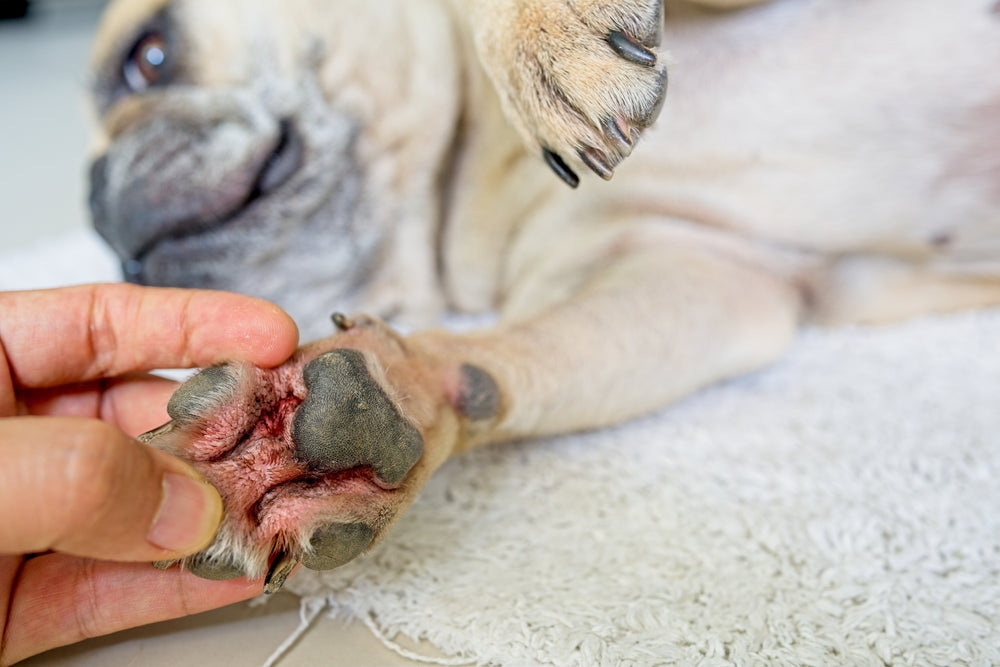
Image Source: www.zumanutrition.com
Recognizing the Trouble: Signs of Infected Dog Paw
Before you treat anything, you need to know what an infection looks like. Ignoring early signs can lead to big problems fast. Look closely at your dog’s paws daily, especially after walks.
Here are the main signs of infected dog paw:
- Limping or reluctance to put weight on the paw.
- Excessive licking, chewing, or biting at the paw area.
- Redness and swelling around the paw pads or between the toes.
- Bad odor coming from the paw.
- Discharge—this might be pus (thick, yellow or green) or clear fluid.
- Pus-filled blisters or bumps on the skin.
- The paw feels hot to the touch compared to other feet.
If you see pus or the paw smells truly bad, you likely need veterinary help right away.
Quick Action: Immediate First Steps for Sore Paws
If you suspect a mild infection or irritation, start simple cleaning right away. Speed matters when dealing with these issues.
Cleaning the Paw Safely
The first step in any dog paw infection treatment is gentle cleaning. You must remove dirt, debris, or irritants stuck in the paw.
- Gather Supplies: You will need warm water, mild dog shampoo (or plain, unscented soap), and clean towels.
- Prepare the Soak: If possible, prepare a soothing soak first (see the next section). If not, gently rinse the paw under lukewarm running water.
- Wash Gently: Dip the paw into a bowl of soapy water or use your hands to wash the area gently. Focus on the spaces between the toes where debris hides.
- Rinse Well: Rinse all soap away. Soap left behind can cause more irritation.
- Dry Completely: Pat the paw dry with a clean towel. Moisture traps bacteria, making things worse. Make sure the area between the toes is totally dry. This step is vital for preventing dog paw infections from worsening.
Soothing Inflammation: Canine Paw Pad Inflammation Remedies
Once clean, reducing swelling and pain is the next goal. Many canine paw pad inflammation remedies use simple items you already have.
Salt Water Soaks
A common and effective way to soothe inflamed paws is using Epsom salts or regular table salt. Salt helps draw out fluids and acts as a mild antiseptic.
- Mix one to two teaspoons of Epsom salt (or plain salt) into one quart (about one liter) of warm water.
- Ensure the water is warm, not hot. Test it on your wrist first.
- Soak the affected paw for 5 to 10 minutes.
- Repeat this soak two to three times a day.
- Always rinse the paw clean with fresh water afterward and dry thoroughly.
Apple Cider Vinegar (ACV) Soaks
ACV is known for its mild germ-fighting properties. Use it diluted to avoid stinging open sores.
- Mix one part ACV with three parts water.
- Soak the paw for about 5 minutes.
- This is a great option for natural remedies for dog paw sores if the skin is not broken open yet.
- If the dog is licking, ACV might irritate the mouth, so watch closely.
Stopping the Itch: Managing Excessive Licking
One of the biggest challenges in treating infected dog paws at home is stopping the licking. Dogs lick because it feels good or soothes the pain, but licking constantly makes the infection much worse. This leads to a cycle often called “lick granuloma” if it continues long enough. This is the core issue in dog licking raw paw treatment.
Physical Barriers are Essential
You must physically stop the dog from reaching the paw.
- E-Collars (The Cone of Shame): This is the most reliable method. A plastic or soft recovery collar prevents the dog from bending its neck far enough to chew or lick the paw.
- Protective Boots or Socks: For very short periods, or while supervising, you can use dog boots. Ensure the boot is clean and does not trap moisture. Remove the boot as soon as you can supervise the dog to allow air circulation.
If the paw is already raw from licking, covering it with a light, non-stick bandage (applied by a vet) might be needed during recovery, but always check with a professional first before applying heavy wraps at home.
Choosing the Right Medicine and Topicals
When simple soaks aren’t enough, you might look toward mild topical treatments. Finding the best dog paw infection medicine often means starting mild and escalating only if needed, or as directed by your vet.
Antiseptic Washes for Dog Paws
Using a safe antiseptic wash for dog paws helps kill surface bacteria and yeast.
- Chlorhexidine Solution: This is a common antiseptic found in many veterinary products. It is highly effective against bacteria. Always dilute it according to the product label before using it as a soak or wash. Never use human antiseptics like pure hydrogen peroxide, which can damage healthy tissue.
- Povidone-Iodine (Betadine): Dilute this until it looks like weak tea (a light amber color). It is a good antiseptic wash for cleaning infected areas before applying other treatments.
Table 1: Comparison of At-Home Paw Washes
| Wash Type | Primary Benefit | When to Use | Caution |
|---|---|---|---|
| Warm Salt Water | Reduces swelling, mild cleansing | Early stages, general irritation | Must be rinsed off. |
| Diluted ACV | Mild antiseptic, balances pH | Mild infections, skin irritations | Do not use on deep cuts. |
| Diluted Chlorhexidine | Strong antibacterial action | Moderate, confirmed bacterial infection | Ensure no ingestion; use as directed. |
Over-the-Counter Ointments
Be extremely careful when applying ointments to infected paws. Thick ointments trap moisture and heat, which can make bacterial growth worse if the infection is deep.
If the paw is dry and cracked but not actively oozing pus, a simple, natural balm might help with dryness after cleaning. Look for products containing calendula or aloe vera, which are gentle. Natural remedies for dog paw sores are best used on dry, healing skin, not actively weeping wounds.
When to See the Vet: Knowing Your Limits
While home care is great for minor scrapes, some situations demand professional help immediately. Knowing when to see vet for dog paw infection can save your dog from severe pain or systemic illness.
Call your veterinarian if you see any of the following:
- The infection does not improve after 48 hours of diligent home care.
- Pus is draining heavily, or the smell is very strong.
- The dog refuses to put any weight on the paw at all.
- You suspect a foreign object (like a thorn or glass shard) is embedded deep inside.
- Swelling spreads up the leg above the paw.
- The dog develops a fever or seems generally unwell (lethargic, not eating).
A veterinarian can properly diagnose the cause (is it bacterial, fungal, yeast, or allergies?) and prescribe the necessary best dog paw infection medicine, which might include oral antibiotics or prescription-strength topical steroids for severe inflammation.
Fathoming the Causes of Paw Infections
To truly cure an infection fast, you must address why it happened. Paw infections rarely appear from nowhere; they are usually secondary issues.
Common Causes Leading to Infection:
- Foreign Objects: Grass awns (foxtails), splinters, or tiny bits of glass get lodged between the toes, causing irritation that turns into infection.
- Trauma and Burns: Cuts from sharp surfaces, chemical burns from de-icers in winter, or burns from hot pavement in summer create entry points for bacteria.
- Allergies: Environmental or food allergies cause intense itching. Constant scratching and licking damage the skin barrier, leading to secondary yeast or bacterial infections. This is a very common reason for chronic licking, making dog licking raw paw treatment difficult without treating the allergy.
- Interdigital Cysts: These painful lumps often appear between the toes, usually due to irritation or ingrown hairs, and frequently become infected.
- Mites or Fungal Issues (Ringworm): These primary skin diseases weaken the skin structure, inviting bacterial invasion.
Deep Dive: Managing Yeast vs. Bacterial Infections
Often, a dog paw infection is a mix of bacteria and yeast, especially in chronic cases exacerbated by allergies.
Bacterial Infections:
These typically involve redness, swelling, and often thick, yellow/green discharge. They usually respond well to antibiotics prescribed by a vet, along with antiseptic washing.
Yeast Infections (Malassezia):
Yeast thrives in warm, moist environments—like perpetually damp paws between the toes. Signs include a distinct musty or “sweet” odor, and the skin often turns a reddish-brown color (often staining light-colored fur). Treating yeast requires antifungal medication, often prescribed by a vet. Home soaks might help, but specialized shampoos are usually required for full resolution.
Essential Maintenance: Preventing Dog Paw Infections
Once the paw is healed, keeping it that way is vital. Good preventative care reduces the need for future dog paw infection treatment.
Safe Walking Practices
What your dog walks on directly affects paw health.
- Temperature Checks: Always test pavement and sand with the back of your hand. If it’s too hot for you, it’s too hot for their paws. This prevents burns, a common source of acute injury.
- Post-Walk Wipes: After every walk, especially in wet or grassy areas, wipe the paws down. Use plain water or a very mild pet wipe. Focus on drying between the toes immediately.
- Seasonal Protection: Use pet-safe paw waxes or balms in harsh weather (both extreme heat and cold/ice). These create a protective barrier. In winter, rinse off any road salt or chemical de-icers immediately, as these are highly irritating and corrosive.
Grooming and Hygiene
Regular grooming makes preventing dog paw infections much easier.
- Trimming Hair: Keep the hair between the paw pads trimmed short. Long hair traps moisture, dirt, and debris, creating a perfect breeding ground for bacteria and yeast.
- Nail Care: Keep nails trimmed. Overly long nails can change the way your dog walks, putting uneven pressure on the pads and leading to trauma or strain that opens the door for infection.
Healing the Raw Paw: Addressing Licking Damage
If you are dealing with a dog licking raw paw treatment scenario, the goal is twofold: stop the licking and promote healing underneath the barrier.
When the skin is completely raw and open, it’s very vulnerable. Simply putting an ointment on often traps bacteria underneath, creating a deeper problem.
Focus on Airflow and Protection:
- Stop Licking First: Use the E-collar until the raw area has scabbed over, even if it takes several days.
- Clean Gently: Use cool, clean water or a very weak, diluted saline solution to gently clean the raw area once or twice a day. Do not scrub.
- Allow Air Time: When supervised indoors, remove any wraps or boots and let the wound air dry for short periods. Air is a powerful, natural healer.
- Veterinary Intervention: A vet might use specialized topical sprays containing healing agents and mild antibiotics to create a protective layer without sealing in moisture entirely.
Summary of Fast Recovery Tips
To cure a dog paw infection fast, you need a consistent, multi-step approach:
- Identify: Look for redness, swelling, heat, or odor.
- Clean: Wash gently with warm water and dry completely.
- Soothe: Use warm salt or ACV soaks several times daily.
- Block Licking: Use an E-collar religiously to break the lick-chew cycle.
- Monitor: Watch closely for worsening signs. If they appear, call the vet immediately for prescription dog paw infection treatment options.
Frequently Asked Questions (FAQ)
Q: How long does it take for a mild dog paw infection to get better with home care?
A: Mild infections that are kept clean and dry, and where licking is completely prevented, might start to look better within 48 to 72 hours. If you see no improvement after two full days of dedicated home care, you must consult a vet.
Q: Can I use Neosporin on my dog’s infected paw?
A: You can use an antibiotic ointment like Neosporin (the plain, triple antibiotic version without pain relievers) only if the paw is clean, dry, and you are certain the dog cannot lick it off. However, many vets advise against thick ointments because they can trap moisture and heat, which encourages bacterial or fungal growth. Antiseptic washes are often preferred initially.
Q: Why does my dog keep getting paw infections?
A: If infections are recurring, the root cause is likely allergies (food or environmental), or an underlying issue like demodex mites or chronic moisture between the toes due to poor grooming. Chronic recurrence requires a full veterinary workup to treat the primary trigger, not just the symptom.
Q: Are there any good natural remedies for dog paw sores besides salt soaks?
A: Calendula cream or diluted aloe vera gel can be very soothing for minor irritations and dry sores after the active infection has cleared. Always ensure the product is pure and safe for dogs. For active infections, stick to vet-approved washes.
Q: How do I keep the paw dry, especially after bathing or soaking?
A: Thorough drying is essential. Use a clean, soft towel and gently blot the area. For the hard-to-reach spots between the toes, you can use a hairdryer set on the coolest setting, held at a safe distance, until the area feels dry to the touch. Never use heat.