
Ringworm on a dog often looks like circular areas of hair loss, red, scaly patches, or itchy skin lesions. If you see these signs, it is important to contact your veterinarian right away for a proper diagnosis, as other skin issues can look similar.
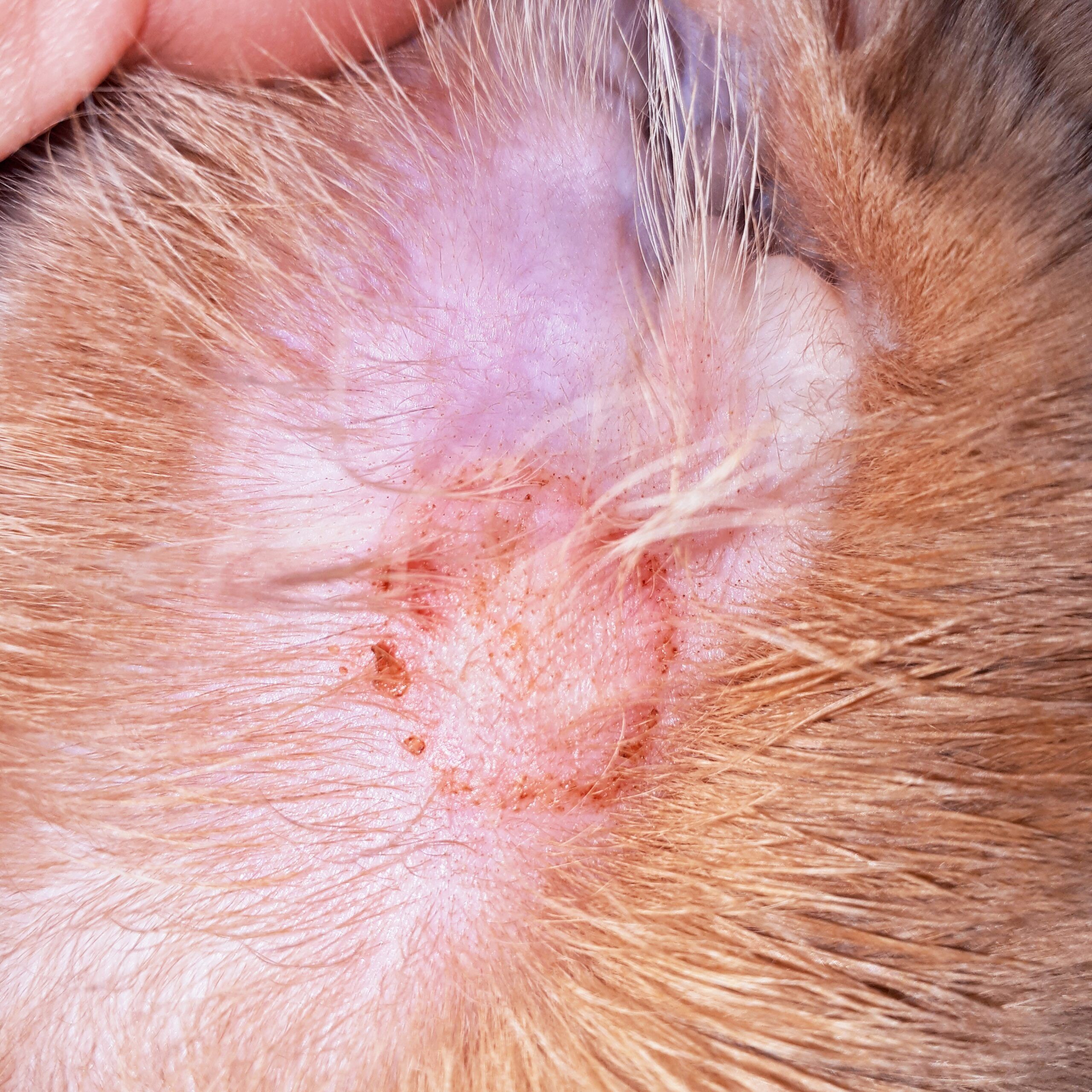
Image Source: cdn-edlic.nitrocdn.com
Deciphering Canine Ringworm Appearance
Ringworm, despite its name, is not caused by a worm. It is a common fungal skin infection. This infection spreads easily between dogs, people, and other pets. Knowing what canine ringworm appearance includes is the first step in treating it fast.
Common Signs of Dog Ringworm Symptoms
When a dog has ringworm, the signs are usually easy to spot on the skin and coat. These signs can vary based on the dog’s age, immune system, and the specific type of fungus involved.
Lesions: The Hallmark of Infection
The most classic sign is the ringworm lesions on dog. These lesions are often the most recognizable feature.
- Circular or Oval Shapes: Many people think of a perfect circle when they hear “ringworm.” While this happens, the patches may not always be perfectly round. They often start as small bumps.
- Redness and Inflammation: The skin under and around the patch often looks red and irritated. This is due to the dog scratching and the fungus irritating the skin cells.
- Raised Edges: Sometimes, the border of the lesion is slightly raised above the surrounding skin. This ring-like structure gives the infection its name.
Hair Loss and Coat Changes
The fungus attacks the hair follicles. This causes visible changes in the dog’s fur.
- Patches of Hair Loss: You will notice distinct hair loss patches dog ringworm causes. These spots can be small at first, maybe dime-sized. They often grow larger over time if left untreated.
- Broken or Brittle Hairs: Even within the patch, the remaining hair might look dull, brittle, or easily break off near the skin. This is a key indicator of dog skin infection ringworm signs.
Skin Texture Issues
The look of the skin itself tells a big story about the infection.
- Scaly Patches on Dog Skin: One of the most frequent dog ringworm symptoms is scaling. The skin can look dry, flaky, and dandruff-like. These scaly patches on dog skin might look crusty or oily in some cases.
- Crusting: In more severe or chronic cases, the lesions can develop thick crusts over the top, especially if secondary bacterial infections set in.
- Color Changes: The affected skin might appear darker (hyperpigmented) or, conversely, quite pale compared to the healthy skin nearby.
Identifying Ringworm in Dogs: Where to Look
Ringworm does not stick to one place on the body. It can appear almost anywhere. Knowing where to check often helps with identifying ringworm in dogs early on.
Common Locations
Certain areas seem more prone to developing ringworm lesions on dog:
- Head and Ears: The face, especially around the muzzle, eyes, and ears, is a very common spot.
- Legs and Paws: Dogs often pick up spores on their feet, leading to lesions on the lower legs, between the toes, or on the pads.
- Tail Base: This area, sometimes irritated by scratching, can also show signs.
- Trunk: Large patches can sometimes appear on the back or belly.
Differences in Appearance by Dog Type
The exact look can change depending on the patient.
Puppy Ringworm Look
Puppy ringworm look is often very distinct and aggressive. Puppies have weaker immune systems. Therefore, the infection often spreads faster and looks more severe.
- Widespread Lesions: Puppies frequently have many small, patchy spots all over their bodies, not just one or two large ones.
- More Itching: They often seem more uncomfortable and scratch or chew at the affected spots constantly.
- Scruffy Appearance: A young puppy with ringworm might look generally unthrifty or scruffy because the infection is widespread.
Long-Haired Breeds
In dogs with long, thick coats, the lesions might be harder to see immediately.
- Subtle Scaling: You might only notice excessive shedding or scaly patches on dog skin when grooming.
- Matted Hair: The area around the lesion might have hair that mats together due to discharge or inflammation.
- “Hot Spots” That Don’t Heal: Sometimes, what looks like a standard hot spot (acute moist dermatitis) is actually ringworm that has become inflamed.
Distinguishing Ringworm from Other Skin Issues
It is crucial to know that not every circular rash on dog is ringworm. Other common ailments mimic its appearance, making self-diagnosis risky.
Ringworm vs. Allergies
Allergies (environmental or food-based) cause widespread itching and inflammation.
| Feature | Ringworm | Allergies |
|---|---|---|
| Shape | Often distinct, defined circles/patches | Usually irregular, widespread redness |
| Hair Loss | Primary feature in center of patch | Secondary to constant scratching/chewing |
| Scaling | Dry, flaky, crusty scaling | Can be oily or moist from licking |
| Itchiness | Can be mild or severe | Usually severe and constant |
Ringworm vs. Mange (Mites)
Mange, caused by mites like Sarcoptes (scabies) or Demodex, can look very similar to dog skin infection ringworm signs.
- Demodectic Mange: Often starts with small, localized patches of hair loss, especially around the eyes or face, which can mimic ringworm. However, demodectic mange usually doesn’t cause the same level of raised, scaly borders typical of true ringworm.
- Sarcoptic Mange (Scabies): This causes intense itching, leading to self-trauma (the dog scratching itself raw). While it causes hair loss and scabs, the distribution is often focused on the elbows, ear margins, and hocks, and it is usually much itchier than uncomplicated ringworm.
Ringworm vs. Bacterial Infection (Pyoderma)
A localized bacterial infection can create red, pus-filled bumps (pustules) that might look like early ringworm lesions on dog. However, bacterial infections often result in weeping sores, while ringworm tends to be drier and more scaly initially.
What Does Dog Fungus Look Like? General Features
When you ask, “What does dog fungus look like?” you are essentially asking about the general appearance of dermatophytosis (the medical term for ringworm).
The fungal spores infect the keratin structures—the hair, skin, and sometimes nails. This leads to a characteristic look that differs from a simple rash or flea bite reaction.
The Diagnostic Clues
Veterinarians look for specific clues to confirm their suspicion when evaluating canine ringworm appearance:
- Asymmetry: Lesions might appear asymmetrical, meaning one side of the body has more spots than the other.
- Pustules: Small pimple-like bumps (pustules) can sometimes form within the circular rash on dog, especially if the infection is active and spreading across the skin surface.
- Nail Involvement: Less common but present, the fungus can affect the nails, making them brittle, cracked, or deformed.
Visualizing the Spectrum of Infection
It is important to note that not all ringworm presents as the classic bald, red circle. Sometimes, the infection is very subtle.
Atypical and Subclinical Presentations
Some dogs carry the fungus without showing many outward signs. These are called “asymptomatic carriers.”
- Mild Scaling Only: A dog might just have mild flaking or dandruff that never develops into a full hair loss patches dog ringworm scenario. This is common in dogs with strong immune systems.
- Just Broken Hairs: You might only notice that the hairs pluck out very easily in small tufts without much redness or scaling underneath.
Severe Cases
In cases where the dog is very young (like in puppy ringworm look) or immunocompromised (due to illness or medication), the infection can be extensive.
- Generalized Dermatitis: The whole body can become covered in patches of inflammation, crusting, and severe hair loss.
- Secondary Infections: Constant scratching introduces bacteria, leading to weeping sores, foul odor, and significant pain, compounding the initial dog ringworm symptoms.
The Importance of Veterinary Confirmation
Because many skin conditions look alike, relying solely on visual inspection to confirm ringworm is risky. Accurate diagnosis is key to effective treatment and preventing spread.
Diagnostic Tests Used to Confirm Ringworm
Vets use specific tools to move past guesswork when identifying ringworm in dogs:
Wood’s Lamp Examination
This uses a special UV light. Certain strains of Microsporum fungus fluoresce (glow) bright, apple-green under this light.
- Pros: Quick, non-invasive.
- Cons: Not all species of ringworm glow, giving false negatives. It is a preliminary tool, not a confirmation.
Fungal Culture (DTM)
This is the gold standard for confirmation. The vet takes hairs and skin scrapings from the active lesion. These samples are placed on a special culture medium (Dermatophyte Test Medium or DTM).
- How it Works: If ringworm is present, the fungus grows and changes the color of the media, usually within 1 to 3 weeks.
- Reliability: Highly reliable once a color change occurs.
Microscopic Examination
The vet might look at skin scrapings or plucked hairs under a microscope to see the fungal spores directly. This is often done alongside the culture.
Treating the Appearance: What Happens After Diagnosis?
Once you know the canine ringworm appearance is confirmed, treatment focuses on killing the fungus on the dog, in the environment, and potentially treating secondary infections.
Topical Treatments
Topical application is vital for treating the visible signs like scaly patches on dog skin and ringworm lesions on dog.
- Antifungal Shampoos: Medicated shampoos containing lime sulfur, miconazole, or ketoconazole are used frequently (often 2-3 times per week). These wash away fungal spores and treat the affected hair shafts. Lime sulfur dips are very effective against most strains but smell strongly.
- Antifungal Wipes/Sprays: For small, localized areas, wipes containing chlorhexidine or miconazole can be used daily between baths.
Systemic Medication
For widespread infections, such as those seen in puppy ringworm look or chronic cases, oral antifungal medication is necessary. This helps treat the infection deep within the hair shafts that shampoos cannot reach.
- Common Drugs: Medications like itraconazole or griseofulvin are prescribed. These must be given exactly as directed by the vet.
Environmental Decontamination
Because the spores live in the environment (bedding, carpets, furniture) for months, cleaning is critical to stop re-infection.
- Vacuuming: Vacuum all carpets and upholstery daily. Dispose of the bag immediately.
- Washing: Wash all bedding, towels, and soft toys in hot water with bleach (if safe for the fabric).
- Disinfecting Surfaces: Hard surfaces should be wiped down with a dilute bleach solution (1 part bleach to 10 parts water) or a veterinary-approved disinfectant like accelerated hydrogen peroxide.
Prevention: Avoiding Future Ringworm Lesions
Preventing ringworm involves careful monitoring and good hygiene, especially if you have young puppies or frequently board your dog.
- Quarantine New Pets: Keep new animals isolated for a few weeks and check them thoroughly for any signs of dog skin infection ringworm signs before introducing them to existing pets.
- Avoid Contaminated Areas: Be wary of letting dogs play closely with strays or in areas with high dog traffic until you are sure the environment is clean.
- Inspect Routinely: If you have a puppy, make checking their skin a daily habit. Early detection of those first hair loss patches dog ringworm causes makes treatment much easier.
- Good Husbandry: Keep your dog’s living areas clean and dry. Fungi thrive in damp, warm conditions.
If you notice a circular rash on dog or suspicious scaly patches on dog skin, do not wait. Prompt veterinary care prevents the infection from spreading to other pets or to you.
Frequently Asked Questions (FAQ)
Can I see ringworm spores with my naked eye?
No, you cannot see the microscopic fungal spores that cause ringworm without a microscope. However, you can see the damage they cause, such as the ringworm lesions on dog or the scaly patches on dog skin.
Is ringworm contagious to humans?
Yes, ringworm is zoonotic, meaning it spreads between animals and people. If you see dog ringworm symptoms, treat it seriously to protect your family. Look for itchy, red rings on your own skin.
How long does it take for ringworm to clear up on a dog?
If treatment is diligent, most dogs start showing improvement within 2 to 4 weeks. However, treatment usually continues for at least 1 to 2 weeks after all clinical signs, including the hair loss patches dog ringworm caused, have disappeared. Complete resolution often takes 6 to 10 weeks.
Does my dog itch a lot if they have ringworm?
Itching severity varies. Some dogs with canine ringworm appearance show very little itchiness, especially if the infection is mild. Other dogs, particularly puppies or those with secondary bacterial infections, may scratch constantly due to irritation from the dog skin infection ringworm signs.
If my dog has a circular rash, is it definitely ringworm?
No. As discussed, many conditions can cause a circular rash on dog. These include localized demodectic mange, certain flea allergy reactions, or specific bacterial folliculitis. This is why professional testing is essential for accurate identifying ringworm in dogs.