
Yes, you can definitely stop your dog from tearing up pee pads. This is a common issue, and there are many simple steps you can take to solve it. Many owners ask, “Why does my dog tear up training pads?” The reasons range from boredom to anxiety, but fixes are usually straightforward. This guide will help you stop your dog destroying pee pads for good.
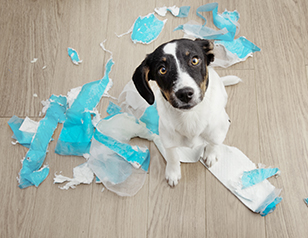
Image Source: www.alphapaws.com
Grasping Why Dogs Shred Potty Pads
Before we find the best fix, we need to know why your dog is causing this mess. A dog ripping pads is often sending a message. It is rarely just for fun.
Boredom and Excess Energy
A bored dog looks for things to do. Pee pads are fun targets. They are soft and easy to shred. If your dog is tearing them up, it might mean they need more exercise or playtime. A tired dog is a good dog.
Anxiety or Stress
Some dogs get nervous when left alone. They might destroy things to cope. This is often separation anxiety. Ripping the pad can be a self-soothing behavior. It gives them something to focus on.
Play and Investigation
Puppies especially use their mouths to learn. They chew everything. The stop puppy from ripping pee pads process often involves redirecting this natural urge. They might be testing the texture or just playing a game.
Instinct to Bury Waste
Dogs have a natural instinct to bury their waste. This keeps their sleeping area clean. If the pad smells like waste, your dog might try to dig and cover it up, leading to tearing.
Pad Placement Issues
If the pad moves or crinkles oddly, it might annoy the dog. A loose pad seems like something that needs fixing or shredding.
Simple Steps to Prevent Dog Chewing Potty Pads
Stopping the shredding requires changing the environment and the dog’s routine. We focus on making the pad less appealing to chew and more appealing to use correctly.
Securing the Pad Firmly
A moving pad is an invitation to chew. You must secure the pad well. This is the first step to prevent dog from chewing potty pads.
Using Double-Sided Tape
Place a small piece of pet-safe, double-sided tape under the corners of the pad. This keeps it flat on the floor. The stickiness discourages lifting and chewing.
Using Pad Holders or Frames
Special holders are made just for this. They are plastic or metal frames that clamp the pad down. These holders make it hard for the dog to grab the edges. They are one of the best way to secure dog potty pads.
Choosing Thicker Pads
Some pads are very thin and easy to shred. Look for “heavy-duty” or “absorbency plus” pads. Thicker material is harder to tear apart quickly.
Managing the Dog’s Environment
Part of stopping the mess involves dog proofing pee pad area. Look at the whole space where the pads are kept.
- Restrict Access: If the dog rips the pads only when unsupervised, limit access to that room. Use baby gates.
- Keep It Clean: Pick up used pads right away. A soiled pad is more likely to be investigated and destroyed.
- Remove Other Temptations: Make sure there are no other chew toys or tempting items near the designated potty spot.
Training Techniques to Stop Shredding
Training is key to changing the behavior. We use positive methods to teach the dog what to do instead of ripping.
Redirection and Appropriate Chewing
If your dog goes for the pad, do not yell. Instead, gently redirect them to an approved chew toy. This helps stop puppy from ripping pee pads by giving them a legal outlet for chewing.
Immediate Swap
When you see your dog start to sniff or mouth the pad inappropriately, immediately offer a high-value chew toy (like a frozen Kong or a durable dental bone). When they chew the toy, praise them calmly.
Making Toys More Appealing
Ensure the dog’s chew toys are more exciting than the training pad. Rotate toys to keep things fresh.
Increasing Exercise and Mental Stimulation
If the dog destroying pee pads is due to boredom, increase activity. A tired dog rests; an active dog destroys.
- Longer Walks: Add an extra 15-minute walk.
- Puzzle Toys: Use food puzzle toys for meals. This makes them work for their food and tires their brain.
- Training Sessions: Spend 5-10 minutes daily on new tricks. Mental work drains energy fast.
Positive Reinforcement for Pee Pad Use
You must reward the right action. Use positive reinforcement for pee pad use heavily.
- When your dog urinates on the pad, wait until they finish.
- Then, immediately give high praise (“Good potty!”) and a special, immediate treat.
- The dog learns: Pad = Good Things Happen. This makes the pad a valuable item, not a toy.
Addressing Anxiety-Related Shredding
If the shredding happens mostly when you leave, it points to anxiety. This requires a different set of solutions for dog shredding pee pads.
Gradual Desensitization
If separation anxiety is the cause, you need to work on leaving them calmly.
- Pick up keys, but don’t leave.
- Put on your coat, then sit down.
- Step out the door for one second, then come back in calmly.
Increase the time slowly over many sessions. Do this without big, dramatic goodbyes or greetings.
Crate Training with Pee Pads (A Cautious Approach)
Some people use crate training with pee pads when teaching house training. However, for dogs who shred pads out of anxiety, a crate can make anxiety worse if not done correctly.
If you crate train:
- The crate must be large enough for the dog to stand, turn around, and lie down comfortably.
- Never use the crate as punishment.
- Use a small, secured pad in one corner, away from where the dog sleeps. If the dog destroys the pad in the crate, remove the pad until the destruction stops. Dogs naturally try not to soil their sleeping area.
If the dog is highly anxious, it is better to confine them to a small, “dog-proofed” room (like a kitchen with only non-chewable items) rather than a crate with a pad they might eat. Ingesting shredded plastic is dangerous.
When Pads Are Not Working: Alternatives to Pee Pads
Sometimes, the dog simply will not accept the pad, no matter how you secure it. In these cases, you need to look at alternatives to pee pads for destructive dogs.
Artificial Grass Systems
Artificial turf pads mimic the feeling of grass outside. Many dogs transition to these easily because the texture feels more natural than plastic-backed paper. Secure the turf tray tightly to the floor.
Portable Potty Trays (Litter Box Style)
These systems use a grate over an absorbent material (like newspaper or puppy pads underneath). The dog stands on the grate, and the urine drains through. Because the dog cannot easily reach the absorbent layer, they are less likely to chew.
Moving Back to Outdoor Training
If the dog consistently destroys the indoor pads, it might be time to speed up the transition to going outside.
- Take the dog out every hour initially.
- Use a leash every time, even in a fenced yard.
- Reward heavily when they go outside.
Troubleshooting Common Scenarios
Different dogs have different reasons for tearing. Here is a quick guide for specific problems.
Scenario 1: The Dog Eats the Shredded Pieces
This is the most dangerous issue. Ingestion of plastic or filler can cause life-threatening intestinal blockages.
- Immediate Action: Remove the pads completely. Do not leave them out.
- Go Cold Turkey: Transition immediately to outdoor potty breaks or use a highly secure, grated system where the dog cannot reach the absorbent material.
- Supervise: Do not leave the dog alone until the chewing stops.
Scenario 2: The Dog Only Rips Pads After Using Them
This often relates to the burying instinct or a reaction to the smell.
- Clean Fast: Clean the area instantly after use.
- Pad Placement: If using a frame, try placing a small layer of newspaper underneath the pad (if the frame allows it). The dog might focus on burying the paper instead of shredding the pad.
Scenario 3: Only Puppies Exhibit This Behavior
Puppies are exploring the world with their mouths.
- Increase Play: Ensure the puppy is getting enough physical and mental play sessions.
- Teething Factor: If the puppy is teething (usually 3 to 6 months old), provide plenty of appropriate, safe chew toys that soothe sore gums.
Table: Quick Fixes for Dog Shredding Pee Pads
| Problem | Main Cause | Quickest Solution | Long-Term Strategy |
|---|---|---|---|
| Dog lifts an edge | Pad is loose | Use strong, pet-safe double-sided tape. | Purchase a sturdy pad holder/frame. |
| Pad is destroyed quickly | Boredom/Excess Energy | Increase walk time and add puzzle toys. | Consistent daily exercise routine. |
| Shredding happens when alone | Separation Anxiety | Confine to a small, pad-free area initially. | Gradual desensitization training. |
| Dog tries to bury waste | Natural Instinct | Switch to a grated potty tray system. | Consistent positive reinforcement outside. |
Maintaining Good Potty Habits
Stopping the destruction of pee pads relies on consistency. If you revert to old habits, the dog will revert to old behaviors.
Consistency in Location
Always keep the pad or potty area in the same spot. Dogs thrive on routine. Moving the spot confuses them and might lead to accidents or renewed interest in shredding the pad if they feel uncertain about its location.
Managing Accidents
If your dog has an accident off the pad, clean it thoroughly with an enzymatic cleaner. Do not scold the dog after the fact. Cleaning effectively removes the scent marker, which discourages them from returning to that spot to go again, and reduces the likelihood of them returning to the pad area with the intention to dig or destroy.
Final Thoughts on Success
Stopping your dog destroying pee pads is absolutely achievable. It combines securing the item, managing the dog’s needs, and rewarding the correct actions. Remember that if your dog is exhibiting signs of serious anxiety or ingesting the plastic, consult your veterinarian or a certified professional dog trainer immediately. With patience and the right approach, you can have clean floors and a happy, well-behaved pup.
Frequently Asked Questions (FAQ)
How long should I use pee pads if I am house training?
There is no set time. You should use pee pads only as long as necessary to bridge the gap between confinement and successful outdoor trips. Once your puppy reliably signals they need to go outside and has few to no indoor accidents, start phasing out the pads by moving them closer to the door and eventually removing them altogether.
Is it okay if my dog chews the pee pad corners before going potty?
No, it is not okay, especially if the dog is eating the material. Chewing indicates they see the pad as a toy or are anxious. If you see this, interrupt the behavior calmly and immediately redirect them to a safe chew toy or take them outside.
My dog rips up the pad when I leave. Should I use a crate?
If the destruction is tied to separation anxiety, using a crate initially might increase anxiety. If you choose to use a crate, supervise the dog closely at first. If they destroy the pad in the crate, remove the pad entirely for a short period. Many trainers suggest alternatives to pee pads for destructive dogs if crate chewing is a high risk.
What if my dog just won’t stop shredding, even with tape?
If basic securing methods fail, move up to hardware solutions. A heavy-duty, raised grate system is the next step. This prevents access to the absorbent material completely. If the dog still tries to chew the frame, you need to address the underlying cause, likely boredom or anxiety, with more intensive exercise or behavior modification.