
Dog groomers use professional dog shampoo brands that are often highly concentrated, pH-balanced specifically for canine skin, and formulated to address specific coat issues like dryness, odor, or shedding. They usually buy bulk dog shampoo for groomers because they need large quantities of commercial dog shampoo for groomers that performs reliably every time.
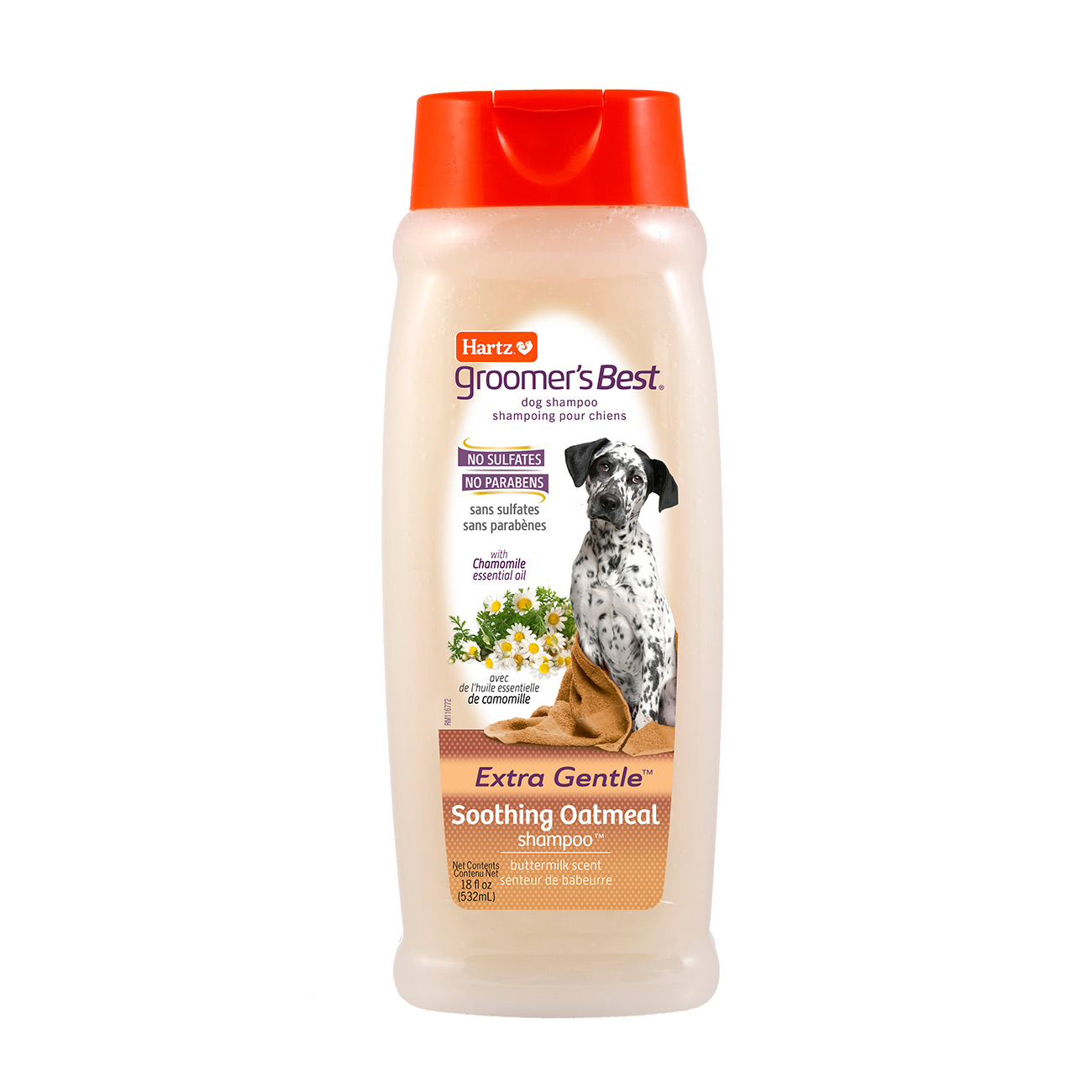
Image Source: www.hartz.com
Why Groomers Don’t Use Human Shampoo
Many pet owners wonder why groomers use different products than what they buy at the local store. The main reason is simple: dog skin is different from human skin.
Differences in Skin pH
Think of skin like a protective shield. This shield has a certain level of acid, called pH. Human skin is naturally more acidic, usually with a pH around 5.5. Dog skin is closer to neutral, often ranging between 6.5 and 7.5.
Using human shampoo on a dog can upset this balance. When the pH is wrong, the dog’s skin can become dry, itchy, or irritated. It also makes the coat less protected against bacteria and fungus. High-quality dog wash products are made to match the dog’s natural pH level.
Concentration Matters
If you look closely at what groomers buy, you will see terms like “concentrated.” This is a big secret to their success and cost savings.
Concentrated Dog Shampoo for Salons
Concentrated dog shampoo for salons means the product is very strong. Groomers mix a small amount with a lot of water before use.
- Cost-Effective: Buying in bulk and diluting saves a lot of money over time.
- Better Rinsing: Highly diluted shampoo is easier to wash completely out of thick or long coats. Leftover soap causes dryness and flakes.
- Performance: These formulas are built to cut through heavy grease, dirt, and mats faster than weaker retail shampoos.
Key Features of Top Rated Dog Grooming Shampoos
When a groomer picks a shampoo, they are looking for performance, safety, and efficiency. They seek out top rated dog grooming shampoos that deliver excellent results on many different coat types.
pH Balanced Formulas
This is non-negotiable for professionals. A proper pH ensures the dog’s skin stays healthy. Groomers rely on products made just for dogs to keep skin happy.
Ingredient Quality
Groomers often choose natural dog shampoo for professional use. They want ingredients that clean well without stripping the coat of its natural oils.
What to Look For:
- Natural Oils and Butters: Ingredients like oatmeal, aloe vera, or coconut oil add moisture.
- Gentle Cleansers: Sulfates can be harsh. Professionals look for milder cleansing agents that create good lather without drying.
- No Harsh Chemicals: They avoid strong perfumes, dyes, and parabens which can cause allergic reactions.
Addressing Specific Needs
No two dogs are the same. A good groomer needs a variety of shampoos. This is where specialized products come into play. They stock items for specific problems.
Specialized Shampoos Used by Groomers:
- Deodorizing Shampoos: For dogs that smell a bit funky. These use ingredients to neutralize odors, not just cover them up.
- Whitening Shampoos: Used on white or light-colored coats to brighten the fur and remove yellow stains.
- Flea and Tick Shampoos: Used strictly for immediate treatment, though often followed by a regular wash.
- Medicated Shampoos: Used under vet direction for skin conditions.
The Secret Weapon: Moisturizing Dog Shampoo for Professional Use
One of the biggest challenges in grooming is managing dry skin and dull coats, especially after bathing. This is why moisturizing dog shampoo for professional use is vital.
Why Moisture is Essential
Frequent washing, even with good products, can dry out the skin. Dry skin leads to scratching, which can cause hot spots or infection.
Groomers incorporate moisturizing agents right into their main wash products. These ingredients help:
- Keep the coat shiny and soft.
- Prevent static electricity, making brushing easier.
- Soothe irritated skin.
Active Moisturizing Ingredients
Groomers often seek out best dog grooming shampoos that contain things like:
- Vitamin E
- Jojoba Oil
- Oatmeal Extract
- Essential Fatty Acids
These ingredients penetrate the hair shaft and skin barrier, providing long-lasting hydration.
Dealing with Sensitive Skin: Hypoallergenic Options
Some dogs react poorly to even mild soaps. For these sensitive clients, groomers turn to specialized formulas. They always keep hypoallergenic dog shampoo for groomers on hand.
Features of Hypoallergenic Shampoos
These shampoos are formulated to minimize the risk of allergic reactions. They achieve this by removing common irritants.
- Fragrance-Free: Perfumes are a common trigger for sensitive skin.
- Dye-Free: Added colors are unnecessary and potentially irritating.
- Simple Ingredient Lists: Fewer ingredients mean fewer potential allergens.
Groomers carefully check labels to ensure these shampoos are truly gentle. They are necessary for breeds prone to allergies, like certain Retrievers or Terriers.
Brand Loyalty and Performance Testing
While there are many great options, groomers tend to stick with a few trusted professional dog shampoo brands. Why? Consistency. A groomer needs to know exactly how a shampoo will lather, rinse, and affect the coat every single time.
How Groomers Choose Brands
- Dilution Ratio: A shampoo that dilutes 10:1 (ten parts water to one part shampoo) is far better than one that only dilutes 3:1.
- Lather Quality: A good lather helps lift dirt efficiently.
- Rinse Time: Shampoos that rinse out quickly save time and water.
- Scent Profile: While they avoid heavy perfumes, a light, clean scent is desirable for client satisfaction.
The Importance of Bulk Purchasing
For a busy salon, running out of shampoo is not an option. This drives the need for bulk dog shampoo for groomers. Suppliers offer large jugs or even drums of these products at a much lower cost per ounce than retail bottles. This allows for the best product at the lowest operational cost.
The Multi-Step Grooming Wash Process
Grooming isn’t just one quick wash. It’s a system. The shampoo choice is just one part of the overall bathing process a professional uses.
Step 1: Pre-Soak and De-Shedding
Before the main shampoo, groomers often use specialized tools or rinses to loosen dead hair or heavy dirt.
Step 2: The Primary Shampoo
This is where the heavy lifting happens. They select one of their best dog grooming shampoos based on the dog’s coat condition.
- They apply the diluted shampoo directly to the wet coat.
- They work it in thoroughly, often using rubber curry brushes to massage the skin. This deep cleaning helps the shampoo reach the skin surface.
Step 3: The Second Wash (If Needed)
For very dirty or oily dogs, a second wash is common. This wash ensures all underlying grime is gone. This is often where a specialty shampoo might be used, like a degreaser or a clarifying shampoo.
Step 4: Condition and Treat
This step is crucial for coat health. After rinsing out the shampoo, groomers apply a conditioner. This replaces any moisture stripped away during cleaning. This step is vital for maintaining the benefits of moisturizing dog shampoo for professional use.
Step 5: Final Rinse
Rinsing must be perfect. Water must be warm, not hot. Every trace of soap must be gone.
Deciphering Specific Shampoo Types for Professional Use
Groomers maintain a “library” of shampoos. Let’s look closer at some common categories beyond just general cleansing.
Clarifying Shampoos
These are the heavy-duty cleaners. They strip the coat of everything—old product buildup, heavy grease, silicone residues, and environmental pollutants.
- When Used: Before applying a specialized treatment or for extremely dirty rescue dogs.
- Caution: They are harsh and must always be followed by a deep conditioner.
Color-Enhancing Shampoos
These are popular for show dogs or pets whose owners want their coat color popped.
- For Black Coats: Shampoos contain blue or violet tints to deepen the black color and reduce brassiness.
- For White Coats: Shampoos have optical brighteners to make white fur look dazzlingly bright.
These are examples of how professional dog shampoo brands engineer products for specific visual results.
Sensitive Skin and All-Natural Options
The trend toward natural ingredients has strongly influenced the professional market. Many groomers now prefer natural dog shampoo for professional use.
This preference is driven by client demand and a desire for fewer harsh chemicals in the workplace environment. They seek out products listing ingredients like chamomile, lavender, or rosemary for mild, natural fragrance and soothing properties.
Equipment and Technique Synergy
The shampoo itself is only half the equation. Groomers pair their commercial dog shampoo for groomers with specific tools.
Essential Grooming Tools Used with Shampoo:
| Tool | Function in Bathing Process | Benefit |
|---|---|---|
| Rubber Curry Brush | Massages shampoo deep into the coat and skin. | Increases cleansing power; stimulates circulation. |
| High-Velocity Dryer | Blasts water out of the coat before toweling. | Reduces drying time; helps remove remaining loose undercoat. |
| Fine-Tooth Comb | Used during conditioning to ensure the product reaches every hair strand. | Prevents mats and tangles from forming post-bath. |
| Water Pik or Sprayer Nozzle | Provides high-pressure rinse power. | Ensures quick and complete removal of concentrated dog shampoo for salons. |
Good technique ensures that even an inexpensive, properly diluted shampoo works better than an expensive one poorly applied.
The Business Aspect of Shampoo Selection
Why do salons invest in premium products? It ties directly into customer retention and business reputation.
Client Perception
When a client picks up their dog, the first thing they notice is the smell and the feel of the coat. A coat that feels soft, looks bright, and smells clean signals a quality grooming service. Using top rated dog grooming shampoos ensures this positive impression every time.
Reducing Post-Grooming Issues
If a groomer uses a cheap, harsh shampoo, the dog might leave itchy and irritated. The owner might blame the groomer. By investing in high-quality dog wash products, groomers minimize risks of skin reactions, reducing complaints and building trust.
Inventory Management
A professional groomer must manage inventory carefully. They need to balance having enough variety for every coat type (e.g., oily, dry, puppy) with the space and cost associated with storing many different bulk dog shampoo for groomers containers. Efficiency dictates choosing versatile, high-performing base shampoos that cover the most common needs.
Fathoming Formulation Complexity
For those curious about what makes these specialized shampoos effective, we can look deeper into formulation science, keeping the language accessible.
Surfactants: The Cleaning Agents
Shampoos rely on surfactants—molecules that attract both water and oil. They lift dirt away from the hair shaft.
- Harsh Surfactants: Found in cheap soaps. They strip everything, including necessary skin oils.
- Mild Surfactants: Used in hypoallergenic dog shampoo for groomers. They target dirt and grease specifically, leaving natural moisture layers intact.
Conditioners Built In
Many professional dog shampoo brands now skip the traditional two-step (shampoo then conditioner) for non-problem coats. They use “2-in-1” formulas where conditioning agents are included in the shampoo base. These agents coat the hair shaft during the wash, smoothing the cuticle layer before rinsing. This is a huge time saver in a busy salon.
Frequently Asked Questions (FAQ)
Can I buy the exact shampoo my groomer uses?
Yes, most professional dog shampoo brands sell directly to the public, although some are exclusively sold through professional supply distributors. You can often ask your groomer the brand name, or look for similar high-concentration, pH-balanced products online or at specialty pet stores that carry commercial dog shampoo for groomers.
Is it okay to use baby shampoo on my dog?
While baby shampoo is very mild, it is still formulated for human skin pH. It is safer than using adult shampoo, but it is not ideal for regular use on dogs. Groomers recommend using a natural dog shampoo for professional use that is specifically balanced for canine skin.
Why do groomers use so much shampoo if it’s concentrated?
They apply a good amount because the product is heavily diluted with water before it hits the dog. A palmful of the mix hitting the coat might look like a lot of soap, but the actual shampoo concentration is very low, making it easy to rinse out completely. This is the key benefit of concentrated dog shampoo for salons.
How often should I bathe my dog at home compared to a groomer visit?
Groomers bathe dogs based on need, often every 4 to 8 weeks. At home, you should bathe your dog only as often as necessary to keep them clean and odor-free, typically no more than once a month unless they get extremely dirty. Over-bathing, even with moisturizing dog shampoo for professional use, can dry out the skin.
What is the difference between whitening shampoo and regular shampoo?
Whitening shampoos contain optical brighteners or mild lightening agents to counteract yellowing. Regular shampoos focus purely on cleansing and conditioning. If your dog has a colored coat, using a whitening shampoo can dull their natural color tones.
Are medicated shampoos sold in bulk?
Yes, bulk dog shampoo for groomers often includes medicated options, though these are usually purchased with a veterinarian’s recommendation or consultation. Groomers stock them for clients who need regular therapeutic baths.