
Yes, it is common for dogs to pant more at night, but excessive panting when your dog is supposed to be sleeping is usually a sign that something is wrong. Dogs pant for many reasons, including cooling down, pain, stress, or underlying health issues. If your dog is breathing heavily at night with no obvious cause, it needs attention.
This guide will explore the many reasons for dog panting at night. We will look at simple issues and serious medical causes dog panting sleep. We will also discuss when to worry about dog panting at night and what you can do to help your pet rest easy.
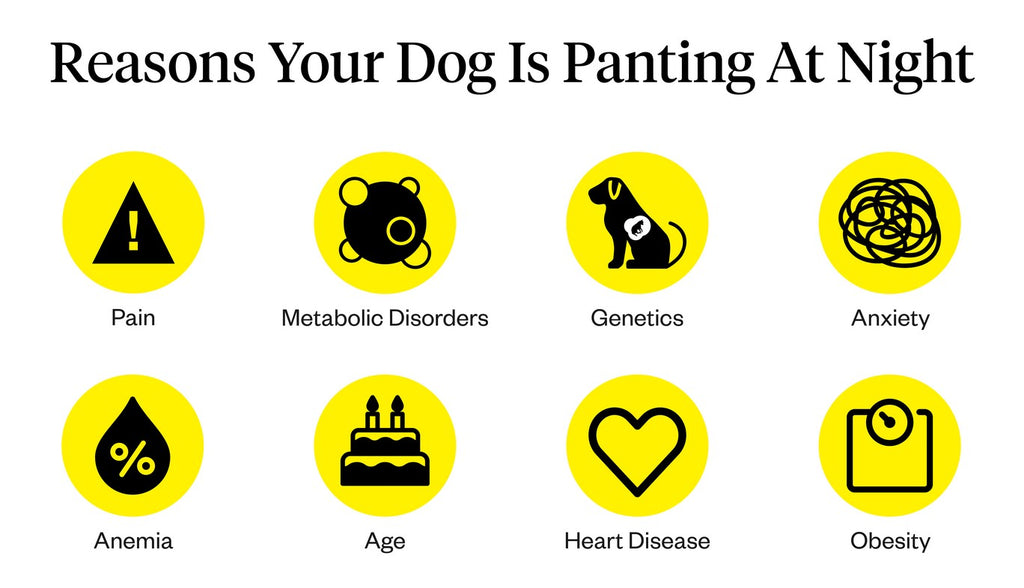
Image Source: cdn.shopify.com
Distinguishing Normal Panting from Problematic Panting
Panting is how dogs control their body temperature. They sweat only a little through their paw pads. Panting moves air over moist surfaces in their mouths and lungs, which cools them down. Normal panting happens after play or exercise. It should stop once the dog rests in a cool spot.
Nighttime dog panting excessive is different. If your dog pants heavily when they should be calm, it means their body is trying to tell you something is wrong. This heavy breathing often keeps them from settling down for deep sleep.
Here is a quick look at when panting is usually okay:
- Right after eating a big meal.
- After a very active play session.
- If the room is too warm.
If the panting happens without these triggers, we need to look deeper into dog breathing heavily at night no cause.
Environmental Factors Dog Panting Night
Often, the easiest issues to fix are related to the dog’s surroundings. Environmental factors dog panting night are common culprits for sudden changes in nighttime behavior.
Room Temperature and Humidity
Dogs can overheat easily, even indoors. A bedroom that feels just right for you might be too hot for your dog, especially if they are under blankets or sleeping in a crate.
- High Heat: If the thermostat is set too high, your dog must pant more to cool off.
- Poor Air Circulation: A stuffy room with no fan or open window can trap heat around your dog.
What to do: Check the temperature in your dog’s sleeping area. Aim for a comfortable room temperature, usually between 60°F and 70°F (15°C to 21°C). Use a fan to keep the air moving gently.
Bedding and Sleeping Area
The type of bed your dog uses matters. Thick, plush, or memory foam beds hold body heat well. This can cause overheating, leading to panting.
If you have a restless dog panting in crate, check the bedding inside. Is it too thick? Is the crate placed near a heat source, like a radiator or direct sunlight coming through a window late in the evening?
Noise and Light Disturbances
While less common, external stimuli can cause panting. Strange noises outside (like late traffic or wildlife) or bright lights flickering can trigger a stress response.
Psychological Causes: Stress and Anxiety
When a dog pants but its body temperature is normal, the cause is often emotional. Stress panting dog night is very real and common. Dogs process their day while resting, and anxiety can manifest as heavy breathing.
Separation Anxiety
If your dog sleeps separately from you, they might become anxious. The quiet of the night can make them feel isolated.
Symptoms of separation anxiety panting include:
- Panting only when alone.
- Pacing or whining along with the panting.
- Destructive behavior near exit points (doors, windows).
Changes in Routine
Dogs thrive on routine. Moving to a new house, getting a new pet, or even a change in your work schedule can cause nighttime stress. This stress results in elevated heart rate and panting.
Noise Phobias
Many dogs fear loud noises like thunderstorms or fireworks. If a storm is brewing or loud noises occur far off, your dog might start panting preemptively, even if they are safely inside.
Seeking Dog Panting at Night Anxiety Relief
If anxiety is the driver, focus on making your dog feel safe and secure:
- Create a Safe Den: Ensure their crate or bed is a cozy, secure space. Cover the crate with a blanket to make it feel like a cave.
- Calming Aids: Talk to your vet about pheromone diffusers (like Adaptil) or calming supplements that can help ease anxiety before bedtime.
- Wind-Down Rituals: Implement a quiet, predictable routine before sleep. A gentle walk, followed by quiet cuddle time, signals to the dog that rest is coming. Avoid exciting play close to bedtime.
Medical Causes Dog Panting Sleep
This is the most crucial area to investigate. Persistent, heavy panting at night, especially when accompanied by other symptoms, often points toward an underlying health issue. These are serious medical causes dog panting sleep.
Pain and Discomfort
Pain is a huge trigger for panting. Dogs hide pain well during the day, but when they relax at night and try to settle into a comfortable position, the pain might become more noticeable, leading to heavy breathing.
- Arthritis/Joint Pain: Older dogs, or senior dog panting heavily at night, often struggle to find a comfortable resting spot due to joint stiffness or chronic pain.
- Internal Pain: Issues like pancreatitis, bloat, or bladder stones cause deep discomfort that leads to panting.
Respiratory Issues
Any problem affecting the dog’s ability to draw in or push out air will cause heavy breathing.
- Laryngeal Paralysis: Common in large, older breeds. The larynx (voice box) doesn’t open properly, making breathing labored, which is worse when stressed or trying to sleep.
- Tracheal Collapse: The windpipe narrows, making breathing noisy and difficult.
- Canine Influenza or Kennel Cough: Infections can inflame the airways, making nighttime rest difficult.
Cardiac Problems
Heart disease is a major cause of heavy breathing at night. When a dog has heart failure, fluid can build up in the lungs (pulmonary edema). This fluid makes it very hard to get enough oxygen, leading to severe panting, often worse when lying down.
If you notice your dog’s gums looking slightly blue or pale, or if you hear rattling sounds when they breathe, seek emergency care immediately.
Cushing’s Disease (Hyperadrenocorticism)
Cushing’s disease means the body makes too much cortisol (a stress hormone). One of the main symptoms is excessive panting, often constant, day or night. Other signs include increased thirst, frequent urination, and a pot-bellied appearance.
Thyroid Imbalance
An underactive thyroid (hypothyroidism) can sometimes lead to lethargy during the day, but other metabolic imbalances can cause increased panting.
Drug Side Effects
Certain medications, especially steroids (like Prednisone) or some anti-anxiety drugs, can increase thirst and breathing rate as side effects. If panting started after beginning a new medication, discuss it with your vet.
Age-Related Panting: Senior Dogs
It is critical to pay close attention to senior dog panting heavily at night. As dogs age, they become more susceptible to the medical issues listed above.
For older dogs, panting at night is often the first sign of trouble, not just a behavioral quirk.
| Age Group | Common Nighttime Panting Causes | Action Required |
|---|---|---|
| Puppies/Young Adults | Environmental heat, anxiety, recent strenuous activity. | Adjust environment; provide comfort. |
| Middle-Aged Dogs | Mild anxiety, early-stage joint pain, dental pain. | Routine vet check; mild anxiety aids. |
| Seniors (7+ Years) | Heart disease, Cushing’s, severe arthritis, hormonal issues. | Immediate, thorough veterinary investigation. |
A senior dog who seems restless and pants heavily when moving from a sitting to a lying position needs immediate assessment, as this strongly suggests pain or breathing difficulty related to heart function.
Deciphering Related Symptoms
Panting alone can be hard to pinpoint. Look for other clues that happen alongside the heavy breathing. These details help your veterinarian narrow down the cause.
When to Worry About Dog Panting at Night
You should contact your vet immediately if you see any of these signs along with heavy panting:
- Pale or Blue Gums: This means a lack of oxygen. This is an emergency.
- Coughing or Gagging: Suggests respiratory tract irritation or fluid in the lungs.
- Restlessness/Inability to Settle: If the dog tries to lie down but immediately stands up, panting heavily.
- Excessive Thirst and Urination: Key indicators of kidney issues or Cushing’s disease.
- Lethargy During the Day: If the dog is exhausted during the day but restless and panting at night.
If your dog is panting heavily but is otherwise acting completely normal (eating, drinking, playing during the day), the issue is likely environmental or mild anxiety. If you see any red flags, call your clinic.
Fathoming the Role of Pain in Nighttime Panting
Pain causes physical arousal. When a dog is in pain, its body releases adrenaline and cortisol. This triggers the “fight or flight” response, which includes rapid, shallow breathing or heavy panting.
If your dog is pacing or sighing frequently before settling down, they are trying to find a non-painful position.
Assessing for Hidden Pain:
- Watch Movement: Do they hesitate before jumping onto the couch? Do they seem stiff after waking up?
- Gentle Touch: While petting them during the day, gently apply light pressure along their spine, hips, and shoulders. Watch for any flinching, whining, or sharp intake of breath.
- Nighttime Comfort Check: Offer orthopedic, low-entry beds. If they sleep soundly on a cooler floor instead of their soft bed, the bed might be causing pressure points.
Investigating Breathing Noises
Sometimes, dog breathing heavily at night no cause is misleading because the noise itself points to the problem. Listen closely.
- Snoring vs. Panting: Loud snoring usually means air passage is partially blocked, perhaps by being overweight or due to elongation of the soft palate (common in short-nosed breeds).
- Wheezing or Rattling: This often indicates fluid or congestion in the lower airways or lungs (heart failure).
- Stridor (High-Pitched Sound on Inhale): Suggests a blockage high in the throat or larynx.
When you hear these sounds, especially with heavy panting, the issue is mechanical, meaning the airways are restricted.
The Role of Breed and Size
Certain breeds are predisposed to panting issues, especially at night when the body slows down.
- Brachycephalic Breeds (Pugs, Bulldogs, Boxers): These dogs naturally struggle with breathing due to their short snouts. Heat, stress, or minor swelling can quickly cause severe nighttime panting.
- Large, Deep-Chested Breeds (Great Danes, Dobermans): These dogs are at higher risk for Gastric Dilatation-Volvulus (GDV or bloat). While acute bloat causes extreme distress, chronic, low-grade discomfort before bloat can manifest as persistent panting.
- Small Dogs: Older small breeds are prone to heart disease, which frequently causes nighttime breathing difficulty.
Seeking Veterinary Guidance
If environmental checks do not resolve the issue, a veterinary visit is essential to rule out serious illness.
What Your Vet Will Do
Your veterinarian will conduct a thorough physical exam, focusing on the dog’s heart, lungs, and abdomen. They may recommend several tests based on your dog’s age and symptoms:
- Bloodwork (Complete Blood Count and Chemistry Panel): Checks organ function, checks for infection, and looks for signs of Cushing’s disease.
- Urinalysis: Assesses kidney function and checks for concentrated urine, which can accompany hormonal disorders.
- Chest X-rays (Radiographs): This is vital for looking at the size and shape of the heart and checking for fluid buildup in the lungs (pulmonary edema).
- Echocardiogram (Heart Ultrasound): If heart disease is suspected, this shows how well the heart muscle is pumping.
Do not try to treat severe or persistent nighttime dog panting excessive with home remedies alone, especially in older pets.
Summary of Actionable Steps
If your dog is panting heavily tonight, here is a simple checklist:
| Step | Action | Goal |
|---|---|---|
| 1. Check Environment | Feel the room temperature. Is it cool (under 70°F)? Is the air moving? | Eliminate external heat stress. |
| 2. Check Hydration | Offer fresh, cool water. (Note: Excessive thirst may be a symptom, but dehydration can worsen panting.) | Ensure hydration, but monitor intake. |
| 3. Observe Behavior | Does the dog pace? Is the panting shallow or deep? Does it stop if you take them outside briefly? | Determine if panting is anxiety-based or pain-based. |
| 4. Check Gums | Lift the lip and look at the gums. Are they pink? If pale, white, or blue, go to the emergency vet. | Rule out immediate oxygen crisis. |
| 5. Consult Vet | If panting persists for more than two nights, or if there are any other symptoms, call the clinic. | Diagnose underlying medical causes. |
Helping a dog with dog panting at night anxiety relief requires patience. By ensuring their physical needs are met first—cool, safe, and pain-free—you set the stage for a calmer night for everyone.
Frequently Asked Questions (FAQ)
Q: Can my dog pant excessively just because it misses me at night?
A: Yes, anxiety, including missing a primary caregiver, can absolutely cause stress panting dog night. This usually looks different from medical panting; the dog is often restless, whining, and pacing rather than just lying there breathing hard.
Q: Is it normal for a dog to pant when dreaming?
A: Mild twitching and soft vocalizations are normal during REM sleep. However, heavy, sustained panting that wakes the dog or causes them to get up is usually not part of a normal dream cycle.
Q: My older dog pants after I give him his pain medication. Why?
A: Some pain medications can cause temporary increases in heart rate or restlessness as side effects. Discuss this with your veterinarian. They may need to adjust the dosage or switch to a medication that doesn’t cause this reaction.
Q: How long should I wait before calling the vet about nighttime panting?
A: If the panting is accompanied by lethargy, blue gums, or coughing, call immediately. If the panting is new, heavy, and lasts for two consecutive nights despite environmental adjustments, schedule a non-emergency appointment for a check-up to screen for common issues like early heart disease.