
If you see a lot of hair falling out from your dog, it usually means something is wrong. Dog hair loss causes can range from simple issues like a bad diet to serious sicknesses. Many people ask, “Why is my dog losing fur?” The answer often needs a vet to look closely. We will explore many reasons for canine alopecia reasons and what you can do.
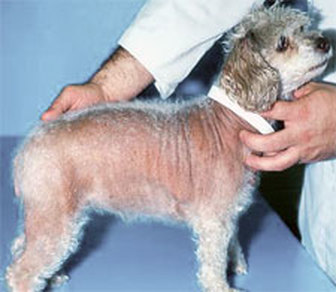
Image Source: www.apeacefulfarewell.com
Fathoming Normal Shedding Versus True Hair Loss
First, let’s sort out normal shedding from real hair loss. All dogs shed. It is how they get rid of old hair. This shedding helps them stay cool in summer and warm in winter. This is often called dog excessive shedding causes.
True hair loss, or alopecia, is when hair falls out too much or does not grow back. It often looks patchy or the skin underneath looks sore.
| Feature | Normal Shedding | True Hair Loss (Alopecia) |
|---|---|---|
| Pattern | Even across the body | Patchy, bald spots, or thin areas |
| Skin Appearance | Skin looks healthy and pink | Skin might be red, scaly, or irritated |
| Timing | Seasonal changes or normal life cycle | Can happen anytime, often sudden |
Common Skin Issues Leading to Hair Loss
Many dog skin problems hair loss are linked. When the skin is irritated, the dog scratches or chews. This scratching makes the hair fall out.
Fleas and Mites: Tiny Pests
Fleas are very common culprits. A flea bite causes itching. Some dogs are allergic to flea saliva. This is called Flea Allergy Dermatitis (FAD). Just one bite can cause severe itching and hair loss, often near the tail base.
Mites, like Sarcoptes (scabies) or Demodex, burrow into the skin.
* Sarcoptic Mange: Causes extreme itching. The dog scratches raw, leading to severe hair loss.
* Demodectic Mange (Demodex): Often affects young dogs or those with weak immune systems. It causes patchy hair loss, often around the eyes and mouth, but it does not usually itch much at first. These are key causes of patchy hair loss in dogs.
Allergies: More Than Just Skin Deep
Allergies are a top reason for dog itching and hair loss. Dogs can be allergic to things they eat or things in their environment.
Environmental Allergies (Atopy)
Dogs can be allergic to pollen, dust mites, or mold. This causes the skin to get inflamed and itchy all over. They might scratch their paws, rub their face, or lick their belly. This constant scratching causes the dog coat thinning causes.
Food Allergies
While less common than environmental allergies, food can cause issues. Common triggers are proteins like beef, chicken, or dairy. Symptoms often show up as skin irritation, chronic ear infections, and hair loss, especially around the face and rear end.
Hormonal Imbalances and Internal Illnesses
Sometimes, the underlying causes of dog hair loss are inside the body. Hormones help control hair growth cycles. If these are off, the coat suffers.
Hypothyroidism: Low Thyroid Function
The thyroid gland makes hormones that control metabolism and coat health. If it makes too little hormone (hypothyroidism), the dog’s coat becomes dry and thin. Hair loss often happens on the trunk and sides of the body. The skin might look dark or thick. This is a major reason for dog hair falling out treatment being systemic, not just topical.
Cushing’s Disease (Hyperadrenocorticism)
This happens when the body makes too much cortisol (a stress hormone). Signs include a thin coat, thin skin, and a pot-belly appearance. The hair loss is often slow and happens on both sides of the body equally.
Sex Hormone Imbalances
Too much or too little estrogen or testosterone can affect the coat. This is sometimes seen in unspayed female dogs or older male dogs whose hormone levels shift.
Infections Causing Alopecia
Bacterial and fungal infections can directly attack hair follicles, leading to hair loss.
Bacterial Infections (Pyoderma)
Bacteria often invade skin that is already damaged by scratching or allergies. This causes red bumps, crusts, and localized hair loss. It often looks like circular patches of missing hair.
Yeast Infections (Malassezia Dermatitis)
Yeast loves moist, irritated skin. It thrives in areas like the armpits, groin, and between the toes. The skin often smells musty or greasy, and the dog licks or chews the area, leading to hair loss and darkening of the skin.
Ringworm (Dermatophytosis)
Despite its name, ringworm is a fungal infection, not a worm. It causes classic circular patches of hair loss, often with scaly borders. It is very contagious to other pets and people.
Behavioral Causes: Stress and Compulsion
Sometimes, the dog causes the hair loss itself through intense licking, chewing, or biting.
Lick Granulomas (Acral Lick Dermatitis)
This starts when a dog constantly licks one spot, usually on a front leg. The constant moisture and trauma remove the hair and damage the skin, creating a thick, raised sore. This is tough to treat because the dog won’t stop licking unless the root cause (often boredom or anxiety) is fixed.
Anxiety and Boredom
Dogs that are left alone too much, stressed by loud noises, or just plain bored may start over-grooming themselves. This self-trauma leads to dog excessive shedding causes that are entirely psychological.
Nutritional Deficiencies Affecting Coat Health
A dog’s coat needs certain nutrients to stay healthy and thick. Poor nutrition can lead directly to dog coat thinning causes.
- Poor Quality Food: Cheap foods might lack essential fatty acids, vitamins, or quality protein.
- Omega Fatty Acids: Deficiencies in Omega-3 and Omega-6 fatty acids cause dry, brittle hair and flaky skin.
- Zinc Responsive Dermatosis: Some breeds (like Huskies) struggle to absorb zinc, a mineral vital for skin health. Lack of zinc causes crusty sores and hair loss, especially around the eyes and mouth.
Evaluating the Causes: A Diagnostic Path
When a dog has hair loss, a veterinarian will follow a clear path to find the issue. Deciphering the exact cause requires testing.
Step 1: History and Physical Exam
The vet will ask questions about:
1. When the hair loss started.
2. If the dog is itchy (crucial for separating mites/allergies from hormonal issues).
3. What food the dog eats.
4. If any other pets or people in the house have skin issues.
They will examine the pattern of hair loss—is it symmetric? Is it on the flanks, legs, or face? This helps narrow down the canine alopecia reasons.
Step 2: Initial Skin Tests
For most cases of dog itching and hair loss, the vet starts with simple, quick tests.
Skin Scrapings
The vet gently scrapes the skin surface and deep down into the hair follicles. They look under a microscope for mites (like Demodex).
Cytology
They take a tape sample or swab of the skin surface. This checks for an overgrowth of yeast or bacteria, common secondary infections linked to dog skin problems hair loss.
Fungal Culture
A small sample of hair is taken to check for ringworm.
Step 3: Advanced Testing
If the initial tests are clear, the vet moves to more in-depth testing to look for systemic issues or deep allergies.
Blood Work
A full blood panel can check thyroid levels (for hypothyroidism) and organ function. Specific hormone tests are needed for Cushing’s disease.
Elimination Diet Trial
If food allergies are suspected, the dog must go on a strict diet using a novel protein (like venison or duck) or a hydrolyzed protein diet for 8 to 12 weeks. If the itching stops, food is the likely trigger for the causes of patchy hair loss in dogs.
Allergy Testing
For environmental allergies, intradermal skin testing (similar to human allergy testing) or serum blood tests can pinpoint specific pollens or dust that cause the reaction.
Treatment Options for Specific Hair Loss Triggers
Once the cause is known, the dog hair falling out treatment can be targeted.
Treating Parasites
Treating fleas requires year-round prevention using high-quality spot-ons, oral medication, or collars. Mange caused by Demodex or Sarcoptes requires specific prescription medications, often oral isofoxazolines (like Bravecto or NexGard), which are highly effective.
Managing Infections
Bacterial skin infections (pyoderma) are treated with oral antibiotics or medicated shampoos for several weeks. Yeast infections require anti-fungal shampoos (like ketoconazole or chlorhexidine) and sometimes oral antifungal drugs.
Addressing Hormonal Issues
Hormonal hair loss is managed differently:
* Hypothyroidism: Requires daily oral thyroid hormone replacement medication (e.g., levothyroxine).
* Cushing’s Disease: Managed with specific drugs to lower cortisol production, requiring close monitoring.
Controlling Allergies
This is often a long-term management plan, not a quick cure.
* Environmental Allergies: Treatment may include medicated baths, controlling secondary infections, and sometimes immunotherapy (allergy shots) or specialized medications that target the allergic itch pathway (like Apoquel or Cytopoint injections).
* Food Allergies: Strictly sticking to the appropriate hypoallergenic diet is the main treatment.
Dealing with Behavioral Hair Loss
For dogs who lick themselves bald due to stress or anxiety, the treatment must focus on the mind:
1. Enrichment: More exercise, puzzle toys, and dedicated playtime.
2. Anxiety Management: Anti-anxiety medications or supplements might be needed alongside behavioral modification training.
3. Physical Barriers: E-collars or specialized sleeves may be used temporarily to let the skin heal while the dog receives behavior therapy.
Supplements and Supportive Care for Dog Coat Thinning Causes
Good nutrition supports healing, regardless of the main issue. These supplements help repair the skin barrier, addressing many dog coat thinning causes.
- Omega-3 Fatty Acids (EPA and DHA): These powerful anti-inflammatories reduce skin redness and itching associated with allergies. They also improve the shine and strength of the hair shaft.
- Biotin and Zinc: Important for cell turnover and strong hair growth, especially if a deficiency is suspected.
- Vitamins A and E: Act as antioxidants that support healthy skin cell function.
It is vital to talk to your vet before starting any new supplement, as too much of some vitamins can be harmful.
Preventing Future Hair Loss Episodes
Prevention is always better than treatment, especially with chronic issues like allergies.
- Year-Round Parasite Control: Never skip flea, tick, and mite prevention, even in winter. This eliminates one of the easiest dog hair loss causes to prevent.
- Regular Grooming: Brushing regularly helps remove dead hair and stimulates oil production. It also lets you spot skin changes early.
- Quality Diet: Feed a balanced, high-quality commercial dog food appropriate for your dog’s age and activity level.
- Stress Reduction: Maintain a stable routine. Provide mental stimulation to prevent boredom-related chewing.
- Regular Vet Checks: Routine physical exams help catch early signs of internal issues like thyroid problems before severe hair loss occurs.
When you notice anything unusual, like sudden or dog itching and hair loss in the same spot, seek professional help promptly. Early diagnosis makes treating canine alopecia reasons much easier and less stressful for your dog.
Frequently Asked Questions (FAQ)
Q: Is dog hair loss caused by stress always temporary?
A: Not necessarily. If stress leads to chronic licking (lick granulomas), the resulting skin damage can take a long time to heal, even after the stressor is removed. Behavior modification and sometimes medication are needed to stop the compulsive licking cycle.
Q: Can I use human dandruff shampoo on my dog for hair loss?
A: Generally, no. Human skin pH is different from dog skin pH. Using human shampoos can dry out your dog’s skin or make existing irritation worse. Only use dog-specific medicated shampoos prescribed by your vet for treating dog skin problems hair loss.
Q: Why does my dog only lose hair in the summer?
A: Summer hair loss is often linked to environmental allergies (pollen, grass) or increased flea activity. Hot, humid weather can also worsen yeast and bacterial skin infections, leading to secondary hair loss.
Q: If my dog has patchy hair loss, do I need to worry about contagion?
A: Patchy hair loss requires investigation. If the patches are very red, crusty, or look circular, ringworm (fungus) is possible, which is contagious. If the patchiness is symmetrical and the skin looks dull, it might point toward a hormonal issue, which is not contagious. Always have a vet confirm the cause.
Q: Are old dogs more prone to hair loss?
A: Yes. Older dogs often experience hormonal shifts (like lower thyroid function) or their immune systems may become less robust, making them more susceptible to chronic skin issues that result in dog coat thinning causes.