
What is dog cat desensitization? Dog cat desensitization is a training process that slowly helps a dog become calm around cats by pairing the sight or sound of a cat with good things, like treats. Can I introduce a dog and a cat safely? Yes, you can introduce a dog and a cat safely by taking things slowly and using careful management.
Bringing a new cat into a home with a dog, or vice versa, requires patience and a structured approach. Many pet owners struggle when their dog shows too much interest or even aggression toward the feline housemate. This guide will give you the step-by-step plan for success. We focus on dog cat desensitization and counter conditioning fearful dog cats to change negative reactions into neutral or positive ones.
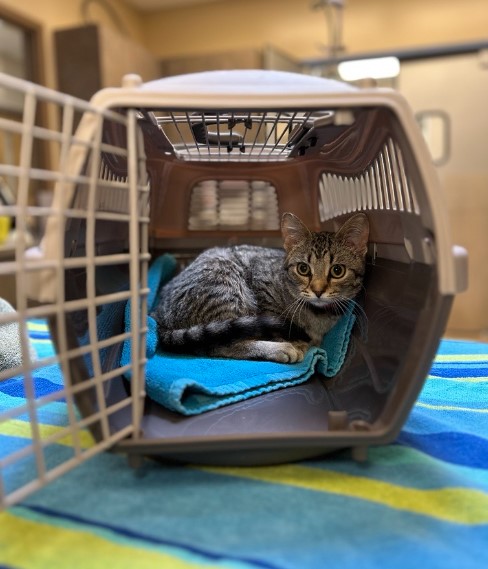
Image Source: wihumane.blob.core.windows.net
The Core Principles of Successful Pet Introduction
Successful blending of dogs and cats relies on three main pillars: management, counter conditioning, and desensitization. Without proper management, the training often fails because the dog is repeatedly exposed to a situation that causes stress or triggers unwanted behavior.
Management First: Setting Up for Success
Before you start any active training, you must control the environment. Management means stopping the dog from practicing unwanted behaviors, like chasing or barking at the cat. This is key to managing dog prey drive for cats while you work on training.
- Separate Spaces: Keep the dog and cat in completely separate areas initially. Use baby gates, closed doors, or crates.
- Leash Control: When the dog is near the cat’s area (even behind a barrier), the dog must be on a leash. This gives you immediate control.
- Safe Zones for the Cat: Ensure the cat always has high places or escape routes where the dog cannot reach them. This builds the cat’s confidence.
- No Forced Interactions: Never force the dog or cat to be close. This creates fear, not friendship.
The Power of Counter Conditioning
Counter conditioning fearful dog cats means changing the dog’s emotional response. If the dog sees a cat and feels anxious or excited to chase, we want to change that feeling to, “When I see a cat, good things happen!”
This is done by pairing the sight of the cat (the trigger) with something the dog loves (a high-value reward, like boiled chicken or cheese).
Gradual Exposure Through Desensitization
Gradual introduction dog to cat means exposing the dog to the cat at a distance where the dog notices the cat but does not react strongly (no barking, lunging, or staring). We keep them below the dog’s reaction threshold.
If your dog stares intensely at the cat from 30 feet away, that is your starting distance. If they bark at 20 feet, you start at 40 feet.
Phase 1: Building Positive Associations Away From the Cat
This first phase focuses only on the dog. We build a strong foundation of calm behavior and high reward value before the cat even enters the picture during training sessions.
Identifying High-Value Rewards
What does your dog love most? It cannot be their regular kibble if you are trying to stop chasing behavior. You need “jackpot” rewards.
| Reward Type | Examples | Use Case |
|---|---|---|
| Soft/Smelly | Cooked chicken, hot dogs, cheese | Used during initial counter conditioning when high focus is needed. |
| Chew/Long Lasting | Bully sticks, Kongs stuffed with frozen peanut butter | Used when the dog is calm and needs quiet time, often during crating sessions. |
| Toy Drive | Favorite squeaky toy, tug rope | Only used if the dog’s drive for toys is lower than their drive for food around cats. |
Teaching a Default Calm Behavior
Teach your dog a very reliable “settle” or “mat work” command in a quiet room. This skill will be crucial later. If the dog can lie down and stay calm on command, it gives you a tool to use when the cat appears. Practice this until the dog will do it perfectly every time, even with mild distractions.
Phase 2: Introducing the Trigger at a Safe Distance
This is where desensitization truly begins. The goal is for the dog to see the cat and immediately look to you for a treat, instead of reacting poorly.
Step 1: Identifying the Threshold Distance
Place the cat (securely in a carrier or behind a sturdy gate) at a distance where the dog sees the cat but remains relaxed.
- Under Threshold: The dog notices the cat but remains loose in body, may sniff the ground, or look back at you expectantly.
- Over Threshold: The dog freezes, stares hard, begins to whine, stiffens up, or barks.
If the dog is over threshold, you are too close. Increase the distance until the dog is clearly relaxed.
Step 2: The Look At That (LAT) Game (Counter Conditioning)
This game is central to dog cat desensitization.
- Dog Sees Cat: The very instant your dog notices the cat, before they react, mark the moment (with a clicker or the word “Yes!”).
- Reward Immediately: Quickly give the dog a high-value treat.
- Repeat: Wait for the dog to look at the cat again. Mark and reward.
The dog learns: Cat appears $\rightarrow$ Click/Yes $\rightarrow$ Treat arrives. The cat predicts good things.
If your dog remains aggressive towards cat even at a very far distance, you must stop, go back to Phase 1, and build more focus on you.
Step 3: Slowly Acclimating Dog to New Cat (or vice versa)
As the dog consistently stays calm (looking at the cat and then back to you) at the initial distance for several sessions, you can begin to move closer.
- Move Slowly: Decrease the distance by only a few feet at a time.
- Monitor Body Language: Watch the dog’s eyes, tail, and muscle tension. If they tense up, you moved too fast. Go back to the previous successful distance for a few more sessions.
- Cat Comfort: Ensure the cat is not showing stress (hissing, flattening ears, tail tucked). This process must feel safe for both animals. This is crucial when doing a safe introduction dog and kitten pairing, as kittens are extra vulnerable.
Phase 3: Introducing Barriers and Controlled Scents
Once the dog can see the cat from across the room without showing stress, you can move to closer proximity using secure barriers.
Scent Swapping (The Pre-Visual Introduction)
Before they see each other face-to-face, let them smell each other safely. This is a subtle but important step for helping dog tolerate cats.
- Take a towel or blanket and gently rub the cat. Place this item near the dog’s resting area or feeding spot. Reward the dog heavily for sniffing it calmly.
- Repeat the process by rubbing a towel on the dog and placing it near the cat’s favorite spot.
- If both pets show interest without stress, you can proceed. If either shows fear or agitation, go back to longer distances.
Training Behind a Barrier
Use a secure barrier, like a solid screen door or two stacked baby gates, to allow visual access while maintaining physical separation.
During these sessions, practice the LAT game. If the dog looks at the cat behind the barrier, mark and reward. If the dog starts scratching the gate or barking, you have moved too fast.
This structured approach helps immensely with behavior modification dog cat aggression because it prevents the dog from ever practicing the aggressive behavior while training.
Phase 4: Direct but Controlled Introductions
This final phase requires absolute vigilance and is only done when the dog has shown 100% success in Phase 3 (calmly looking at the cat through a barrier).
Controlled Leash Walking
The dog should be on a short leash, held by you, in a calm state. Have a second person handle the cat (if possible) or place the cat in a secure carrier nearby.
- Setup: Keep the dog on the leash. The cat is in a carrier or safe room nearby.
- Distance: Start at the threshold distance established in Phase 2.
- Positive Reinforcement Dog Cat Introduction: If the dog walks calmly beside you while the cat is present (even if visible in the carrier), reward heavily. Use positive reinforcement dog cat introduction techniques exclusively—never punish the dog for looking. Punishment only teaches the dog to suppress the signal, not change the feeling.
- Short Sessions: Keep initial sessions extremely short—two to five minutes maximum. End on a positive note before either animal gets stressed.
Allowing Brief, Supervised Off-Leash Time
This step should only happen after weeks or months of success with barriers and leashes. It involves a secure room and the utmost caution.
- Cat Control: Ensure the cat has immediate, easy access to an escape route (like a tall shelf or cat tree).
- Dog Control: The dog should be leashed initially, even in the room. If the dog shows zero arousal (no staring, no pulling), you may drop the leash (but keep holding it) for a few seconds.
- Interruption: If the dog focuses too intensely, calmly say their name and ask for a simple command they know well (like “sit”). Reward the compliance. If they ignore you, the session ends immediately, and you return to leashed work or barriers.
We are aiming for slowly acclimating dog to new cat, prioritizing safety and low stress over speed.
Troubleshooting Common Challenges
Even with the best plan, issues can arise. Knowing how to react is important.
What to Do When the Dog Remains Aggressive Towards Cat
If, despite your best efforts, the dog remains aggressive towards cat during controlled settings, you need to reassess your threshold distance.
- Increase Distance Immediately: Go back to a distance where the dog was completely relaxed last time.
- Re-evaluate Rewards: Are your rewards truly high value? If the drive to chase outweighs the desire for the treat, the reward isn’t good enough.
- Consult a Professional: If aggression persists, seek help from a certified professional dog trainer (CPDT-KA) or a veterinary behaviorist (DACVB). This often means the dog’s arousal level is too high for owner-led training alone.
Dealing with Excessive Dog Prey Drive
Managing dog prey drive for cats is often the hardest part. Prey drive is instinctual.
- Enhance Impulse Control: Spend extra time reinforcing “Leave It” commands unrelated to the cat first.
- Enrichment: Ensure the dog gets enough physical and mental exercise away from the cat. A tired dog is less likely to obsess.
- Redirect: If you see the dog shift focus toward the cat, immediately interrupt with a known command and reward the switch of focus.
| Behavior Observed | Training Response | Key Goal |
|---|---|---|
| Dog stares intensely at cat. | Click/treat when the dog looks away from the cat back to you. | Change focus from predator to provider. |
| Dog whines or paces near barrier. | Wait until the dog settles, even for one second, then reward. | Reward stillness, ignore agitation. |
| Dog lunges or barks at cat. | Immediately end the session and go back to a distance where this did not happen. | Do not allow rehearsal of the reaction. |
Long-Term Coexistence: Maintenance Training
Even after a seemingly successful introduction, you must maintain good habits. This is crucial for helping dog tolerate cats long-term.
Making Routine Positive
Continue to reward the dog anytime they are near the cat (even if separated by a gate) and are calm. If the dog walks past the cat’s food bowl calmly, reward that neutrality.
Never Leave Them Unsupervised Too Soon
It can take six months to a year before you can truly leave a dog and cat alone together unsupervised, even if they seem friendly. Always use management tools (gates, crates) when you cannot actively supervise.
Dealing with a Dog and Kitten Pair
When introducing a dog to a very small kitten, extra care is necessary due to the kitten’s size and vulnerability. This requires an even slower gradual introduction dog to cat.
- Keep the kitten in a separate, secure room for the first few weeks.
- Use scent swapping extensively.
- When visual contact is made, the kitten should always be safely contained (in a crate or held securely by a person) while the dog is leashed. The dog must learn that the kitten is fragile, not a toy.
Final Thoughts on Pet Integration
Success in integrating a dog and a cat is rarely fast. It demands consistency, patience, and a commitment to positive methods. Every small success builds toward a peaceful home. Remember that your goal is not necessarily friendship, but mutual tolerance and safety. By diligently applying counter conditioning fearful dog cats and moving at the pace of the most sensitive animal, you maximize your chances of a harmonious multi-pet household.
Frequently Asked Questions (FAQ)
How long does dog cat desensitization usually take?
The time frame varies greatly based on the dog’s history and temperament. For a dog with mild curiosity, it might take a few weeks. For a dog with a strong, established prey drive or past history of chasing, it can take several months or longer. Consistency is more important than speed.
Should I punish my dog if it growls at the cat?
No. Punishment can suppress the warning signs (like growling) but does not fix the underlying anxiety or drive. If the dog growls, it means they are over their threshold. End the session calmly, increase the distance next time, and focus on positive reinforcement dog cat introduction when they are below threshold.
What is the safest way to introduce a dog to a new cat?
The safest way involves no direct contact initially. Use scent swapping, visual barriers (like gates), and counter conditioning from a distance where both animals are relaxed. Direct, unsupervised contact should be the absolute last step, taken only after months of positive association training.
My dog ignores the cat completely now, is that good?
If your dog now walks past the cat without any stiffening, staring, or attention shift, that is excellent! This indicates successful helping dog tolerate cats. Reward this neutrality heavily to maintain it. True friendship is a bonus; safe tolerance is the primary goal.