
If your dog refuses to walk, it means something is wrong. This refusal can stem from medical trouble, fear, or problems with training. Many owners face the tough situation when their dog suddenly won’t move or simply digs its heels in.
Dealing with a dog that won’t move on leash is frustrating. It can turn a simple walk into a battle. We need to find the root cause. Is it pain, anxiety, or something else? This detailed guide explores the main reasons why your dog resists going out. It also offers ways to help your dog enjoy walks again.
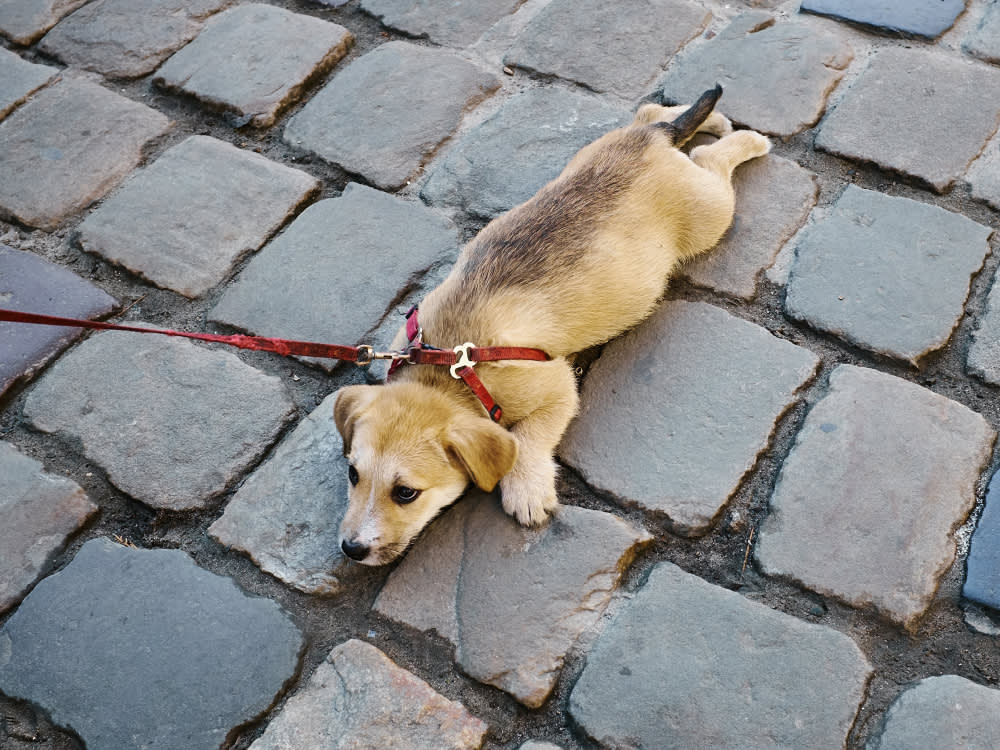
Image Source: images.ctfassets.net
Physical Problems Stopping the Walk
Pain is a top reason why a dog resists movement. If your dog usually loves walks but now stops, look for signs of discomfort first. A sudden change in behavior often points to a physical issue.
Assessing Pain and Health Issues
Many health issues can make walking painful or difficult. This is especially true for an old dog refusing to walk. Even young dogs can have hidden problems.
Joint and Bone Trouble
Arthritis is common, especially in older dogs. It causes stiffness and sharp pain when moving joints. Hip dysplasia is another big concern. It affects the hip socket.
- Arthritis: Causes morning stiffness. The dog may move slowly.
- Hip or Elbow Dysplasia: Affects how the leg joints line up. This hurts during weight-bearing activities like walking.
- Spinal Issues: Back pain makes bending or taking long strides hard. Some dogs might drag a leg.
Injuries and Aches
Even a small injury can stop a walk. A pulled muscle might not look bad, but it hurts enough to make the dog stop.
- Check their paw pads for cuts or thorns.
- Look closely at their legs and back for swelling.
- If you notice limping after a rest, pain is likely the issue.
Other Medical Causes
Not all pain is in the legs. Heart issues can make a dog tire out fast. They might stop walking simply because they cannot catch their breath.
- Heart Disease: Dogs get tired quickly. They might pant heavily.
- Vision or Hearing Loss: If a dog cannot see or hear well, the world outside feels scary. They might freeze up.
- Thyroid Problems: Low thyroid function can cause low energy and weakness.
Action Step: If you suspect pain, schedule a vet check right away. Do not force your dog to walk if they seem hurt. Managing the pain is the first step to fixing the walking problem.
Mental and Emotional Roadblocks
Sometimes the dog is physically fine. The problem lies in their mind. Fear, stress, or anxiety cause many behavioral issues dog walking presents.
Fear and Anxiety Outdoors
Many dogs are fearful of the outside world. This is very common when a puppy scared to walk outside for the first time. But adult dogs can develop fears too.
New or Scary Things
The world is full of loud, strange things. A dog’s senses are much stronger than ours.
- Loud trucks or buses cause fright.
- Construction noise can be terrifying.
- Strong smells from other dogs can be overwhelming.
- New surfaces, like slippery grates or wet leaves, feel unsafe.
If your dog resists starting the walk, they might be dreading what they might encounter. They may be trying to avoid a past bad experience.
Social Anxiety and Reactivity
If your dog is afraid of other dogs or people, they might shut down when they see them. This is different from leash pulling issues where the dog wants to rush forward. Here, the dog freezes as a defense mechanism.
- The dog uses “freezing” as a way to hide.
- They stop moving to avoid a perceived threat.
- This is often mistaken for stubbornness. It is pure fear.
Separation Anxiety Connection
Sometimes, the refusal to walk is linked to anxiety about leaving home. The dog feels safe inside their den. The outside world is unknown and risky. The walk itself becomes a source of stress.
Lack of Motivation or Interest
Not every dog refuses to walk because they are scared. Some dogs just do not see the point.
- Boredom: If the walks are always the same route, at the same pace, the dog gets bored. Why bother moving?
- Over-reliance on Treats Indoors: If you only use high-value treats inside, the outdoor world might not seem rewarding enough.
- Lack of Structure: If there are no clear expectations, the dog decides when and if they want to move.
Equipment and Leash Problems
The gear you use can heavily impact your dog’s willingness to walk. Poor equipment can cause physical discomfort or make the dog feel trapped.
Harnesses and Collars That Hurt
A poorly fitted collar or harness is a common cause of a dog resists going for walks. Pressure in the wrong spots causes pain or restricts breathing.
| Equipment Type | Potential Problem | Effect on Walking |
|---|---|---|
| Flat Collar | Puts pressure on the throat/trachea. | Coughing, gagging, reluctance to pull forward. |
| Front-Clip Harness | If tightened too much, restricts shoulder movement. | Awkward gait, dog feels pulled oddly. |
| Head Halter (Gentle Leader) | Some dogs hate having their muzzle restricted. | Panic, trying to rub it off, refusing to move. |
Leash Tension and Handler Signals
How you hold the leash matters a lot. If the leash is always tight, the dog feels tense even before leaving the door. This tension travels down the leash.
- A tight leash signals stress to the dog.
- The dog feels they must constantly brace against you.
- This contributes to stop walking during walk scenarios as the dog pulls against constant mild pressure.
If you are tense, your dog will be tense. They mirror your emotions.
Training and Habit Issues
Sometimes, the issue is simply habit or lack of proper training foundation. This is especially true if the dog has learned that stopping works.
Learning That Stopping Pays Off
If your dog stops walking and you wait five minutes, then give them a treat, you just taught them: stopping equals rewards. They learn that if they wait long enough, the fun starts (or the pressure releases).
This creates a pattern where the dog masters the art of the stubborn standstill. They know how to make you adjust your plans.
Inconsistent Expectations
Dogs thrive on routine and clear rules. If sometimes you drag them along, and other times you turn back immediately, the dog becomes confused.
- One day, a quick potty break counts as a walk.
- The next day, you expect a mile-long trek.
This inconsistency makes the dog hesitant. They do not know what is expected of them on any given day.
The Long Delay Effect
If your dog has shown signs of dog suddenly won’t move behavior, and you let days or weeks go by without consistent walks, the habit strengthens. The longer the dog practices not walking, the harder it is to restart the behavior.
Deciphering the Cause: A Step-by-Step Guide
When you face a situation where your dog resists going for walks, you must act like a detective. Rule out the serious issues first.
Step 1: Medical Checkup
This is non-negotiable if the change is sudden or involves an older pet. Tell your vet exactly what happens:
- When does the dog stop? (Right at the door? Halfway down the block?)
- Does the dog yelp or limp afterward?
- How is their energy level otherwise?
If the vet gives a clean bill of health, you can move to behavioral causes.
Step 2: Analyzing the Environment
Where does the refusal happen? The location often gives clues.
- At the Doorway: Points to pre-walk anxiety or fear of leaving the safe zone. The puppy scared to walk outside will often stop here.
- In a Specific Spot: Maybe a neighbor’s dog barks there, or loud traffic passes. The dog associates that spot with stress.
- Everywhere: Suggests a more general fear, generalized anxiety, or discomfort from gear.
Step 3: Evaluating Equipment and Handler Stress
Take a break from the leash entirely for a few minutes. Let the dog relax inside. Then, calmly put the gear on.
- Does the dog flinch when you touch the harness? (Indicates pain point.)
- Are you holding the leash tightly right now? (Check your own stress level.)
If you have a dog with leash pulling issues in other settings, their stopping might be a learned response to leash tension. They stop moving to relieve the pressure they feel constantly.
Fixing the Walk: Solutions for Different Problems
Once you pinpoint the likely cause, you can apply targeted fixes.
Addressing Physical Pain
If medical causes are found, follow the vet’s plan. This might involve medication, physical therapy, or simply shorter, gentler outings.
Adjusting Walk Intensity
For dogs with mild aches (like early arthritis):
- Shorter, More Frequent Walks: Instead of one long walk, try three short, slow strolls.
- Soft Surfaces: Walk on grass or dirt paths instead of hard pavement when possible.
- Supportive Gear: Discuss orthopedic beds or supplements with your vet to ease joint discomfort overnight.
If your old dog refusing to walk is due to age, focus on quality time, not distance. A gentle sniff in the backyard might be enough.
Easing Fear and Anxiety
This requires patience and slow desensitization. Never punish a dog for being afraid.
Building Confidence from the Doorstep
If the issue is leaving the house:
- Leash Practice Indoors: Put the leash on, walk around the living room, and take it off. Do this many times without going outside. Reward calmness.
- Doorway Games: Stand near the door. If the dog stays calm, reward heavily. Take one step outside, then immediately come back in and reward. Slowly increase the time outside the door.
- Positive Association: Carry amazing treats (cheese, chicken). Every time you approach the scary area, feed the treat before the dog gets nervous. The goal is for the dog to think, “Scary thing means chicken!”
Counter-Conditioning to Triggers
If specific things cause the dog to freeze (stop walking during walk):
- Identify the trigger (e.g., bikes, other dogs).
- Stay far enough away that your dog notices the trigger but does not react negatively (no freezing, no lunging).
- As soon as the trigger appears, feed treats rapidly.
- When the trigger leaves, stop treating.
- Slowly reduce the distance over many sessions.
This technique helps rewire the brain’s response from “Danger!” to “Treat dispenser activated!”
Improving Motivation and Engagement
If your dog is just bored or unmotivated, make the walk fun again.
Making Walks Interesting
Variety is key to keeping your dog engaged. This combats the dull routine that leads to a dog suddenly won’t move.
- Sniffaris: Allow your dog time to sniff every interesting smell. Sniffing is mentally tiring and rewarding for dogs. Let them lead for a few feet.
- New Routes: Drive to a new park or neighborhood once a week. New sights and smells increase interest.
- Incorporate Training: Practice simple tricks (sit, down, spin) at various points during the walk. This makes the walk a working session, not just transit time.
Using High-Value Rewards Outside
If your dog only walks well in the kitchen, your outdoor rewards are too weak.
| Inside Reward Example | Outside Reward Example |
|---|---|
| Dry kibble | Small pieces of hot dog or liver sausage |
| Standard biscuit | Boiled chicken or string cheese |
When practicing initial steps, use the absolute best food you have.
Correcting Training and Habit Issues
If the dog has learned to stop and wait you out, you must change the rules of the game.
Addressing Stubborn Stalls
When your dog plants their feet (dog won’t move on leash):
- Do Not Pull or Drag: This increases fear or resistance.
- Use Encouragement: Use a happy, high-pitched voice. Say their name or use a playful command like “Let’s go!”
- Lure, Don’t Force: Hold a high-value treat slightly ahead of them, encouraging them to take one step forward toward the treat. Reward that single step.
- Change Direction: Sometimes, simply turning 180 degrees and walking five feet in the opposite direction breaks the spell. Then, try your original route again, praising heavily for any movement.
If you are dealing with a chronic dog refuses to walk situation, you may need to take a step back. Go back to practicing walking just past the front door until the behavior is solid again.
Building Loose-Leash Walking Skills
A dog that constantly pulls or is constantly bracing against a tight leash is not enjoying the walk.
- The Stop-and-Go Game: Walk forward. The moment the leash tightens, stop dead still. Do not move until the dog relieves the tension (even slightly). When the leash slackens, immediately start walking again. This teaches the dog that tension stops forward momentum.
- Use a Consistent Cue: Use a simple, happy word like “Walk on!” when starting.
This proactive training prevents the reactive stopping later on.
Special Considerations for Different Life Stages
The reasons why a dog won’t walk change as they age or develop.
The Case of the Frightened Puppy
A puppy scared to walk outside needs extensive positive exposure during their socialization window (which lasts until about 16 weeks).
- Keep initial outings very short—just thirty seconds outside the door.
- Carry the puppy past scary things if needed. Let them observe without feeling overwhelmed.
- Never force the puppy to interact with a scary person or dog. Let them approach on their terms.
The Reluctant Adult Dog
If an adult dog develops walking avoidance, it is usually rooted in a recent negative event or mounting anxiety. Review their environment for recent changes: a new pet, construction nearby, or a scary encounter on a previous walk. Focus heavily on counter-conditioning.
Navigating the Senior Dog
When an old dog refusing to walk is not due to acute pain, it may be a combination of reduced stamina and mild cognitive decline.
- Pace Matters: Walk at their speed. They might only manage five minutes, and that is okay.
- Mental Enrichment: Substitute long walks with mental work indoors or gentle, supervised exploration in a quiet yard. The goal shifts from exercise to connection and gentle stimulation.
Comprehending Behavioral Roadblocks Dog Walking Presents
Many owners mistake learned stubbornness for true resistance. If your dog stops moving, look for the subtle cues they give before the full freeze.
| Pre-Freeze Signal | Potential Meaning | What to Do |
|---|---|---|
| Lip Licking/Yawning (when not tired) | Stress or mild anxiety. | Stop moving. Give a calm treat. Wait for relaxation. |
| Lowered Head/Tail Tuck | Fear or submission. | Reduce leash pressure. Move away from the trigger. |
| Looking Back at Home | Desire to retreat to safety. | Praise any forward movement. Do not force further. |
| Freezing Rigidly | Full panic or refusal to engage. | Gently redirect with a high-value lure or change direction entirely. |
Ignoring these subtle signals allows the problem to escalate into a full-blown stop walking during walk episode. Addressing stress early keeps the walk positive.
Practical Tips for Encouraging Movement
Use these quick fixes when you are mid-walk and your dog decides to become an anchor.
- The Happy Dance: Jiggle the leash lightly (not pulling) and make a silly noise or clap your hands. Sometimes a quick, unexpected positive noise breaks the trance.
- The Treat Trail: If they stop, drop a tiny, exciting treat right in front of their nose. When they eat it, drop another one a foot ahead. Create a tiny trail back into motion.
- Switch Roles: Let the dog lead the way toward something they like (e.g., the corner where they usually see a friendly person). Giving them control briefly can restart movement.
Remember, consistency is the bedrock of fixing any behavioral issues dog walking may present. If you give in once, you reinforce the stopping behavior. If you are patient and consistent in encouraging movement, your dog will learn that walking is reliable and safe.
Frequently Asked Questions (FAQ)
Q: How long should I wait if my dog stops walking?
A: If you suspect fear or anxiety, wait about 30 seconds for them to offer any sign of movement. If they are physically unable to move due to pain, do not wait—seek help. If it is a learned stubborn stall, do not wait longer than necessary for them to choose to move, or you reward the stop. Use your lure/encourage technique immediately.
Q: Should I ever drag my dog when they won’t move?
A: No. Dragging is never recommended. It can cause injury, especially if the dog is old or scared. It also destroys trust and makes the dog associate walks with physical punishment or fear.
Q: My puppy is scared to walk outside, should I just carry them?
A: Carrying them past the scary part can be helpful initially to prevent them from getting overwhelmed. However, you must follow up by allowing them to explore the area calmly on their own feet later, using treats to build positive associations. Carrying solves the immediate problem but does not train the underlying confidence.
Q: What if my dog only stops when I turn toward home?
A: This means the dog is done! They have gotten enough exercise or stimulation. Respect this cue. If you push them past their limit, future walks will become harder. Next time, end the walk slightly sooner while they are still happy and moving forward.
Q: Can I fix leash pulling issues and the refusal to walk at the same time?
A: Yes, they are often linked. A dog that pulls hard often braces hard when they suddenly stop. Focus on teaching the dog that tension stops movement, and slack allows movement. Use the stop-and-go game described above consistently.