
If your dog is vomiting blood, it is a serious sign. You must take your dog to the emergency vet right away. Do not wait to see if it gets better. Vomiting blood, medically known as hematemesis, means there is bleeding somewhere in your dog’s upper digestive tract—the mouth, throat, esophagus, or stomach. Getting immediate professional care is the most crucial step.
This situation requires prompt action. We will explore the possible dog hematemesis causes, what to expect at the clinic, and how treatment works. Knowing what to do can save your dog’s life.
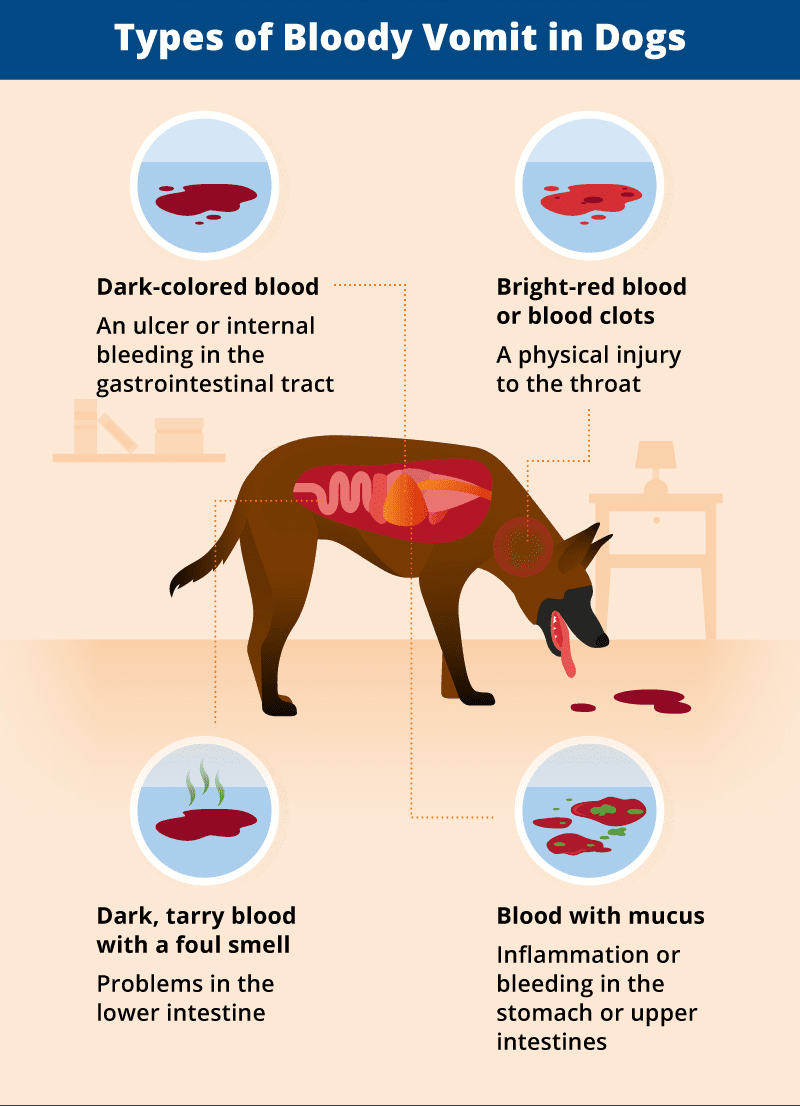
Image Source: cdn-ilbfemn.nitrocdn.com
Recognizing the Danger: Types of Bloody Vomit
When a dog vomits blood, the appearance of the vomit tells a story about where the bleeding might be happening. Look closely at what your dog throws up. This detail is vital for the vet.
Bright Red Blood in Dog Vomit
If you see bright red blood in dog vomit, this usually means the blood is fresh and is coming from the upper part of the digestive system, like the mouth or throat. It might look like streaks or splashes of fresh red.
- This can happen if your dog chewed something sharp.
- It can also mean active, heavy bleeding in the esophagus or stomach lining.
Dark Coffee Ground Vomit Dog
If the vomit looks dark brown or black, resembling coffee grounds, this is also very serious. This appearance happens when blood has been in the stomach for a while. Stomach acid breaks down the blood, changing its color. A dark coffee ground vomit dog has bleeding happening higher up, but it has mixed with stomach contents. This indicates slower, but ongoing, bleeding in the stomach.
Immediate Action Steps: When to Worry About Dog Vomiting Blood
When should you really worry? Any time your dog throws up blood, you should worry. Vomiting blood is never normal. However, some signs make the situation much more urgent.
If you see sudden bloody vomit dog, you must react instantly.
Consider these critical warning signs:
- Large Amounts of Blood: If the vomit is mostly blood, this is an immediate emergency.
- Weakness or Collapse: If your dog seems weak, dizzy, or cannot stand up, rush to care.
- Dog Throwing Up Blood and Lethargic: If your dog is vomiting blood and is also very tired, weak, or unresponsive, this suggests significant blood loss or severe underlying illness.
- Difficulty Breathing: Any trouble breathing alongside vomiting is a major red flag.
- Pale Gums: Gently lift your dog’s lip. If the gums are pale pink or white instead of a healthy bubble-gum pink, this shows severe blood loss (anemia).
Getting to the Emergency Vet for Bloody Vomit Dog
Your first call should be to your regular veterinarian or the nearest emergency vet for bloody vomit dog. Tell them what you see before you arrive. This lets them prepare for your arrival.
What to Tell the Vet
Be ready to answer these questions clearly:
- When did it start? (Time is important.)
- How much blood was there? (Estimate if you can.)
- What did the vomit look like? (Bright red or coffee grounds?)
- Has the dog eaten anything unusual? (Toxins, bones, foreign objects?)
- Is the dog acting normally otherwise? (Energy levels, thirst, urination.)
- Does the dog take any medications? (Especially NSAIDs or blood thinners.)
While Traveling
Keep your dog calm. Cover the carrier or crate if they seem anxious. Try to keep their head slightly lower than their body if possible, though do not stress the dog trying to position them. Focus only on safe travel to the clinic.
Deciphering Dog Hematemesis Causes
There are many causes of blood in dog vomit. Finding the source is the first step toward effective bloody vomit in dog treatment. The causes range from minor irritation to life-threatening systemic diseases.
Trauma and Foreign Bodies
Sometimes the cause is simple physical damage to the lining of the gut.
- Foreign Object Ingestion: Sharp objects like bones, plastic shards, or sticks can scrape the esophagus or stomach wall as they pass through.
- Aggressive Eating: Eating too fast or too much can cause intense retching, tearing small blood vessels.
- Burns: Ingesting very hot food or liquids can cause chemical or thermal burns in the mouth and throat.
Inflammation and Irritation (Gastritis/Esophagitis)
Inflammation of the stomach lining (gastritis) or the food pipe (esophagitis) is a common reason for blood in vomit.
- Dietary Indiscretion: Eating garbage, spoiled food, or rich table scraps often leads to severe stomach upset and inflammation.
- Medication Side Effects: Non-steroidal anti-inflammatory drugs (NSAIDs) like ibuprofen or even dog-specific NSAIDs, if given incorrectly, can cause severe stomach ulcers.
Toxins and Poisons
Ingesting poisons can quickly lead to severe internal bleeding.
- Rodenticides (Rat Poison): Many rat poisons work by preventing blood from clotting. This can cause internal bleeding that shows up in vomit or stool. This is a major emergency.
- Heavy Metals or Chemicals: Certain household chemicals can severely burn the digestive tract.
Systemic Illnesses and Organ Failure
Problems originating outside the digestive tract can manifest as bloody vomit.
- Severe Liver Disease: Liver failure can cause clotting problems, leading to bleeding throughout the body, including the GI tract.
- Kidney Failure: High levels of toxins in the blood due to poor kidney function can cause ulcers.
- Pancreatitis: Severe inflammation of the pancreas can cause widespread inflammation and bleeding.
Blood Clotting Disorders
If the blood cannot clot properly, even minor irritation can cause major bleeding.
- Inherited Coagulation Disorders: Some dogs are born with problems making necessary clotting factors.
- Immune-Mediated Thrombocytopenia (ITP): The body destroys its own platelets, the cells needed to stop bleeding.
Tumors and Cancer
In older dogs, persistent vomiting, sometimes bloody, can signal a tumor in the stomach or esophagus.
- Gastric Cancer: Growths inside the stomach can bleed as they erode the tissue.
Diagnosing the Source of the Bleeding
Once you arrive at the clinic, the veterinary team will act fast. They need to stabilize your dog and find the source of the bleeding. This process involves several key steps.
Stabilization First
If your dog has lost a lot of blood, the team will focus on stabilizing them. This often includes:
- IV Fluids: To replace lost volume and keep blood pressure up.
- Blood Transfusion: If the packed cell volume (PCV) is dangerously low, a transfusion may be necessary to restore oxygen-carrying capacity.
- Medications: To protect the stomach lining or counteract toxins.
Diagnostic Tests
The vet will use tests to pinpoint the dog hematemesis causes.
Blood Work:
A complete blood count (CBC) checks for anemia (low red blood cells) and signs of infection or inflammation. Chemistry panels check organ function (liver, kidneys). Coagulation tests check how fast the blood clots.
Imaging:
* X-rays (Radiographs): These look for foreign objects, severe masses, or signs of bloating.
* Ultrasound: This provides a detailed look at the stomach and intestinal walls, helping spot tumors, ulcers, or inflammation.
Endoscopy:
This is often the definitive test. A specialized camera (endoscope) is passed down the throat into the esophagus and stomach. This lets the vet see the exact site of the bleeding, take biopsies (tissue samples), or even remove small foreign objects.
Treating Bloody Vomit in Dogs
Bloody vomit in dog treatment depends entirely on what is causing the bleeding. Treatment ranges from supportive care to major surgery.
Supportive Care for Mild Cases
If the bleeding is minor, likely due to acute irritation (like eating something rich), the vet may focus on settling the stomach.
- Stomach Protectants: Medications like sucralfate or proton pump inhibitors (like omeprazole) reduce stomach acid, allowing the lining to heal.
- Anti-Nausea Medication: Drugs like Cerenia prevent further vomiting, which reduces irritation to the bleeding site.
- Dietary Restriction: The dog will likely be restricted from food for 12–24 hours to let the stomach rest. After that, a bland, highly digestible diet (like boiled chicken and white rice) is introduced slowly.
Managing Specific Causes
For more severe or specific causes of blood in dog vomit:
| Cause Identified | Primary Treatment Approach |
|---|---|
| Ulcers (Drug-Induced) | Stopping the offending drug, aggressive acid suppression, and protection. |
| Toxin Ingestion (e.g., Rat Poison) | Specific antidotes (like Vitamin K1 for anticoagulant rodenticides) and supportive care. |
| Foreign Body | Retrieval via endoscopy if small, or surgery if lodged or causing major tears. |
| Severe Hemorrhagic Gastroenteritis (HGE) | Intensive fluid therapy and monitoring for shock. |
| Tumor/Cancer | Surgery, chemotherapy, or palliative care, depending on the tumor type and stage. |
How to Stop Dog From Vomiting Blood
While you cannot stop internal bleeding at home, once at the vet, they use powerful drugs to halt the process. The goal is to stabilize the patient and treat the root cause. If bleeding is severe, transfusions are the fastest way to restore stability while treating the source. Only a veterinarian can administer the necessary drugs to how to stop dog from vomiting blood effectively and safely.
Fathoming the Different Types of Bleeding
It is useful to think about where the blood is coming from based on the color, as this narrows down the dog hematemesis causes.
Upper GI Bleeding vs. Lower GI Bleeding
Vomiting blood is specifically upper gastrointestinal bleeding. If blood comes out the back end (diarrhea), that is lower GI bleeding, which looks different.
- Hematemesis (Vomiting Blood): Upper tract (mouth to upper small intestine). Often bright red or coffee grounds.
- Hematochezia (Bright Red Blood in Stool): Lower tract (colon/rectum).
- Melena (Tarry, Black Stool): Blood digested in the lower tract. This sometimes looks similar to coffee grounds but comes out as feces, not vomit.
If your dog is vomiting blood and has black, tarry stool (melena), it suggests that bleeding is occurring higher up, and some of it is passing through the entire system.
Caring for Your Dog Post-Treatment
Recovery after a severe vomiting episode or diagnosis takes time and careful management. Your vet will give you detailed instructions.
Monitoring at Home
Watch your dog closely for several days after being discharged.
- Appetite and Hydration: Ensure they are eating the prescribed small meals and drinking water normally.
- Vomiting Recurrence: Any return of vomiting, especially bloody vomit, needs an immediate call to the vet.
- Energy Levels: While they will be tired, lethargy should gradually decrease. If your dog is dog throwing up blood and lethargic upon returning home, contact the clinic immediately.
Follow-Up Care
If the cause was ulcers or inflammation, your dog may need ongoing medication for weeks to ensure complete healing. If cancer was diagnosed, follow-up appointments for staging or treatment planning are essential.
Readability Focus: Keeping It Simple and Clear
We need to make sure everyone can quickly grasp this critical information. When dealing with an emergency, simple directions are best.
- Use short sentences.
- Use easy words.
- Focus on what to do next.
If your dog vomits blood, the first step is always the emergency clinic. The vet will use clear steps to find out why this happened and how to fix it. They will check for poisons, look for injuries, and test the blood. This helps them choose the right medicine or procedure.
If the vet finds a blockage, they might need surgery. If they find a bad ulcer, they will give strong medicines to heal the stomach. Always ask the vet to explain things in simple terms if you do not feel you understand the medical words.
Frequently Asked Questions (FAQ)
Can I give my dog Pepto-Bismol for bloody vomit?
No, never give your dog any over-the-counter human medication without explicit instruction from your veterinarian. Pepto-Bismol can mask symptoms, interfere with necessary blood tests, or even be toxic to dogs, especially if they have underlying kidney issues.
How long after eating might a dog start vomiting blood?
It depends on the cause. If it’s due to eating a sharp foreign object, vomiting might start quickly, within minutes or hours. If it’s due to a systemic illness like severe liver failure or a slow-forming ulcer, the vomiting might have been happening for days or weeks before the blood appeared.
If my dog vomits just a little bit of blood, is it still an emergency?
Yes. Even a small streak of bright red blood in dog vomit signals an active bleed in the upper tract. It is impossible to know at home if that small amount will turn into a large bleed soon. It warrants immediate veterinary assessment.
What if my dog is throwing up blood but seems otherwise fine?
While they might seem energetic immediately after the episode, the presence of blood means something is actively wrong. A dog that seems fine one moment can crash quickly if the bleeding source is severe (like an internal tear or poisoning). Always treat bloody vomit as an emergency.
Are there home remedies to help recover from vomiting?
After the vet has diagnosed and stabilized the issue, recovery often involves a bland diet, as mentioned earlier. Do not attempt home remedies for active bleeding. Recovery protocols must be veterinarian-approved to prevent re-bleeding or complications.