
Dark yellow dog pee meaning often points to one primary issue: dehydration. If your dog is urinating dark yellow, it usually means their urine is very concentrated because they are not drinking enough water.
If you notice your dog’s urine has suddenly changed color to a dark yellow or amber shade, you must act fast. While this symptom often suggests dog dehydration urine color, it can signal other serious health problems too. This guide will help you spot the signs, find the root cause, and know the right steps to take.
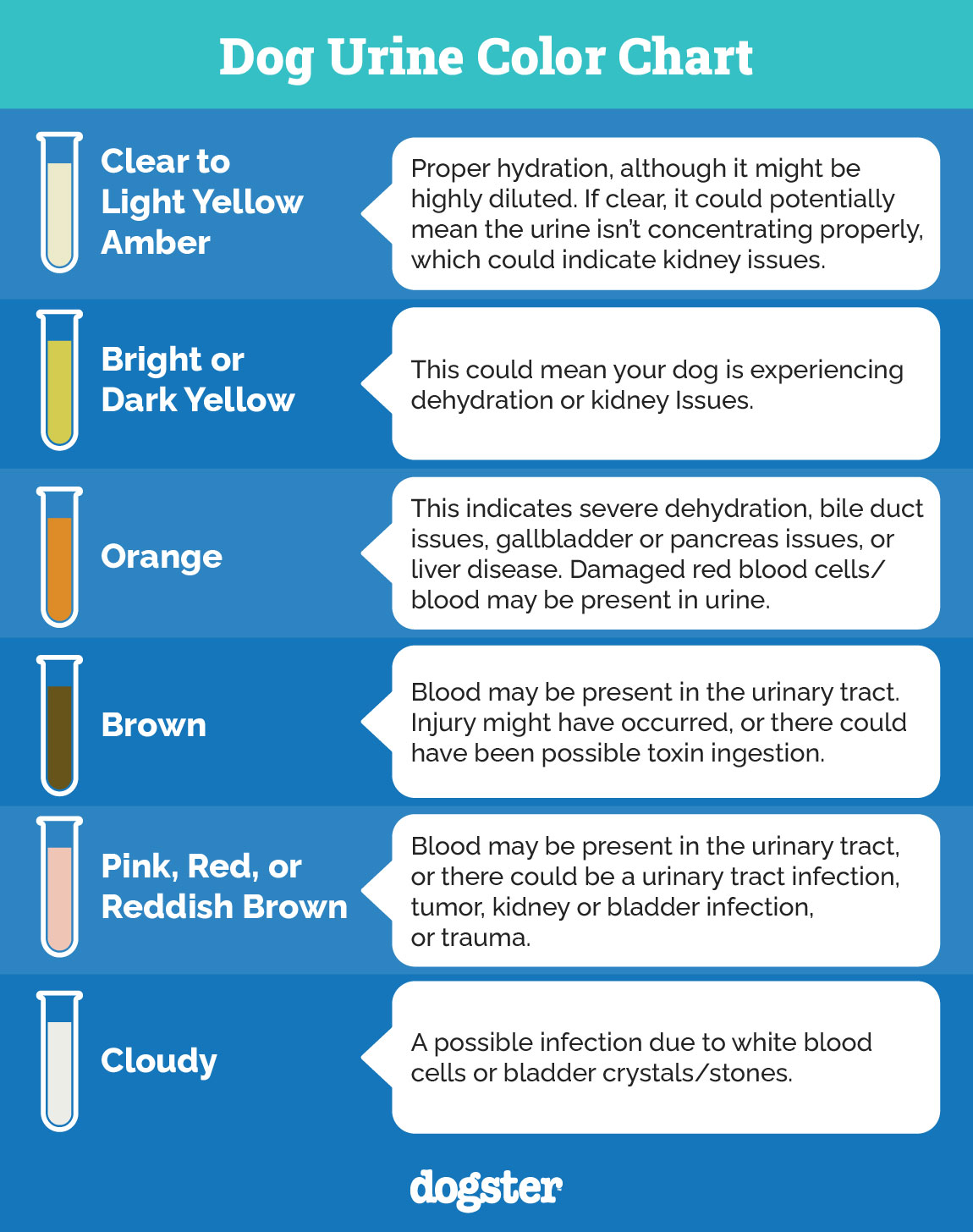
Image Source: www.dogster.com
Fathoming Urine Color in Dogs
A dog’s urine color is a key sign of their overall health. Healthy dog urine is usually a pale yellow or straw color. This color means they are well-hydrated and their kidneys are working correctly.
When the color darkens, it shows that the urine contains more waste products and fewer water molecules. Think of it like soup—less water makes the broth richer and darker.
What Causes Dark Yellow Dog Urine?
Several factors can cause your dog’s urine to look dark yellow. We can group these causes into simple lifestyle issues and more complex medical conditions.
The Primary Culprit: Dehydration
Dog dehydration urine color is the most common reason for dark yellow urine. When a dog does not take in enough fluids, their body tries to conserve water. The kidneys work hard to reabsorb as much water as possible before sending waste out. This leaves behind very concentrated urine, which appears dark yellow or even amber.
If your dog is dehydrated, you might notice other signs along with the dark pee.
Signs of Dog Dehydration
It is important to look for more than just the urine color. These signs often appear alongside dark urine dog dehydration signs:
- Lethargy: Your dog seems tired or less playful.
- Dry Gums: Gently lift your dog’s lip. Healthy gums are slick and moist. Dry, sticky, or tacky gums mean they need water now.
- Skin Tenting: Gently pull up the skin over their shoulder blades. In a well-hydrated dog, the skin snaps back quickly. If it stays tented for a moment, it shows dehydration.
- Panting: Excessive panting without exercise or heat exposure.
- Decreased Urination Frequency: They might just pee less often, and when they do, it is very dark.
These symptoms point toward dog drinking less water symptoms.
Other Causes of Concentrated Dog Urine
While dehydration is common, other things lead to causes of concentrated dog urine:
- Strenuous Exercise: After a long run or hard play, dogs lose water through panting and sweat (through their paws). They might not drink enough right away to replace the loss, leading to temporary dark urine.
- Dietary Changes: If you recently switched to a much drier kibble without increasing water intake, concentration can happen. High-protein diets can also require more water to process.
- Heat Exposure: Hot weather makes dogs pant more to cool down. This rapid water loss concentrates the urine.
Medical Reasons Behind Dark Urine
When the dark yellow color lasts longer than a day, or if you see other symptoms, it might signal a health problem. This is when you start to wonder when to worry about dog urine color.
1. Kidney Issues
The kidneys filter waste from the blood. If they are not working well, they cannot manage water properly. This can lead to imbalances that affect urine concentration. Kidney disease often causes dogs to drink more water (increased thirst), but sometimes the urine balance gets thrown off, leading to darker shades at certain times.
2. Urinary Tract Infections (UTIs)
A UTI is an infection in the bladder or urethra. While the primary symptom is often frequent, small urinations, or pain, the infection can cause changes in urine appearance. You might see cloudy urine or a darker tint due to inflammation and possible blood presence, even if it is not bright red. Look for dog urinary tract infection symptoms like straining to pee or accidents in the house.
3. Liver Disease
The liver helps process waste products, including bilirubin. If the liver is struggling, bilirubin can build up in the blood and spill into the urine, making it look dark amber or even brownish-orange. Liver problems often cause other issues like vomiting and jaundice (yellowing of the skin/eyes).
4. Diabetes Mellitus
Diabetic dogs often experience extreme thirst (dog increased thirst and dark urine can sometimes occur as the body tries to flush out excess sugar). While they drink a lot, they also pee a lot (polyuria). If they become dehydrated despite drinking, their urine will concentrate quickly, appearing dark yellow.
5. Bile Duct Obstruction
Bile, produced by the liver, gives bile a yellow-green color. If the bile ducts are blocked, bile salts can build up and enter the urine, making it very dark, sometimes described as tea-colored or dark orange.
From Pale to Dark: Interpreting Gradual Changes
It is useful to track how the color changes over time. A sudden shift from dog pale urine to dark yellow is often a red flag for acute dehydration or a sudden onset of illness.
| Urine Color | Hydration Level | Possible Concern |
|---|---|---|
| Very Pale/Clear | Over-hydrated, or potentially diabetes/kidney issues (dilute urine) | Low concern, unless drinking excessively. |
| Straw Yellow/Light Yellow | Ideal hydration, normal function. | None. |
| Dark Yellow/Amber | Mild to moderate dehydration, or normal after intense exercise. | Watch water intake closely. |
| Deep Orange/Brown | Severe dehydration, liver issues, or presence of excess bilirubin. | Vet visit needed. |
| Red/Pink | Blood present (UTI, stones, injury). | Vet visit immediately. |
Taking Action: Solutions for Dark Yellow Urine
Your first steps depend on whether you suspect simple dehydration or a deeper medical issue.
Immediate Steps for Suspected Dehydration
If you see dark urine dog dehydration signs but your dog seems otherwise okay, focus on rehydration safely.
Adjusting Water Intake
The goal is to encourage your dog to drink more water slowly and consistently.
- Freshness is Key: Change the water bowl frequently. Dogs prefer very fresh, cool water.
- Multiple Stations: Place water bowls in several easy-to-reach spots around the house.
- Flavor the Water (Safely): Add a small splash of low-sodium chicken broth or tuna juice to their water to make it more appealing. Use only a tiny amount so it doesn’t upset their stomach.
- Ice Cubes: Some dogs enjoy crunching on ice cubes or drinking from a bowl with a few cubes floating in it.
- Wet Food Transition: If your dog eats dry kibble, switch to canned (wet) food temporarily. Canned food has a much higher water content.
Monitoring Hydration Levels at Home
After encouraging fluid intake, check their gums again in an hour. If the stickiness goes away and the skin snaps back quickly, you are on the right track. If they still seem lethargic or the urine remains dark after several hours of increased drinking, call your veterinarian.
Addressing Underlying Medical Concerns
If hydration efforts fail, or if the dark urine is accompanied by other symptoms, professional help is essential. This addresses the concentrated urine in dogs treatment beyond just adding water.
Veterinary Diagnosis
Your vet will perform tests to find the exact cause of the change in urine color:
- Urinalysis: This is the most important test. It checks the urine’s specific gravity (how concentrated it is), pH, and checks for protein, sugar, and signs of infection or crystals.
- Bloodwork: A complete blood count (CBC) and chemistry panel assess kidney function (BUN, creatinine), liver enzymes, and blood sugar levels to check for diabetes or liver disease.
- Imaging: X-rays or ultrasound might be used to look at the bladder, kidneys, and liver structure.
Treatment Protocols
Treatment directly relates to the diagnosis:
- For Dehydration: If moderate to severe dehydration is present, the vet may administer subcutaneous fluids (fluids under the skin) or intravenous (IV) fluids for faster correction.
- For UTIs: Antibiotics are prescribed based on the severity and results of a urine culture. Pain relief may also be needed.
- For Kidney or Liver Disease: Treatment focuses on managing the condition with prescription diets, medications to support organ function, and long-term fluid management.
- For Diabetes: Insulin therapy and strict dietary control are necessary.
Preventing Future Dark Urine Incidents
Prevention is always better than cure, especially concerning hydration.
Establishing Good Drinking Habits
Make water access a priority throughout your dog’s day.
- Exercise Timing: Always offer a full bowl of water immediately after exercise. Let them drink freely, but don’t let them gulp huge amounts too fast if they are very thirsty, as this can cause vomiting.
- Travel Preparedness: Never travel without an ample supply of water and a portable bowl. A hot car, even for a few minutes, can lead to rapid dehydration.
- Consider a Water Fountain: Some dogs prefer moving water, which a pet fountain provides. This can subtly encourage increased drinking.
Diet Adjustments
If your dog is a low drinker, focus on hydration through food. Discuss transitioning some, or all, of their meals to high-quality canned food with your vet. This ensures a baseline level of moisture intake every day, minimizing the risk of dog drinking less water symptoms.
Deciphering When to Call the Vet
Knowing when to worry about dog urine color is crucial for timely intervention.
You should contact your veterinarian immediately if you see any of the following red flags along with dark yellow urine:
- Duration: The urine stays dark yellow or amber for more than 24 hours despite increased water access.
- Accompanying Symptoms: Lethargy, severe vomiting, diarrhea, pale gums, or fever are present.
- Color Change to Brown/Orange: If the urine looks truly brown, tea-colored, or has a strange, pungent odor, seek immediate help, as this suggests bile or severe concentration.
- Pain or Straining: If your dog cries out while urinating or strains without producing much urine, this indicates a potential blockage or severe inflammation.
If your dog is otherwise acting normally—energetic, eating well, and drinking—you have a little more time to try home hydration strategies, but keep monitoring closely.
Frequently Asked Questions (FAQ)
Can my dog’s medication change their urine color?
Yes, certain medications can change urine color. For example, some B vitamins can make urine look brighter yellow. If you start a new medication and notice a color change, discuss it with your vet. They can confirm if the drug is the cause or if something else is happening.
Is it normal for my puppy’s urine to be darker?
Puppies can sometimes have darker urine if they are very young and not yet fully regulating their fluid intake, or if they are nursing heavily and have less access to plain water. However, consistent dark urine in a puppy should still be checked, as puppies dehydrate very quickly.
If my dog is drinking a lot but the urine is still dark, what does that mean?
This situation is complex and usually points to a serious medical issue. It suggests that even though your dog is drinking (polydipsia), their body cannot properly utilize or concentrate the water. This is a common sign in advanced kidney disease or diabetes. This requires urgent veterinary investigation to assess kidney function. This links to the signs of dog increased thirst and dark urine.
How quickly should I see a color change after giving my dog water?
If dehydration was the cause, you should start seeing a subtle lightening of the urine color within 6 to 12 hours of significant fluid intake. If you see no change after a full day of actively encouraging drinking, it means the underlying problem is preventing proper hydration or is causing excessive waste production that water alone cannot dilute.