
A phantom pregnancy, also called pseudopregnancy, usually lasts for about three to six weeks after the heat cycle ends. This is the typical pseudopregnancy duration in canines.
Many dog owners get worried when their female dog acts pregnant even though she was never bred. This strange event is a phantom pregnancy in dogs. It is very common. It happens when a female dog’s body thinks she is pregnant. This is not a true pregnancy. It is a false alarm in her body.
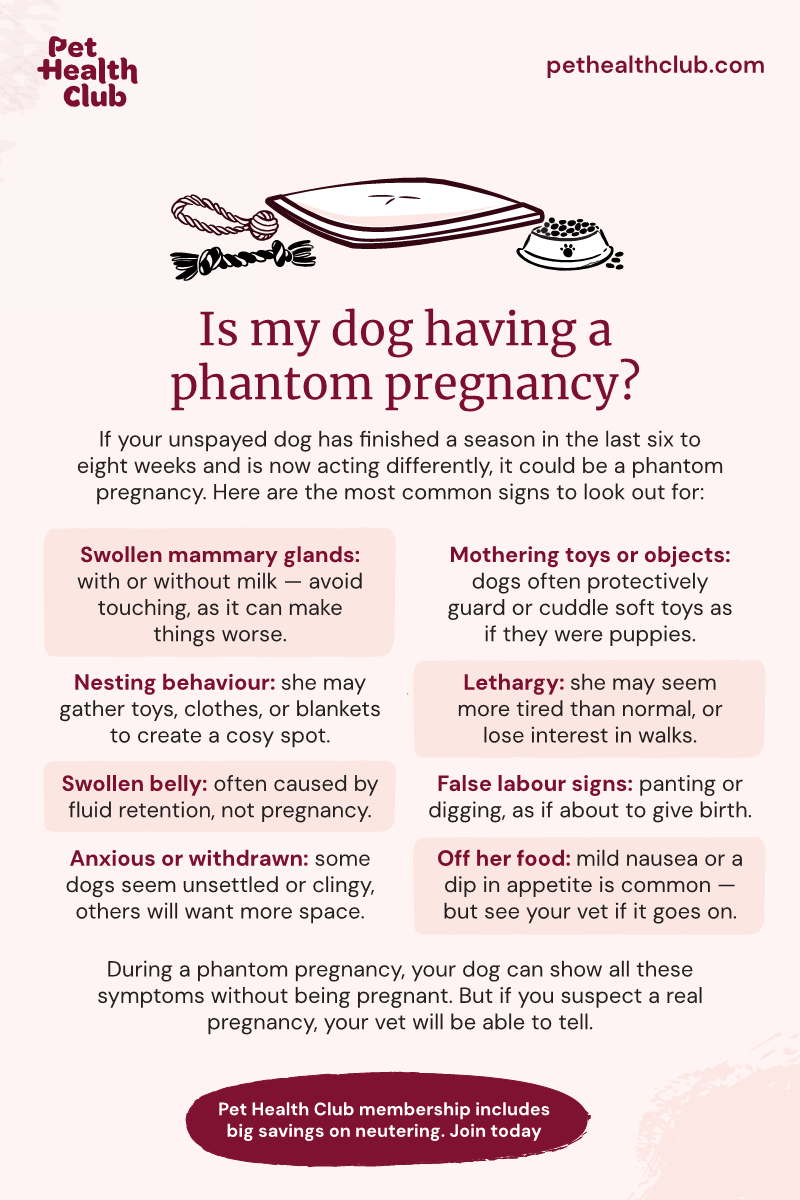
Image Source: images.ctfassets.net
What Causes a Phantom Pregnancy in Dogs?
A phantom pregnancy happens because of hormonal changes in your dog’s body. After a female dog’s heat cycle (estrus), her body prepares for puppies. This is normal. If she is not pregnant, the hormones still change.
Hormonal Shifts That Trigger False Pregnancy
After your dog finishes her heat, her body makes certain hormones. Progesterone is one. This hormone keeps the uterine lining ready for puppies. In a real pregnancy, this hormone stays high.
In a phantom pregnancy, progesterone drops too fast. This drop causes another hormone, prolactin, to rise. Prolactin is the milk-making hormone. This shift tricks the dog’s body. It acts like a real pregnancy is happening.
The Role of Mating and Heat Cycles
Phantom pregnancies often follow a heat cycle. Sometimes, mating—even if it does not result in pregnancy—can trigger this hormone mix-up. Even if the dog was spayed (had her ovaries removed) months before, a very rare form can still happen. However, it is most common in intact (unspayed) females.
The key thing to remember is the cycle timing. The entire phantom pregnancy timeline in dogs is linked to the normal timing of their reproductive cycle.
The Phantom Pregnancy Timeline in Dogs
The time a phantom pregnancy lasts can vary. However, most dogs follow a general pattern. Knowing the timeline helps owners manage the situation better.
Early Signs and Onset
Signs of a false pregnancy usually show up about four to eight weeks after the heat cycle is done. This timing matches when a real pregnancy would start to show physical signs. This symptoms of pseudocyesis in dogs timeline starts subtly.
Peak Symptoms and Duration
The symptoms usually peak around weeks three to five of the phantom pregnancy. During this time, the dog might look bigger. She might show nesting behaviors. The false pregnancy length in dogs is generally short compared to a real pregnancy (which is about 63 days).
When Does a Phantom Pregnancy End in a Dog?
Most mild cases resolve on their own. The body naturally rebalances the hormones. Canine pseudopregnancy resolution time is typically within three to six weeks from when the signs start. If signs persist beyond eight weeks, a vet visit is important.
Duration of Mammary Changes
One of the most noticeable signs is breast changes. The duration of mammary changes in dog pseudopregnancy often lasts as long as the entire phantom period. The teats might look swollen. In some cases, milk production can happen. This milk production usually stops when the hormonal surge fades.
| Stage of Pseudocyesis | Typical Timing After Heat | Key Behaviors/Changes |
|---|---|---|
| Early Onset | 4-8 Weeks Post-Estrus | Behavioral changes start. |
| Peak Symptoms | Weeks 3-5 of Pseudopregnancy | Nesting, apparent weight gain, agitation. |
| Mammary Development | Coincides with peak symptoms | Swollen teats, sometimes milk let-down. |
| Resolution | 3-6 Weeks After Symptoms Begin | Symptoms gradually disappear as hormones normalize. |
The Stages of Pseudocyesis in Dogs and Duration
Veterinarians often look at the stages of pseudocyesis in dogs and duration to track the condition. These stages mirror the later stages of a real pregnancy.
Stage 1: Behavioral Changes
This stage starts first. The dog may become very protective of toys. She might act nervous or moody. She may look for quiet, dark places to “nest.” This behavior can last the entire duration.
Stage 2: Physical Changes
This is when the physical signs become clear. The belly might swell slightly. The mammary glands enlarge. This is often the most alarming stage for owners. This physical change usually lasts until the end of the phantom pregnancy timeline in dogs.
Stage 3: Lactation (If Present)
Some dogs will actually produce milk. This is called pseudolactation. This usually happens towards the end of the phantom period. It stops as the prolactin levels drop.
Stage 4: Recovery
The body returns to normal. Appetite improves. Behavior stabilizes. The recovery time from phantom pregnancy in dogs involves watching the swelling go down and the mood stabilize.
Recognizing the Signs: Symptoms of Pseudocyesis in Dogs Timeline
Knowing what signs to look for helps you gauge how far along the phantom pregnancy is.
Behavioral Signs
These often appear first and can sometimes linger longer than physical signs.
- Nesting: Digging in bedding or excessive use of a specific area.
- Protective Instincts: Guarding toys, bones, or even inanimate objects as if they were puppies.
- Mothering: Trying to “mother” small animals or dolls.
- Appetite Changes: Some dogs eat more; others might eat less.
- Lethargy or Restlessness: Mood swings are common.
Physical Signs
These signs make owners truly believe the dog is pregnant.
- Enlarged Abdomen: The belly may appear slightly distended. This is often due to fluid retention or fat changes, not actual puppies.
- Swollen Nipples: The teats become firm and larger.
- Milk Production: Milk may be expressed by hand or leak slightly.
- Weight Gain: A slight increase in overall body weight.
If these symptoms of pseudocyesis in dogs timeline last longer than six weeks, call your veterinarian.
Management and Treatment: How Long Do False Pregnancy Symptoms Last in Dogs?
In most cases, a phantom pregnancy resolves itself without medical intervention. However, treatment focuses on managing the symptoms and preventing recurrence.
Home Care and Support
Since the pseudopregnancy duration in canines is naturally limited, simple care often works best.
- Distraction: Keep your dog busy with walks, training, and play. This reduces focus on nesting behaviors.
- Limit Suckling Stimulation: If your dog is producing milk, try to prevent her or other dogs from licking her teats. This stimulation tells the body to keep making milk. You can use an Elizabethan collar if needed.
- Cool Compresses: Applying cool, damp cloths to the mammary glands can sometimes reduce swelling and discomfort.
Veterinary Intervention
A vet will confirm that it is not a real pregnancy, usually with an X-ray or ultrasound early on, though physical exams are often enough later in the process.
If symptoms are severe, especially excessive milk production or extreme distress, medication might be suggested.
- Prolactin Inhibitors: Medications like cabergoline can be used to stop the production of prolactin, effectively ending the lactation phase and speeding up canine pseudopregnancy resolution time. These drugs must only be given under strict veterinary guidance.
It is important to know that treatment is usually reserved for severe cases. For most dogs, the false pregnancy length in dogs is short enough for the body to correct itself naturally.
When to Worry: Beyond the Standard Timeline
While a three-to-six-week timeline is normal for a phantom pregnancy timeline in dogs, there are times when further medical investigation is needed.
If your dog shows any of the following signs, see your vet right away:
- Symptoms exceeding eight weeks in severity or duration.
- Signs of infection in the mammary glands (mastitis), such as redness, heat, pain, or thick, discolored discharge.
- Severe depression or anxiety that prevents normal eating or drinking.
- Signs that look like an actual pregnancy (e.g., hard, painful mammary glands, obvious abdominal enlargement) even after the expected phantom pregnancy timeline in dogs has passed.
These situations require professional attention to ensure the recovery time from phantom pregnancy in dogs is smooth and complication-free.
Prevention for Future Cycles
The best way to manage phantom pregnancies is prevention. Since this condition is tied closely to the heat cycle hormones, spaying is the most definitive solution.
The Benefits of Spaying
Spaying (ovariohysterectomy) removes the ovaries, which produce the hormones that drive the reproductive cycle. By removing this source, you virtually eliminate the chance of future false pregnancies. This also offers health benefits, like preventing uterine infections (pyometra) and reducing the risk of mammary tumors.
For owners who choose not to spay, managing the post-heat period becomes crucial. Monitoring behaviors closely will help you track the symptoms of pseudocyesis in dogs timeline and provide supportive care until the canine pseudopregnancy resolution time is reached.
The length of the episode—the how long does a phantom pregnancy last in a dog question—is best answered by monitoring behavior. If symptoms peak and then slowly start to fade around the six-week mark, you are likely seeing a normal resolution.
Comprehending the Psychological Aspect
Phantom pregnancy is not just a physical event; it is often very real emotionally for the dog. They genuinely believe they are expecting. This is why their nesting and protective behaviors are so strong. Treating the dog with patience is key during the stages of pseudocyesis in dogs and duration.
Do not scold your dog for nesting or guarding items. This can increase stress, which might prolong negative behaviors. Focus instead on positive reinforcement when your dog engages in normal activities. Redirecting her energy helps the healing process, both mentally and physically, speeding up the recovery time from phantom pregnancy in dogs.
Final Thoughts on the Duration
To summarize, the standard pseudopregnancy duration in canines is typically three to six weeks from the onset of noticeable symptoms. While the false pregnancy length in dogs can sometimes feel longer due to the stress it causes owners, the biological process usually resolves quickly. Knowing when does a phantom pregnancy end in a dog is easier when you track the initial start date after her heat cycle. By providing comfort and, if necessary, veterinary support to regulate hormones, you ensure a swift return to normal for your cherished pet.
Frequently Asked Questions (FAQ)
Can a dog have a phantom pregnancy without ever mating?
Yes. A phantom pregnancy can occur even if the female dog was never mated. The hormonal shifts that cause pseudopregnancy are tied to the natural end of the heat cycle, not just successful breeding.
Can milk production in a phantom pregnancy last longer than the behavioral signs?
Usually, no. Mammary changes and milk production are driven by prolactin, which peaks during the middle phase of the phantom pregnancy. As the hormones normalize, both the swelling and the milk production should cease around the typical canine pseudopregnancy resolution time of six weeks.
Does the duration of mammary changes in dog pseudopregnancy change based on the dog’s size?
Generally, the overall duration is hormonal, not based on size. However, larger breeds might show slightly less obvious physical signs initially compared to very small breeds where any swelling is more noticeable. The phantom pregnancy timeline in dogs remains consistent across most breeds.
If I do not treat it, will the phantom pregnancy harm my dog?
Mild cases usually do not cause lasting harm. The main risk comes from severe, persistent milk production, which can lead to painful udder infections (mastitis). If you see signs of pain or infection, seek veterinary advice to shorten the false pregnancy length in dogs and prevent complications.
How do I know if the symptoms are due to a phantom pregnancy or a real pregnancy?
Early in the process (before 30 days), it is very hard to tell based on symptoms alone. Swollen teats and a slightly larger belly occur in both. Only a veterinary ultrasound or X-ray (performed late in gestation, usually after 45 days) can definitively confirm the presence of fetuses. If you suspect pregnancy, consult your vet for accurate assessment.