
When you see blood in your dog’s poop, it is scary. Yes, seeing blood in your dog’s stool needs attention from your vet right away. The cause can range from something minor to a serious health problem. Do not wait to call your veterinarian if you notice this change in your pet’s bathroom habits.
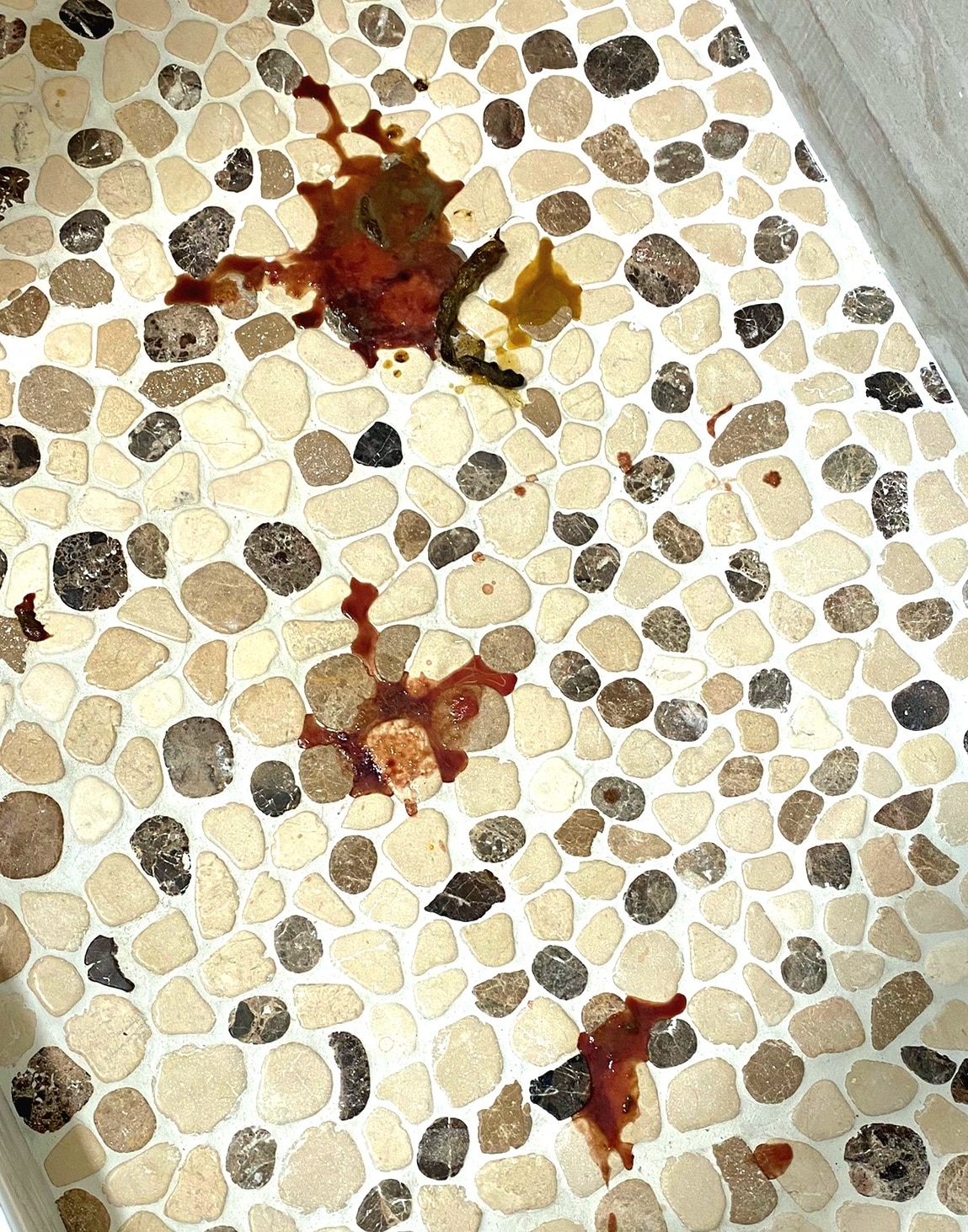
Image Source: image.petmd.com
Deciphering the Types of Blood in Dog Stool
The look of the blood tells a lot about where the problem is in your dog’s gut. We can generally group the signs into two main types: bright red blood and dark, tarry blood. Knowing the difference helps your vet quickly narrow down the source of the problem.
Bright Red Blood (Hematochezia)
When you see bright red blood dog poop, this usually means there is bleeding lower down in the digestive tract. This is called hematochezia in dogs. The blood looks fresh because it has not traveled far from the source.
What bright red blood looks like:
- Fresh red streaks mixed in with normal stool.
- Blood coating the outside of the stool.
- The dog passing pure blood, often with little or no actual feces.
- Sometimes you might notice mucus and blood in dog stool together. This often points to inflammation in the colon or rectum.
If your dog is experiencing dog passing red blood in stool, it is often linked to issues near the end of the line—the colon or rectum. Seeing watery diarrhea with blood in dog stool suggests significant irritation or inflammation in that area.
Dark, Tarry Stools (Melena)
If the blood looks black, sticky, and tar-like, this is called melena in dogs. This color happens because the blood has been digested. This tells us the bleeding is happening higher up in the stomach or small intestine.
What dark blood looks like:
- Stool that looks black and sticky, like tar.
- The stool has a very foul smell.
- The blood is mixed completely into the feces.
Melena is often more serious than bright red blood. It means acid in the stomach has started to break down the blood cells.
Common Causes of Blood in Dog Stool
There are many causes of blood in dog stool. Some are simple to fix. Others need fast, specialized care. Here we look at the most frequent reasons owners see blood.
Dietary Issues and Sudden Changes
Sometimes, what your dog eats is the main problem. A sudden switch in food can upset a dog’s sensitive stomach lining.
- Dietary Indiscretion: Dogs love to eat things they shouldn’t. If your dog raids the trash or eats spoiled food, this can cause severe irritation leading to bleeding.
- Food Allergies or Intolerances: Some dogs react poorly to proteins or additives in their food. This long-term irritation can cause chronic inflammation and bloody stools.
Infections and Parasites
Germs and tiny worms are huge culprits for dog bloody diarrhea. They attack the lining of the intestines, causing tears and bleeding.
Intestinal Parasites
These microscopic pests attach to the gut wall. They feed on blood, causing visible signs like bright red blood dog poop.
- Whipworms: These worms live in the large intestine. They often cause inflammation, which leads to bloody, mucus-filled stools.
- Hookworms: These parasites attach firmly to the intestine lining and suck blood directly. Heavy infestations can cause serious anemia.
- Coccidia and Giardia: These are single-celled organisms. They cause severe watery diarrhea, often with streaks of blood and lots of mucus.
Viral and Bacterial Infections
Strong infections can quickly damage the gut lining.
- Parvovirus: This is a highly contagious and deadly virus, especially in puppies. It attacks the gut lining, causing severe, foul-smelling, bloody diarrhea. This is an emergency.
- Bacterial Overgrowth: Bacteria like Salmonella or Clostridium can multiply too fast. This often happens when the dog’s normal gut balance is thrown off. They produce toxins that inflame the colon, leading to bleeding.
Inflammation of the Intestines (Colitis and Enteritis)
When the intestines become inflamed, they become fragile and bleed easily.
Acute Hemorrhagic Diarrhea Syndrome (AHDS)
This is one of the most dramatic causes of watery diarrhea with blood in dog stool. AHDS causes sudden, profuse, and often explosive bloody diarrhea. The cause is often unknown, but it leads to rapid fluid loss. This condition is very serious and causes dehydration fast.
Inflammatory Bowel Disease (IBD)
IBD is a chronic condition. It involves long-term swelling and irritation in the gut. Dogs with IBD often have recurring episodes of diarrhea, which might include streaks of blood or mucus.
Foreign Bodies and Trauma
If your dog eats something sharp or hard, it can scrape or puncture the digestive tract.
- Ingested Objects: Bones, sticks, plastic pieces, or shards of toys can cause scrapes as they move through. This scraping causes fresh bleeding, seen as hematochezia.
- Rectal Trauma: Sometimes, the injury is right at the exit. Straining very hard to pass stool, or passing a very hard, large stool, can cause a small tear (fissure) in the rectum, leading to dog passing red blood in stool on the outside.
Ulcers and Tumors
Bleeding higher up in the gut often points to deeper issues like ulcers or growths. This is frequently the cause when vets see melena (dark, tarry stool).
- Stomach or Intestinal Ulcers: These are sores in the lining. They can be caused by stress, certain medications (like NSAIDs not meant for dogs), or serious illness. Ulcers bleed slowly, which turns the blood dark as it moves through the system.
- Cancer: Growths (tumors) in the GI tract can bleed. This bleeding can be slow and cause dark stools over time, or it can be sudden and heavy. This is more common in older dogs.
Toxins and Medications
Some substances are toxic to a dog’s gut lining.
- Rodenticides (Rat Poison): Many types of rat poison work by stopping the blood from clotting. If a dog eats this poison, they will bleed internally from many places, showing up as bloody stool or vomiting. This is a critical emergency.
- Non-Steroidal Anti-Inflammatory Drugs (NSAIDs): If a dog accidentally ingests human pain relievers like ibuprofen or aspirin, these drugs can severely damage the stomach and cause major bleeding ulcers.
Comparing the Signs: Hematochezia vs. Melena
It is helpful to compare the two main presentations of blood loss to help communicate clearly with your vet.
| Feature | Hematochezia (Bright Red) | Melena (Dark/Tarry) |
|---|---|---|
| Color | Bright red or fresh pinkish-red. | Black, tarry, sticky, or coffee-ground like. |
| Location of Bleeding | Lower GI tract (colon, rectum). | Upper GI tract (stomach, small intestine). |
| Digestion | Blood is not digested. | Blood is partially digested by stomach acid. |
| Common Causes | Colitis, parasites, anal gland issues, straining. | Ulcers, severe gastritis, upper GI tumors, poisons. |
| Urgency | Often urgent, depending on amount. | Usually very urgent due to possible severe internal damage. |
When to Worry About Blood in Dog Stool
Knowing when to worry about blood in dog stool is vital for your pet’s safety. Not all bleeding requires an immediate emergency trip, but some situations demand urgent care.
Immediate Emergency (Go to the Vet Now)
Call your vet or an emergency clinic immediately if you see any of the following:
- Large Amounts of Blood: If your dog is passing large quantities of blood, or if they look weak, pale, or like they might pass out.
- Signs of Shock: Gums look pale or white instead of pink, breathing is fast, heart rate is high, or the dog is weak and collapsing.
- Vomiting Blood: If the dog is vomiting blood along with having dog bloody diarrhea.
- Known Toxin Ingestion: If you know your dog ate rat poison, medication, or garbage known to cause stomach upset.
- Severe Lethargy: If the dog is very tired, refuses to move, or seems weak.
Urgent Care Needed (Call the Vet Today)
Schedule an appointment today if you notice:
- Blood is present for more than one or two bowel movements.
- Your dog has persistent diarrhea, even if the blood is only slight.
- You see mucus and blood in dog stool that doesn’t clear up quickly.
- Your dog is showing signs of pain when trying to poop.
Minor Concern (Monitor Closely)
Sometimes, after a very vigorous bout of diarrhea or a slight strain, a tiny streak of blood appears. If the dog acts completely normal otherwise—eating well, drinking, playful—you can monitor it closely for a few hours. If the blood returns, call the vet.
Diagnostic Steps: How Vets Figure Out the Cause
To effectively manage treating blood in dog feces, the vet must find the source of the bleeding. This usually involves a thorough physical check and several tests.
Physical Examination and History
Your vet will start by asking many questions:
- When did you first notice the blood?
- How much blood is there?
- Is it bright red blood dog poop or dark?
- What is the stool consistency (solid, soft, liquid)?
- Has the dog eaten anything unusual recently?
- Is your dog on any medications?
The vet will also check your dog’s hydration level and check the color of the gums (a sign of blood loss). They will likely perform a digital rectal exam to check for tumors, foreign bodies, or anal gland problems causing local bleeding.
Common Diagnostic Tests
Depending on the initial findings, the vet might suggest one or more of these tests:
Blood Work
Full blood tests (Complete Blood Count or CBC) help check for infection, inflammation, and anemia (low red blood cell count due to blood loss). A chemistry panel checks organ function, especially if poisoning is suspected.
Fecal Tests
These tests are essential to check for common causes of blood in dog stool, such as hookworms, whipworms, Giardia, and Coccidia.
Imaging (X-rays or Ultrasound)
X-rays can spot large foreign objects or signs of masses. An ultrasound gives a much better view of the intestinal wall thickness, looking for tumors, severe inflammation, or foreign bodies hidden in the soft tissues.
Endoscopy
For persistent issues or suspected upper GI bleeding (melena), the vet might suggest an endoscopy. This procedure uses a small camera inserted into the esophagus or stomach to look directly at the lining. A biopsy (small tissue sample) can be taken during this time.
Treating Blood in Dog Feces: Options and Management
Treating blood in dog feces depends entirely on what is causing it. Treatment plans range from simple dietary changes to intensive hospitalization.
Treatment for Mild Cases (Dietary Upset or Minor Irritation)
If the bleeding is mild and caused by simple irritation, treatment often starts at home:
- Fast Temporary Diet Change: Switching to a bland, easily digestible diet for a few days helps the gut rest. This often means boiled, plain white rice mixed with boiled, skinless, boneless chicken or lean ground beef.
- Probiotics: Adding supplements can help restore healthy gut flora, especially after antibiotic use or severe dog bloody diarrhea.
- Observation: Many mild cases clear up within 24 to 48 hours with rest and bland food.
Medical Treatment for Infections and Inflammation
If tests confirm parasites or bacteria, specific medications are required:
- Dewormers: Specific drugs will target hookworms, whipworms, or protozoa like Giardia.
- Antibiotics: These are used if a bacterial infection is confirmed or strongly suspected, particularly in cases of severe colitis or Parvo.
- Anti-Inflammatories/Steroids: For chronic conditions like IBD, medications are used to calm the immune system’s overreaction and reduce gut swelling.
Emergency and Supportive Care
For severe cases like AHDS, poisoning, or major trauma causing melena in dogs, intensive care is necessary:
- Intravenous (IV) Fluids: This is crucial to replace fluids lost from severe diarrhea or vomiting and to stabilize the dog’s blood pressure.
- Blood Transfusions: If significant blood loss has occurred, a transfusion might be needed to correct severe anemia.
- Medications to Protect the Stomach: Drugs called gastroprotectants (like sucralfate or proton pump inhibitors) are used to coat and heal ulcers if the bleeding is coming from the stomach or upper intestine.
- Surgery: If a foreign body is stuck, or if a tumor needs removal, emergency surgery will be required.
Preventing Future Incidents of Blood in Stool
While you cannot prevent every illness, you can reduce the risk factors that commonly lead to blood in your dog’s waste.
Strict Dietary Control
The number one way to prevent simple gut upset is to control what goes in the mouth.
- Keep trash cans securely closed.
- Do not allow dogs to scavenge on walks.
- Introduce any new food slowly over 7 to 10 days to let the gut adjust.
Regular Parasite Prevention
Keep your dog current on all vet-recommended parasite preventatives. These medications are highly effective at killing common intestinal worms that cause bleeding.
Careful Medication Use
Never give your dog human medications unless specifically directed by your veterinarian. Many common pain relievers are highly toxic to a dog’s GI tract and can cause severe ulcers leading to melena.
Stress Management
Stress can trigger flare-ups in dogs prone to colitis or IBD. Ensure your dog has a stable, calm routine and a safe environment.
Frequently Asked Questions (FAQ)
Q1: Can stress cause my dog to have blood in his stool?
A: Yes, stress can trigger or worsen inflammation in the large intestine, leading to colitis. This inflammation often results in mucus and blood in dog stool, sometimes called stress colitis.
Q2: Is it okay if my dog passes only a little bit of blood once?
A: A very small streak of blood after straining hard to pass a large or hard stool might be a minor anal gland issue or a small tear. However, if it happens more than once, or if your dog seems uncomfortable, you should call your vet to rule out deeper causes of blood in dog stool.
Q3: My puppy has severe watery diarrhea with blood in dog stool. Should I wait?
A: No. Puppies dehydrate very quickly. Severe bloody diarrhea in a young dog is always a medical emergency, most commonly due to Parvovirus or severe parasitic infection. Seek emergency care immediately.
Q4: Can dog food cause bright red blood?
A: Yes. If a dog has an allergy or intolerance to an ingredient in their current food, the resulting chronic inflammation in the colon can cause the lining to bleed, resulting in bright red blood dog poop.
Q5: How long does it take to treat dog bloody diarrhea?
A: Treatment time varies widely. A simple dietary indiscretion might clear up in two days. However, treating conditions like IBD or chronic parasites can take several weeks or longer, requiring ongoing medication and diet management.