
Yes, you can absolutely become a protection dog trainer, but it takes serious dedication, lots of practical experience, and often formal education. This path demands more than just loving dogs; it requires deep knowledge of dog behavior, specific training techniques, and a commitment to safety. Being a professional dog trainer, especially in this niche, means constantly learning and mastering complex skills.
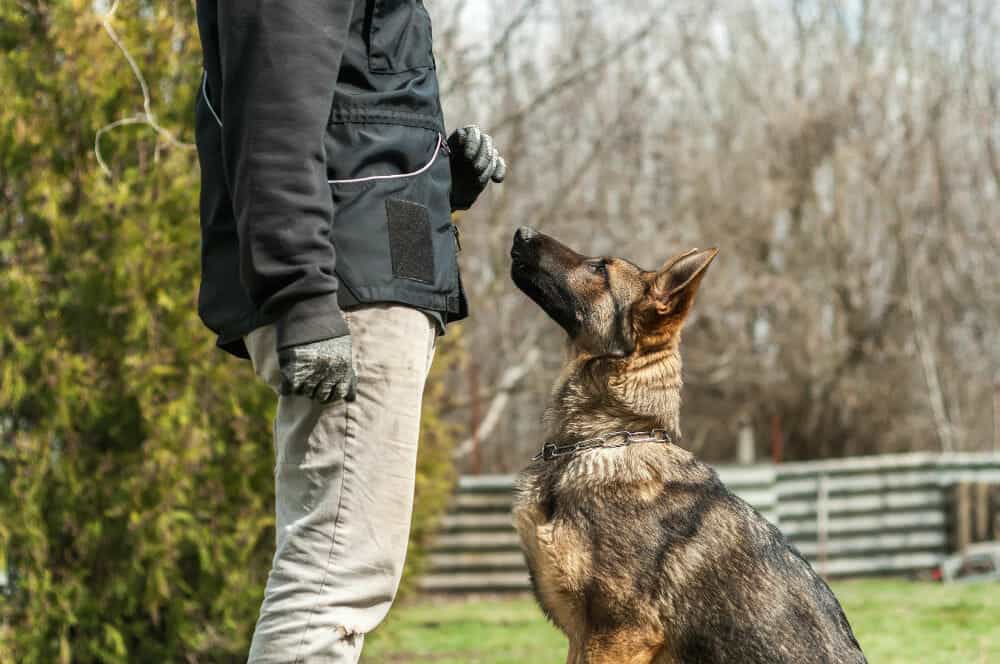
Image Source: scottsk9.com
Laying the Groundwork: Initial Steps and Mindset
Becoming a professional dog trainer requires a strong foundation. For protection work, this foundation must be rock solid. You need to start thinking like a serious professional handler right away.
Essential Pre-requisites for Aspiring Trainers
Before you even think about specialized protection training, you need basic dog skills. Many people find that initial professional dog trainer education provides the necessary starting point.
- Dog Handling Experience: Spend significant time working with various breeds and temperaments. Volunteer at shelters or local obedience clubs.
- Behavioral Science Basics: Learn how dogs learn. Focus on motivation, reinforcement schedules, and classical conditioning.
- Physical and Mental Stamina: This work is physically taxing. You will handle large, strong dogs under stressful conditions.
Deciphering the Different Roles in Dog Training
The term “trainer” covers many areas. It is crucial to know where protection work fits in.
| Training Field | Primary Focus | Required Skills |
|---|---|---|
| Basic Obedience | Manners, simple commands | Clear communication, consistency |
| Sport Dog Training | Agility, scent work, competition | High drive motivation, technical precision |
| Personal Protection Dog Training | Family defense, public safety | Risk assessment, controlled aggression |
| Police Dog Handler Training | Law enforcement support, patrol work | Strict adherence to protocol, legal knowledge |
Formal Education and Practical Skill Building
While there isn’t always one single license required, serious trainers seek out specific credentials and intensive schooling. This ensures credibility and safety when doing dog bite work training.
Seeking Professional Dog Trainer Education
Look for programs that offer comprehensive canine behavior courses. Some schools focus on general training, while others specialize.
- Accredited Programs: Attend reputable canine training schools. These schools teach you timing, leash skills, and canine psychology.
- Workshops and Seminars: Attend ongoing training events focused on advanced obedience and behavior modification.
Mastering Advanced Obedience for Protection Dogs
Protection work cannot happen without perfect control. This is where advanced obedience for protection dogs becomes vital. A dog must respond instantly, regardless of distraction.
- Proofing Behaviors: Practice commands in high-stimulus environments. Think busy parks, loud noises, or around other animals.
- Recall Under Pressure: The dog must return to the handler immediately, even if engaged in an activity. This is a non-negotiable skill.
- Distance Control: The dog needs to hold positions (sit, down, stay) from far away, sometimes out of sight.
The Crucial Role of Sport Dog Training Methods
Many successful protection trainers start in competition sports. Sport dog training methods teach precision and drive building, which transfers directly to protection work.
- Drive Building: Learn how to motivate the dog using toys or food rewards. Protection is highly driven work.
- Technical Execution: Sports teach handlers to ask for precise actions quickly. This timing is critical in real-world scenarios.
- Decoy Training for Dog Sports: Even if you do not plan to decoy professionally, taking a decoy course helps you grasp how the helper (decoy) should act to elicit the right response from the dog.
Stepping into Protection Work: The Specifics
This is the core of the career. Protection training is specialized and carries significant responsibility. You must select the right dog and teach precise, controlled aggression.
Selecting a Protection Dog Breed
Not all dogs are suited for this demanding job. Selecting a protection dog breed involves looking beyond mere size. Temperament and drive are key factors.
Commonly used breeds include:
- German Shepherds: Versatile, intelligent, and driven.
- Belgian Malinois: High-energy, intense focus, often used in police/military roles.
- Rottweilers: Strong grip, excellent nerves, steady temperament.
- Doberman Pinschers: Athletic and loyal, though temperament varies widely.
A good protection prospect shows high nerve strength—they do not shy away from unusual sights or sounds.
Immersing in Dog Bite Work Training
Dog bite work training involves teaching the dog to engage a padded helper on command and, more importantly, to release on command. Safety is paramount here.
Stages of Bite Work Development
- Prey Drive Introduction: Introducing the sleeve or suit as a high-value target using play and drive building.
- Building Grip Strength: Ensuring the dog develops a full, confident grip on the target material.
- Command Association: Linking the “out” or “release” command directly to stopping the bite immediately. This must be instant.
- Scenario Application: Practicing bites in various controlled scenarios to ensure reliability.
It is vital that handlers and trainers constantly monitor the dog’s emotional state. You want a dog that performs work, not a dog that is constantly aggressive.
Decoy Training and Helper Skills
A protection dog is only as good as the person training it—both the handler and the decoy. Decoy training for dog sports principles are adapted heavily here.
The decoy’s job is to:
- Simulate a threat safely.
- Present the target correctly for the dog to engage.
- Test the dog’s nerve and obedience under pressure.
- Ensure the dog is never allowed to bite the wrong target or bite inappropriately.
Decoys must wear protective gear and maintain control over the situation at all times. Poor decoy work can ruin a dog’s career or cause handler injury.
Certification and Legal Compliance
To work professionally, you need proof of competence. This is where protection dog training certification becomes essential.
What is Protection Dog Training Certification?
This certification proves you can safely and effectively train a dog to perform protective tasks according to specific, high standards. These standards often test the dog’s obedience, agitation response, aggression control, and handler control.
Key Areas Tested in Certification:
- Handler protection skills (how the handler performs).
- Dog’s response to gunfire or environmental stress.
- The reliability of the “out” or release command.
- The dog’s temperament outside of protection scenarios.
Seek out well-respected organizations, often those tied to competitive sport circuits (like IPO/IGP) or established private protection associations.
The Path to Becoming a K9 Trainer
If your goal leans toward working with law enforcement or military, the path shifts toward becoming a K9 trainer for official agencies. This is a highly competitive field.
- Law Enforcement Experience (Often Required): Many agencies prefer trainers who have previously worked as police officers or military personnel.
- Specific Certifications: You will need to meet government or military standards, which are usually stricter than civilian standards.
- Understanding Legal Frameworks: You must fully grasp the laws regarding the use of force and canine apprehension in your jurisdiction.
Managing a Protection Dog Training Business
If you are aiming for personal protection dog training as a business, you need more than just dog skills. You need business acumen.
Liability and Insurance
Protection dogs carry high liability. A mistake can lead to severe injury or death.
- Specialized Insurance: You must carry robust liability insurance that specifically covers protection dog training and handling. Standard pet trainer insurance will not suffice.
- Waivers and Contracts: Use detailed legal contracts that clearly outline risks, training methods, and responsibilities for both the trainer and the client.
Client Selection and Screening
Not everyone who wants a protection dog is a suitable owner. Responsible trainers screen their clients rigorously.
Client Vetting Checklist:
- Does the client have the physical ability to handle a strong dog?
- Does the client have a secure property environment?
- Is the client emotionally stable and capable of following strict training commands?
- Does the client truly need the protection or are they seeking status?
A professional trainer prioritizes public safety over making a quick sale.
The Reality of the Work Environment
Protection dog training requires immersion in the lifestyle, not just occasional weekend sessions.
Continuous Learning in Dog Decoy Work
Even expert trainers continue to refine their decoy skills. Learning how to manage a highly aroused dog safely is a constant process. Effective training requires the decoy to communicate with the dog non-verbally. This is a subtle art perfected only through constant practice and feedback.
Training Equipment Needs
The necessary gear for protection work is specialized and expensive.
- Protective Sleeves and Suits: Required for bite work. Quality gear prevents injury to the helper.
- High-Value Rewards: Specific toys or food items used only for high-drive training.
- Control Equipment: Heavy-duty leashes, specialized collars (like prong or chain collars, used correctly), and transmitters for remote training aids if applicable.
FAQ Section
How long does it take to become a protection dog trainer?
It typically takes 3 to 5 years of dedicated apprenticeship and intensive coursework before you are qualified to train protection dogs independently. This includes foundational obedience training time.
Do I need a college degree to be a protection dog trainer?
No degree is strictly required, but many successful trainers have degrees in animal science, behavior, or related fields. Experience matters more than a specific degree.
Is protection dog training dangerous?
Yes, it carries inherent risks. Both the trainer and the decoy are at risk of bites or injury if procedures are not followed perfectly. Safety protocols are the most important part of the job.
What is the starting salary for a protection dog trainer?
Salaries vary widely based on location, clientele (personal vs. police K9), and level of certification. Experienced trainers running established businesses can earn six figures, but beginners often start much lower, sometimes earning only stipends during apprenticeships.
Should I focus on sport or personal protection first?
Focus on sport dog training methods and advanced obedience first. Sports provide a structured, controlled way to test drives and obedience. This skill set is the foundation for safe personal protection work later.