
Yes, you absolutely must secure your dog in the cargo area of your SUV for safety. Loose pets in a vehicle pose a huge risk to themselves and human passengers during sudden stops or accidents. Securing pets in car cargo is not optional; it is a vital part of SUV dog travel safety.
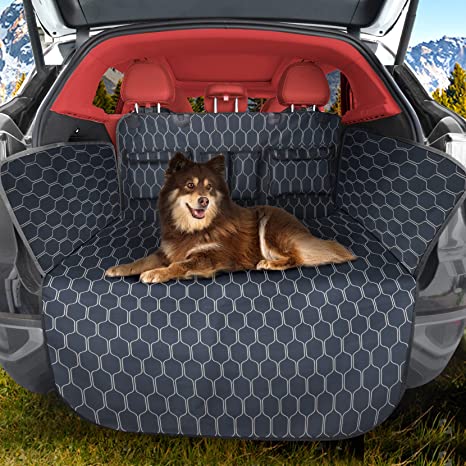
Image Source: www.xmpow.com
Why Securing Your Dog in the Cargo Area Matters
Many people think the open cargo area of an SUV is safe just because it is in the back. This is a myth. In a crash, an unrestrained dog becomes a dangerous projectile. Even at low speeds, the force can cause serious harm. We need to focus on vehicle safety for traveling dogs.
The Physics of the Danger
When a car stops fast, everything inside keeps moving forward. This is inertia.
- A 10-pound dog can weigh 270 pounds during a 30 mph crash.
- A 60-pound dog can weigh over 2,700 pounds.
This huge weight will injure the dog badly. It can also crash into back seats or the driver, risking human lives. Proper dog crate placement in SUV helps stop this.
Legal Aspects of Pet Travel
Some states have laws about securing pets in car cargo. While specific laws vary, many police officers can issue tickets if a loose pet distracts the driver or causes an accident. Check your local rules before you travel.
Choosing the Right Securing Method
There are three main ways to keep your dog safe in the back of an SUV. Each has pros and cons. Choosing the best dog restraints for SUV depends on your dog’s size and your SUV’s layout.
Option 1: Hard-Sided or Wire Crates
Crates offer the best protection overall. They create a safe, contained space.
Selecting the Perfect Crate Size
The crate must be the right size. Your dog should be able to stand up, turn around easily, and lie down comfortably. If the crate is too big, the dog can still be thrown around inside during a crash.
- Too Big: Dog moves too much inside.
- Too Small: Dog cannot be comfortable or move naturally.
Securing the Crate Firmly
A loose crate is just as dangerous as a loose dog. You must anchor it down. Look for ways to tie it to the cargo tie-downs or seat anchors already in your SUV.
- Use strong, non-stretching tie-down straps.
- Ensure the crate does not slide side-to-side or front-to-back.
- This is key for keeping dog secure in back of SUV.
Option 2: Cargo Barriers and Nets
These methods create a barrier between the cargo area and the passenger seats. They are great for keeping big dogs in the back, but they offer less crash protection than a secured crate.
SUV Dog Barrier Installation
Installing a strong barrier is crucial for preventing dog escape from SUV cargo.
- Telescoping Barriers: These adjust to fit the space between the floor and the roof. Make sure the lock mechanisms are sturdy.
- Pressure-Mounted vs. Fixed Barriers: Fixed barriers, bolted into the car structure (if possible), are safer. Pressure-mounted ones can sometimes shift in a hard impact.
- Check for Gaps: Small dogs can squeeze through gaps. Use a barrier mesh if your dog is small or flexible.
This method works best when combined with other restraints for the dog itself.
Option 3: Safety Harnesses and Seat Belts
Harnesses tether the dog directly to the vehicle’s seat belt system. This works best when the dog rides on a back seat, but some systems work for the cargo area.
Safety Harness for Dog in SUV (Cargo Use)
If you use a harness in the cargo area, you must anchor the tether point securely.
- Do not attach the tether to a loose cargo net.
- Anchor it directly to a cargo tie-down point using a short, sturdy tether strap.
- The tether should be just long enough to allow the dog to sit or lie down normally, but not long enough for them to jump into the main cabin.
Note: Always use a harness specifically crash-tested for SUV dog travel safety. Regular walking harnesses are not strong enough for a crash.
Deciphering SUV Configurations for Pet Safety
Not all SUVs are the same. The shape of your cargo area impacts how you secure your dog.
Crossover vs. Full-Size SUV Cargo
Crossovers often have sloping rear windows. This limits vertical space. Full-size SUVs often have nearly vertical cargo doors, offering more headroom for taller crates.
| SUV Type | Cargo Space Characteristics | Best Securing Method |
|---|---|---|
| Crossover (Smaller) | Less vertical space, sloped glass. | Lower profile crates, or safety harness anchored to floor loops. |
| Full-Size SUV (Larger) | More vertical height, flatter sides. | Tall, crash-tested crates are ideal. |
| Third Row Up | Limited space, less impact zone behind dog. | Harnesses or small, tightly secured carriers. |
| Third Row Down | Maximum space, large open area. | Large, heavily anchored crates are highly recommended. |
Using Cargo Organization Systems
Some SUV dog travel accessories include built-in cargo liners or storage units. These can sometimes provide extra anchor points, but always test them for strength before relying on them for securing your dog. Never secure a crate only to a plastic storage bin.
Installation Tips for Maximum Security
Proper setup is the difference between safe travel and a serious incident.
How to Attach Straps Securely
If you are using a crate, you need to use the existing anchor points in your vehicle. Most SUVs have four metal loops in the floor of the cargo area. These are meant for securing cargo—they can secure a crate.
- Locate Tie-Down Points: Find the metal loops or hooks in the floor or sides of the cargo bay.
- Use Appropriate Hardware: Use heavy-duty ratchet straps or carabiners designed for weight, not flimsy bungee cords.
- Check Tension: Pull on the crate hard from all angles. It should not move more than an inch or two. This is vital for keeping dog secure in back of SUV.
Ventilation and Temperature Control
Security isn’t just about physical restraint; it’s about environmental safety too.
- Ensure the crate or area has good airflow. If you have a solid barrier, make sure air vents reach the cargo space.
- Never leave your dog in a parked car, even for a minute. Temperatures rise fast. This is a part of SUV dog travel safety.
Selecting the Right Equipment for SUV Dog Travel
Investing in quality equipment prevents many headaches and accidents. This falls under SUV dog travel accessories.
Crash-Tested Crates vs. Regular Crates
Many inexpensive plastic or wire crates are fine for home use, but they are not designed to withstand crash forces.
- Look for Certification: Seek crates that meet specific safety standards (often demonstrated through crash test videos by the manufacturer).
- Material Matters: Heavy-duty aluminum crates often offer superior strength compared to standard plastic.
Harnesses: The Importance of Fit
If you opt for a harness system, fit is paramount.
- Chest/Girth Strap: Must fit snugly. If it’s too loose, the dog can slip out or the harness might break in a crash.
- No Neck Tethers: Never attach a restraint to your dog’s collar. If the dog pulls, it can cause severe neck or spine injury. Use a harness only.
Safety Harness for Dog in SUV Tether Length
The tether length is critical for securing pets in car cargo. Too long, and the dog is thrown forward; too short, and they cannot sit or lie down comfortably. Aim for the minimum length needed for natural resting positions.
Troubleshooting Common Cargo Security Issues
Even with the best gear, problems can pop up. Here is how to address them.
Noise and Shifting Cargo
If your crate rattles or shifts, it might distract you or wear down the straps.
- Use Padding: Place thick rubber mats or old blankets underneath the crate. This dampens noise and increases friction, helping prevent sliding.
- Check Fasteners Often: Road vibration loosens straps. Stop every hour or two on long trips to check the tightness of your SUV dog barrier installation and crate anchors.
Managing Multiple Dogs
Securing multiple dogs in the cargo area requires more planning.
- Separate Crates: The safest method is one securely anchored crate per dog. This prevents fighting and keeps them contained during impact.
- Dividers: If using a very large crate, use a metal divider to keep dogs separated.
Preventing Dogs from Chewing Restraints
Some dogs try to chew through straps or the crate itself.
- Distraction: Provide chew-safe toys (like frozen Kongs) just before you start driving.
- Material Choice: Metal crates are harder to chew through than plastic crates or fabric barriers.
Integrating Cargo Area Setup with Overall SUV Dog Travel
A safe cargo setup is just one part of a good trip.
Temperature Management in the Cargo Area
Modern SUVs often have vents pointing toward the rear seats, but the cargo area can get hot or cold quickly, especially if the trunk cover is solid.
- Use a Portable Fan: Attach a small, battery-operated clip fan to the crate bars or barrier mesh to provide direct airflow.
- Check Temperatures: Use an inexpensive wireless thermometer in the cargo area so you can monitor conditions easily from the front seat.
Access for Emergency Situations
If you need to reach your dog quickly, consider how easy access is.
- Quick-Release Hooks: Use hardware that allows you to unlatch a tether or door quickly from the front seats if needed (though reaching back is usually required).
- Clear Pathways: Do not stack luggage right against the barrier or crate unless you are certain the barrier is robust enough to withstand a load pushing against it.
Final Checks Before Hitting the Road
Before every trip, run this quick checklist focused on SUV dog travel safety:
| Checkpoint | Action Required | Importance |
|---|---|---|
| Crate/Barrier Stability | Shake firmly from all directions. | High |
| Tie-Down Strap Tension | Retighten all ratchet straps or carabiner hooks. | High |
| Dog Comfort | Ensure dog has water access (if needed) and can move slightly. | Medium |
| Airflow | Confirm vents are clear and circulation is adequate. | High |
| Exit Strategy | Know exactly how to open the back door or release the latch quickly. | Medium |
Frequently Asked Questions About Securing Dogs in SUVs
Q: Can I just use a cargo hammock to keep my dog contained?
A cargo hammock only prevents your dog from jumping into the passenger seats. It does nothing to restrain them during a crash. It does not count as proper securing pets in car cargo for crash protection. It should only be used alongside a crate or a secured harness system.
Q: Is it better to have the dog facing forward or backward in the cargo area?
If using a crate, the orientation usually doesn’t matter as much as how securely it is anchored. However, if using a specialized harness system, facing forward (toward the rear of the car) is generally preferred as it aligns with the vehicle’s seat belt geometry. Always follow the manufacturer’s instructions for dog crate placement in SUV.
Q: What if my dog gets anxious in a crate in the back?
Anxiety often stems from separation or confinement. Introduce the crate slowly at home first, making it a positive space. For travel, introduce SUV dog travel accessories like familiar bedding. If anxiety persists, consult your vet about calming aids or travel vests before your next trip involving vehicle safety for traveling dogs.
Q: How often should I stop on a long drive to check my dog?
For long drives, stop every two to three hours. This lets the dog stretch, relieve itself, and allows you to check the security of your barrier or crate. A quick check on the security of your best dog restraints for SUV is always wise.
Q: Are those soft-sided travel crates safe for car travel?
Soft-sided crates offer minimal crash protection. They are usually only appropriate for very small dogs that can be fully secured via a harness to the seat belt loop, or used as an occasional temporary carrier where a sturdy barrier is already in place to stop forward momentum. For routine travel, a hard-sided, crash-tested crate is strongly recommended for keeping dog secure in back of SUV.