
Can I treat a dog broken leg or sprain at home? No, you should not try to treat a dog broken leg or sprain yourself at home. Always seek professional veterinary care immediately if you suspect a serious dog leg injury vet attention is needed. Minor sprains might seem manageable, but even slight dog limping after injury needs a vet’s check to rule out a fracture.
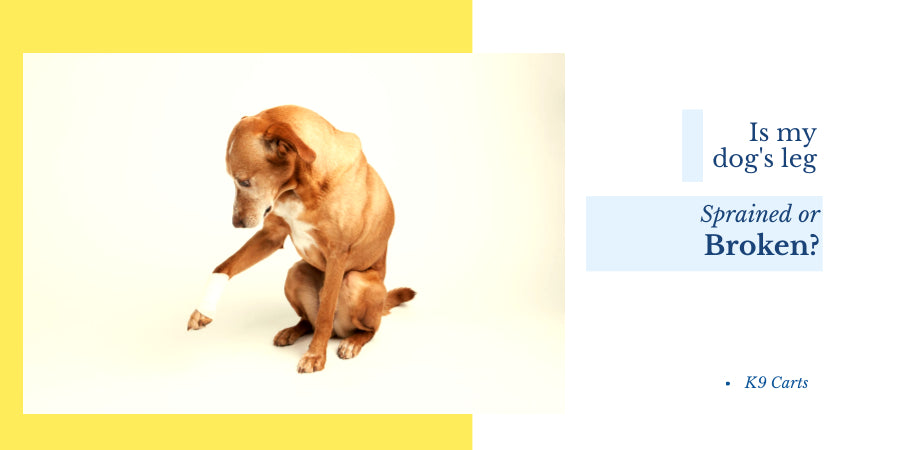
Image Source: k9carts.com
Spotting the Difference: Fracture Versus Sprain in Dogs
When your dog suddenly starts dog limping after injury, it is scary. You need to quickly figure out if it is a simple sprain or a more serious break. Differentiating between a dog broken bone vs sprain is crucial for fast, correct action. A sprain involves stretched or torn ligaments. A fracture means the bone itself is broken. Both cause pain and lameness, but treatment differs greatly.
Immediate Steps When Your Dog Shows Lameness
If you notice your dog has a dog sudden limp, stay calm. Your reaction matters a lot to your pet.
- Stop Activity: Immediately stop all playing or running. Keep your dog quiet.
- Gentle Check: Look closely at the injured leg if your dog allows it without severe reaction. Do not force this.
- Keep Safe: Restrict your dog’s movement. Use a crate or a small, safe room.
Fathoming the Signs of a Serious Break
Identifying signs of broken dog leg requires close observation. Breaks are often more severe than sprains.
Severe Physical Indicators
A true fracture usually shows very obvious signs of trauma.
- Abnormal Angle: The leg might hang at a strange angle. It looks twisted or bent where it shouldn’t be.
- Bone Protrusion: You might see bone sticking through the skin. This is an open fracture and an emergency.
- Grating Sound: If the dog moves, you might hear a grinding or crunching sound. This is the sound of bone ends rubbing.
- Inability to Bear Weight: The dog will refuse to put any weight on the leg at all. They might try to hop or drag the limb.
Swelling and Pain Levels
Dog leg swelling and pain are present in both injuries, but the intensity differs.
- Intense Pain: Pain from a fracture is usually sharp and constant. Your dog may cry out loudly if the area is touched.
- Rapid Swelling: Swelling often appears very quickly after a break. The area may look puffy right away.
Interpreting Canine Leg Sprain Symptoms
A canine leg sprain symptoms presentation is often slightly less dramatic than a full break. Sprains happen when ligaments stretch too far around a joint, like an ankle or knee.
- Mild to Moderate Limping: The dog might still put a little weight on the leg. They may limp more after rest or after exercise.
- Limping After Injury: The dog limping after injury may start slightly later or gradually get worse, rather than being instant, severe immobility.
- Localized Tenderness: Pain is usually focused around a joint rather than along the entire bone shaft.
- Slight Swelling: Swelling may be milder or develop slower than with a break.
| Feature | Suspected Broken Leg | Suspected Sprain |
|---|---|---|
| Weight Bearing | None; leg dangling or held up | Partial weight possible; limping severe |
| Limb Appearance | Obvious deformity, visible bone | Swelling around a joint |
| Sound/Feeling | Grinding or popping heard | Usually no abnormal sounds |
| Pain Level | Extreme; vocalizing upon slight touch | Moderate to severe pain localized |
| Onset | Often immediate and severe | Can start mild and worsen, or severe |
Assessing Dog Leg Trauma: What Vets Look For
When you bring your dog in for a dog leg injury vet visit, the veterinarian follows a clear process for assessing dog leg trauma. They start with non-invasive checks before moving to imaging.
The Initial Physical Examination
The vet will need to gently examine the injured limb. They check for heat, swelling, and obvious pain responses.
- Observation from a Distance: The vet watches how the dog stands and walks, even slightly.
- Palpation: The vet carefully feels the leg, starting far from the injury and moving closer. They are checking for instability in joints and hard spots that suggest bone issues.
- Range of Motion (ROM): The vet might gently move the joints to see how far they bend. Extreme resistance suggests a severe break or dislocation.
Deciphering Radiographs (X-rays)
X-rays are the gold standard for telling dog broken bone vs sprain. Ligaments do not show up clearly on standard X-rays, but bones do.
- Fracture Confirmation: X-rays clearly show breaks, cracks, or displacement of bone fragments. They also help the vet plan the surgery or setting of the bone.
- Joint Assessment: While soft tissues are blurry, X-rays can show if the trauma has damaged the joint structure severely, which might mimic severe sprain symptoms.
Advanced Imaging for Soft Tissue Damage
If X-rays look normal but the dog is still in severe pain, the vet might suspect deep soft tissue damage—a severe sprain or ligament tear (like a torn ACL).
- Ultrasound: This can sometimes visualize torn ligaments or fluid buildup around joints.
- MRI/CT Scans: These are used in complex cases where precise detail of soft tissues or complex joint injuries is required, though they are less common due to cost.
Treatment Pathways: From Sprain to Fracture Care
The treatment path is entirely dependent on the diagnosis. Dog favoring leg treatment for a sprain is vastly different from treating a break.
Treating a Mild to Moderate Canine Leg Sprain
If the vet confirms a sprain, the treatment focuses on rest and pain control. This is the basis of dog favoring leg treatment for soft tissue injury.
Rest and Restriction
This is the most important part of sprain recovery.
- Strict Leash Walks: Only short, slow walks for bathroom breaks. No running, jumping, or stairs for several weeks.
- Confinement: Keeping the dog in a crate or small, safe area prevents re-injury while healing.
Medication and Support
The vet will prescribe medication to manage discomfort and inflammation.
- NSAIDs: Non-Steroidal Anti-Inflammatory Drugs help reduce swelling and pain.
- Supportive Bandaging: Sometimes a light bandage or supportive wrap is used briefly to remind the dog to rest the leg.
Recovery from a mild sprain usually takes 2 to 6 weeks of careful management.
Managing a Dog Broken Leg
A broken bone requires immediate, specialized care. If you see signs of broken dog leg, you are likely looking at weeks or months of intensive care.
Emergency Stabilization
Before any long-term plan, the leg must be stabilized. This often involves setting the bone as close to correct as possible and applying a temporary splint or heavy bandage. This is necessary to reduce pain and prevent further damage during transport.
Definitive Repair Options
The goal is to realign the bone fragments perfectly so they heal straight and strong.
- Casting or Splinting: Used for simple, non-displaced fractures, often in young dogs or very clean breaks below the knee or elbow.
- Surgical Fixation: Most fractures require surgery. This involves using metal implants to hold the bone pieces together.
- Pins and Wires: Used inside the bone.
- Plates and Screws: A metal plate is screwed onto the outside of the bone to stabilize it.
- External Fixators: Pins go through the skin into the bone and connect to bars outside the leg, stabilizing the fracture externally.
Surgery is critical for proper alignment, especially for weight-bearing bones.
Knowing When to Seek Emergency Care
Not all injuries can wait for a regular appointment. Knowing when to take dog to ER for leg injury can save your pet significant pain and long-term damage.
Criteria for Immediate Emergency Vet Visit
If you see any of these signs, go straight to the nearest emergency animal hospital:
- Uncontrolled Bleeding: If the wound is bleeding heavily and will not stop with direct pressure.
- Bone Exposed: Any open fracture where bone is visible outside the skin. This carries a high risk of deep infection.
- Shock Signs: Pale gums, rapid or shallow breathing, weakness, or collapse accompanying the leg injury.
- Extreme, Unmanageable Pain: If your dog is inconsolably crying, shaking, or biting when you approach the leg, even after initial quiet confinement.
- Paralysis: If the leg is completely limp and unresponsive, suggesting nerve damage or severe joint separation.
If your dog has a dog sudden limp following a major trauma, like being hit by a car or falling from a height, treat it as an emergency, even if the leg looks okay. Internal injuries are possible.
Safely Transporting an Injured Dog
Moving an injured dog incorrectly can turn a simple fracture into a compound fracture.
- Muzzle If Necessary: Even the sweetest dog may bite out of fear and pain. Muzzle your dog before attempting to lift them if you are unsure of their reaction.
- Use a Stretcher or Board: For suspected breaks, try to keep the dog as still as possible. Use a rigid surface like a piece of plywood, a thick blanket folded thickly, or a pet stretcher. Slide the dog onto the surface rather than lifting them bodily.
- Support the Limb: If possible, gently support the injured leg in the position you found it. Do not try to straighten it.
Aftercare: Recovery at Home
Recovery involves strict adherence to the vet’s plan, whether it is for dog favoring leg treatment after a sprain or managing post-operative care for a fracture.
Recovery from Sprains
Recovery focuses on controlled activity and monitoring.
- Follow-up Checks: Return to the vet for checks on pain levels and mobility as directed.
- Physical Therapy (PT): For more severe sprains, the vet might recommend passive range-of-motion exercises or underwater treadmill work once the initial pain subsides. This helps prevent stiffness in the joint.
- Watch for Worsening: If the limp gets worse after a week of rest, call the vet. The initial diagnosis might have missed a small crack.
Managing Post-Surgical Fracture Recovery
Fracture recovery is long and requires dedication.
- Incision Care: Keep the surgical site clean and dry. Watch for excessive redness, swelling, discharge, or foul odor, which signal infection.
- Medication Schedule: Give all pain medications and antibiotics exactly as prescribed. Do not stop pain meds early just because the dog seems better.
- Crate Rest: This is usually required for 6 to 12 weeks, depending on the bone and the dog’s age. The dog’s entire world must shrink to a crate or pen.
- Follow-up X-rays: The vet will take X-rays at intervals (usually 4, 8, and 12 weeks) to confirm the bone is healing properly. Do not resume activity until the vet gives the official all-clear based on these images.
Recognizing and Dealing with Complications
Sometimes, even with the best care, issues arise.
- Non-Union: The bone fails to heal. This often requires another surgery.
- Infection: Especially common with open fractures or implant failure. This requires aggressive antibiotic treatment.
- Premature Activity: If the dog jumps or runs too soon, they can break the healing bone or damage surgical repair. Owners must be vigilant in preventing this.
Common Causes of Leg Injuries in Dogs
Why did this happen? Knowing common causes helps with prevention. Most incidents leading to signs of broken dog leg or sprains fall into a few categories.
Traumatic Incidents
These cause sudden, high-impact injuries.
- Falls: Jumping off high furniture, balconies, or stairs, especially in small or senior dogs.
- Motor Vehicle Accidents (MVAs): The most severe cause of multiple limb fractures.
- Bites and Attacks: Dog fights can cause deep puncture wounds and serious fractures.
Repetitive Stress Injuries
These are more likely to cause sprains or stress fractures over time.
- Overuse: Long runs on hard surfaces or repetitive jumping in sports like agility.
- Osteoporosis: Weak bones, common in older or malnourished dogs, break more easily.
- Underlying Disease: Certain cancers or bone diseases can weaken the bone structure, leading to pathological fractures (breaks happening without major trauma).
The Role of Age and Size
Puppies and senior dogs are at higher risk. Puppy bones are still growing and are softer, making them prone to specific types of breaks (like greenstick fractures). Older dogs often have weaker bone density, meaning a simple slip can cause a fracture where a young, healthy dog would only get a sprain.
Recognizing Subtle Pain Cues
Sometimes, a dog sudden limp is not obvious. Dogs are masters at hiding pain. Learning to read subtle body language is vital for early intervention.
Subtle Signs of Discomfort
These signs often accompany dog leg swelling and pain even before severe limping starts.
- Changes in Posture: The dog might sit awkwardly or favor lying down more than usual.
- Lethargy: Less interest in play or walks.
- Behavioral Changes: Increased irritability, hiding, or snapping when approached in a certain area.
- Excessive Licking/Chewing: The dog may obsessively lick the area around a sore joint, trying to soothe it.
- Hesitation: Being slow to get up, or pausing before jumping onto furniture.
If you notice these small changes, schedule a proactive dog leg injury vet visit before the injury escalates into a severe limp. Early assessment supports the best dog favoring leg treatment outcome.
Frequently Asked Questions (FAQ)
Can a dog limp just because of a severe sprain?
Yes, a severe sprain, especially one involving a major ligament tear (like the cranial cruciate ligament in the knee), can cause a very pronounced limp that looks similar to a fracture. This severe lameness requires veterinary diagnosis, often involving manipulation and X-rays, to distinguish it from a break.
How long does it take for a dog’s broken leg to heal?
Healing time varies greatly based on the dog’s age, the type of fracture, and the repair method. For young, healthy dogs with simple repairs, healing can take 6 to 8 weeks. For complex surgeries in older dogs, it might take 12 to 16 weeks or longer before full, unrestricted activity is allowed.
Should I give my dog human pain medication?
Absolutely not. Never give your dog human pain relievers like Tylenol (acetaminophen), Advil (ibuprofen), or Aleve (naproxen). These drugs are toxic to dogs and can cause severe stomach ulcers, kidney failure, or liver failure, even in small doses. Only use medication prescribed by your veterinarian.
How can I prevent my dog from jumping after surgery?
Strict crate rest is the best prevention during the initial healing phase. Use a leash for all bathroom breaks. Consider using puppy gates to block access to stairs or furniture. Some owners find success with mild sedatives prescribed by the vet if the dog is too restless.