
How fast can a dog drown? A dog can drown very quickly, often in less than one minute, especially if they panic or cannot keep their head above water. Quick action is vital because the time frame for survival is often mere moments.
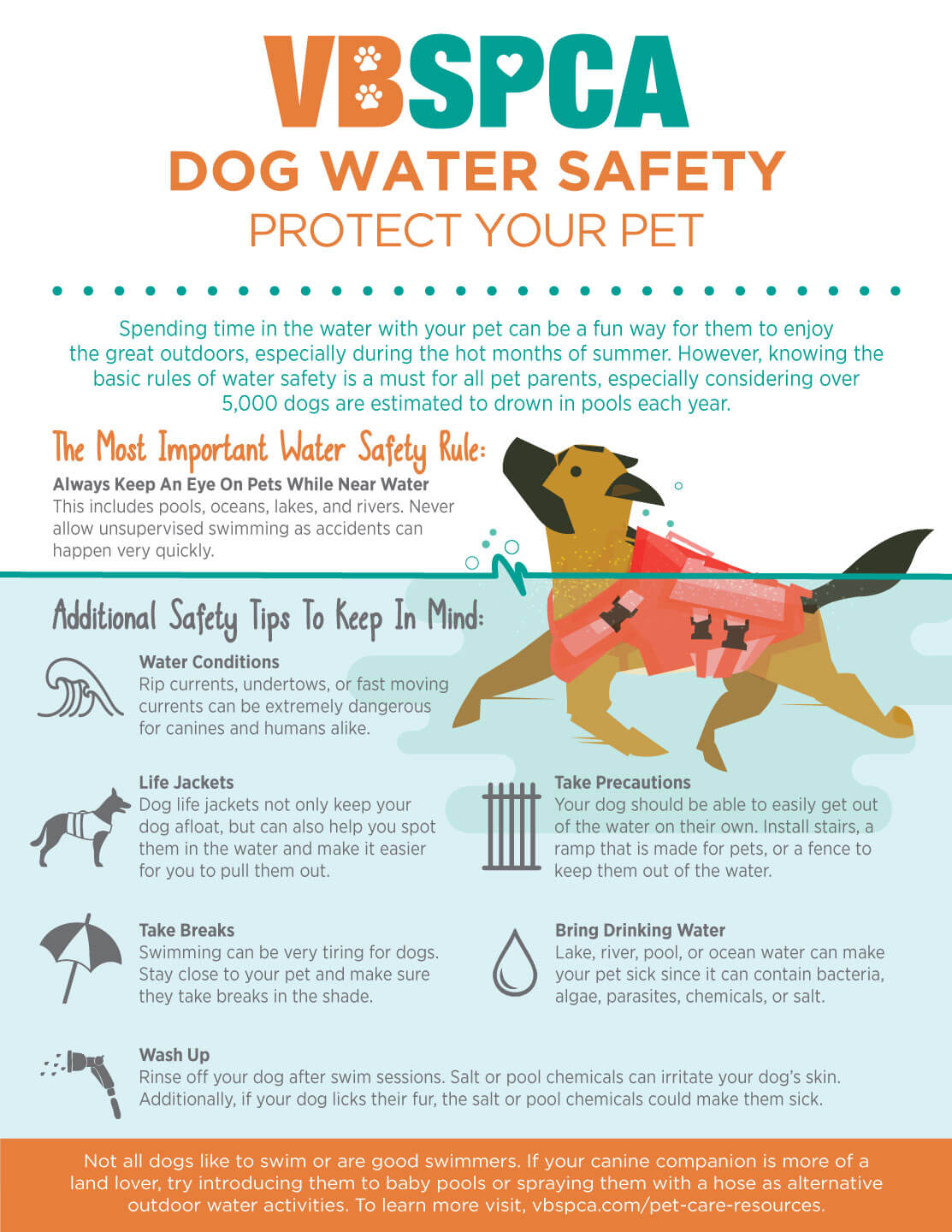
Image Source: vbspca.com
The Alarming Reality of Canine Drowning
It is a scary thought for any pet owner. Drowning in dogs happens fast. It is a leading cause of accidental death in pets. Many people think dogs naturally swim well. This is a big myth. While many dogs can paddle, true swimming takes skill. They can tire easily. Panic sets in fast. This leads to tragedy quickly. Knowing the timeline helps owners prepare.
Factors Influencing Drowning Time
The time it takes for a dog to drown is not fixed. Several things speed up or slow down the process. Think about the dog’s health. Think about the water type.
Dog Swimming Ability and Breed
Not all dogs are built to float well. Dog swimming ability varies greatly. Breeds with heavy chests and short legs struggle the most.
- Brachycephalic Breeds: Pugs, Bulldogs, and Boxers have short snouts. They fight hard to breathe. They tire out fast.
- Heavy-Chested Dogs: Rottweilers and Mastiffs often sink quickly. Their center of gravity is low. They cannot keep their heads up easily.
- Water Dogs: Labradors and Retrievers often swim better. But even they can get tired or injured.
Water Temperature and Conditions
Cold water speeds up the process. Cold water causes rapid body heat loss. This leads to hypothermia quickly. Dogs lose muscle control sooner when cold. Rough water, like strong currents or big waves, makes breathing hard. This increases the drowning risk in dogs greatly.
The Role of Panic
Panic is the biggest factor. When a dog cannot find footing or is suddenly in deep water, fear takes over. A panicking dog uses too much energy. They may inhale water instead of breathing air. This rapid exhaustion shortens the time until drowning significantly.
Deciphering Canine Drowning Signs
Spotting trouble early saves lives. Many owners miss the key signals. They mistake struggling for playful splashing. You must learn the canine drowning signs right away.
Subtle Signs of Struggle in Water
Unlike in cartoons, dogs rarely bark loudly when drowning. They are too busy trying to breathe. Look for these quiet warnings. These are crucial signs of dog struggling in water.
- Head Position: The dog’s head is low in the water. It might dip under the surface frequently. The head might be tilted back awkwardly.
- Limb Movement: The dog paddles frantically but without rhythm. They might use only their front legs. The back legs might trail or kick uselessly. True swimming involves coordinated use of all four legs.
- Silence: A dog struggling to breathe cannot bark. They might make gulping sounds or no sound at all.
- Exhaustion: The dog stops struggling suddenly. This is a very bad sign. It means they are losing consciousness or giving up.
When a Dog is Unconscious in Water
If you see a dog unconscious in water, time is gone. The dog is no longer fighting. Immediate removal from the water is necessary. Followed by CPR if trained. The lack of movement means the airway is fully compromised.
Shallow Water Drowning Dog Risks
A common, deadly scenario involves shallow water drowning dog incidents. A small dog might wade into a pool or pond. They might slip or get stuck in mud or debris at the bottom. If their head goes under and they cannot stand up, they can drown easily. Even in inches of water, this risk exists.
How Long Can a Dog Hold Breath Underwater?
How long can a dog hold breath underwater? Most dogs can hold their breath for only a few seconds, maybe 5 to 10 seconds when calm. If they are panicked, they may inhale water almost instantly. This short window explains why drowning happens so fast. Compare this to humans who can sometimes hold their breath longer with training. A dog’s anatomy makes prolonged breath-holding difficult, especially when struggling.
The Timeline: Estimating Drowning Speed
While exact times vary, we can map out a typical, tragic progression.
| Stage | Estimated Time (Active Struggle) | Observed Behavior | Outcome Risk |
|---|---|---|---|
| Initial Submersion | 1 – 5 seconds | Confusion, frantic paddling. | High risk of water inhalation. |
| Active Struggle | 5 – 30 seconds | Loud gulping, ineffective paddling, sinking. | Severe oxygen deprivation begins. |
| Exhaustion/Unconsciousness | 30 – 60 seconds | Paddling stops, head sinks below the surface, stillness. | Cardiac arrest likely. |
| Full Drowning | 1 – 3 minutes | No observable life signs. | Brain damage irreversible; death confirmed. |
This table shows why rapid response is crucial. Most incidents escalate from struggle to unconsciousness in under a minute.
Proactive Pet Drowning Prevention
Waiting until you see signs is too late. Pet drowning prevention must be your first line of defense. This involves preparation and constant vigilance.
Essential Safety Gear
Every dog near water needs the right gear.
- Life Vests (PFDs): Invest in a high-quality dog life jacket. It must fit snugly. Look for bright colors for visibility. PFDs offer buoyancy, especially for breeds that struggle to swim. They also have handles for quick retrieval.
- Leashes for Boats: If your dog is on a boat, they must be leashed or secured. A sudden wave can sweep an unsecured dog overboard quickly.
Water Safety Around the Home
Your backyard pool is a major hazard.
- Pool Fencing: A secure, self-latching fence around pools is non-negotiable. The fence should be tall enough that dogs cannot jump over it.
- Pool Alarms: Use alarms that detect ripples on the water surface. This alerts you if a dog enters the pool unnoticed.
- Easy Exits: Ensure your dog has an easy way out of the pool. A set of dog steps or a ramp leading to the deck is essential. A shallow water drowning dog often happens because they cannot climb out of an inaccessible pool edge.
Training and Acclimation
Do not assume your dog knows how to handle water environments. Introduce them calmly.
- Start Small: Begin with shallow, calm water like a kiddie pool. Let them get comfortable with the feel of water.
- Positive Reinforcement: Use treats and praise. Make water a fun experience.
- Practice Exits: Always practice getting in and out of the water safely from the start. This builds muscle memory for safe exit strategies.
Responding to an Emergency: How to Rescue a Drowning Dog
If you see your dog in distress, act immediately but safely. Your safety comes first. Never jump into water after your dog if you are not a strong swimmer or if the conditions are dangerous.
Steps to Rescue a Drowning Dog
When you need to rescue a drowning dog, follow these steps:
- Stay Calm: Panic will only hinder your efforts.
- Reach or Throw: If possible, reach out to the dog while staying on solid ground. Throw them a flotation device, a rope, or a life ring.
- Get Close: If you must enter the water, swim to the dog while keeping an object between you. Approach from behind to avoid being grabbed in a panic.
- Secure and Lift: Grab the handle on their life vest. Lift them out of the water by the vest, not by a single leg. Do not pull them straight up in the water, as this can cause injury.
Post-Rescue Care
Even if your dog seems fine after being pulled out, seek veterinary attention immediately.
- Secondary Drowning: Dogs can inhale water into their lungs. This can cause life-threatening pulmonary edema hours later. This is often called “dry drowning.”
- Check Vitals: Watch for coughing, lethargy, or difficulty breathing. Never assume a dog who has inhaled water is safe without a vet check.
Factors Affecting Dog Water Safety
Good dog water safety relies on respecting the water environment.
Swimming Near Boats and Docks
Boating presents unique hazards. Dogs can fall in near loud engines or propellers. Even if they swim well, the sudden shock of cold water or the wake of a boat can disorient them. Always keep dogs secured on a boat.
Ice Safety in Winter
Thin ice is an extreme danger. A dog can break through thin ice quickly. If this happens, do not attempt to pull the dog out yourself unless you are trained for ice rescue. Call emergency services immediately. The dog will quickly become hypothermic, increasing the time until death drastically.
Lakes, Rivers, and Ocean Hazards
- Currents: Rivers and ocean currents can pull a dog under or sweep them far downstream before they tire out.
- Tides: Ocean tides can trap dogs on sandbars or pull them out to sea.
- Algae Blooms: Toxic blue-green algae in lakes can cause rapid neurological symptoms, leading to collapse in the water.
Comprehending Dog Drowning vs. Exhaustion
It is vital to differentiate between a dog playing hard and a dog genuinely failing.
Play vs. Distress
| Behavior | Play/Tiring | Distress/Drowning |
|---|---|---|
| Movement | Energetic, rhythmic paddling, fun splashing. | Jerky, frantic, or weak/non-existent paddling. |
| Vocalization | Happy barks, whimpers of excitement. | Silence, gasping, or gulping sounds. |
| Head Position | Head held high, able to watch owner. | Head low, dipping under water frequently. |
| Breathing | Regular, though perhaps rapid breathing. | Short, panicked breaths; taking in water. |
When in doubt, always assume distress. It is better to correct a playful dog than to wait too long for a drowning dog.
Training for Water Confidence
Building water confidence reduces panic, which lowers the drowning risk in dogs.
Teaching the “Dog Paddle” Reliably
While dogs naturally try to paddle, training helps them use their back legs effectively. Use toys as motivation, keeping training sessions short and positive. Always stay within arm’s reach during initial training.
Teaching Emergency Exits
Practice getting out of the water near steps or ramps repeatedly. Even in a natural setting like a slow-moving stream, point out a shallow bank where they can walk out. This teaches them to look for an exit strategy instead of just swimming toward the closest, potentially distant, shore.
Summary of Critical Safety Measures
The speed of canine drowning demands constant awareness. Prepare for the worst so you can prevent it. Pet drowning prevention is a year-round task, not just a summer concern.
- Supervise all water activities closely.
- Ensure all dogs near water wear a properly fitted life vest.
- Practice safe water entry and exit protocols regularly.
- Know the canine drowning signs instantly.
- Have a plan to rescue a drowning dog safely.
- Always seek vet care after any water incident where the dog inhaled water.
By respecting the speed at which drowning occurs and implementing strong safety measures, you can drastically reduce the threat to your beloved companion. Never let a dog swim unsupervised, no matter how good a swimmer you think they are.
Frequently Asked Questions (FAQ)
Can a dog drown in very shallow water?
Yes. A shallow water drowning dog scenario is very real. If a dog falls into a pool, pond, or tub and cannot right itself or get leverage to lift its nose above water, it can drown in seconds, even if the water is only a foot deep.
Do dogs cough a lot after almost drowning?
Coughing is a common reaction. If a dog has been coughing after a water scare, it means water likely entered the lungs. This requires immediate veterinary attention due to the risk of delayed pulmonary edema (secondary drowning).
How can I tell if my dog is tired versus drowning?
Tired dogs usually slow their movements down but maintain a relatively normal, steady swimming pattern. Drowning dogs display frantic, disorganized paddling, often with the head held too low or bobbing erratically. Silence or gulping sounds are major red flags for distress.
Are certain dog breeds immune to drowning?
No breed is immune. While breeds like Newfoundlands are excellent swimmers, they can still panic, get injured, or encounter dangerous currents. Every dog is susceptible to drowning risk in dogs if conditions are severe or they are exhausted.
What is the first aid for a dog that has drowned?
If you pull a seemingly lifeless dog from the water, first ensure the airway is clear (gently extend the neck and remove any debris). If the dog is not breathing, begin canine CPR immediately while having someone call the emergency vet. Speed is everything.