
A good dog food for Labradors is one that is high in quality protein, contains healthy fats, includes necessary vitamins and minerals, and is specifically formulated for their life stage and activity level, often meeting the guidelines for large breed puppy food for Labs if they are young, or tailored for adult or senior Labrador nutrition.
Labrador Retrievers are wonderful dogs. They are smart, loving, and full of energy. To keep your Lab happy and healthy, you must feed them the right food. Choosing the best dog food for Labradors is a big job for any owner. Labs have special needs. They love to eat, and they can gain weight easily. This guide will help you pick the perfect meal for your best friend.
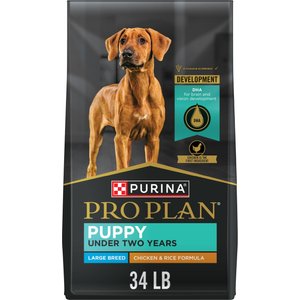
Image Source: image.chewy.com
The Basics of Labrador Nutrition
Labs are large, active dogs. Their bodies need good fuel. What goes into the food matters a lot. We need to look closely at the ingredients list.
Analyzing Key Nutritional Needs
Labradors need a balanced diet. This means getting the right mix of protein, fat, and carbs.
Protein Power
Protein is vital. It builds strong muscles. Labs need high-quality animal protein sources. Look for things like chicken, beef, fish, or lamb listed as the first ingredient. Avoid foods where plant proteins like corn gluten are at the top.
Healthy Fats for Energy and Coat
Fats provide long-lasting energy for active Labs. They also keep their skin healthy. Look for omega-3 and omega-6 fatty acids. Fish oil is a great source of these good fats. A shiny, thick coat often means the dog is eating well.
Carbohydrates for Fuel
Carbs give your Lab the energy for running and playing. Choose complex carbohydrates. These are things like sweet potatoes, brown rice, or oats. These digest slowly and keep energy steady.
Deciphering Ingredient Labels
Reading dog food labels can be tricky. Here are simple tips for checking labels when looking for high-quality Labrador food.
- First Three Ingredients: The first three ingredients should mostly be named meat sources. For example, “Chicken,” “Chicken Meal,” or “Salmon.”
- Avoid Fillers: Stay away from foods heavy in cheap fillers like corn, wheat, or soy, especially near the top of the list.
- Look for Real Foods: You want to see real vegetables and fruits listed. These add vitamins and fiber.
Food Choices Based on Life Stages
A puppy Lab eats very differently than an old Lab. You must match the food to their age and size.
Feeding Labrador Puppies
Labrador puppies grow fast. They need special food to support this growth. This is why large breed puppy food for Labs is so important.
- Controlled Growth: Large breed puppy foods control the rate of growth. Growing too fast can hurt their developing joints, especially their hips and elbows.
- Calcium and Phosphorus Balance: These minerals must be right. Too much or too little can cause bone problems common in Labs.
- Feeding Schedule: Young puppies need several small meals a day. As they get older, you move to two meals daily.
Fueling the Adult Labrador
Once your Lab reaches about 12 to 18 months, they are adults. Their food needs change.
- Maintenance Calories: Adult Labs still need good energy, but they need fewer calories per pound than growing puppies.
- Activity Level Matters: A working or highly active agility Lab needs more calories than a couch potato Lab. Adjust portions based on their daily activity.
Supporting Senior Labradors
As Labs age, their activity often drops. Senior Labrador nutrition focuses on joint support and weight control.
- Fewer Calories: Older dogs burn less energy. Feeding too much leads to weight gain quickly.
- Joint Supplements: Look for foods with added glucosamine and chondroitin. These help keep their joints healthy as they age.
- Easier Digestion: Senior formulas often use more digestible proteins and fibers.
Tackling Common Labrador Health Concerns with Diet
Labradors are prone to a few specific health issues. Diet plays a huge role in preventing or managing these problems.
Managing Labrador Weight with Food
This is perhaps the biggest challenge for Lab owners. Labs are notoriously food-motivated and gain weight easily. Obesity is a major health risk.
- Portion Control is Key: Measure every meal. Do not “eyeball” the amount. Follow feeding guides but adjust based on your dog’s body condition score.
- Low-Fat Formulas: If your Lab is struggling to lose weight, discuss switching to a weight management or lower-calorie formula with your vet.
- Treats Count: Treats should make up no more than 10% of their daily calories. Use healthy options like carrot sticks or small pieces of their regular kibble.
Addressing Joint Health
Hip and elbow dysplasia are common in this breed. Diet can support joint health throughout life.
- Omega-3s: Essential fatty acids reduce inflammation around the joints.
- Chondroitin and Glucosamine: While often added to senior formulas, these can benefit younger dogs too, especially those involved in intense sports.
Fathoming Labrador Food Allergies
Some Labs develop skin issues or digestive upset from food. This could signal Labrador food allergies.
- Common Triggers: The most frequent food allergens for dogs are proteins like beef, chicken, and dairy.
- Elimination Diets: If you suspect allergies, your vet may suggest an elimination diet. This involves feeding a novel protein (like venison or duck) or a hydrolyzed protein diet for several weeks to pinpoint the trigger.
- Grain Sensitivity: While less common than meat allergies, some Labs do better on grain-free Labrador food. However, always discuss grain-free options with your vet, as they often replace grains with other carbohydrates like peas or potatoes.
Comparing Different Food Types
The world of dog food offers many choices: kibble, wet food, fresh-cooked, and raw. What is right for your Lab?
The Role of Dry Kibble
Best kibble for Labs is the most common and convenient choice. High-quality dry food is shelf-stable and cost-effective.
- Pros: Easy to store, good for dental health (the crunch helps scrape teeth), and nutrient-dense.
- Cons: Processing can reduce some nutrient quality. You must ensure the kibble is specifically designed for large breeds if feeding a puppy.
Table 1: Comparing Kibble Quality Factors
| Factor | Low-Quality Kibble | High-Quality Kibble |
|---|---|---|
| First Ingredient | Corn, Wheat, Meat By-Products | Named Meat Source (e.g., Turkey Meal) |
| Fat Source | Generic Animal Fat | Fish Oil, Sunflower Oil |
| Preservatives | Artificial colors/flavors | Natural preservatives (e.g., Vitamin E) |
| Cost | Low | Moderate to High |
Wet Food Options
Wet food has high moisture content, which is great for hydration. However, it is often more expensive and less convenient. It is not ideal as the sole diet for a breed prone to tartar buildup, as it lacks the abrasive action of kibble.
Considering Fresh and Raw Diets
Some owners explore alternatives for their Labrador retriever diet.
Fresh Cooked Meals
These meals are often gently cooked or air-dried. They mimic a homemade diet but are balanced for commercial standards. They are highly palatable for picky eaters.
Raw Food for Labradors (BARF/Prey Model)
Feeding a raw food for Labradors diet means feeding uncooked meat, bones, and organs.
- Pros: Many owners report shinier coats and better stool quality.
- Cons: Requires diligent research to ensure complete nutrition. There are risks of bacterial contamination (Salmonella) for both the dog and the human handlers. This type of feeding requires expert consultation to avoid imbalances.
Selecting the Best Formula: A Step-by-Step Approach
Choosing the best dog food for Labradors requires thought. Follow these steps to make an informed choice.
Step 1: Determine Life Stage and Activity
Are you feeding a growing puppy, a moderately active adult, or a resting senior? This dictates the caloric density and nutrient ratios needed. Never feed adult food to a puppy.
Step 2: Read and Compare Top Brands
Select three to five brands that focus on large breeds and use whole meat ingredients. Look for third-party testing seals if possible (though rare in the consumer market).
Step 3: Check for Essential Additives
Ensure the food supports the common weak points of the breed:
- Omega-3s (EPA and DHA) for skin, coat, and inflammation.
- Glucosamine/Chondroitin for joints (especially critical if you cannot add them separately).
Step 4: Evaluate the Protein Source
Is the primary protein source high quality? If the label says “Chicken,” that is good. If it says “Meat Meal,” try to find out what kind of meat meal it is. “Chicken Meal” is usually a better concentrated source of protein than just “Chicken” (which contains water weight).
Step 5: Observe Your Labrador After Switching
A good food will result in positive physical changes.
- Good Signs: Healthy energy levels, firm stools, shiny coat, stable weight.
- Bad Signs: Excessive itching, soft or smelly stools, lethargy, rapid weight gain or loss.
If you notice negative signs, try a different high-quality brand. Switching foods should always be done slowly over 7 to 10 days to prevent stomach upset.
Deciphering Feeding Guidelines
The feeding chart on the bag is just a starting point. Every Lab is an individual.
Calculating Caloric Needs
For adults, we often use Resting Energy Requirement (RER) formulas, but for simplicity, observe your dog’s condition. A dog that maintains a healthy shape on the listed amount is eating correctly for their activity level.
| Body Condition Score (Ideal for Labs) | Rib Feel | Waist Appearance |
|---|---|---|
| Ideal | Ribs easily felt with slight fat cover. | Clear hourglass shape when viewed from above. |
| Overweight | Ribs hard to feel under fat layer. | Back is wide; no clear waist tuck. |
If your Lab is overweight, reduce the daily amount by 10-15% and see if they start losing weight after a few weeks.
The Importance of Hydration
Always provide fresh, clean water. If feeding dry kibble, dogs naturally consume less water than those on wet food, so ensure water access is constant, especially after exercise. Good hydration supports kidney function and digestion.
Grain-Free Labrador Food: Is It Necessary?
The choice between grain-inclusive and grain-free Labrador food is often debated.
For many years, grains were wrongly blamed for most dog allergies. Science now shows meat proteins are far more common triggers.
Pros and Cons of Grain-Free
- Pro: If your Lab has a verified grain allergy (rare), grain-free is necessary. Grains are replaced with potatoes, lentils, or peas, which provide energy.
- Con: Grain-free formulas can sometimes be higher in legumes. Recent studies have linked some grain-free diets high in peas and lentils to a heart condition called Dilated Cardiomyopathy (DCM) in certain breeds.
Unless your veterinarian recommends it due to a specific allergy, a high-quality, large-breed appropriate food containing healthy grains (like barley or oats) is often the safer and more traditional choice for maintaining a balanced Labrador retriever diet.
FAQ About Labrador Dog Food
How much should I feed my adult Labrador?
Most average, moderately active adult Labradors (55-75 pounds) need between 1,200 and 1,700 calories per day. Always check the specific calorie count of your chosen food and adjust based on your dog’s body condition. Start with the lower end of the bag recommendation and adjust based on weight change.
Can I feed my Labrador human food?
Yes, in moderation, as long as the food is safe for dogs (no onions, garlic, grapes, xylitol, or excessive fats). Plain cooked chicken breast, carrots, and green beans make excellent, healthy low-calorie treats. However, human food should never replace their complete and balanced commercial diet.
What is the ideal protein percentage for adult Lab food?
For an active adult Labrador, aim for a food with at least 22-26% crude protein on a dry matter basis. If your Lab is extremely active (working dog), this can go higher, up to 30%.
Are prescription diets ever needed for Labs?
Yes. If your Labrador suffers from severe gastrointestinal issues, kidney disease, heart conditions, or specific allergies, a prescription therapeutic diet formulated by veterinary nutritionists may be the best dog food for Labradors in that specific case. Always consult your vet before making major dietary shifts.