
If your dog is peeing red, it means there is blood present in their urine. This condition is called hematuria. Seeing blood in your dog’s urine is never normal and usually means something is wrong. You must take your dog to the vet right away.
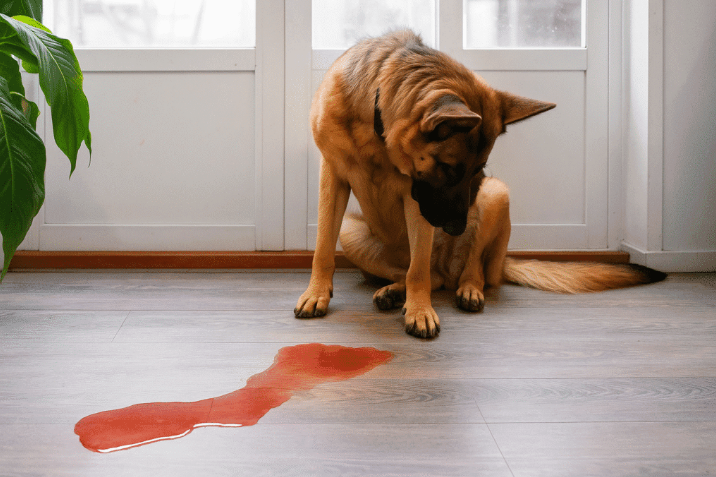
Image Source: wopet.com
Recognizing Blood in Your Dog’s Urine
Blood in a dog’s urine can look alarming. It is important to know what red urine dog signs look like. The color can range from pink-tinged urine to a deep, dark red or even brown.
Types of Blood Seen in Urine
The way the blood appears can offer clues to the source of the problem.
- Frank Hematuria: This is when you see bright red blood mixed with the urine. This often points to issues lower down in the urinary tract, like the bladder or urethra.
- Dark or Brown Urine: Urine that looks dark red, brown, or even black might mean the blood has been present longer. It could be coming from higher up, like the kidneys, or it might signal a severe issue, like red blood cell breakdown.
- Pink-Tinged Urine: A small amount of blood can make the urine look pink. Even a little bit of blood is serious.
When you notice my dog has blood in urine, do not wait to see if it gets better. Act fast.
Common Reasons for Dog Hematuria Causes
There are many reasons why a dog might have bloody urine in dogs. These causes range from minor irritations to life-threatening diseases. Pinpointing the source helps the vet treat the problem correctly.
Infections and Inflammation
Infections are one of the most common dog peeing blood reasons. Bacteria can easily invade the urinary tract.
Canine Urinary Tract Infection Blood
A canine urinary tract infection blood is very common, especially in female dogs. Bacteria get into the bladder or urethra and cause irritation. This irritation leads to inflammation, which makes small blood vessels leak.
Signs of a UTI often include:
- Needing to pee often (frequent urination).
- Straining to pee (dysuria).
- Urinating in small amounts.
- Licking their genitals more than usual.
- Cloudy or smelly urine, sometimes with blood.
Prostatitis in Male Dogs
For male dogs, the prostate gland sits right below the bladder. If it gets infected (prostatitis) or enlarged, it can cause blood in the urine. Older male dogs are more prone to prostate issues.
Stones and Foreign Bodies
Hard mineral deposits can form inside the urinary tract. These are called stones.
Dog Bladder Stones Symptoms
- Dog bladder stones symptoms often include straining, which might cause pain and force a little blood out.
- The stones irritate the bladder lining as the dog tries to urinate.
- In some cases, stones can block the flow of urine, which is an emergency.
Bladder stones require veterinary treatment, often involving surgery to remove them.
Tumors and Cancer
Sadly, cancer is a major cause of dog hematuria causes, especially in older dogs. Tumors can grow anywhere in the urinary system: the kidneys, ureters, bladder, or urethra.
- Bladder cancer is serious and often presents first as persistent blood in the urine.
- It is vital to get a diagnosis quickly if cancer is suspected.
Injury or Trauma
If a dog has been hurt, their internal organs might be damaged. A hard fall, being hit by a car, or rough play can injure the bladder or kidneys. This trauma often results in visible blood in the urine.
Diseases Affecting the Whole Body
Sometimes, the problem is not just in the urinary tract. Other health issues can lead to red urine dog signs.
Kidney Problems
When the kidneys fail or are damaged, they cannot filter the blood well. This can cause blood cells to leak into the urine. If your dog has dog kidney disease urine color changes, it is a grave sign. Kidney issues usually present with other symptoms too, like increased thirst and weight loss.
Bleeding Disorders
If a dog cannot clot its blood properly, it will bleed easily. This can happen due to poisons (like rat poison), immune system problems, or inherited clotting issues. Blood can leak into the urine from any part of the body, including the urinary tract.
Tick-Borne Diseases
Diseases transmitted by ticks, such as Ehrlichiosis, can attack red blood cells. When these cells break down, the waste products can turn the urine dark brown or red.
When to Rush to the Emergency Vet
If you see blood in your dog’s pee, you should call your vet. However, some situations demand an emergency vet for dog blood in urine.
Seek immediate emergency care if:
- No Urine Flow: If your dog is straining very hard but cannot pass any urine at all, this is a life-threatening blockage, often caused by a stone or tumor.
- Pale Gums and Weakness: If your dog is weak, collapsing, or has very pale gums, they might be losing too much blood internally.
- Severe Pain: If your dog is crying, restless, or hunched over in pain when trying to urinate.
- Vomiting or Fever: These signs suggest a widespread infection or severe systemic illness.
How Vets Diagnose the Cause of Red Urine
When you bring your dog in for dog peeing blood reasons, your vet will perform a thorough check-up. Diagnosis requires several steps to trace what causes red dog urine.
Initial Examination and History
The vet will first ask you many questions. They need to know:
- When did you first see the blood?
- Is it constant or does it come and go?
- Has your dog had any recent injuries or known poison exposure?
- Is your dog drinking or peeing more than usual?
- Is the dog on any medications?
Next, the vet will do a physical exam. They will feel the dog’s belly, check the temperature, and pay close attention to the bladder and prostate size.
Key Diagnostic Tests
To look deeper, vets use specific tests.
Urinalysis
This is the most important first step. A fresh urine sample is examined.
- Microscopic Exam: The vet looks for red blood cells, white blood cells (signs of infection), crystals, bacteria, and abnormal cells.
- Urine Culture: If bacteria are seen, this test grows the bacteria to find the right antibiotic to kill it.
Blood Tests
Blood work helps check the health of the kidneys and liver. It also checks the dog’s clotting ability and looks for signs of systemic illness, like tick-borne diseases. This is crucial if dog kidney disease urine color changes are suspected.
Imaging Studies
If stones or tumors are suspected, imaging is necessary.
- X-Rays: These can show the size and location of bladder stones. They can also sometimes show masses in the abdomen.
- Ultrasound: This gives a much clearer picture of the bladder wall, kidneys, and prostate. It can detect small tumors or inflammation that X-rays miss.
Cystoscopy
For a very close look inside the bladder, the vet might recommend a cystoscopy. A tiny camera is inserted through the urethra. This allows the vet to see the exact source of the bleeding and potentially remove small stones or take biopsies of suspicious tissue.
Treatment Options Based on the Cause
Treatment for bloody urine in dogs depends entirely on what the tests reveal.
Treating Infections
If a bacterial infection is the cause:
- Antibiotics: The vet will prescribe antibiotics based on the culture results. It is vital to finish the entire course of medicine, even if the dog seems better quickly.
- Pain Relief: Anti-inflammatory drugs may be given to reduce discomfort while the infection clears.
Managing Stones
If dog bladder stones symptoms are due to stones:
- Surgical Removal (Cystotomy): Many stones must be surgically removed to prevent blockage or ongoing irritation.
- Dietary Management: For some types of stones (like struvite), changing the dog’s diet can help dissolve them over time, avoiding surgery. This requires careful monitoring.
Addressing Tumors
Cancer treatment is complex:
- Surgery: Removing the tumor if possible.
- Chemotherapy or Radiation: Used for certain types of cancer that affect the urinary tract.
- Palliative Care: If a cure is not possible, treatment focuses on keeping the dog comfortable and managing bleeding or pain.
Treating Systemic Illnesses
If the blood is due to a clotting disorder or a severe tick-borne disease, treatment targets the root cause:
- Clotting Issues: May require Vitamin K supplements or blood transfusions.
- Tick-Borne Disease: Treated with specific antibiotics.
Preventing Future Episodes of Red Urine
While you cannot prevent every illness, some steps can help lower the risk of common dog peeing blood reasons.
Encourage Water Intake
Diluted urine is less irritating to the urinary tract lining. Keeping your dog well-hydrated is a key preventative measure.
- Switch to wet food, which has much higher moisture content than dry kibble.
- Add water or low-sodium broth to your dog’s regular food.
- Make sure fresh water is always available.
Maintain a Healthy Weight
Obesity puts extra pressure on the body, including the bladder and internal organs. Keeping your dog at a healthy weight reduces stress on all body systems.
Regular Vet Check-ups
Routine wellness exams are crucial. Older dogs, in particular, should have yearly check-ups where the vet can feel the prostate and screen for early signs of kidney issues or bladder changes before they become severe.
Interpreting Urine Color Changes
It is helpful to know that not all red urine means true blood (hematuria). Sometimes, the color changes due to pigments or other substances.
| Urine Appearance | Possible Cause | Severity |
|---|---|---|
| Bright Red/Pink | Fresh blood (Hematuria) from lower tract (bladder/urethra) | High priority |
| Dark Red/Brown/Black | Older blood, severe red cell breakdown, or kidney bleeding | Emergency |
| Orange/Yellow-Orange | High concentration of bilirubin (liver issue) or certain medications | Vet consult needed |
| Reddish-Brown (Non-Blood) | Certain foods (like beets) or certain toxins | Usually low severity |
If you see red, always assume it is blood until the vet proves otherwise. Do not assume it is just food coloring.
Focusing on Kidney Health and Urine Color
When the kidneys are the source of the problem, the urine can look different than when the bladder is irritated. Dog kidney disease urine color changes often relate to the kidney’s inability to concentrate urine.
In early kidney disease, the urine might become very dilute—almost clear and excessive in volume. In later stages, or if the disease causes internal bleeding within the kidney structures, you will see blood mixed in. Kidney issues are often sneaky and develop slowly. This is why regular blood tests are vital for senior pets.
Fathoming the Difference: Hematuria vs. Hemoglobinuria vs. Myoglobinuria
Veterinarians need to distinguish between three conditions that can make urine look red:
- Hematuria: The presence of intact red blood cells in the urine. This is what we usually mean by “blood in urine.” It means there is bleeding somewhere in the urinary tract.
- Hemoglobinuria: The urine is red because red blood cells have burst in the bloodstream (intravascular hemolysis). The hemoglobin released colors the urine. This is often seen with severe immune reactions or tick-borne diseases.
- Myoglobinuria: The urine is red/brown because muscle tissue has broken down severely (rhabdomyolysis) due to extreme exertion or trauma. Muscle protein (myoglobin) is coloring the urine.
All three require urgent veterinary attention, but the treatment paths differ significantly. A simple urinalysis helps separate these issues.
Frequently Asked Questions (FAQ)
Is it always serious if my dog has blood in their urine?
While a tiny bit of pink might be from temporary irritation, seeing actual red urine should always be treated as serious. It signals inflammation, infection, stones, or potentially cancer. Never ignore it, as even minor issues can worsen quickly.
Can my dog just be straining because of constipation, causing blood?
Straining, known medically as tenesmus, can happen with severe constipation or diarrhea. This straining puts pressure on the rectal and anal area, which can sometimes cause minor bleeding that mixes with urine. However, straining to urinate is a bigger warning sign for urinary issues, so a vet check is still required to rule out stones or UTIs.
How long does it take to treat a simple UTI in a dog?
If the veterinarian confirms a simple bacterial UTI, dogs usually start feeling better within 24 to 48 hours of starting the correct antibiotic. However, owners must complete the full course of medication, usually 10 to 14 days, to ensure the bacteria are totally eliminated and prevent recurrence.
Can stress cause my dog to pee blood?
Stress itself does not typically cause true hematuria (blood cells in urine). However, severe stress can sometimes cause a dog to urinate inappropriately or cause temporary bladder spasms, which might lead to minor irritation. If stress is the suspected cause, other, more serious dog hematuria causes must be ruled out first.
What if my dog only pees blood once and then it stops?
Even if the blood stops after one episode, the underlying cause is still present. If a stone caused irritation, it is still in the bladder. If an infection was starting, it could return stronger next time. Always schedule an appointment soon after noticing blood, even if the urine clears up.