
A dog hunched over is a clear sign that something is wrong. It often means your dog is in pain, feeling sick, or very uncomfortable. If you see your dog suddenly hunched over, you need to check them right away to find the cause.
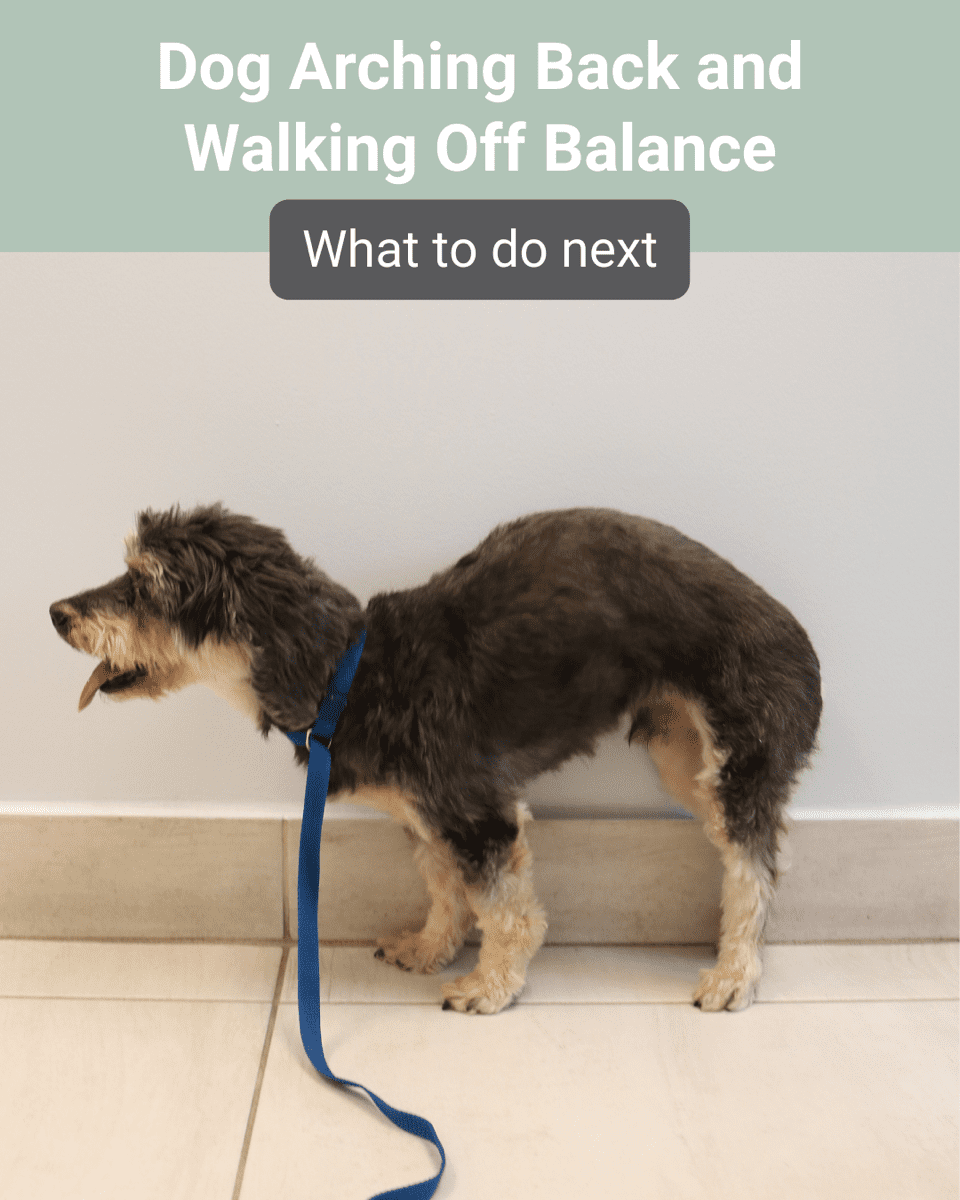
Image Source: sevneurology.com
Deciphering the Hunched Posture in Dogs
When a dog is hunched, it looks like they are trying to make themselves smaller. Their back curves upward. Their head might drop down. This posture is often called an arched back or a tucked posture. It is a universal signal in dogs that they are protecting an injured or painful area.
Immediate Concerns When You See a Hunched Dog
If your dog is hunched, you should first check if they can move normally. Look for other signs, like crying or shaking. Why is my dog standing hunched? This position usually points to discomfort in the belly, back, or hips.
| Observation | Possible Meaning | Urgency Level |
|---|---|---|
| Hunched with panting/restlessness | Severe pain, heat stroke, or bloat | High (Vet Now) |
| Hunched and refusing food | Pain when moving to eat, nausea | Medium to High |
| Hunched but still walking fine | Mild stiffness or early arthritis | Medium |
| Hunched and unable to move | Severe injury or paralysis | High (Emergency) |
Common Health Issues Causing a Dog to Hunch
Many problems can make a dog adopt this painful-looking stance. The location of the pain often tells you where the problem lies.
Abdominal Pain: The Gut Feeling
Pain in the stomach or abdomen often makes dogs hunch tightly. They pull their stomach muscles in to protect the area.
Pancreatitis: A Serious Threat
Pancreatitis is a swelling of the pancreas. It is very painful. This condition often causes a dog hunched over and weak. The pain is so bad that the dog might refuse to move much. Vomiting and diarrhea often go with it. This is a medical emergency.
Bloat (GDV): Life-Threatening Crisis
Gastric Dilatation-Volvulus, or bloat, is when the stomach fills with gas and twists. This is deadly fast. A dog with bloat often paces, drools a lot, and tries to vomit without success. They look hunched and very distressed. If you suspect bloat, go to the vet immediately.
Intestinal Obstruction or Illness
If your dog ate something they shouldn’t have, like a toy or bones, it can cause a blockage. This causes severe cramping and pain. If your dog hunched over and crying along with vomiting, an obstruction is possible.
Back and Spinal Problems
The spine is a frequent source of pain that results in a dog hunched back.
Intervertebral Disc Disease (IVDD)
This is common, especially in long-backed dogs like Dachshunds. The discs between the spine bones bulge or burst. This presses on the spinal cord. Dogs with IVDD might cry, drag their legs, or walk stiffly. They often look hunched because bending the back hurts.
Spinal Injury or Trauma
A fall or a bad jump can hurt the back. If your dog was playing rough and then started hunching, look for signs of recent trauma.
Kidney and Urinary Tract Issues
Issues with the kidneys or bladder cause deep, aching pain. This pain often makes the dog hunch up to try and relieve pressure.
Kidney Infection or Stones
When the kidneys hurt, dogs often appear very sick. If your dog hunched over and not eating, look for changes in drinking or urination. They might hide more.
Bladder Stones or Infection
Severe bladder issues cause pressure. The dog may try to urinate often but pass little urine. The hunched posture is a way to guard the lower abdomen.
Joint and Limb Pain
Sometimes, the hunching isn’t about the back itself but about how the dog shifts weight to avoid putting pressure on painful legs or hips.
Hip Dysplasia and Arthritis
This is very common in older dogs. The hip joint doesn’t fit well, causing grinding and pain. An elderly dog hunched over often shows this. They might stand with their back legs close together and their spine slightly curved. If you notice your dog hunched over limping, arthritis in the hips or knees is a strong suspect.
Spondylosis Deformans
This involves bony spurs growing along the vertebrae. It can cause stiffness and pain, leading to a chronic hunched stance over time, though it may not always present as acute pain.
When Does Hunching Signal an Emergency?
Certain combinations of symptoms with the hunched posture need urgent veterinary care. Do not wait if you see these signs.
Signs Requiring Immediate Attention
- Dog suddenly hunched over with restlessness and heavy panting. This screams bloat or severe internal pain.
- Dog hunched over and crying non-stop. Intense, uncontrolled pain needs strong medicine quickly.
- Inability to stand or walk normally.
- Pale gums or rapid, shallow breathing.
Assessing the Level of Pain
It is crucial to gauge how much pain your dog is in. This helps you decide the next steps.
| Pain Indicator | Severity | Action Required |
|---|---|---|
| Mild reluctance to move | Low | Watch closely; call vet next day. |
| Guarding abdomen when touched | Medium | Call vet for advice within a few hours. |
| Persistent howling or shaking | High | Go to the emergency vet immediately. |
| Trembling or collapse | Critical | Emergency transport needed now. |
Factors That Influence the Hunched Posture
The reason why is my dog standing hunched often depends on age, breed, and recent activity.
Age Considerations
Puppies and Young Adults
In younger dogs, hunching is often linked to acute injuries, sudden infections, or eating something toxic. They usually have more energy, so a sudden refusal to move is alarming.
Middle-Aged Dogs
This group might start showing signs of chronic issues like early-onset arthritis or muscle strain from athletic activities.
The Elderly Canine Patient
For an elderly dog hunched over, the list of potential causes widens significantly. Degenerative conditions like severe arthritis, spinal degeneration, or even cancer become more likely contributors to chronic pain and hunching.
Breed Predispositions
Some breeds are genetically predisposed to certain conditions that cause back pain:
- Long-backed breeds (Dachshunds, Corgis): High risk for IVDD.
- Large breeds (German Shepherds, Labs): Prone to hip and elbow dysplasia, leading to compensatory hunching.
- Brachycephalic breeds (Pugs, Bulldogs): Sometimes show hunched postures due to respiratory distress or abdominal pressure.
Gastrointestinal Distress vs. Orthopedic Pain
Distinguishing between gut pain and bone/joint pain is key to helping your dog.
Fathoming Abdominal Causes
When the belly is the problem, the dog often looks tucked up tightly. They want to relieve the pressure inside. If your dog is hunched over and weak, and has vomiting or diarrhea, focus your attention on the digestive system first.
- Stomach contents shift or irritate the lining.
- Muscles spasm to guard the internal organs.
Interpreting Musculoskeletal Causes
If the pain comes from the back or legs, the hunch is often an attempt to keep the spine straight or avoid putting weight on a sore limb. A dog hunched over limping strongly suggests an orthopedic issue, even if the back looks curved. They are changing their gait to cope.
If the dog is slow to get up but seems fine once moving, it leans toward arthritis or stiffness rather than acute internal crisis.
Diagnostic Steps: What Your Vet Will Do
If you bring your hunched dog to the clinic, the veterinarian will follow a careful process to pinpoint the trouble.
The Initial Physical Exam
The vet will first do a thorough physical check. They will look for:
- Palpation: Gently pressing along the spine and abdomen to see where the dog reacts most strongly.
- Gait Assessment: Watching the dog walk and stand to identify limping or stiffness.
- Temperature and Heart Rate: Checking vital signs for signs of infection or shock.
Advanced Imaging and Testing
Depending on the initial findings, further tests may be necessary:
- Bloodwork: To check organ function (kidneys, liver) and look for signs of infection or inflammation (pancreatitis).
- X-rays (Radiographs): These are essential for seeing bones, joints, and sometimes gas patterns in the abdomen (for bloat). They can show fractures, severe arthritis, or abnormal disc spaces.
- Ultrasound: This gives a clearer picture of soft tissues, like the pancreas, intestines, and bladder, helping diagnose tumors or masses.
Management and Treatment Options
Treatment depends entirely on the underlying cause of the hunched posture.
Treating Acute Pain Emergencies
If the issue is bloat or a severe obstruction, immediate surgery is required. In these life-or-death situations, the dog cannot be treated with medication alone.
Managing Chronic Pain Conditions
For conditions like arthritis or chronic IVDD, management focuses on pain relief and quality of life improvement.
Pain Medication
Veterinarians use Non-Steroidal Anti-Inflammatory Drugs (NSAIDs) specifically made for dogs to reduce swelling and pain. Always follow dosing instructions exactly. Never give human pain relievers.
Physical Therapy and Rehabilitation
For back or joint issues, targeted exercises help maintain muscle mass and flexibility. This can include:
- Underwater treadmill therapy.
- Gentle stretching exercises.
- Massage therapy.
Weight Management
Excess weight puts tremendous strain on aching joints and the spine. If your dog is overweight, a structured diet plan is crucial for easing the hunching caused by joint stress.
Dietary Adjustments
If GI issues are the culprit, the diet needs modification. This often means switching to a bland diet temporarily or a prescription food that is easier to digest. For pancreatitis, a low-fat diet is essential.
Home Care Tips for a Hunched Dog
While you wait for your vet appointment, there are safe things you can do to make your dog more comfortable.
Creating a Comfortable Resting Space
Make sure your dog has a very soft, supportive bed. Memory foam beds can greatly help an elderly dog hunched over due to joint pain. Keep the area warm and draft-free.
Monitoring Food and Water Intake
If your dog is hunched over and not eating, try offering small amounts of appealing food, like plain boiled chicken mixed with rice. Ensure fresh water is easily accessible, even if they are reluctant to move to get it.
Activity Restriction
Limit all strenuous activity. No running, jumping, or stairs. Keep walks very short and on a leash only for necessary bathroom breaks. This prevents worsening any spinal or joint injury.
Addressing Behavioral Changes Linked to Hunching
The posture itself is a physical sign, but it often brings behavioral changes.
Increased Anxiety and Hiding
Pain makes dogs anxious. They might become protective of the painful area. If you approach them, they might growl or snap, not because they are aggressive, but because they fear you will touch the sore spot. Give them space.
Changes in Elimination Habits
A dog in severe back pain might struggle to squat or lift their leg properly to urinate or defecate. They may have accidents indoors because the act of positioning themselves hurts too much.
When to Reassess Treatment
If your dog was improving but suddenly starts hunching again, it means the underlying condition has flared up or a new problem has started. Always contact your vet if treatment seems ineffective or if symptoms worsen after initial improvement. Consistent check-ups are vital for long-term management of chronic conditions that cause a dog hunched back.
Frequently Asked Questions (FAQ) About Dog Hunching
Can stress cause my dog to look hunched over?
Yes, severe stress or fear can cause a dog to adopt a submissive or tense posture that mimics hunching. However, if the posture is constant and not linked to a specific fearful event, physical pain is more likely.
If my dog is hunched but seems fine otherwise, is it serious?
It can still be serious. Mild hunching might mean early arthritis or a minor stomach upset. Since dogs hide pain well, even a slight change in posture warrants a check-up soon. If the hunch persists for more than a day, call your vet.
How long does it take for a dog to recover from a simple stomach upset if they are hunched?
If the hunching is due to simple indigestion, it often resolves within 12 to 24 hours once the stomach settles. If they are still hunched after this time, the issue is likely more severe than simple indigestion.
Should I apply heat or cold packs to my hunched dog?
This depends on the cause. For acute injury or recent trauma, cold therapy might help swelling initially. For chronic stiffness or arthritis, gentle warmth often feels better. Never apply heat directly to the skin without a towel barrier, and always watch your dog’s reaction. If they pull away, stop immediately.
What if my dog is an elderly dog hunched over and refuses to eat for two days?
Refusing food for two days, combined with hunching, is a major red flag in senior dogs. This requires immediate veterinary care to rule out severe kidney failure, cancer, or acute pancreatitis, which can progress rapidly in older animals.